
Taking care of your vehicle is always of high importance. If your brakes or fuel injectors give way unexpectedly, you’ll have no one to blame but yourself. Even such “insignificant” things like washing and cleaning still need to be part of your maintenance schedule.

Bad weather conditions can cause considerable wear and tear, especially during winter. Snow, mud, water, and ice punish your vehicle’s exterior, not to mention the debris you drag inside your vehicle. All of these add up and put a significant strain on the car, thus requiring the driver to do some cleaning.
As washing your ride can get pretty challenging during the winter months, we will provide some tips to ease things and make the process more effective.
Washing a vehicle in winter is no fun, especially if you didn’t come prepared. Try dressing in layers, including multiple waterproof clothes, to do everything as comfortably as possible.
Since your hands will come in direct contact with cold water, try wearing insulated driving gloves that aren’t too bulky, followed by a pair of waterproof gloves. Then take out and put on thermal waterproof boots, preferably slip-resistant ones. It is also a good idea to wear a waterproof base layer to stay warm, with added middle layer and outer jacket.
If there is any ice or snow on your vehicle, you should not use hot water. Glass and heat don’t mix well together. For instance, using hot water may expand any microscopic cracks on your windshield or completely shatter it.
Instead, apply warm water before you start washing. It would also be a great idea to preheat your car to prevent water from freezing.
Another great tip would be to do all the washing in an enclosed area like a garage. While you shouldn’t use a pressure washer or sprayer if you don’t have drains and proper ventilation, doing it in an enclosed space makes the job much warmer.
If you live in an apartment, try looking for the closest car wash bay to block the wind and prevent water from drying up.
Adding wax during a car wash is an essential preventative measure. Some experts recommend different products for repelling water and snow. Wax is resilient and doesn’t degrade quickly, which allows it to withstand constant splashes. Applying the wax every now and again will ensure less washing on your end, which is a win-win!
This is one of the more important tips, and you should never forget to do it during winter. If you’re wondering why, well, the underbody has no coating to protect it from road salt and water splashes, which can easily cause rust to appear.
Use a hose and spray water under the vehicle while not forgetting about wheel wells, which should also be cleaned from salt and dirt.
After washing, head into your vehicle, close the doors, and turn on the washer fluid. Let it spray for 10 seconds or more with the wipers in motion. It will let the fluid soak into the wiper pieces, like the hinges, to prevent ice formation and clear away the fresh water from all the washing.
Now we turn to another post-wash tip. After you’re done, spend some more time and roll down each window a few inches, including the moonroof, to prevent any formation between the window and seal. Leave them open for a few minutes. It is also a good idea to do the same with your fuel door.
After that, open the doors and clean up the rubber seals on the inner edges with a towel for the same reasons.
While some people like to do everything DIY style, there’s no denying that washing a car in winter is a hassle. So, use an on-demand car wash app or service if it’s too much for you to handle. With just a tap, you can order a wash for $40-$50, depending on the company.
Just check if your vehicle is clean enough afterward cause sometimes they miss a few spots.
While washing your car in cold weather is not such a fun activity, we sincerely hope these tips will be helpful. They do make washing your vehicle more enjoyable and help prevent any unexpected problems.
But if you think it won’t be an enjoyable experience, there are always car washes and various apps to suit your needs.


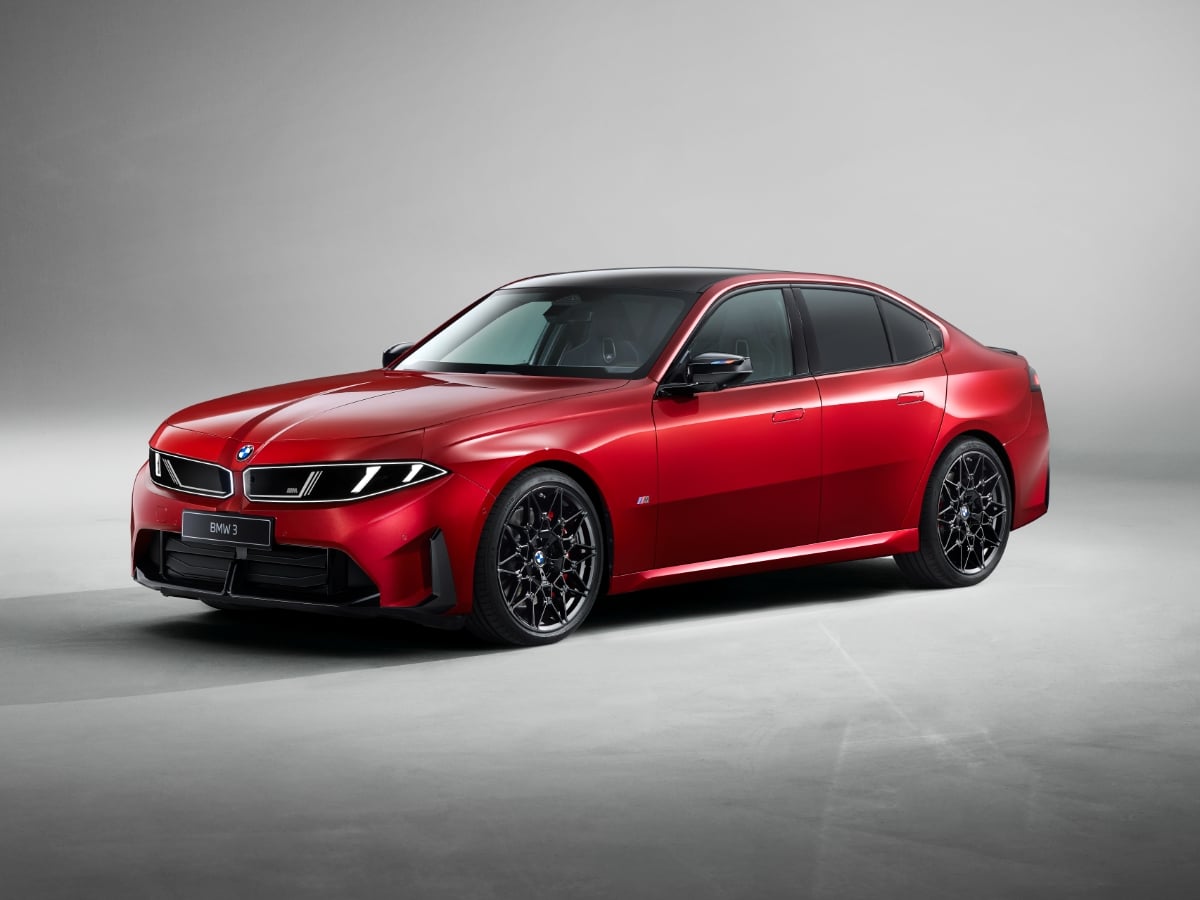
Part of BMW’s Neue Klasse (new class) rollout of redesigned models, the 2027 BMW 3 Series is all-new and goes on sale in the first quarter of 2027.
Read the Full Article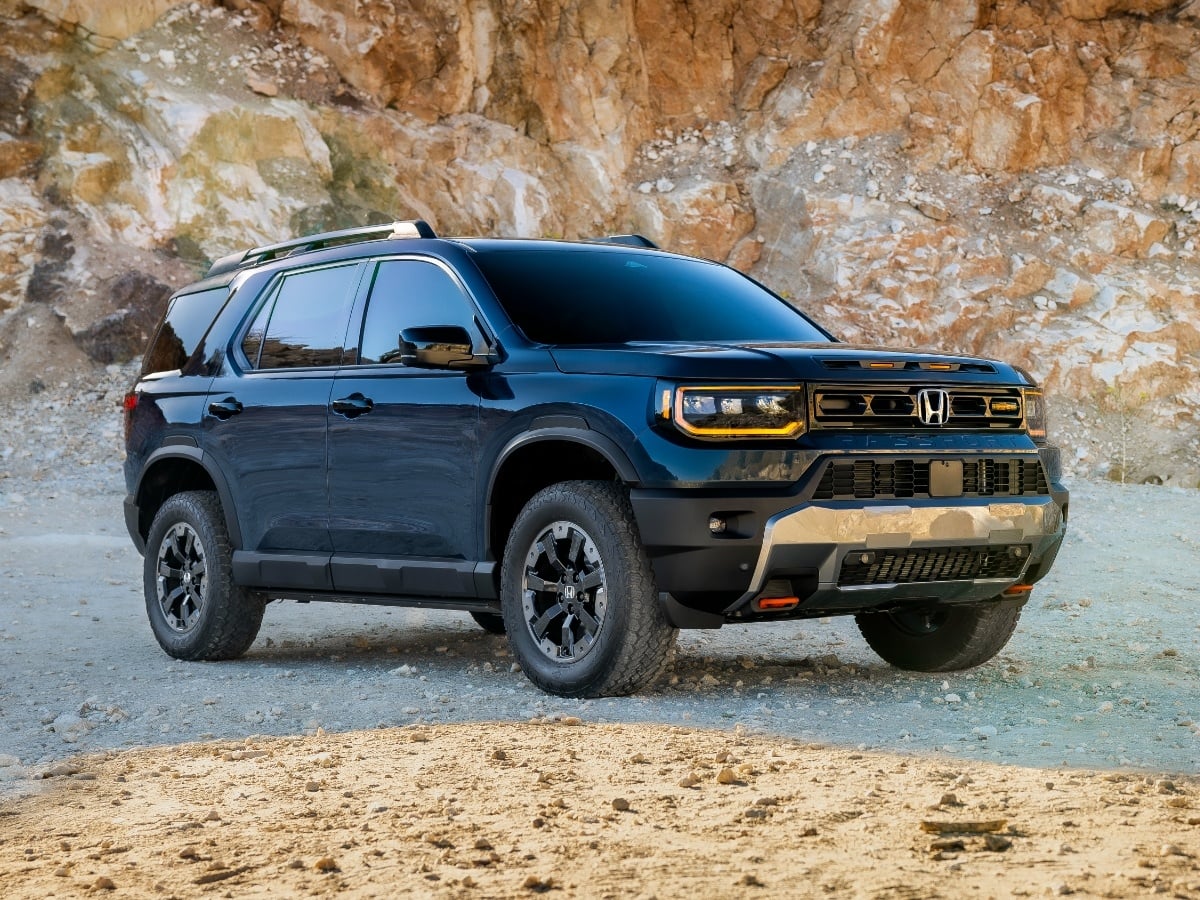
Updates to the 2027 Honda Passport TrailSport include a reworked suspension, improved steering, subtle styling enhancements, and added standard equipment.
Read the Full Article
The midsize 2027 Mercedes GLE remains available in original and spicy Coupe recipes, now with standard 4Matic all-wheel drive (AWD), MBUX Superscreen technology, and a panoramic glass sunroof for ...See More
Read the Full Article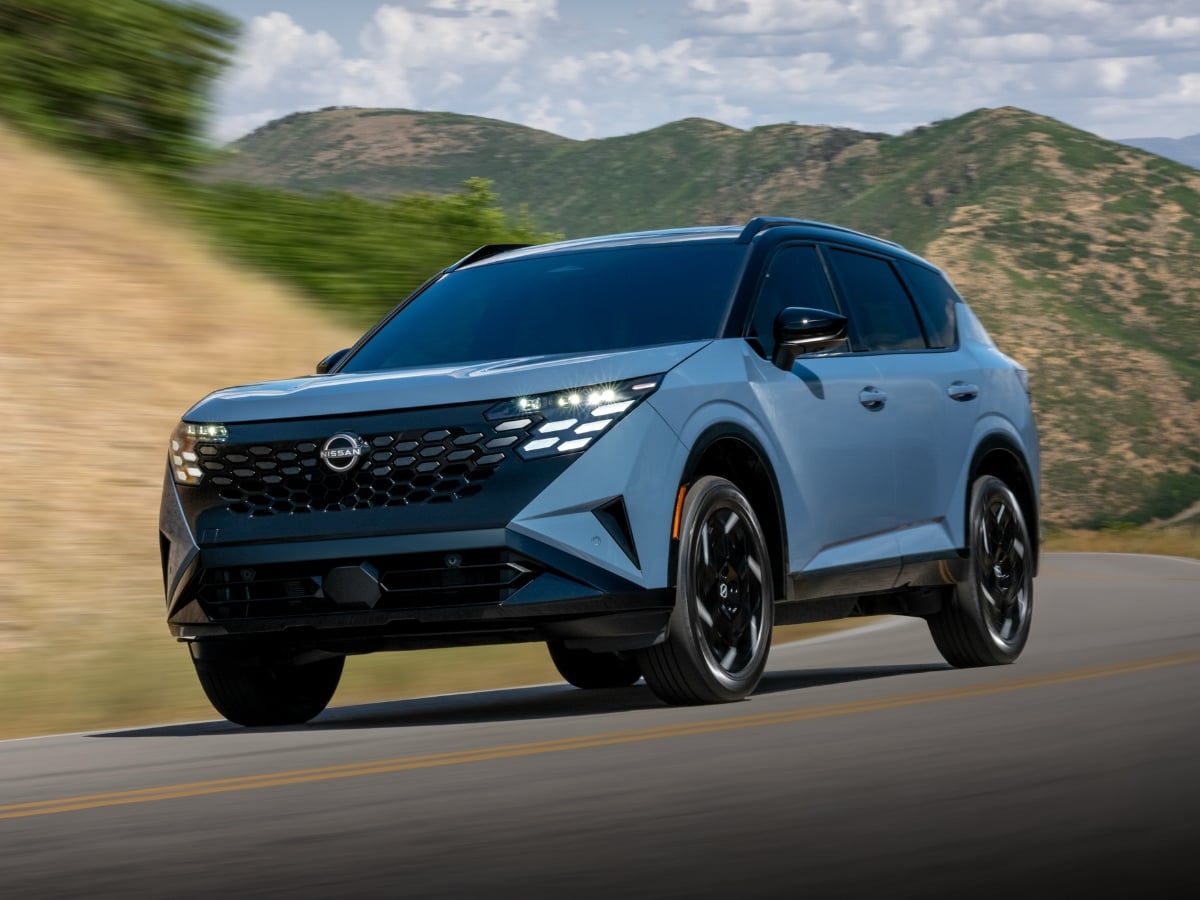
Nissan is about to introduce an innovative new SUV. The 2027 Nissan Rogue Hybrid has a gasoline engine, but it does not power the wheels. Instead, electric motors at each axle provide propulsion, ...See More
Read the Full Article