
Automakers are busy cranking out electric vehicles (EVs) with ever-increasing travel ranges, but there’s a disconnect between that priority and the realities of actually owning an EV. Public charging can be difficult, as crowded charger locations extend wait times, and frequent downtime can make it hard to find a working location to begin with. Many automakers have joined Tesla’s North American Charging Standard (NACS) and will offer access to its Supercharger network starting in 2024, but a recent JD Power study on attitudes toward public charging shows that change can’t come soon enough.
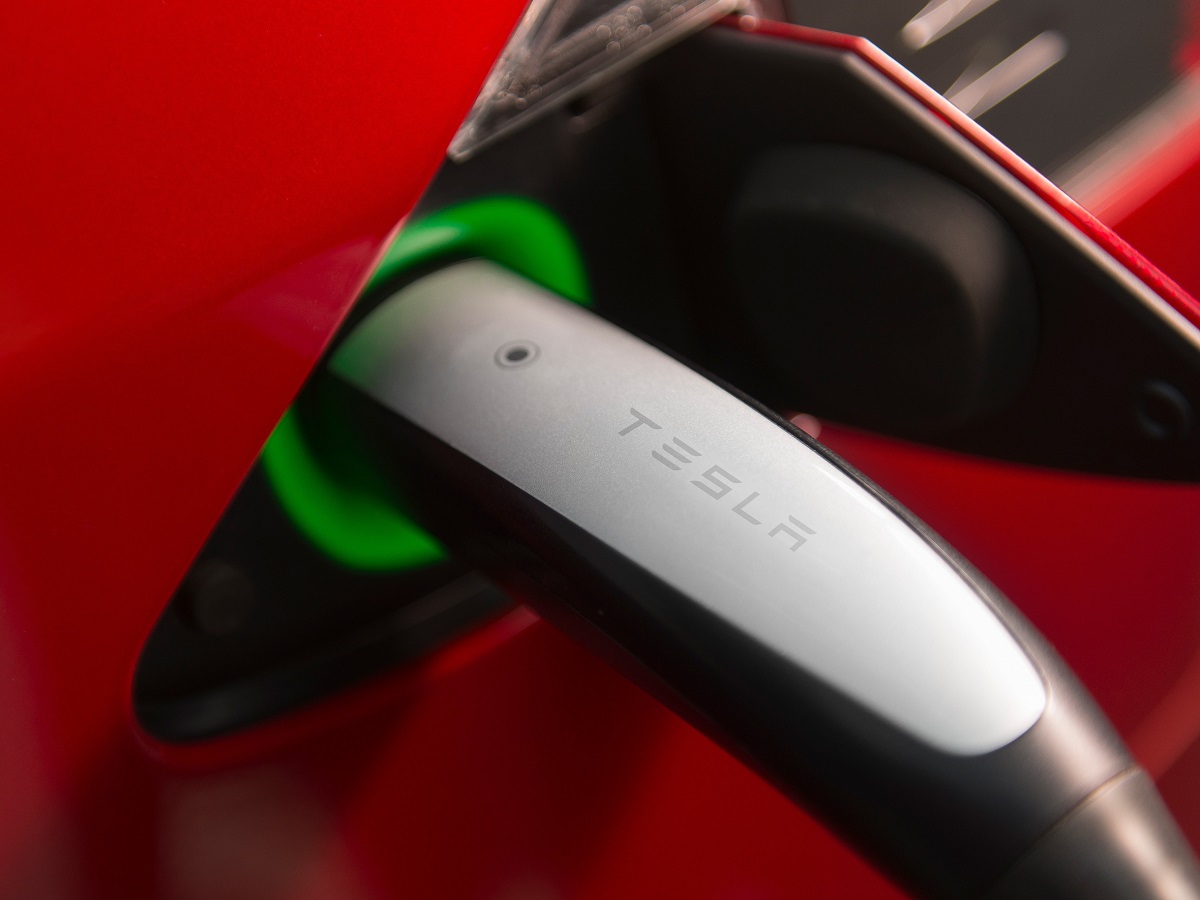
According to the JD Power 2023 U.S. Electric Vehicle Experience (EVX) Public Charging Study, owner satisfaction with charging is declining, even as the number of charging stations grows. Dissatisfaction extends to DC fast chargers and the ability to find an available charger on the road. Though a move to Tesla’s Supercharger network will likely improve availability and speed charging times, there’s no guarantee that it can support the additional strain of thousands more EVs and owners.
In the 2023 U.S. EVX Public Charging Study, EV owner satisfaction with Level 2 charging times decreases to 455 (on a 1,000-point scale), and satisfaction with DC fast chargers falls 30 points to 588. That’s on top of a decline in general satisfaction with public charging, which has reached its lowest level since JD Power launched the study in 2021. Seeing these scores, it’s not surprising that automakers from around the world are looking at ways to improve the experience by joining Tesla. “The declining satisfaction scores for public charging should be concerning to automakers and, more broadly, to public charging stakeholders,” said Brent Gruber, executive director of the EV practice at JD Power.
Despite falling satisfaction scores, a few names in public charging stand out. Volta ranks highest among Level 2 charging stations, earning a score of 665. Tesla’s Destination Chargers (661) rank second, and ChargePoint (618) ranks third. Tesla’s Supercharger network ranks highest among DC fast chargers with a score of 739. Even so, Tesla’s continued charging dominance isn’t guaranteed, as Gruber notes that the influx of outside EV brands at charging stations could clog the pipe. “We’re monitoring whether the use of Tesla Superchargers by non-Tesla owners will affect satisfaction, but the move does help address charger scarcity and offer access to industry-leading reliable chargers. It’s just too early to tell if it can reach the satisfaction levels of Tesla owners who are already part of that fully integrated Tesla ecosystem.”
Strategic charger placement could help ease some satisfaction issues. According to the study, owners using DC fast chargers prefer to stop quickly and get back on the road. This suggests that stakeholders should place those chargers along highways to allow for quick pitstops. Level 2 chargers are more useful at locations where owners may park their vehicles for a while, such as restaurants and entertainment venues.
At the same time, the study finds that 20 percent of EV owners say they’ve stopped at a charger location but did not charge, either because there was a line or the charger was inoperable. That number varies by region, with 35 percent of drivers in Florida and just 12 percent in the Cleveland metro area saying they’ve visited a charging location without using it.
Findings of the 2023 U.S. EVX Public Charging Study are in line with the market conditions automakers are currently reacting to, but that doesn’t mean we’ll see change overnight. The federal government has incentivized charger construction, and the shift to a mostly NACS network for EVs should help. But the truth is that it takes time to design and build charging stations, and beyond that, public charging companies have a ton of work to do to make the experience less annoying for owners. That said, if you’re looking for a new EV, our Shopping Guides section should be the place to start your shopping journey.
Chris Teague is an experienced writer in the automotive and technology fields. In addition to JDPower.com, his work appears at Forbes, The Drive, Your Test Driver, and others.


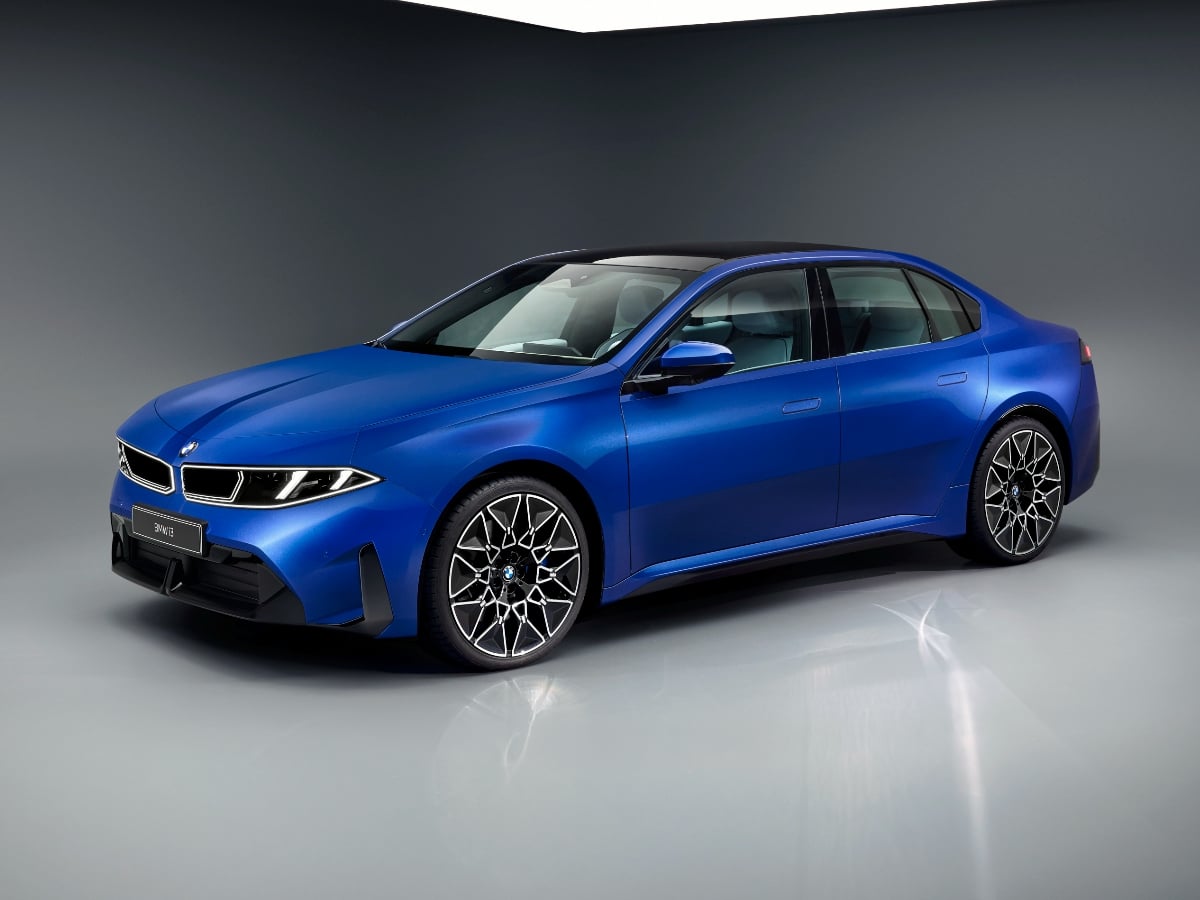
The new 2027 BMW i3 boasts an estimated range of up to 440 miles, 400-kilowatt DC fast charging capability, bidirectional charging to a home or the grid, and next-generation technology.
Read the Full Article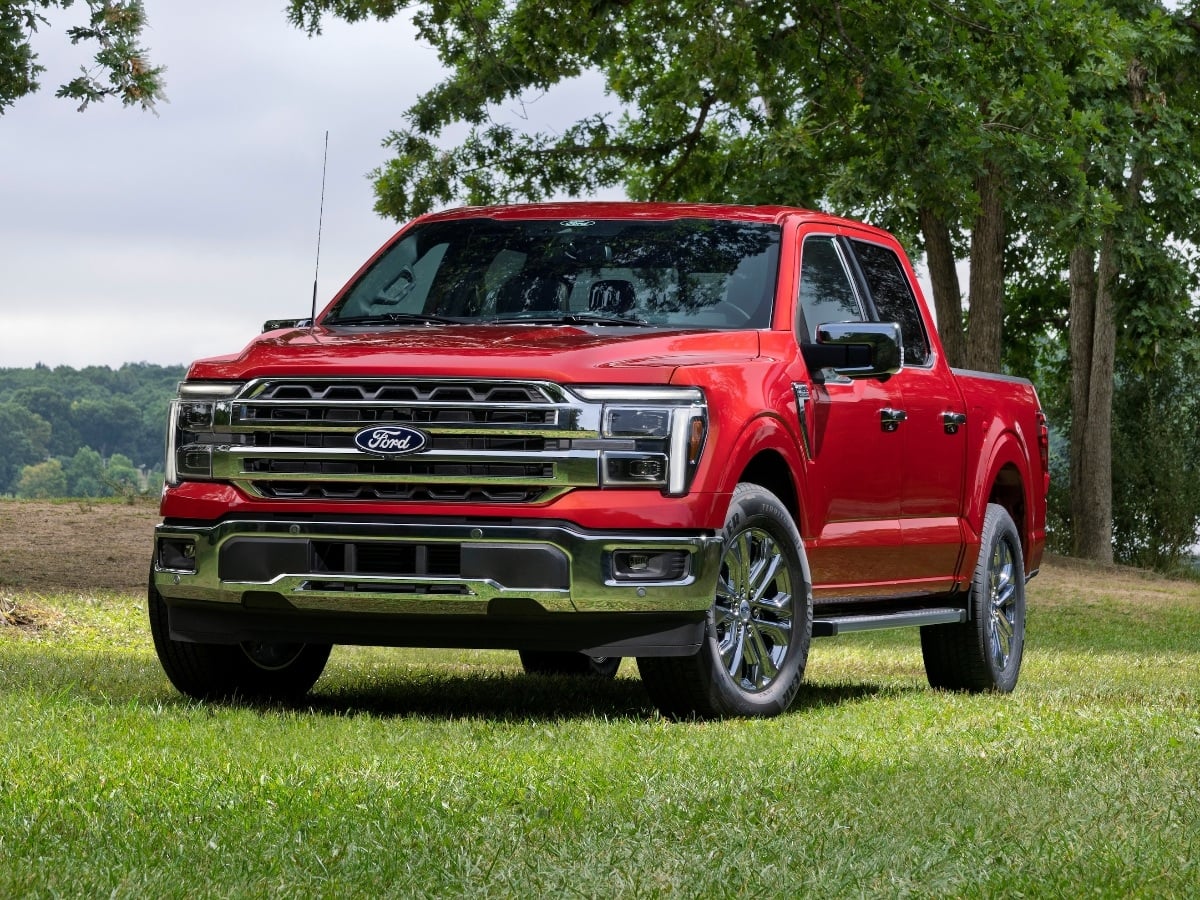
Facing renewed competition in the full-size, light duty pickup truck segment, the 2027 Ford F-150 receives subtle styling updates, a new standard engine, broader availability of its 5.0-liter V8, and ...See More
Read the Full Article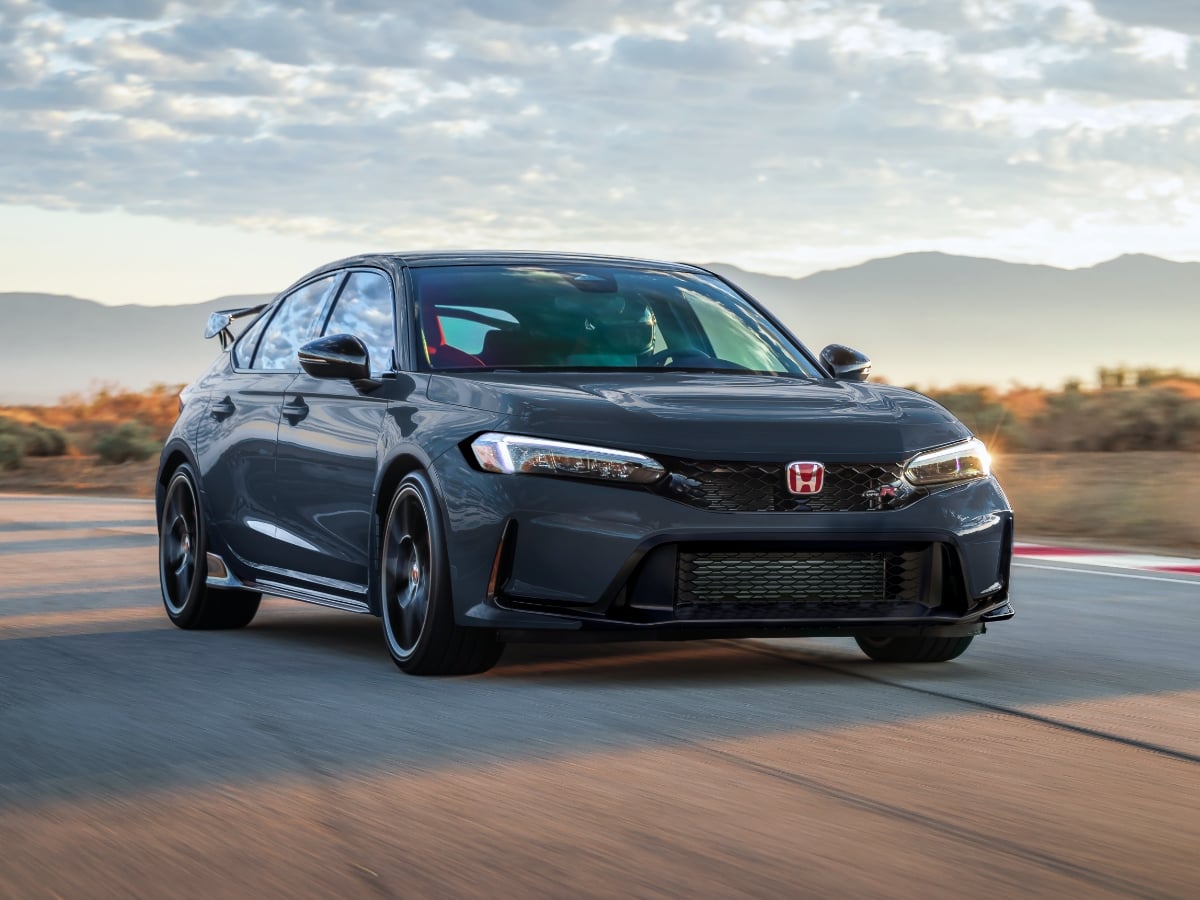
The 2027 Civic Type R goes on sale in October 2026, and it starts at $49,990, including the $1,295 destination charge.
Read the Full Article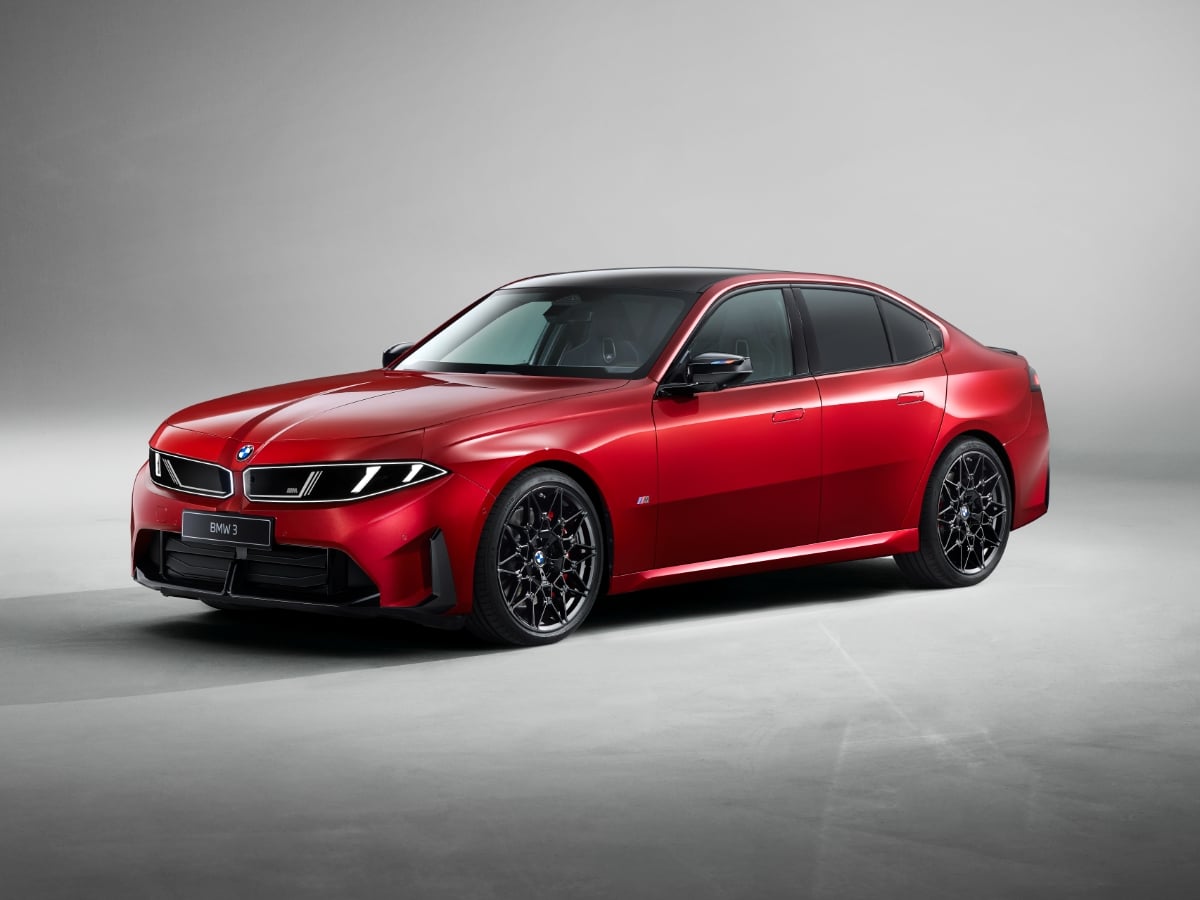
Part of BMW’s Neue Klasse (new class) rollout of redesigned models, the 2027 BMW 3 Series is all-new and goes on sale in the first quarter of 2027.
Read the Full Article