
Most people weigh their options when their lease is about to expire. They either decide to take the vehicle back to the dealer or opt to buy a new one. There is also another option which is using your leased car to generate equity.

A car lessee can trade in their vehicle and use equity to acquire a new leased vehicle or as a down payment on a new car purchase as a result of strong demand for used vehicles.
If you're considering trading in a leased vehicle but don't know where to begin, this article will explain how and what you need to know.
Here are some essential things to understand if you are interested in trading in your lease for another vehicle and need assistance with the trade-in method:
Charges And Penalties. Early lease cancellation will cost you a lot of money. The longer the contract is in effect, the more you'll be charged. The lessor will determine this fee based on the remaining time on the lease and the vehicle's current market value. Charges will be increased if you've driven more kilometers than you should have or if the car has significant wear and tear.
Residual Value. It represents the vehicle's estimated value at the lease period's completion. It also represents the vehicle's cost if you purchase it at the end of the lease period. It also considers the mileage and age of the car, its quality, durability, and even its brand.
Equity in a Lease. This represents the car's worth after the lease expires. At the end of your lease period, you'll have positive equity if the leasing company predicted a low residual value at the beginning and the vehicle is presently in great demand due to limited inventory or the model's popularity.
The Buyout Fee. The money necessary to acquire your leased car is referred to as the buyout fee. The amount to buy out your vehicle at the end of your lease usually reflects the residual value. The buyout price may be negotiable at some dealerships, but once you sign your lease contract, you're often bound by it.
Some lessees decide to complete a lease buyout and later sell the car. This choice makes sense when the vehicle's residual value is less than its current market value, which brings profit.
Start by figuring out the car's current worth. You can browse websites or contact leasing agencies if you need assistance.
Check the residual value against the car's current value. The vehicle has no equity if the residual value is higher than the market value, and you are unlikely to receive much value from a trade-in. You can trade it in and use the equity toward your new vehicle if the current market value is more than the residual value.
When you visit vehicle dealerships, they will also research the car's market worth and make you an offer to buy out the lease. You stand to gain if the amount a dealer offers you is greater than the vehicle's residual value. If you can work out a deal like that, you could use the money as a down payment for either trading in your current lease for a new one or for buying a new vehicle.
Knowing the car's residual value is an essential step, regardless of whatever option you select. You can find this value in your lease contract or by getting in touch with the leasing company.
Think about how close the lease's deadline is. To avoid early contract termination costs, trading in a leased vehicle at the end of the lease period will be the most financially advantageous choice.
While it's wonderful to buy a car and think of it as your own, if you buy it with a loan, you don't truly own it until the debt is paid off. During this period, the vehicle will depreciate, and you will possess an older, less expensive vehicle.
Many people prefer leasing because it allows them to have a brand new vehicle at the end of each lease period, which is often two to three years, avoiding the costly maintenance that comes with driving an older car.
However, if you've just signed a lease and you are thinking of trading in early, keep in mind that it can cost you money. After short-term depreciation, you'll owe more than the car is worth. As your lease contract states, you can also be subject to early termination costs. We usually advise holding on until your lease is two or three months before deciding to trade in.


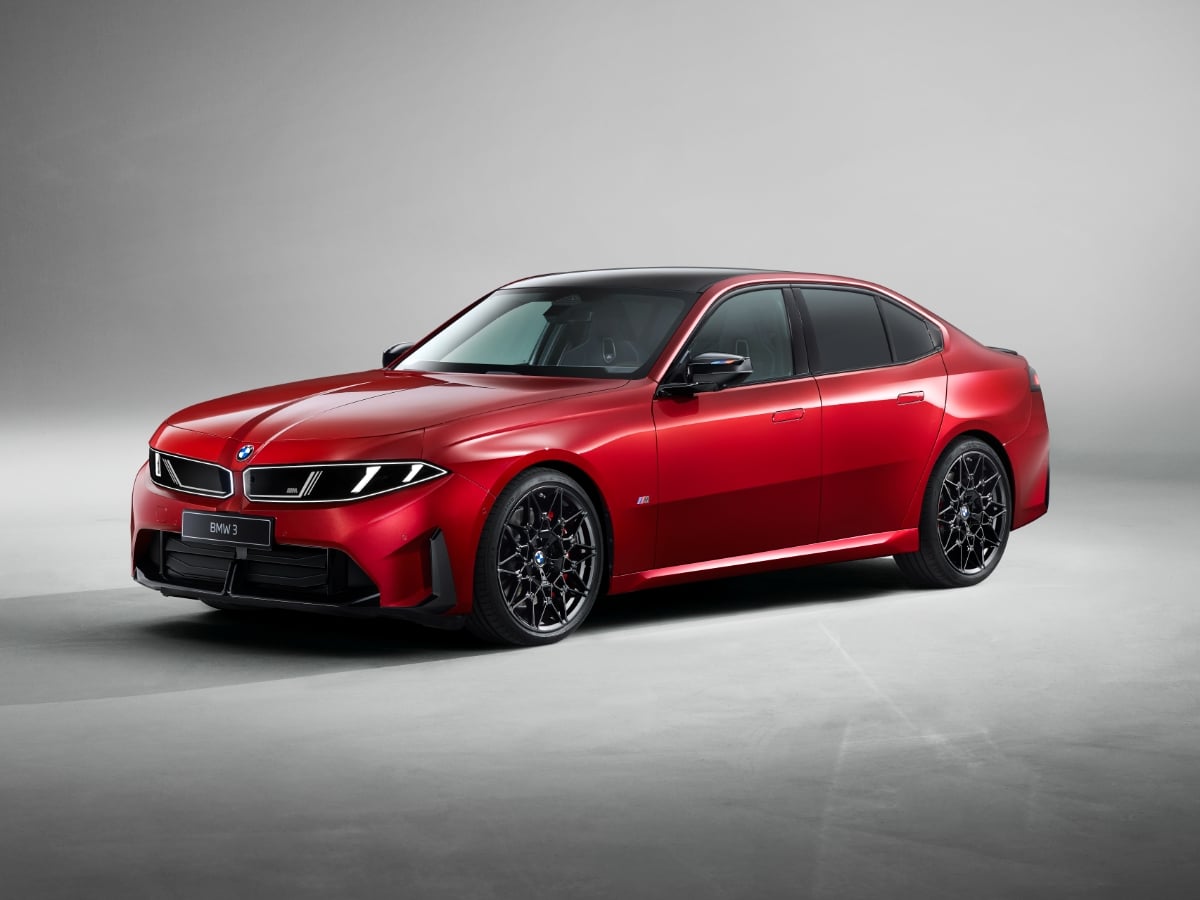
Part of BMW’s Neue Klasse (new class) rollout of redesigned models, the 2027 BMW 3 Series is all-new and goes on sale in the first quarter of 2027.
Read the Full Article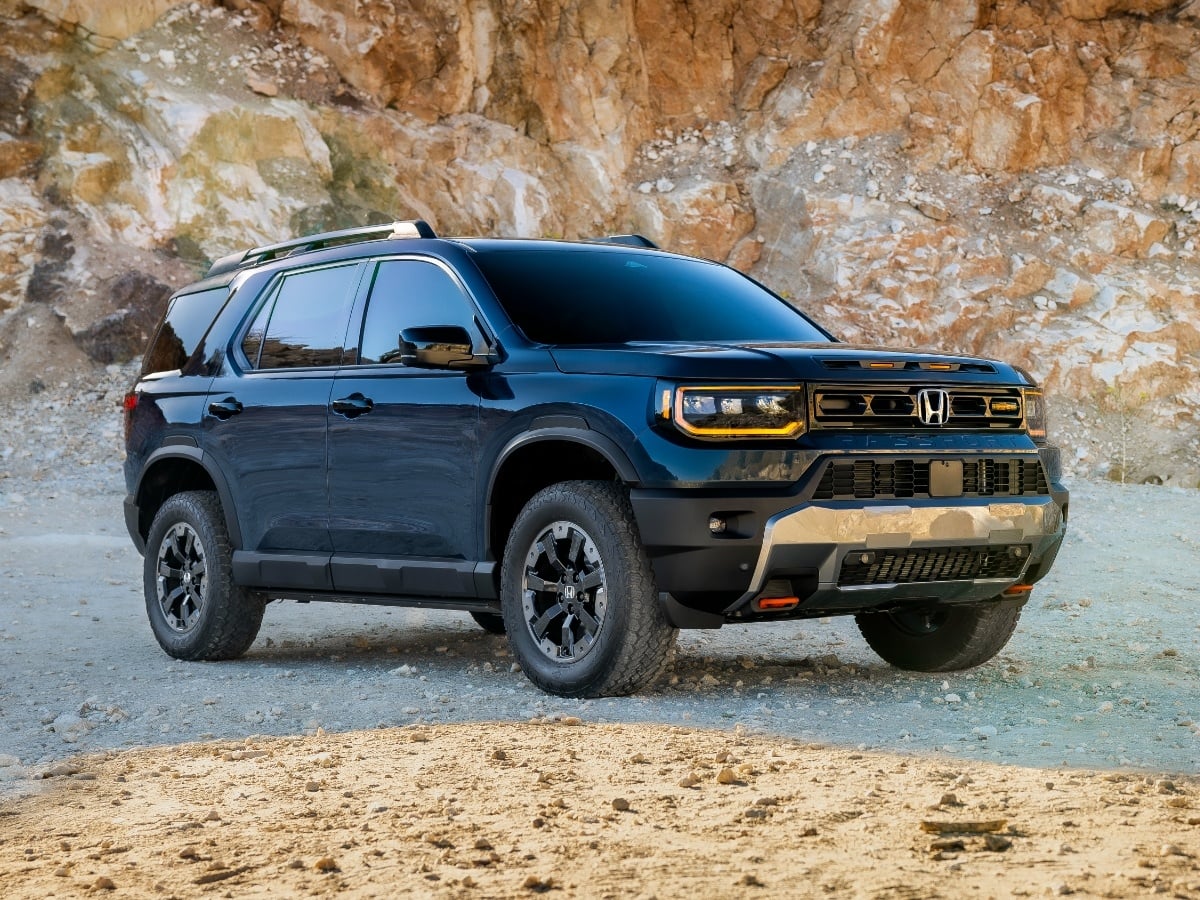
Updates to the 2027 Honda Passport TrailSport include a reworked suspension, improved steering, subtle styling enhancements, and added standard equipment.
Read the Full Article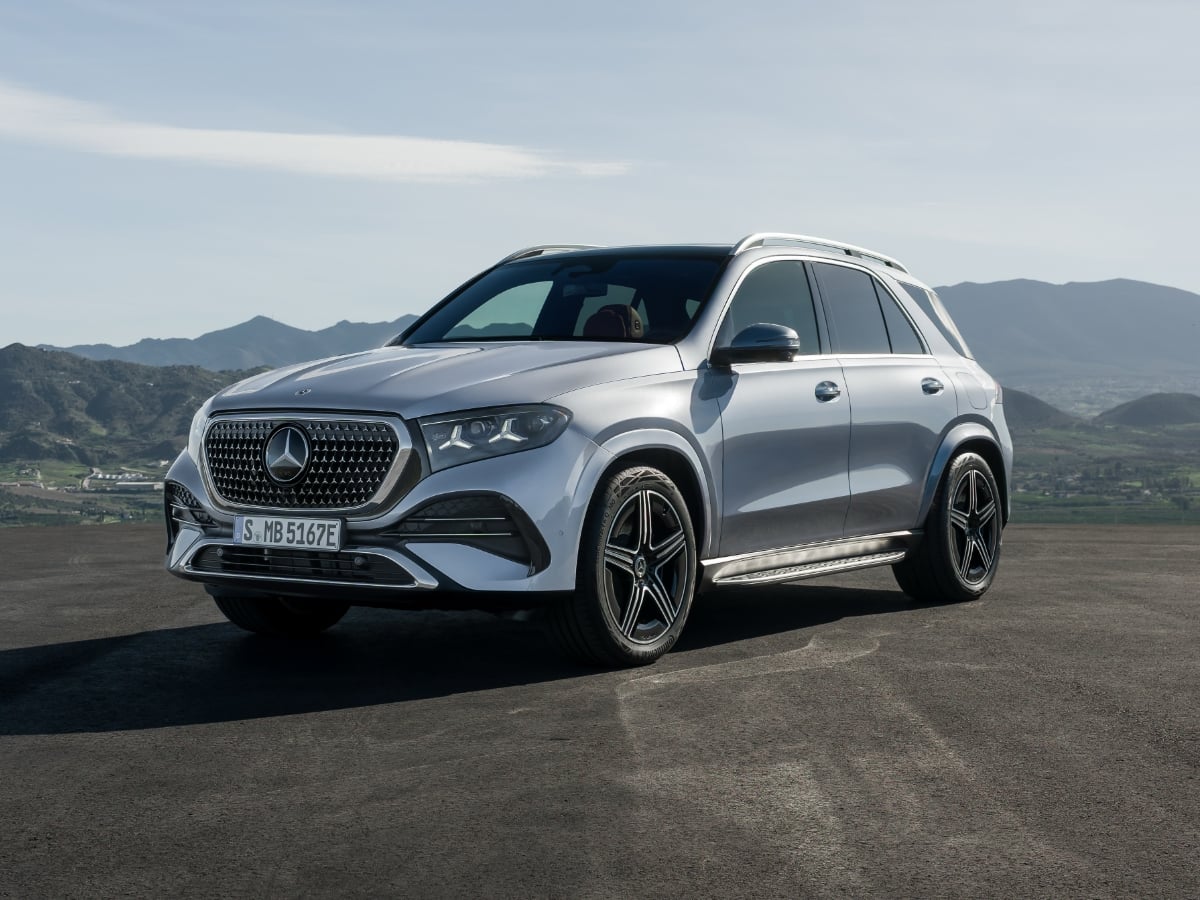
The midsize 2027 Mercedes GLE remains available in original and spicy Coupe recipes, now with standard 4Matic all-wheel drive (AWD), MBUX Superscreen technology, and a panoramic glass sunroof for ...See More
Read the Full Article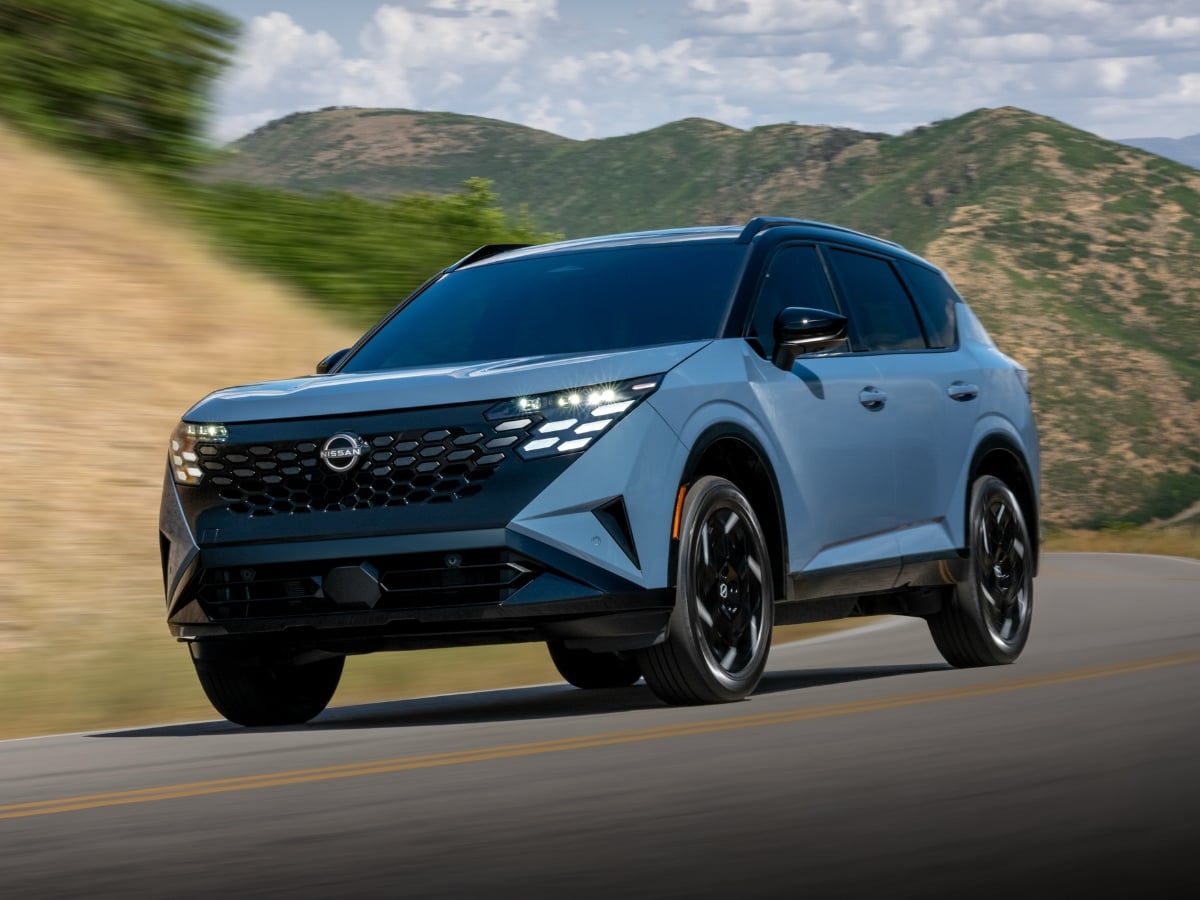
Nissan is about to introduce an innovative new SUV. The 2027 Nissan Rogue Hybrid has a gasoline engine, but it does not power the wheels. Instead, electric motors at each axle provide propulsion, ...See More
Read the Full Article