
Whether it be a broken-down car, flat tire, or even a collision, there are very few car owners who make it through their lives without needing a tow. It’s an unfortunate reality of being on the road and an inconvenience many people must endure at some point or another. Regardless of how well you maintain your car, you may still one day find yourself in need of roadside assistance or a tow.

Fortunately, the world is blessed with practical tools to help us get out of this situation. Let’s discuss how to tow a car, but specifically focus on towing front-wheel drive cars. These vehicles have a couple unique characteristics that affect how you go about the process, and we will explain them in detail so you are prepared and well-educated to handle the task at hand.
To understand the process of towing a front-wheel-drive car, we must first understand how these vehicles work.
Front-wheel drive cars are only intended to be moving when power is being produced to the front wheels. Therefore, if you find yourself needing to tow a front-wheel-drive car, it is essential to ensure that the car's front wheels are well above the ground to prevent further damage to your vehicle.
Fortunately, there are a few useful tools to help you safely tow a front-wheel-drive vehicle, including:
No matter which method you choose to use, your first priority must be to assess any potential hazards you may cause to yourself or others around you. Ensure that you take some time to read your owner’s manual before attempting to tow your vehicle, or call for professional help if you are still unsure how to safely and correctly go about the process.
A tow dolly is a two-wheel trailer that secures a car’s front two wheels off the ground. Unlike a car carrier, the car's rear wheels remain on the ground as the vehicle is towed.
The following is a step-by-step instruction on how to use a tow dolly.
Take note that certain locales prohibit the personal use of tow dollies. Before towing your vehicle, it is advised to check with local authorities about the personal use of tow dollies on public roads. You may also want to survey the route you are taking to avoid any potential obstructions or tight corners. Ensure that the emergency blinkers of both the towing vehicle and the immobile one are on at all times to warn other drivers.
A car carrier is suitable for any vehicle type as it will ensure that your vehicle is safely transported with all four wheels off the ground. This method is advantageous in the case of a car collision or a long haul, but realistically it is a longshot DIY method. The reason it is likely a longshot is that most people don’t have access to a car carrier, and it is unlikely that a friend you know will have an expensive trailer lying around. So while car carriers are optimal solutions for towing and transporting vehicles, they are best left to the professionals.
If you are in a situation where you have no choice but to tow your front-wheel-drive car with its drive wheels on the ground, your best bet will be getting your hands on an axle lock. This device will save you the trouble of manually disconnecting your front axles by disconnecting your automatic transmission, usually with just a twist or two.
Once your front axle is unlocked, you can safely begin to tow your vehicle without causing catastrophic damage to your transmission. After the tow has been completed, a twist in the opposite direction will connect your axles back to the transmission, making it safe to drive again.
A lube pump’s primary function is to keep the towed vehicle’s automatic transmission cool and lubricated. An immobile vehicle will not have its engine running, which means it will not have its internal pump running either. A lube pump will lubricate the transmission of a front-wheel-drive car during the tow, ensuring that it gets the cooling required to prevent any damage.
A lube pump usually comes with an electric motor that can be mounted near the tow driver, which helps you keep an eye on its functions to ensure that everything is running smoothly during transport.
While we’d all like to envision a future with no automotive mishaps, it’s important to be well educated on the subject if you are ever left facing this scenario. Having a good idea of what to do and what not to do will keep you and the people around you out of harm's way, preventing you from unnecessarily flushing money down the drain. When using any of the equipment listed in this article, make sure to always use the recommended methods in the user manual or call for professional assistance if you aren't absolutely sure of what you’re doing.


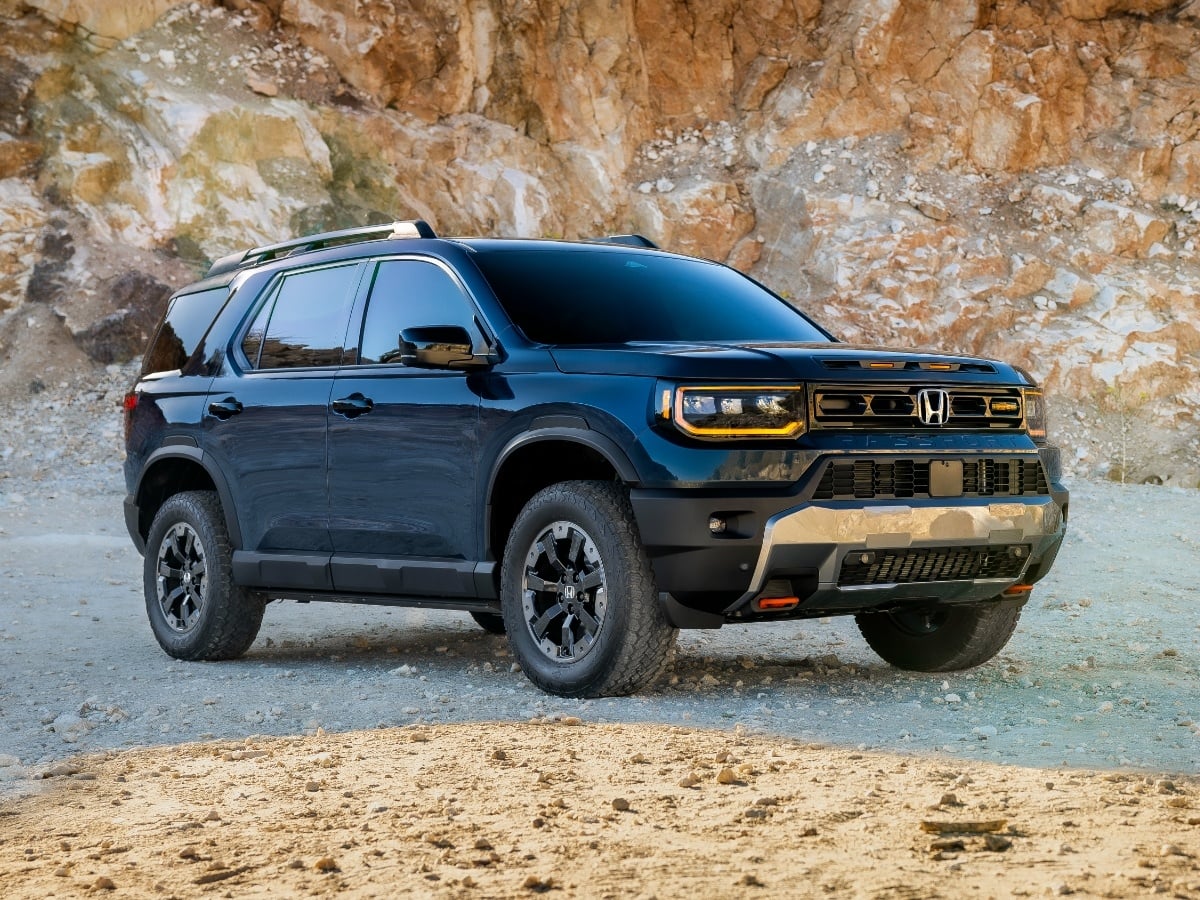
Updates to the 2027 Honda Passport TrailSport include a reworked suspension, improved steering, subtle styling enhancements, and added standard equipment.
Read the Full Article
The midsize 2027 Mercedes GLE remains available in original and spicy Coupe recipes, now with standard 4Matic all-wheel drive (AWD), MBUX Superscreen technology, and a panoramic glass sunroof for ...See More
Read the Full Article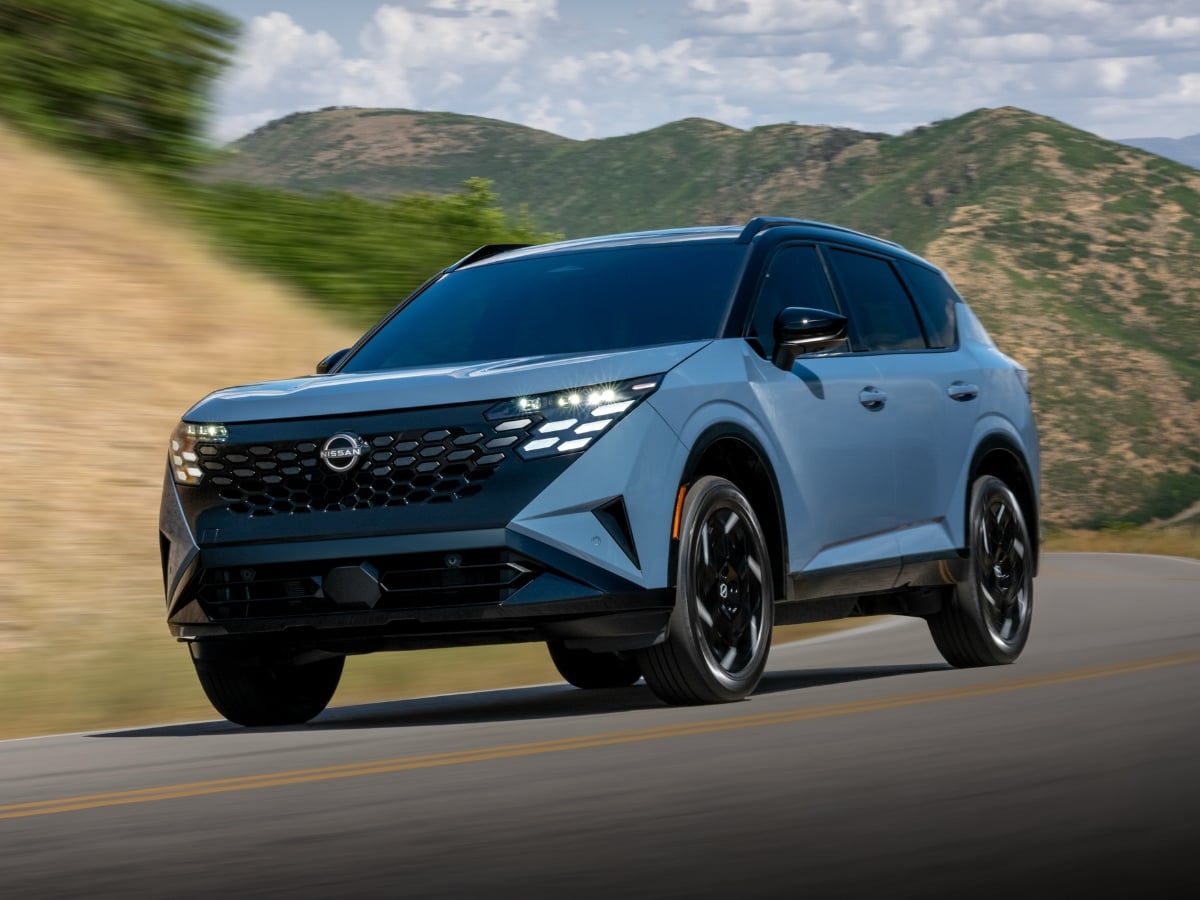
Nissan is about to introduce an innovative new SUV. The 2027 Nissan Rogue Hybrid has a gasoline engine, but it does not power the wheels. Instead, electric motors at each axle provide propulsion, ...See More
Read the Full Article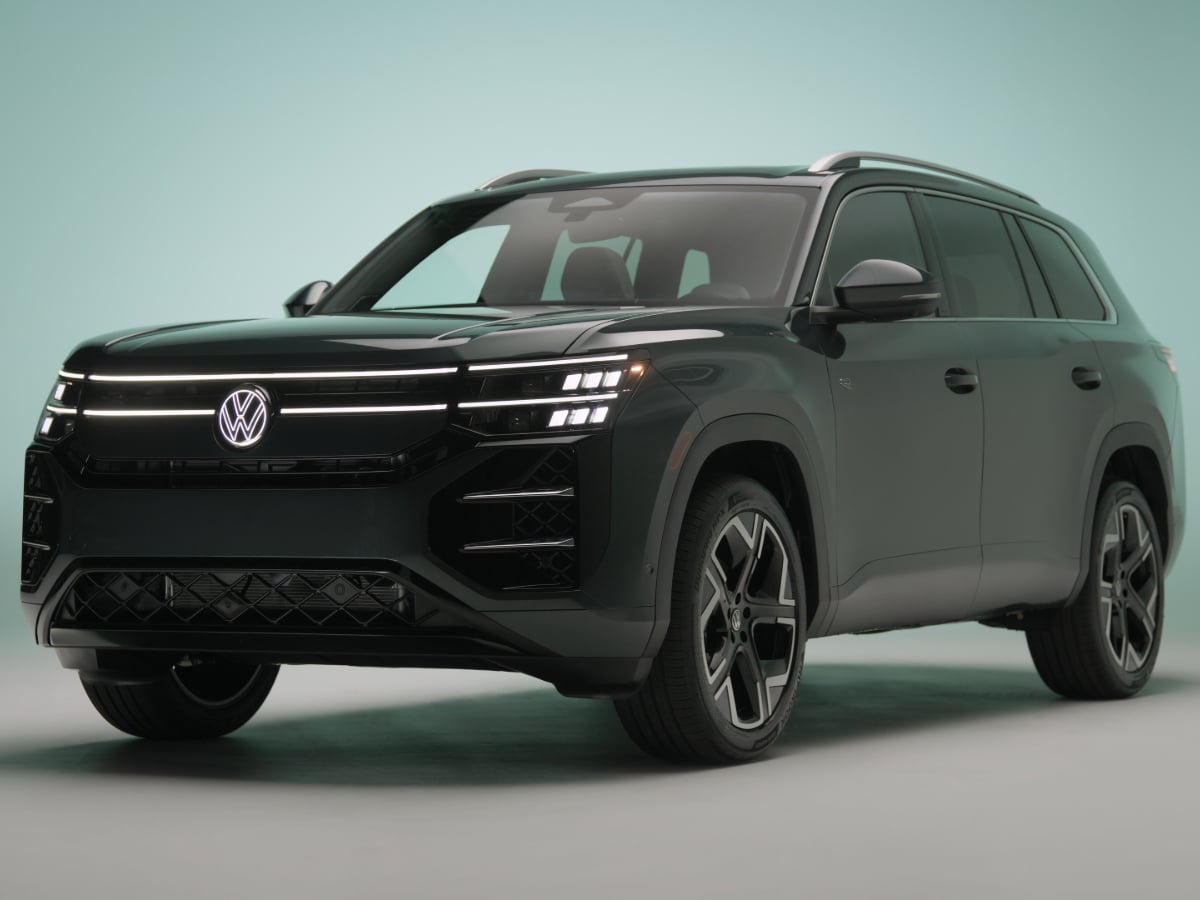
Adding European flair to the otherwise vanilla midsize three-row family SUV market, the redesigned 2027 Volkswagen Atlas debuts with a sharper exterior, an upgraded cabin, more power, and new ...See More
Read the Full Article