
A salvage car is one that an insurance company deems a total loss, usually due to an accident. Generally, a car is "totaled" when the repair or restoration costs exceed 75% of the vehicle's actual cash value. In that case, an insurance company will pay the owner the amount to replace the vehicle rather than the cost to repair it. The Department of Motor Vehicles (DMV) then issues a salvage title to the car, and it is no longer legal to drive on public roads.

Sustaining damage in a collision is not the only way a vehicle earns a salvage title. Several circumstances can make a car unroadworthy.
If a vehicle is stolen and is not recovered in a reasonable amount of time, an insurance company will declare it a total loss. After that point, if authorities find the vehicle, the DMV will issue it a salvage title, regardless of the vehicle's condition. However, in most states, a recovered vehicle can be re-titled and made street legal again after passing state inspections. But this can be a challenging and costly process depending on the condition of the car.
Natural disasters and weather-related calamities often cause damage that results in the issuance of a salvage title. Factors such as smoke, hail, earthquakes, floods, high winds, or virtually any act of Mother Nature can produce vehicle repair costs that exceed its cash value in the eyes of an insurance company.
Age and the overall condition of a vehicle can also make a vehicle unsuitable for driving on public roads. For example, excessive rust and corrosion from years of exposure to the elements may prevent the car from passing a state inspection and certification. If the repair work is too expensive and is not worth doing, the vehicle may have to be salvaged.
A salvage-titled car can be driven on public roads again if repairs allow it to pass DMV safety inspections to get a new title. But such repairs can be expensive, and there is no guarantee the vehicle will meet state inspection standards after they're complete.
And even with a new title, the salvage title remains on the vehicle history report for the remainder of the car's life. (This is why you should always obtain a vehicle history report for any used car you're considering buying.) Finding a buyer who is willing to overlook the negative perceptions associated with a previously salvaged vehicle may prove difficult. For the same reason, most dealers won't accept trade-in vehicles with a salvage title or one with this status at some point in the past.
Since salvage vehicles are also considered high safety risks due to structural or mechanical damage, acquiring insurance may prove challenging, as well. If an insurer is willing to underwrite such a vehicle, the rates may be unaffordably high.
If an owner wishes to keep their totaled vehicle in hopes of repairing it or selling it as a salvage vehicle, they will need to reach an agreement with their insurance provider. The insurer will still pay the claim, but it will reduce the settlement amount by the vehicle's estimated value on the salvage market.
Once the DMV issues a salvage title, the owner has a few options as to how to sell the vehicle:
But in all of these cases, if the owner can't earn more than the salvage value of the vehicle deducted from their initial insurance settlement, there's no point in taking the risk in the first place. It is better to let the insurance company keep the car when it is declared a total loss.
For those who have the means and know-how, selling parts may be the best way to make money on a salvage vehicle. Because specific components on certain models are difficult to find, they may hold good value on the used parts or aftermarket parts market. In a best-case scenario, the sum of the parts may be worth more than the whole vehicle. But selling off individual parts takes time and effort.
As a last resort, you can usually donate a salvage vehicle for a tax deduction. And many charities will tow it away for free.


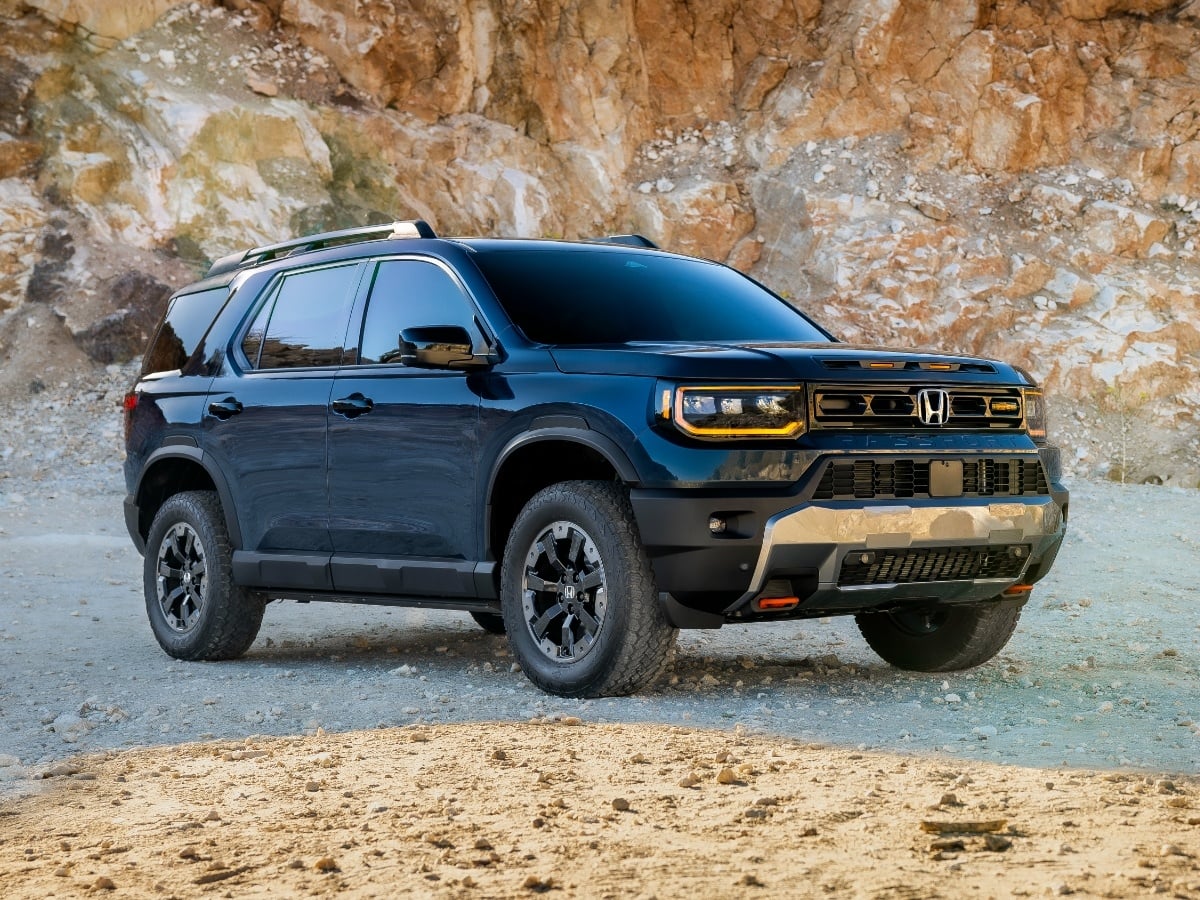
Updates to the 2027 Honda Passport TrailSport include a reworked suspension, improved steering, subtle styling enhancements, and added standard equipment.
Read the Full Article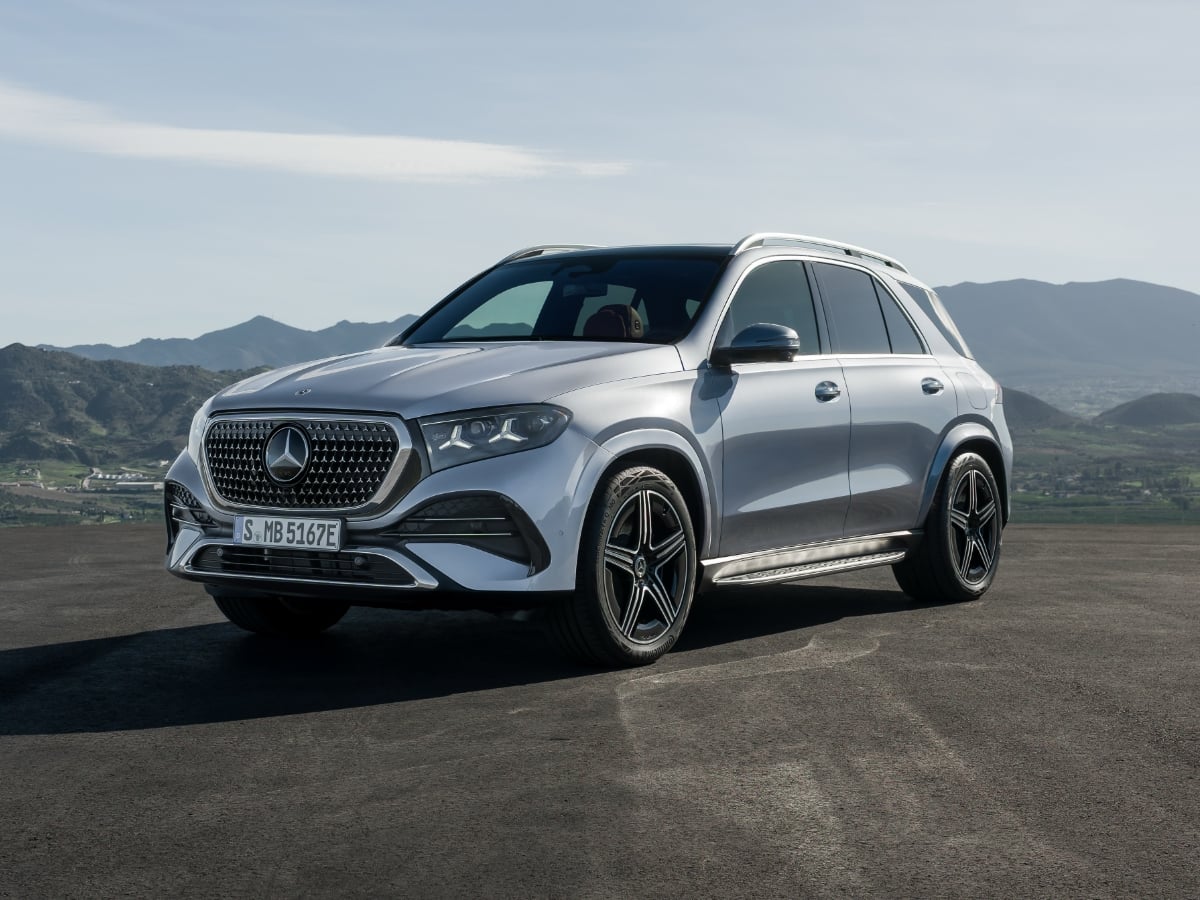
The midsize 2027 Mercedes GLE remains available in original and spicy Coupe recipes, now with standard 4Matic all-wheel drive (AWD), MBUX Superscreen technology, and a panoramic glass sunroof for ...See More
Read the Full Article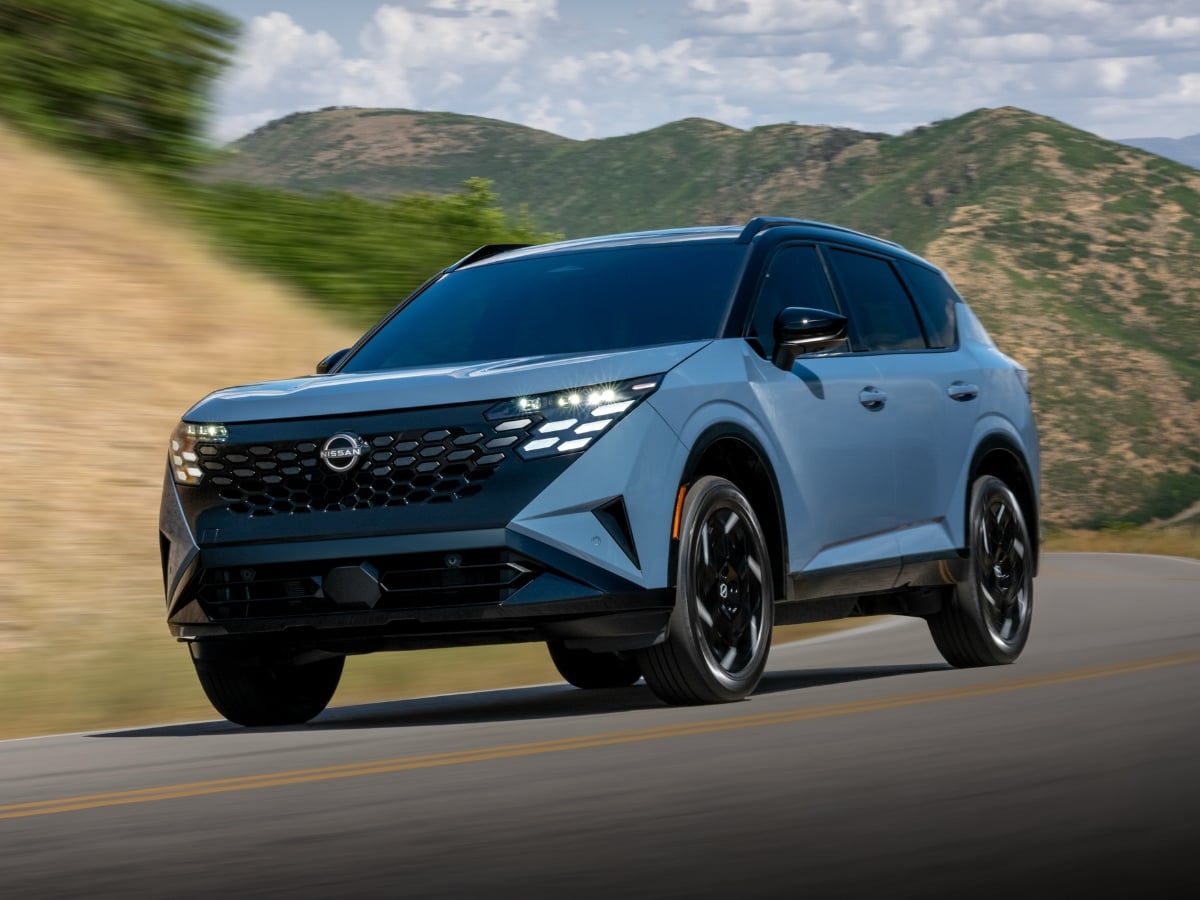
Nissan is about to introduce an innovative new SUV. The 2027 Nissan Rogue Hybrid has a gasoline engine, but it does not power the wheels. Instead, electric motors at each axle provide propulsion, ...See More
Read the Full Article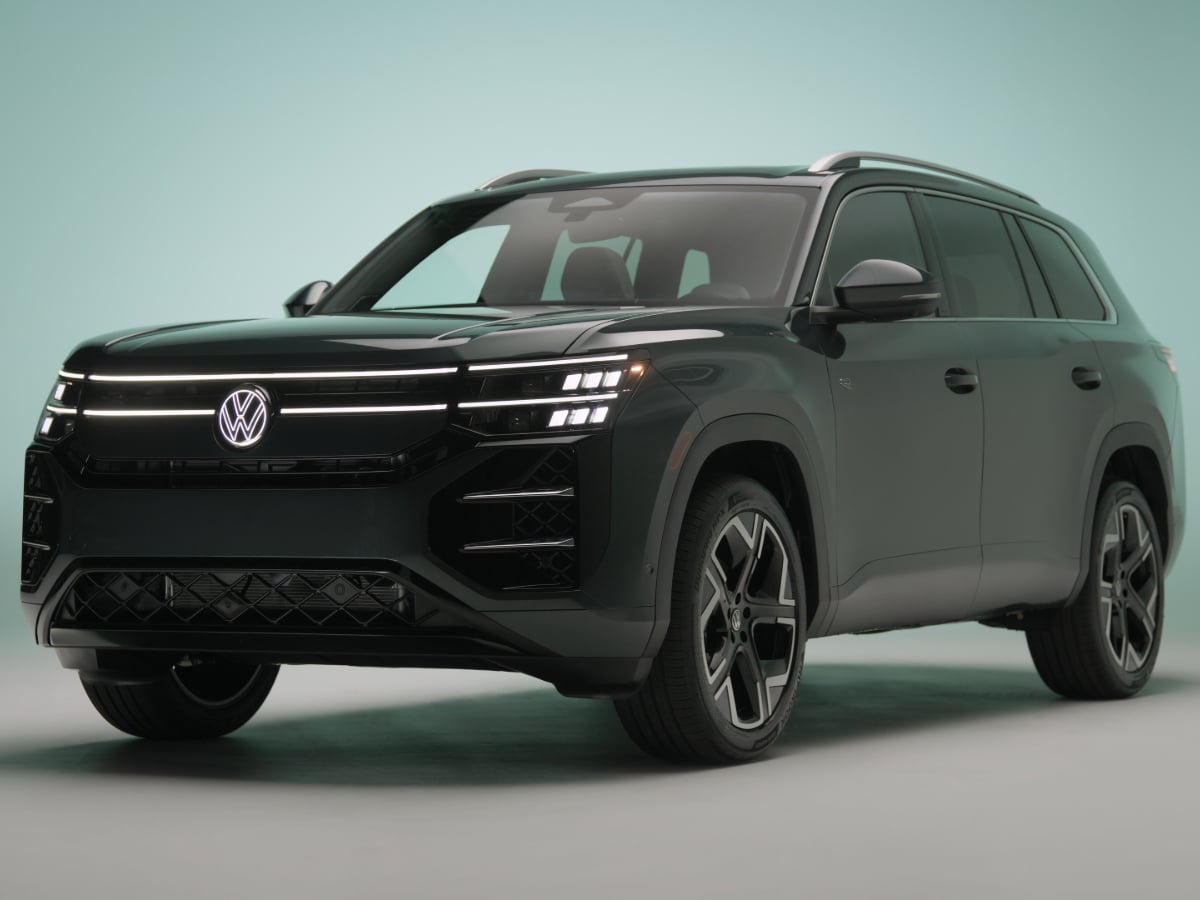
Adding European flair to the otherwise vanilla midsize three-row family SUV market, the redesigned 2027 Volkswagen Atlas debuts with a sharper exterior, an upgraded cabin, more power, and new ...See More
Read the Full Article