
You've decided that it's time to purchase an electric car. If you had made the same decision a decade ago, your next step would have been easy because only a handful of electric vehicles (EVs) were available then. But now, the EV choices have grown exponentially. Those considering an electric vehicle currently have more than 50 models from which to choose. In another year or so, that number will likely double. So, how do you choose the right electric car? Don't get out the dartboard or draw straws. Instead, use the process laid out below.
The first step in evaluating an electric vehicle is determining your needs. What do you require your car to do? Will you use it for commuting to work? For around-town chores like picking up kids at school and hauling home the groceries? Do you plan to use it to make lengthy road trips? Do you plan to tow anything behind your vehicle? How many people must your car be able to transport?
Answering these questions will help you determine what type of electric vehicle you should consider. The choices were slim when the current generation of EVs first came to market a dozen or so years ago. Most were small hatchbacks or sedans suitable for commuting and around-town duty but light on passenger space and the ability to tote a lot of gear. That has changed recently as several manufacturers have introduced battery-electric compact crossovers and full-size pickup trucks. Large pure-electric SUVs with room for seven occupants are among the latest entrants.
By answering the questions about your needs, you should be able to determine what type of EV you should consider. For instance, if you must transport seven because you will be using the vehicle for school carpool duty, you must consider 3-row SUVs. If you have a short commute and don't expect to make long road trips, a hatchback or sedan will suit your needs nicely.
You can accomplish the task of evaluating an electric car in two steps. First is considering each EV in the same way you would assess it if it were a conventionally powered car. You examine critical areas, including passenger capacity, cargo room, and interior accommodations. Does the vehicle have enough seats for everyone you want to transport? Does it have enough cargo room to support all those who might travel long distances in it? Are the interior accommodations well-designed, well-finished, and convenient to use? Is this a vehicle you'd feel comfortable spending hours and hours of your time in day after day?
In addition, you should investigate safety, driver assistance, and infotainment systems. Does the vehicle you are considering offer the number and type of electronic safety systems you want? Does it offer things like automatic emergency braking and blind-spot warning? Does it have any automated driving functions? On the information and entertainment front, does the vehicle offer a large display screen, an intuitive interface, and compatibility with your smartphone?
Try using the infotainment system to determine if it is something you'd like to interact with day after day or if it would drive you crazy. Most of us want to be perpetually connected these days. Does the vehicle in question offer the level of connectivity you—and, just as importantly, your passengers—require?
Of course, a vehicle is a dynamic object, so you must be sure it will offer you the appropriate acceleration, braking, handling, and comfort that match your expectations. Most EVs on the market today provide excellent acceleration. But it is equally important that they deliver the steering feel, handling precision, and ride quality you require. Take the vehicle on a thorough test drive over the types of roads you will be traveling to make sure it delivers the driving experience you want.
Most of us have a good idea of what a conventional vehicle offers. Its range on a tankful of gas and refueling time are largely givens. Not so with electric vehicles. So, to properly evaluate an electric car, you need to go beyond the critical areas we mentioned above to the EV-specific items like battery type and capacity, range on a full charge, and recharge time. Battery capacity and range are closely related, and range on a charge is the more important of the two. If you plan to use your new EV for commuting and you can charge it at home and/or work, you don't need to purchase an EV with a range of 200-300 miles and pay the premium that entails. Rather, a vehicle with a range of 150 miles on a charge might be sufficient. If, on the other hand, you plan road trips or towing a boat or trailer, you'll need as much range as you can get. Or at least as much as you can afford.
While much of the media concentrates on range, recharge time is another critical factor. Some EVs take much longer to go from a 10-percent charge to 80 percent than others. If you plan to take road trips or frequently use public chargers, the time saved by purchasing a vehicle that can take on a charge more quickly could make a big difference to you.
Similarly, the availability of chargers could be an important issue. One vehicle manufacturer maintains its own proprietary charging network. Recently, several manufacturers have banded together to create a charging network of their own. Other EVs offer relationships with various third-party charging companies. For those planning to use public charging frequently, this aspect of EV ownership requires measured consideration.
Cars are complicated products. They require more work to design, engineer, develop, and manufacture. As you evaluate an electric vehicle, assessing the company that builds it is crucial. Does the manufacturer have a record of producing high-quality, reliable vehicles? If it is a startup with little or no track record, does it offer lengthy and comprehensive warranty coverage? Does it back up that coverage with perks like free scheduled maintenance and roadside assistance?
Finally, how does the electric car you are considering compare to competitive vehicles? Does it outdo them in every aspect we've described? Or does it fall short of competitive vehicles? And how does the vehicle's price compare to others in its segment? Does it seem like a bargain? Or does its price seem out of line with its closest competitors?
Evaluating any motor vehicle is a difficult task. Evaluating an electric car is even more challenging because, to many of us, the technology is unknown territory. By using the process outlined above, you can determine the electric vehicle that is most suitable for you. And that should get your EV ownership off to a good start.
Jack R. Nerad has reviewed cars, trucks, vans, and sport utilities for over three decades. He also managed the editorial efforts of Motor Trend magazine, JD Power, and Kelley Blue Book. Jack is currently the host of the SportsMap Radio Network program America on the Road, available on Apple Podcasts, iHeart Radio, Spotify, Stitcher, and other outlets.


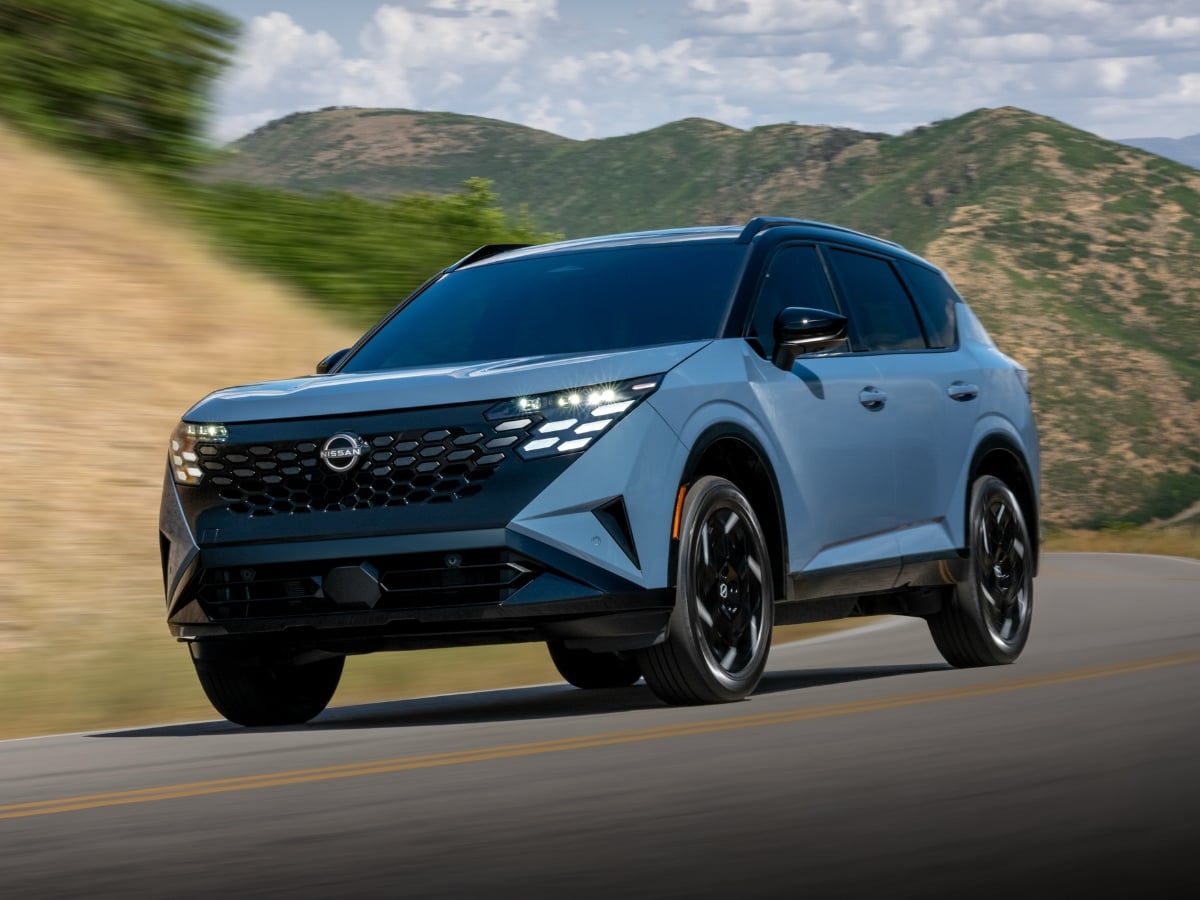
Nissan is about to introduce an innovative new SUV. The 2027 Nissan Rogue Hybrid has a gasoline engine, but it does not power the wheels. Instead, electric motors at each axle provide propulsion, ...See More
Read the Full Article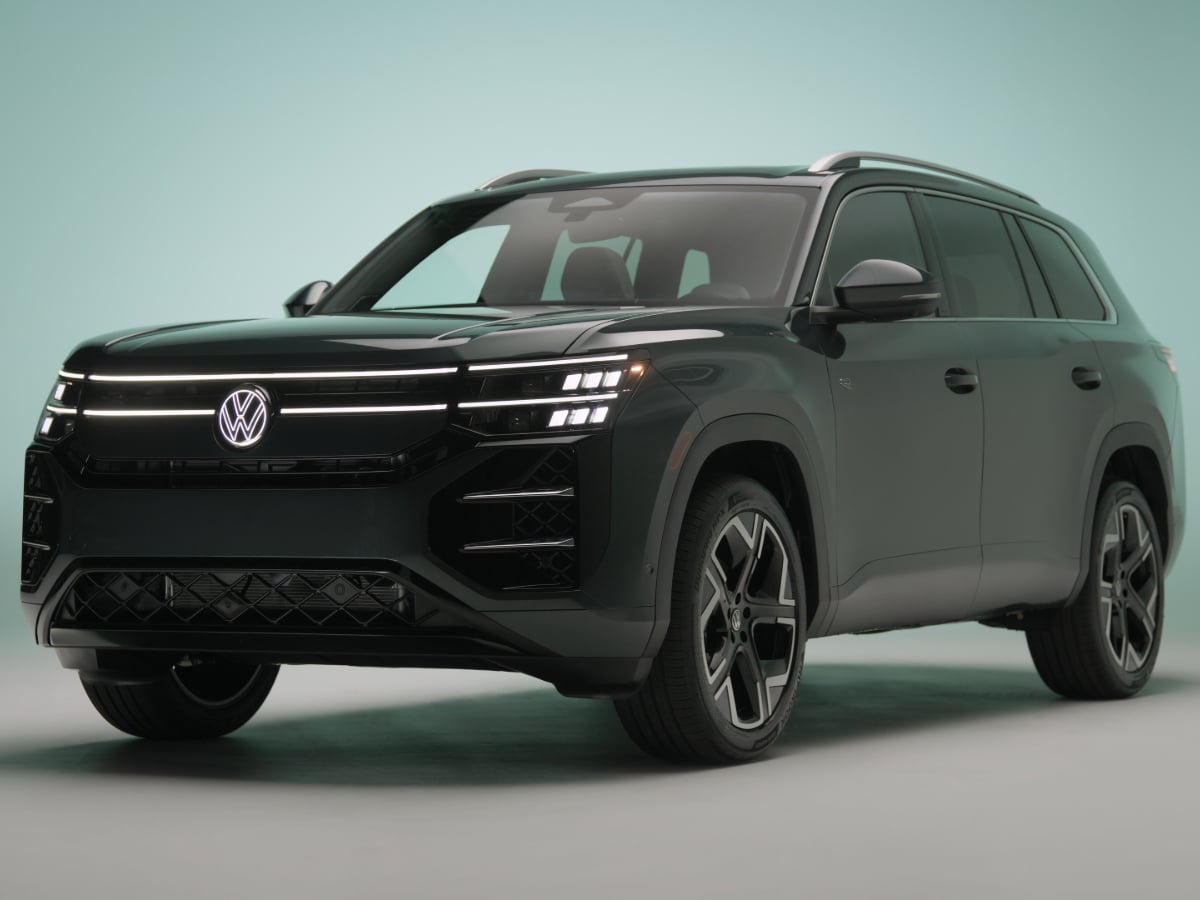
Adding European flair to the otherwise vanilla midsize three-row family SUV market, the redesigned 2027 Volkswagen Atlas debuts with a sharper exterior, an upgraded cabin, more power, and new ...See More
Read the Full Article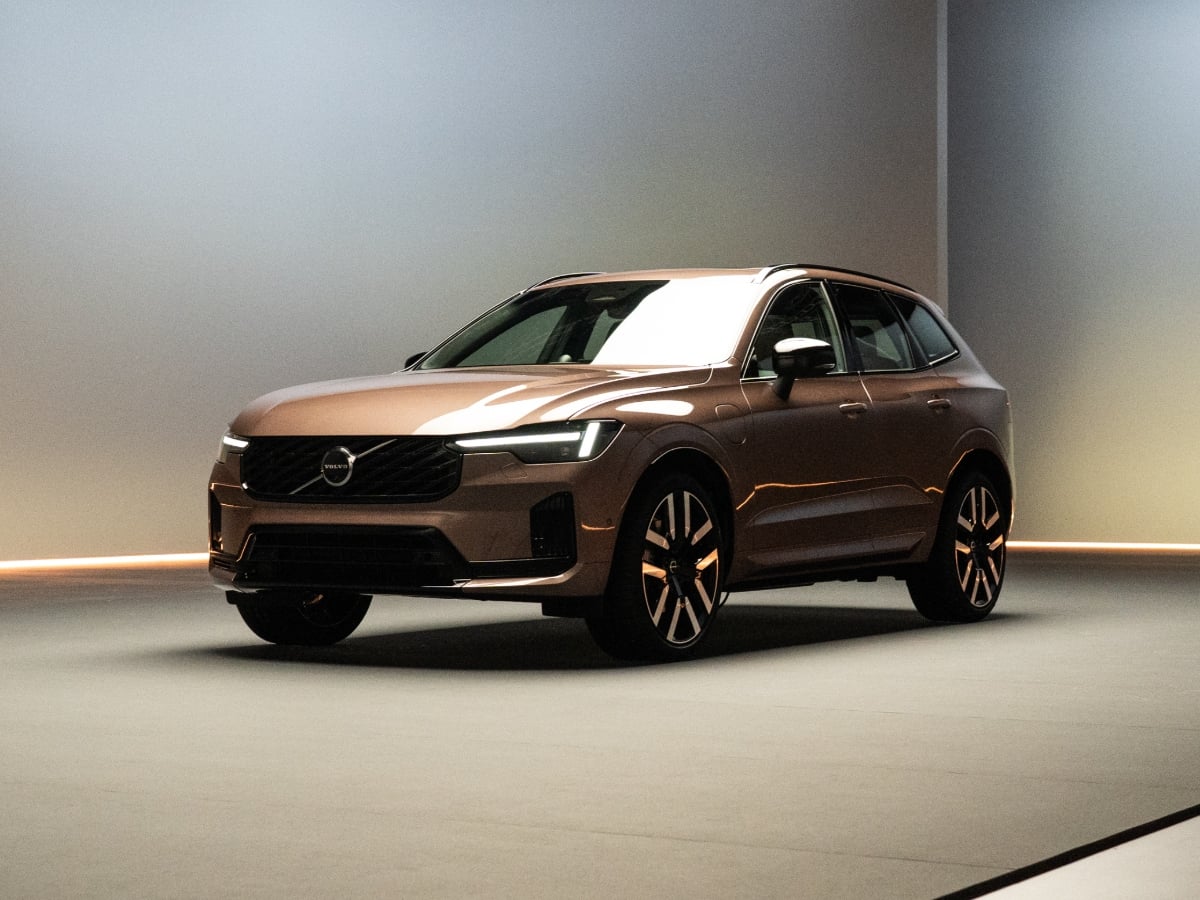
Though the styling stays largely the same, a massive boost in electric range for the plug-in hybrid (PHEV), plus a refined design, helps the 2028 Volvo XC60 stay current and desirable.
Read the Full Article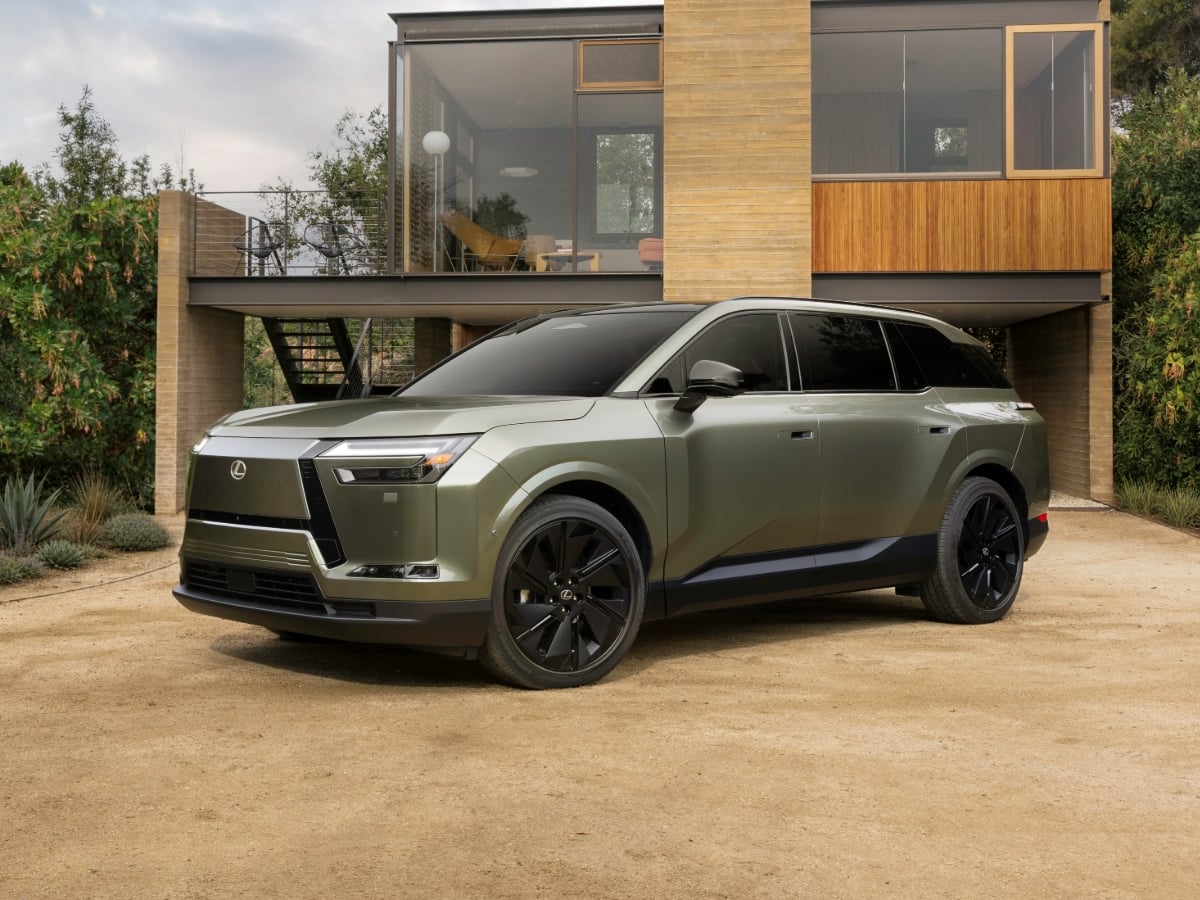
With the 2027 Lexus TZ, Toyota Motor’s luxury division introduces its first three-row all-electric SUV, featuring a lounge-inspired interior, an enhanced all-wheel drive (AWD) system, and up to 300 ...See More
Read the Full Article