
Replacing a tire can be daunting, especially if you have an All-Wheel Drive (AWD). This is because you often have to replace all the tires in one go. It might not make sense to get rid of three perfectly functional tires just because the fourth needs replacing. However, understanding the underlying wheel dynamics will let you see why this is a good idea.
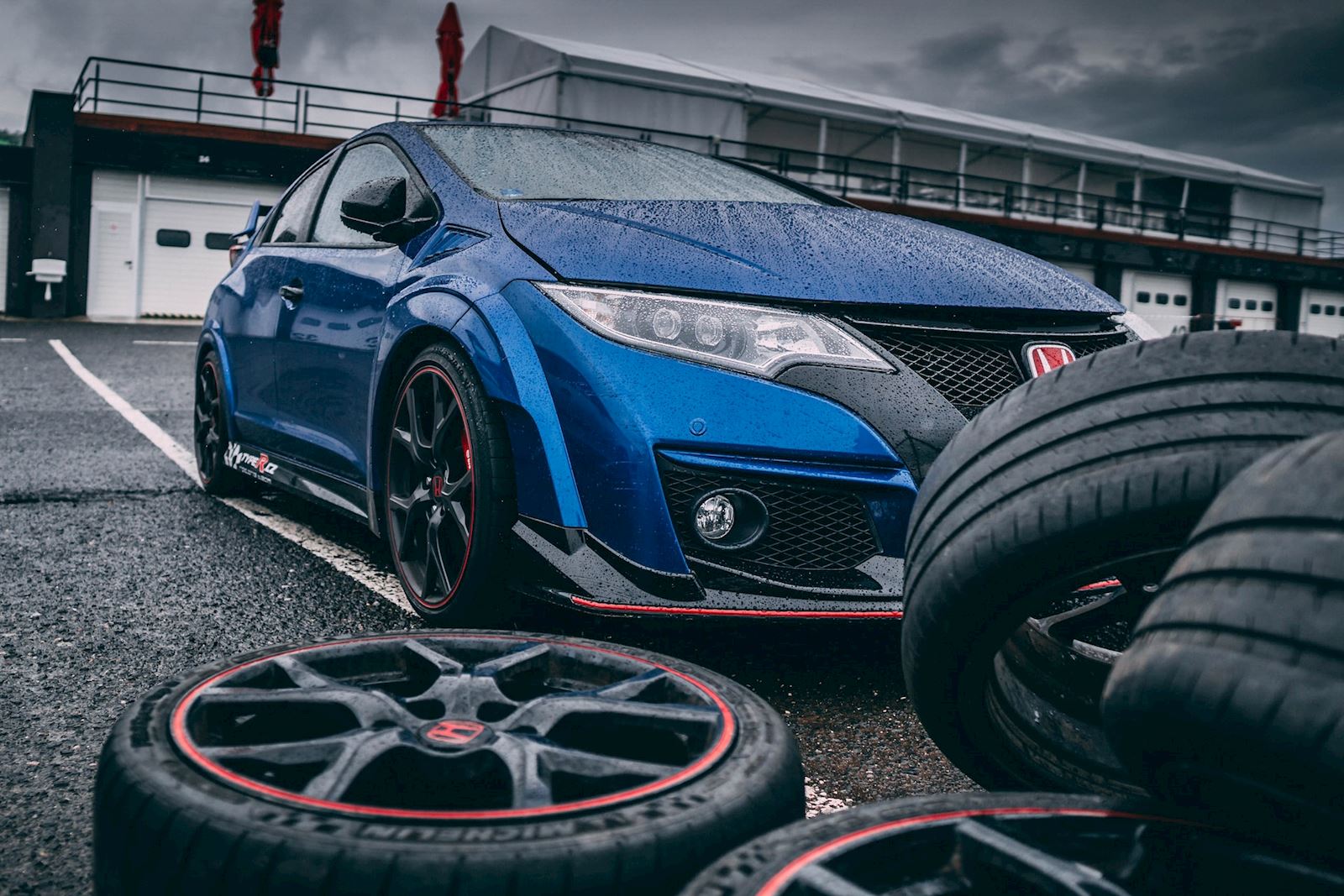
Various manufacturers and car experts have established that a vehicle should have four matching tires. The type, the model, and even the amount of wear and tear should be the same. When all four tires are the same, it ensures that cornering, braking, and acceleration are balanced and predictable. However, if any of these factors differ between two wheels, this difference will compromise the traction characteristics and the performance.
In today’s article, we’ll discuss when to change your tires and things to keep in mind if you just have to replace one or two tires instead of all four.
There are various reasons behind changing or replacing a tire, and one of the first things to consider is tire tread depth. The tread on new tires ranges from 10/32 of an inch to 12/32 of an inch. Changing the tire tread when it goes below 4/32 of an inch is necessary because ignoring it might cause fatal accidents. Lower tread depths are deadly on wet roads because the vehicles run a higher risk of skids and accidents. Lower treads prevent the car from braking instantly and add a lag time to the car’s response.
The front tires carry the engine's weight and tend to wear out much faster than the rear tires. They also take the total weight of the car when it's steered in different directions, adding additional friction and wear and tear.
Getting your tires rotated regularly is important to prevent faster wear and tear of just the front tires. Rotation will ensure that all the tires wear down simultaneously, and you won’t have to worry about changing completely functional tires.
Yet another reason to change your tires could be a tire pressure leak. The Tire Pressure Monitoring System or TPMS Sensors inform you about low tire pressure. However, don’t rely on TPMS to send you an alert to change the tires. Inspect all tires manually before every trip.
The most common reason to change the tire after the wear and tear caused to the tires while driving is aging. Tires age, just like any other car component. The deteriorating quality can become a safety hazard.
Now, let's take a look at the factors to consider before changing just one tire.
Sometimes you can change just one tire or two tires instead of all four. Here are the factors to consider before doing that.
Once you have decided to change just one tire, it is time to pick out its placement. Depending on the situation and tread on the tires, in most cases, it is advisable to put the new tires on the rear axle. It will prevent oversteering, spinning out and vehicle instability. If you have a routine check-up for your car, ensure that tire tread and tire management is part of that routine. Keep in mind to regularly rotate your tires, check air pressure and repair flat tires.



The 2027 Civic Type R goes on sale in October 2026, and it starts at $49,990, including the $1,295 destination charge.
Read the Full Article
Part of BMW’s Neue Klasse (new class) rollout of redesigned models, the 2027 BMW 3 Series is all-new and goes on sale in the first quarter of 2027.
Read the Full Article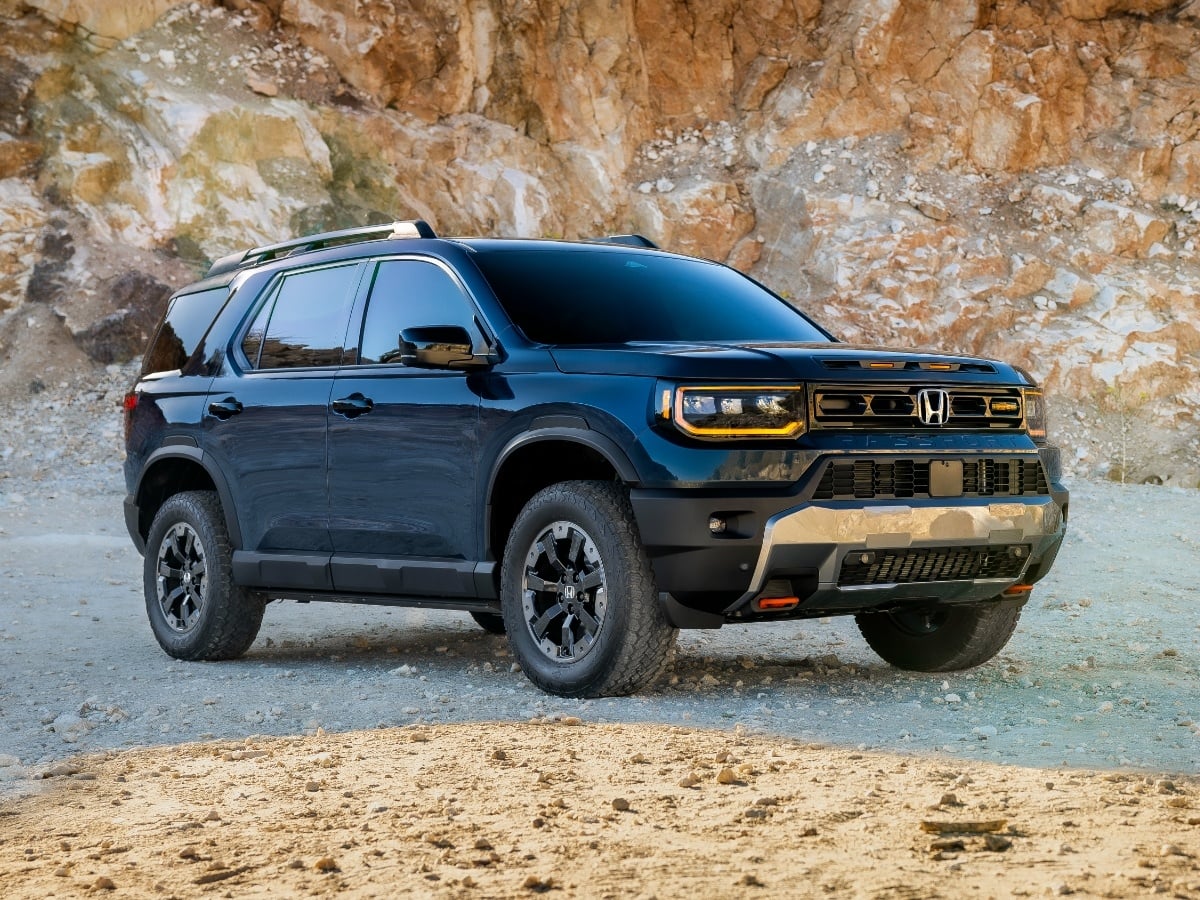
Updates to the 2027 Honda Passport TrailSport include a reworked suspension, improved steering, subtle styling enhancements, and added standard equipment.
Read the Full Article
The midsize 2027 Mercedes GLE remains available in original and spicy Coupe recipes, now with standard 4Matic all-wheel drive (AWD), MBUX Superscreen technology, and a panoramic glass sunroof for ...See More
Read the Full Article