
Getting new tires installed takes about 40 minutes for all four tires. That is 10 minutes for each tire. This time is, however, highly impacted by the experience of the person installing the tires and the tools available. With the right tools and experience, the time for installing new tires can be reduced to 30 minutes or less.
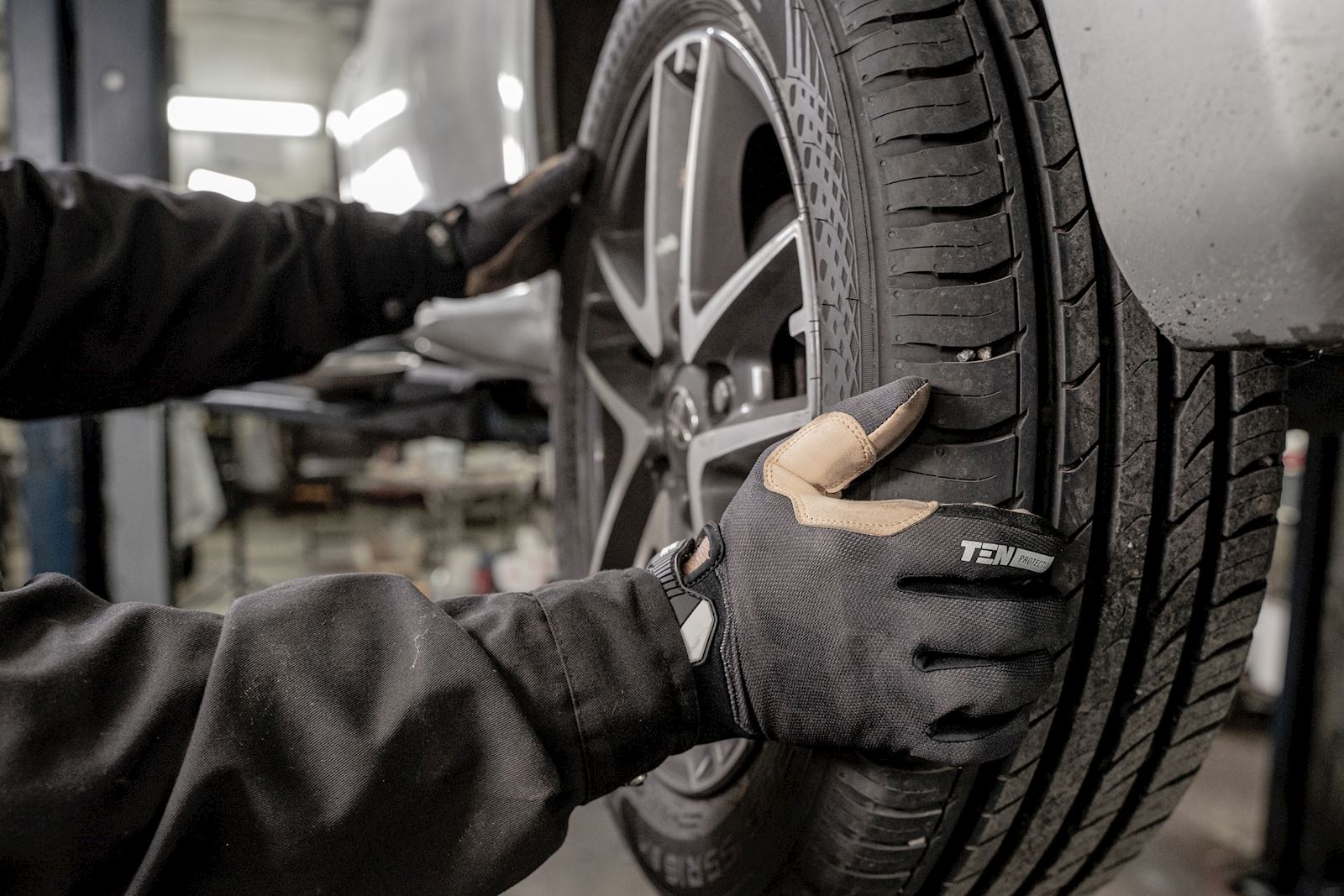
Having your wheel alignment and balancing checked when you replace all four tires is vital, which adds up to the time. So expect to spend at least 1 hour on the tire installation, wheel balancing, and alignment. It is also necessary to have a professional perform these services for you as they will be the most efficient.
That said, taking some time to know how to replace your tires may be handy. That’s because some situations may require you to replace your tires, like having a flat tire in the middle of a journey. It is also worth knowing how long your new tires will last and when you should have your tires replaced.
You should change your tires every 50,000 miles or every 6 years. But depending on your driving habits, environmental conditions, and maintenance, you may need to replace your tires earlier. Here are signs that show that your tires are due for replacement.
Softer and high-performance tires wear out more quickly than standard all-season tires. That is because they are resistant to rolling and have more traction due to the increased friction between the tires and the road surface.
Every tire has a treadwear rating that shows how long it will last. The higher the rating, the longer your tires will last. All tires in the U.S. are rated except for winter tires, spare tires, non-passenger car tires, trailer tires, bicycle tires, and some large truck tires.
The wheels that receive the power to drive the car wear out quickly. Apart from the drivetrain, the front wheels get the most friction required for braking and turning. Hence they tend to wear out more quickly than the rear wheels.
Unpaved roads, gravels, hill climbs, and other similar terrains cause your tires to wear out quickly because they need to work harder to get traction. For instance, the tires work harder to prevent rolling or skidding during a hill climb or descent.
If you make hard acceleration and braking or take sharp corners aggressively, your tires will live a shorter lifespan than when you make smooth and gradual accelerations and stops. Other driving habits like drifting and burnout also cause significant wear on your tires.
Good tire maintenance and driving habits are necessary to get the most out of your tires. Here are a few tips you can follow to extend the life of your tires:
Ensure your tires are always inflated to the correct pressure. When your tires are underinflated, it increases the friction between them and the road surface, leading to tread separation and blowouts. On the other hand, overinflated tires cause the sidewalls of the tires to become harder, reducing traction and causing uneven wear on your tires.
Have your tires rotated regularly or by the recommended maintenance schedule. It ensures that wear is spread evenly across all four tires. Also, have your wheel balancing and alignment checked during tire rotations.
Regularly inspect the tread of your tires to see how much of it you have left. You can do this by performing the penny test. Stick a penny head-first into your tire tread. Your tires are still usable if you see some of Lincoln’s head. However, if you can see Lincoln’s entire head, you probably need a new set of tires.
Being easy on the throttle and brakes will eliminate uneven wear and extend the service life of your tires. Making smooth and gradual acceleration, slowing down before taking corners, and refraining from aggressive driving puts less strain on your tires.
How long it takes to get new tires installed depends on the tools available and the technician's expertise. On average, it will take up to 1 hour to complete the installation, wheel balancing, and alignment. To get the most out of your new tires, have a good maintenance schedule and maintain proper driving habits.


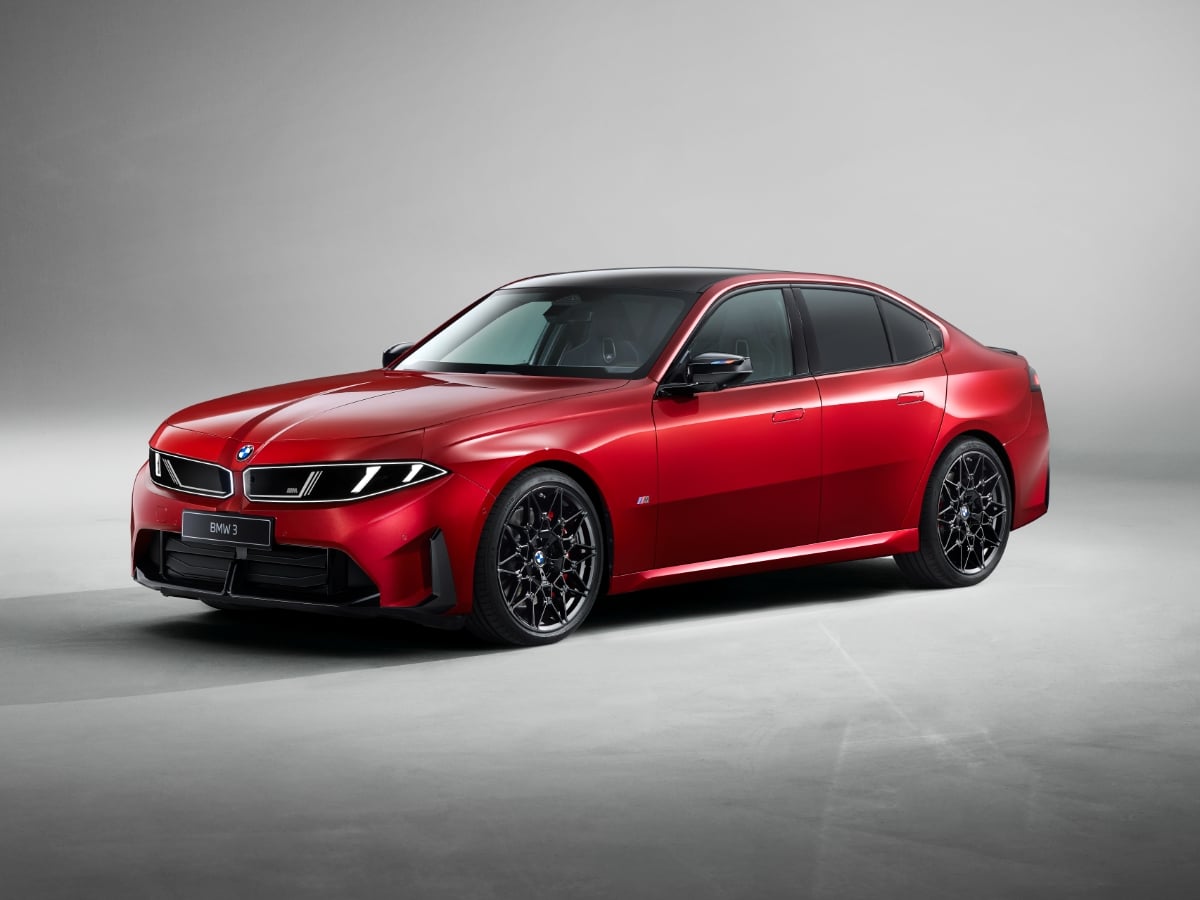
Part of BMW’s Neue Klasse (new class) rollout of redesigned models, the 2027 BMW 3 Series is all-new and goes on sale in the first quarter of 2027.
Read the Full Article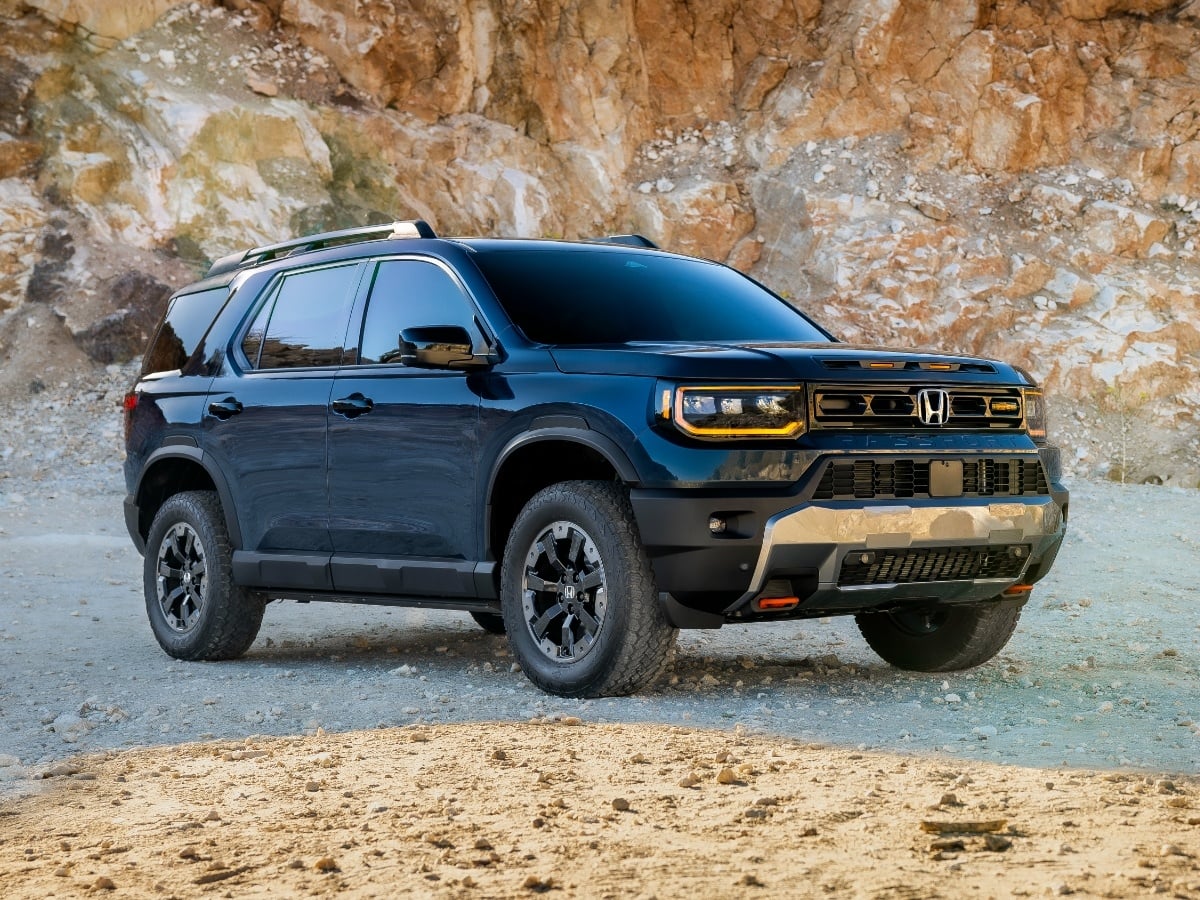
Updates to the 2027 Honda Passport TrailSport include a reworked suspension, improved steering, subtle styling enhancements, and added standard equipment.
Read the Full Article
The midsize 2027 Mercedes GLE remains available in original and spicy Coupe recipes, now with standard 4Matic all-wheel drive (AWD), MBUX Superscreen technology, and a panoramic glass sunroof for ...See More
Read the Full Article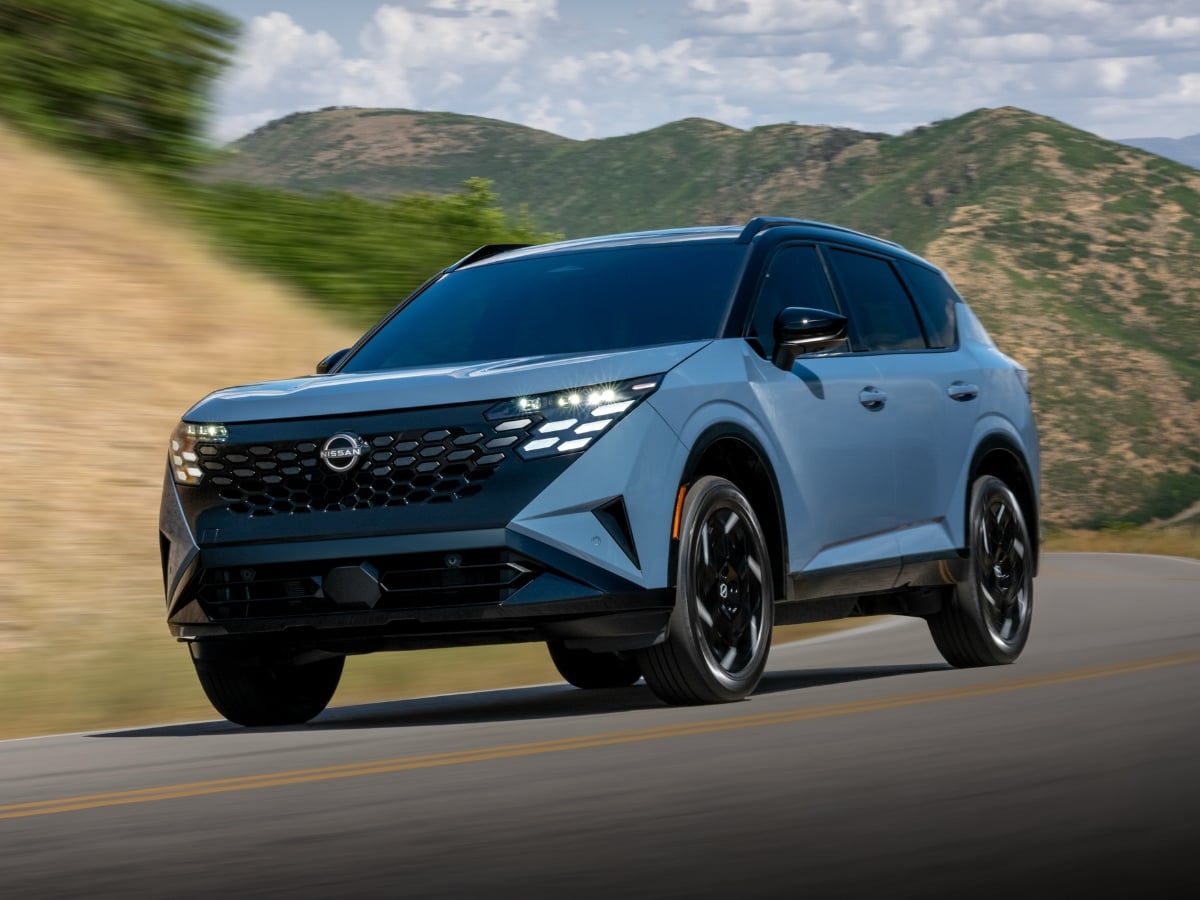
Nissan is about to introduce an innovative new SUV. The 2027 Nissan Rogue Hybrid has a gasoline engine, but it does not power the wheels. Instead, electric motors at each axle provide propulsion, ...See More
Read the Full Article