
Today, car manufacturers cater to all types of customers and their mobility needs. The average consumer is spoilt for choice as far as vehicles are concerned. It’s not uncommon for families to own more than one car, where both primary members have a main vehicle and a secondary one, like an off-roader for weekends and holidays.

To accommodate all the vehicles, it makes sense to meticulously plan the garage so that it may act as storage space and, perhaps, a place to keep in touch with your woodworking hobby. In any case, let’s get into the topic and see how large a 3-car garage can get and what goes into building it.
Knowing the space requirements for a car garage that can hold more than one car is vital for several reasons:
The size of a 3-car garage will vary depending on the dimensions of the cars and the layout of the garage. A typical single-car garage is around 10-12 feet wide by 20-24 feet deep, so a 3-car garage would need to be significantly larger.
A rough estimate for a 3-car garage would be around 36 feet wide and 24-36 feet deep; however, it could be larger or smaller depending on the specific design and layout. When it comes to square footage, it should be around 864-1296 square feet.
Most homes in US suburban areas come with a standard 2-car garage. So if you plan to move into such a house, you’ll need to redesign it to fit three cars, and some advice will help.
When designing a garage that can hold more than one car, there are a few things that you should consider:
Proper planning of a 3-car garage will not only ensure that it will serve its purpose of safely holding your cars but also be cost-efficient and add to the aesthetic value of your house. On average, a 3-car garage can be from 36 x 24 feet or 36 x 36 feet, but the actual area depends on factors like layout and type of cars parked there. A well-designed multi-car garage should be accessible and planned correctly to avoid accidents and have enough space for future projects you might devise.


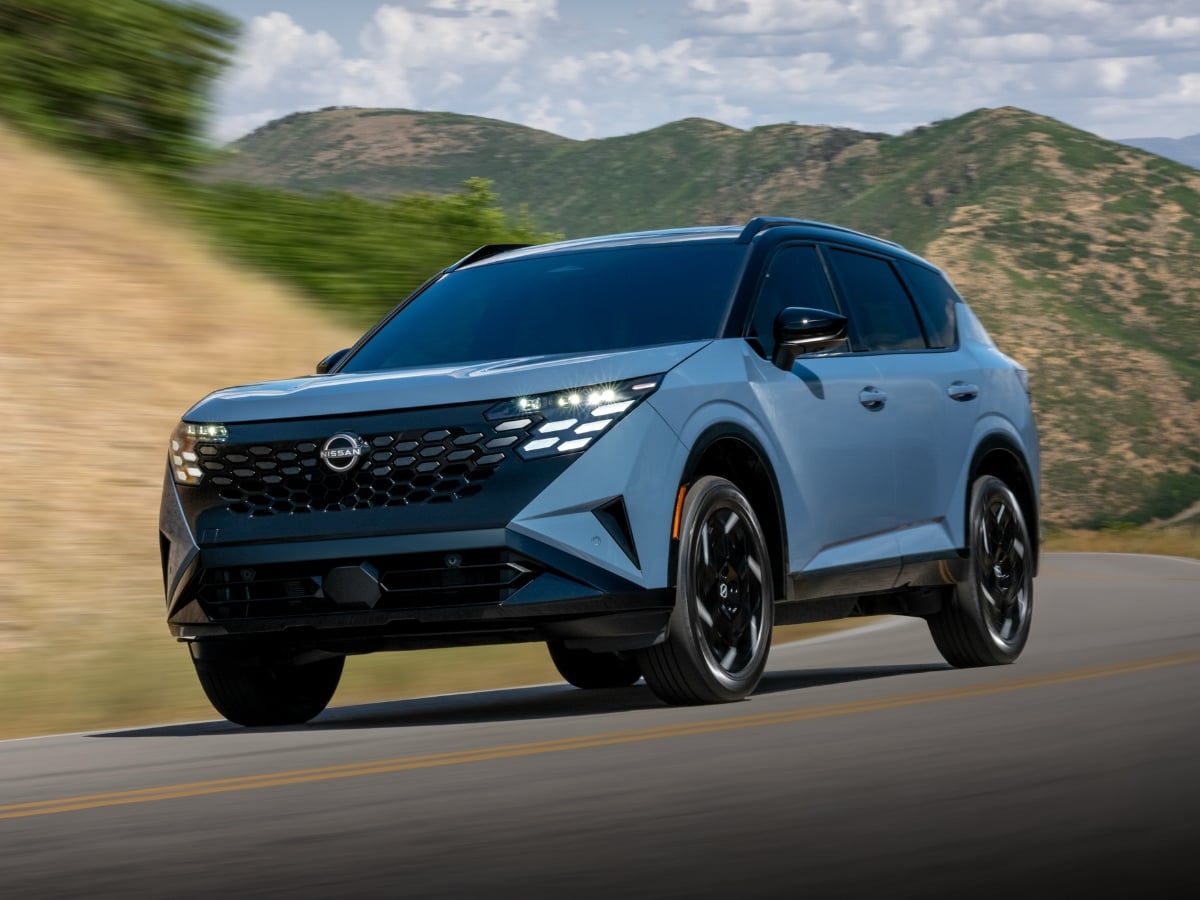
Nissan is about to introduce an innovative new SUV. The 2027 Nissan Rogue Hybrid has a gasoline engine, but it does not power the wheels. Instead, electric motors at each axle provide propulsion, ...See More
Read the Full Article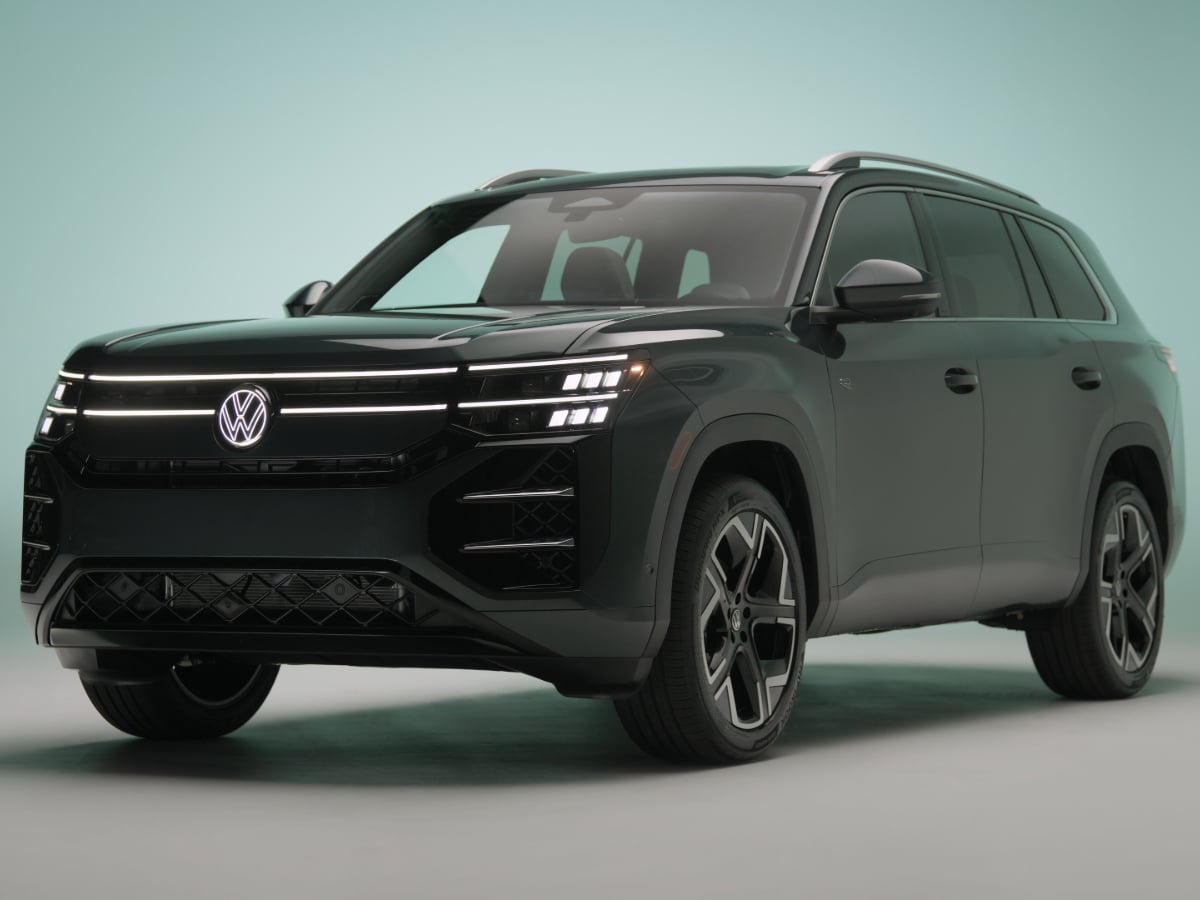
Adding European flair to the otherwise vanilla midsize three-row family SUV market, the redesigned 2027 Volkswagen Atlas debuts with a sharper exterior, an upgraded cabin, more power, and new ...See More
Read the Full Article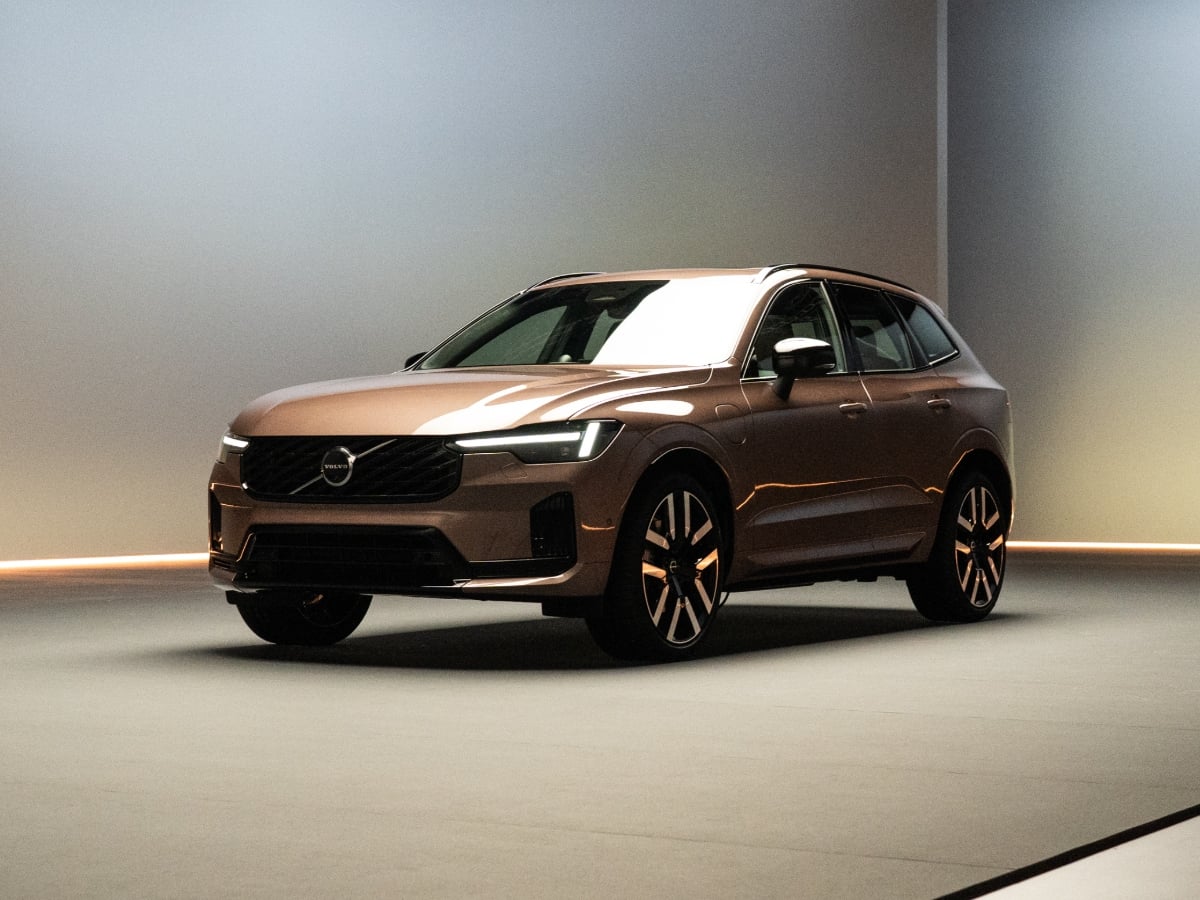
Though the styling stays largely the same, a massive boost in electric range for the plug-in hybrid (PHEV), plus a refined design, helps the 2028 Volvo XC60 stay current and desirable.
Read the Full Article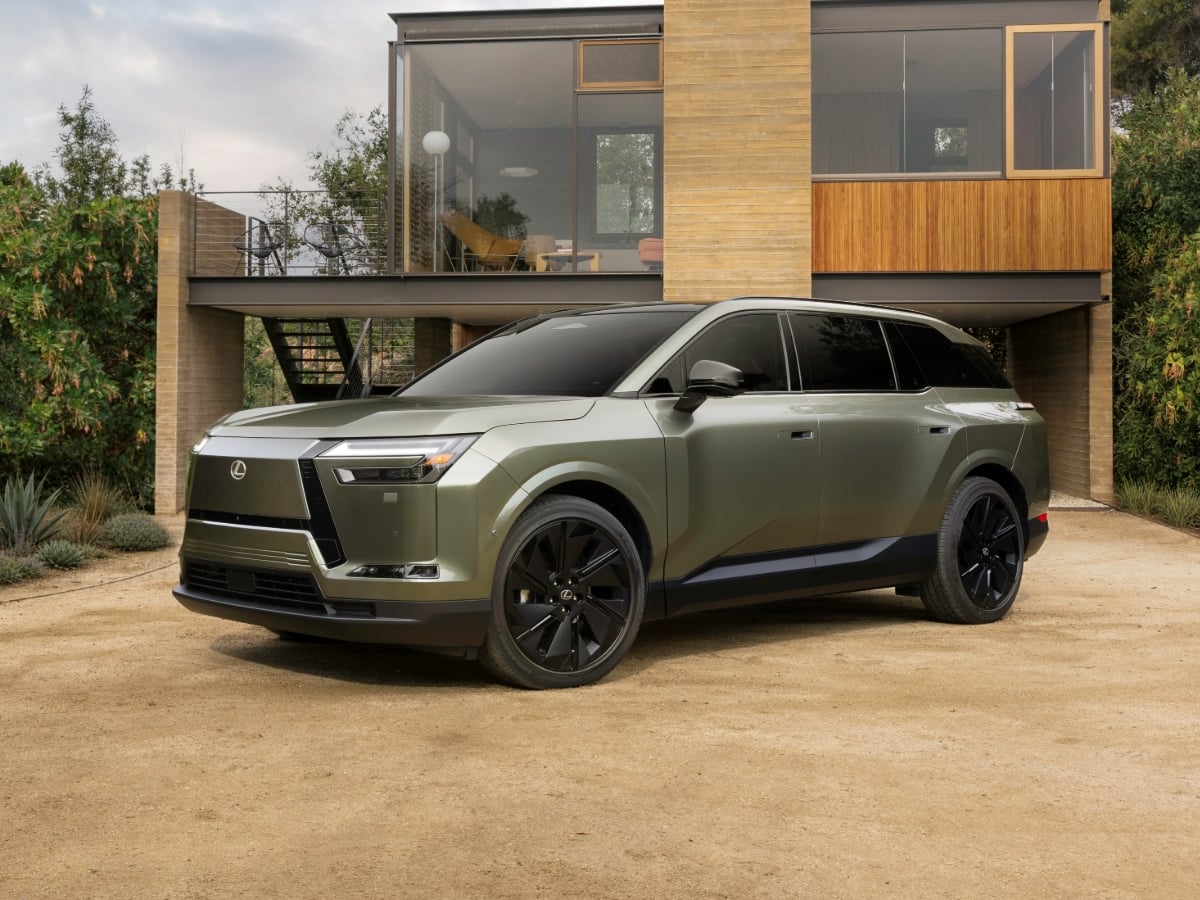
With the 2027 Lexus TZ, Toyota Motor’s luxury division introduces its first three-row all-electric SUV, featuring a lounge-inspired interior, an enhanced all-wheel drive (AWD) system, and up to 300 ...See More
Read the Full Article