
The first EVs to hit the market were either smaller cars, sportier cars, or crossovers. As electric propulsion has expanded to other segments, new limits of EV capability are tested. There are now several EVs on the market with towing capacities on par with their internal combustion engine (ICE) counterparts. But how is their driving range impacted by towing?

EVs possess attributes that make them desirable vehicles for towing. First, they typically deliver substantially more torque than gas models which aids acceleration and is especially important given the increased weight of hauling a trailer. Second, the weight of the battery underneath the vehicle also grounds the EV with superior handling capabilities which is paramount considering the stability required to tow.
Furthermore, there is an increasing number of EVs with robust towing capacity. Currently, there are EV SUVs with towing capacities of 10,000 pounds and EV trucks with towing capacities of 12,000 pounds.
Considering that rooftop cargo boxes can negatively impact fuel economy, it’s not surprising that towing a load behind a vehicle will also reduce fuel economy. In fact, EPA miles per gallon (MPG) figures are calculated assuming only 300 pounds are carried in the vehicle including people and cargo. Aggressive driving, speeding, heavy cargo, inclines, and using 4-wheel drive will all reduce a vehicle’s fuel range. Thus, numerous factors – including towing – can impact range regardless of whether the vehicle is powered by gas or electricity.
One of the concerns people have with EVs is that their range is typically less than ICE vehicles. Thus, if an EV starts with a lower range to begin with, and then is used in a manner that reduces its range further such as towing, it will have a much more noticeable impact. Further detracting from the equation are fewer charging stations than gas stations. Additionally, the available charging stations are typically not designed for vehicles towing a trailer.
Rivian is one of the few brands that provides an estimated range impact from towing. The company claims that owners should expect the range to drop by 50% in its R1T truck when towing the maximum capacity of 11,000 pounds. Assuming the R1T Adventure Quad-Motor Large Pack has an estimated range of 328 miles, then the range would be reduced to 164 miles. Now, if the driver wanted to stay within the recommended protocol of not letting the EV drop below 20% charge, then the range would be closer to 100 miles.
To learn about its real-world towing range, a test was conducted on another American EV truck, the Ford F-150 Lightning. First, a baseline was performed following similar variables but without a trailer where the vehicle achieved 255 miles of range. Then, the vehicle was tested pulling three different trailer weights behind a Platinum trim-level Lightning at an average speed of 64-67 mph.
The tests yielded a significant drop in range. When pulling a 3,100-pound trailer the range was 115 miles, for a 5,300-pound trailer the range was reduced further to 100 miles, and when carrying a 7,200-pound trailer the range dropped to 90 miles.
Crossovers are also worthy vehicles for towing and the popular Tesla Model Y Long Range was also tested for its real-world towing range. The test reported the vehicle’s range to have dropped from 229 miles without a trailer, to 99 miles when pulling a 2,250-pound trailer. The test was undertaken while driving the vehicle at 70 mph until 5% of the charge remained.
Although both tests showed the Tesla and the F-150 Lightning to demonstrate significant drops in electric range, they were commended for their towing ability and remain suitable for shorter towing journeys.
Not all types of towing are the same. For instance, many families only tow their boats in and out of the ocean or lake once or twice a year. If the boat is stored and serviced locally, the amount of range required to accomplish this task each year won’t be considerable.
However, others will give considerable thought to range, especially if they plan to tow their boat to a different part of the state, or to haul a camper deep into the wilderness and far from their home and charging stations. These are the customers who are most impacted when transitioning from a gas-powered vehicle to an EV.
Fortunately, there are other ways to embrace electrified powertrains and still tow considerable loads. Plug-in hybrid electric vehicles (PHEVs) enable owners to drive their vehicles as EVs for shorter-range trips until the gas engine kicks in. For instance, the BMW X5 xdrive50e PHEV tows almost 6,000 pounds while the Volvo XC90 Recharge PHEV and the Lexus TX 550h+ PHEV each tow up to 5,000 pounds.
One of the more intriguing alternatives is the upcoming 2025 Ram 1500 Ramcharger which is based on the Ram 1500 REV EV and uses a V6 engine to create mechanical energy that its onboard generator converts into electricity to propel the vehicle. This combination eliminates towing range anxiety and is capable of 145 miles of electric-only range and 690 miles of total range. With a towing capacity of 14,000 pounds, the Ramcharger is a nice compromise of EV technology combined with a longer range.
Fortunately, for those seeking short-distance towing, EVs will probably satisfy their requirements. If long-distance trailering is a necessity, buyers may be better suited to prioritize hybrid or PHEV options for now or wait for innovative upcoming EVs with longer ranges.
Matt Yantakosol is a lifelong automotive enthusiast and former consultant focused on the consumer aspect of the industry. He has traveled to New York, Detroit, Chicago, L.A., Paris, Geneva, Frankfurt, and Tokyo Auto Shows to track and observe the newest industry innovations. In addition to JDPower.com, Matt's writing has appeared on Pcarmarket.com.


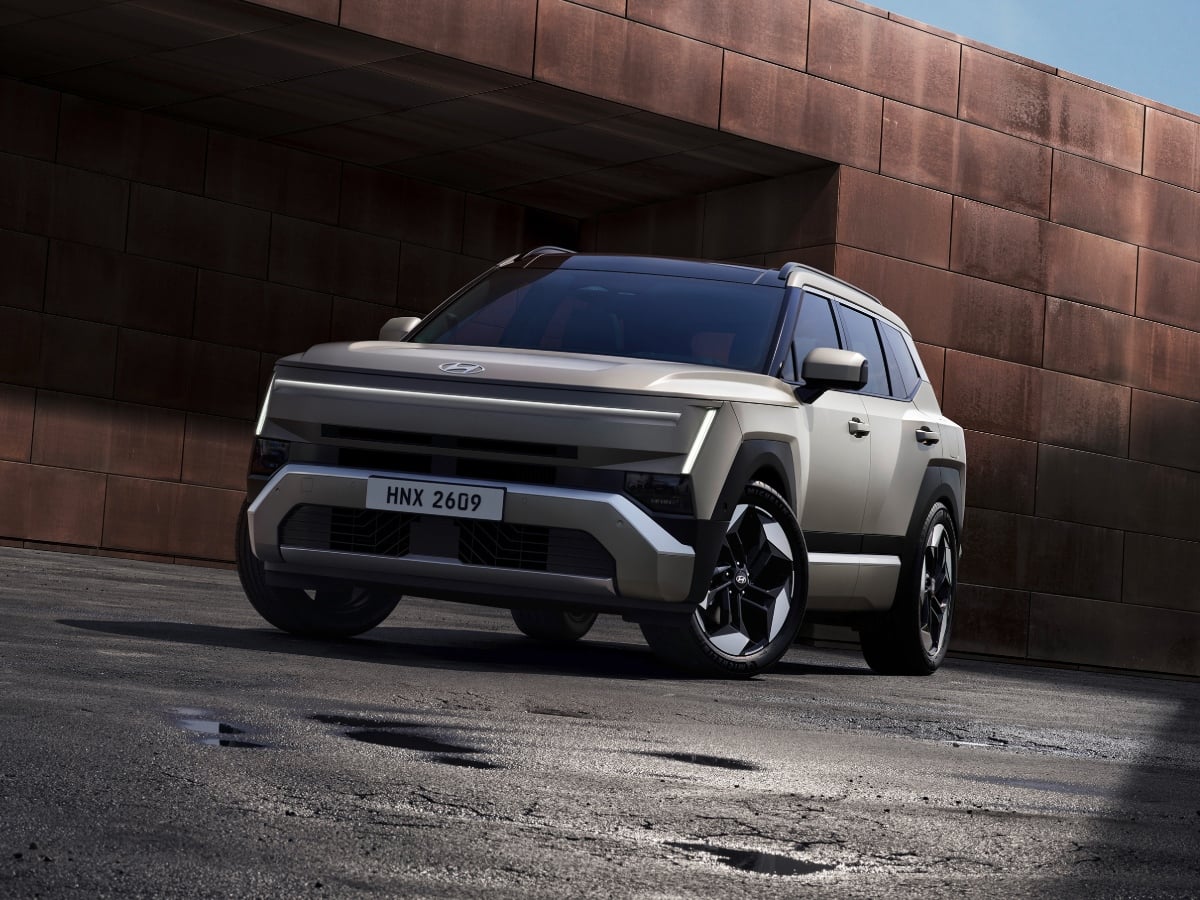
With a purposeful new design and some trail-ready upgrades, the 2027 Hyundai Tucson is pushing the brand's best-selling crossover SUV into more aggressive territory.
Read the Full Article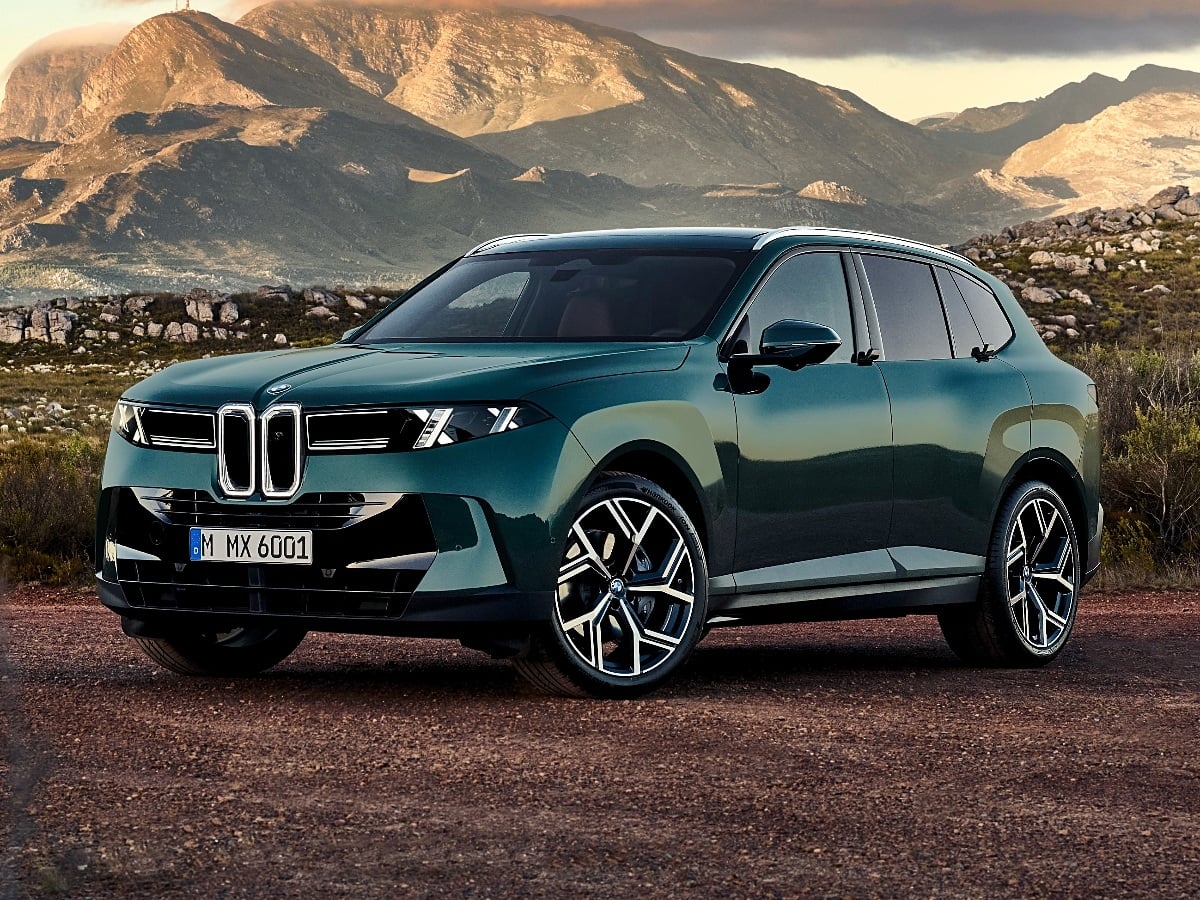
For more than 25 years, the BMW X5 has helped to define the luxury SUV segment. Now, the redesigned fifth-generation 2027 BMW X5 arrives with the automaker’s Neue Klasse styling, a roomier interior, ...See More
Read the Full Article
One of Lexus's most popular models, the NX crossover SUV is also one of the most affordable in the company’s lineup. The 2027 Lexus NX transitions to hybrid-only powertrains, and gets revised ...See More
Read the Full Article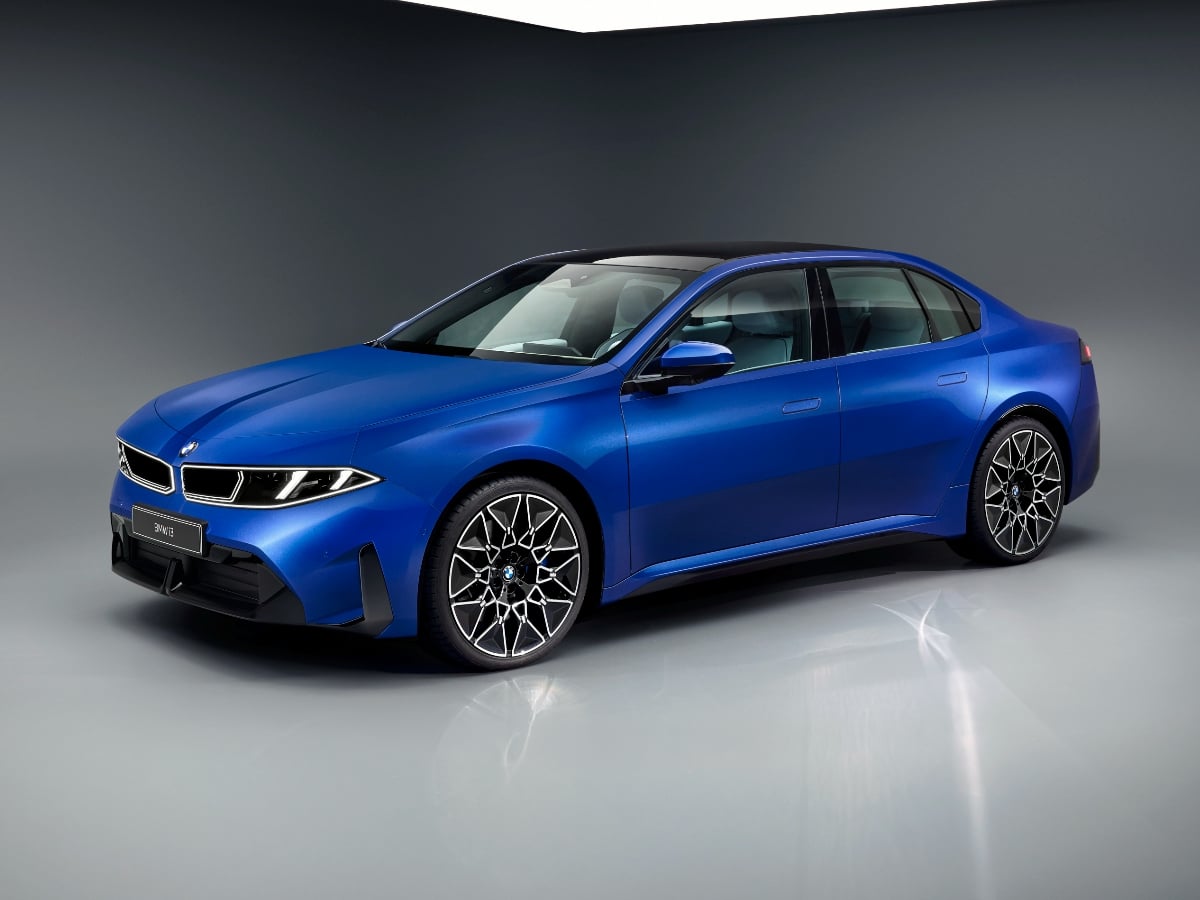
The new 2027 BMW i3 boasts an estimated range of up to 440 miles, 400-kilowatt DC fast charging capability, bidirectional charging to a home or the grid, and next-generation technology.
Read the Full Article