
One of the first things people hear about the advantages of owning electric vehicles (EVs) is that they will require less maintenance than their internal combustion engine (ICE) counterparts. It makes sense given that the EVs contain a fraction of the mechanical parts of an ICE vehicle. But does this mean that going electric means maintenance-free driving?
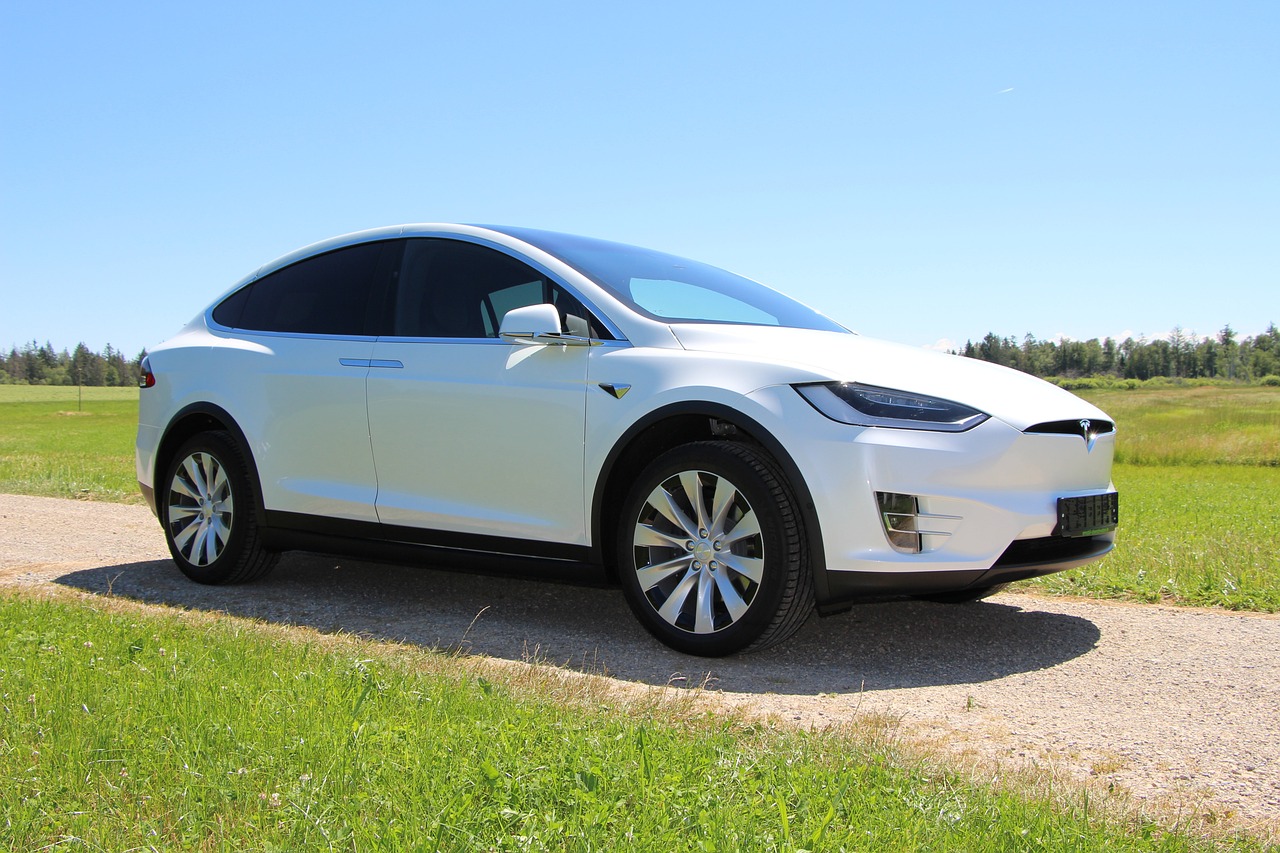
Fortunately, EV owners will not need to worry about oil changes, tune-ups, or the replacement of timing belts, catalytic converters, exhaust systems, and spark plugs. However, there still are some shared components with gas-powered vehicles and thus commonalities with maintenance. For instance, both have windshield wiper blades, windshield wiper fluid, cabin air filters, suspension components, and bulbs for headlights and taillights. However, some of the other carryover components are impacted differently when used by an EV.
One major difference between Electric Vehicles and ICE vehicles is that the EV battery adds substantially more weight to the vehicle. For example, the gas-powered Genesis GV70 weighs 4,167 lbs while the electric-powered Genesis GV70 Electrified weighs 4,982 lbs. Thus, the EV variant weighs over 800 pounds more. This 20% added weight falls on 4 tires.
Therefore, EVs will likely require tire replacement more frequently than ICE vehicles. Car and Driver reported their Tesla Model 3 long-term test vehicle needed new tires at 30,000 miles. One should generally expect EV tires to last 30,000-40,000 miles or about 20% of the lifespan of tires used by ICE vehicles.
Tires are your connection to the road, so it is important to pay close attention to wear, especially when operating a heavier vehicle. The typical tire maintenance tricks that apply to ICE vehicles, such as keeping the tires inflated at the correct pressure and rotating tires, are of greater importance with EVs to extend the life of the tires. Chevy recommends tire rotations every 7,500 miles.
One might assume that the added weight of an EV might also contribute to added pressure on the brakes–thus requiring more frequent brake maintenance. However, EVs leverage regenerative braking which decreases the effort required by the brake pads to reduce the vehicle’s speed. When operating an EV using one-pedal driving, rather than applying pressure on the brake pedal to stop the vehicle, the driver releases their foot from the gas pedal.
As a result, EV brake pads and rotors should outlast those of ICE vehicles. In addition to limiting the use of brake pads and rotors, EVs also reduce the need for brake fluid. In fact, Chevy’s recommended maintenance schedule for the 2023 Bolt states that brake fluid replacement isn’t needed until 150,000 miles.
The elimination of many mechanical components means that one component becomes the most critical of all – the battery. While a traditional engine requires tune-ups and oil changes to extend its life, driver behavior in particular is critical to preserving the battery. Automakers recommend that drivers charge their EV only when needed and ideally keep a mid-level charge. For example, it is better to maintain a 20%-90% charge around town and save charging to 100% for longer trips. Ford also says that while DC Fast Charging is the quickest option, it strains the battery more than Level 2 AC charging. Thus, frequent use of DC Fast Charging should be avoided.
Fortunately, EV batteries are covered under warranty. The most common EV battery warranty is 8 years or 100,000 miles, whichever comes first. This duration applies to Nissan, Chevy, and Ford EVs. Tesla’s mileage duration extends up to 150,000 miles depending on the model. Hyundai and Kia have the longest EV battery warranty at 10 years or 100,000 miles, whichever comes first.
The warranty coverage is determined by the performance threshold of the battery. For instance, most automakers are responsible for ensuring that the vehicle’s battery performs at 70% of its original capacity during this warranty period. If a new EV originally had a fully charged driving range of 300 miles, but then at 7 years and 80,000 miles, the battery was only able to provide a full charge of 150 miles, then the automaker would be required to address the battery so that it could achieve at least a 210-mile range.
One of the most surprising carryover items from ICE vehicles to EVs is a 12-volt battery for low-voltage power needs in the vehicle such as the radio and the door locks. This battery exists in addition to the larger, higher-voltage, battery that propels the vehicle. As a result, the 12-volt battery will eventually need to be replaced just like it will in ICE vehicles.
The battery coolant extends the life of the battery by protecting it from reaching damaging temperatures. The battery coolant is particularly important when using Fast Chargers with higher voltages and currents which produce more heat. While manufacturers largely share similar warranty coverage, their recommendations for coolant replacement vary greatly. Kia and Hyundai recommend coolant replacement at 80,000 miles, Mercedes recommends replacement at 124,000 miles, and Tesla does not include coolant replacement in its maintenance schedule. As with other maintenance items, please be sure to check the manufacturer’s recommendation for your particular vehicle.
Given the increasingly digital world we live in, it should come as no surprise that over-the-air (OTA) updates have become more common in vehicles. An over-the-air update occurs when the manufacturer wirelessly improves the vehicle’s software. For instance, it could provide an update to your car’s infotainment system to include the latest maps for navigation. For EVs, over-the-air updates are particularly important.
Electric Vehicle manufacturers leverage over-the-air updates to introduce new technology to the vehicle that can improve performance. For instance, Fisker recently conducted an over-the-air update on its Ocean EV that addressed bug fixes in its software in addition to enhancing battery performance. The update also introduced new features such as analytics that allow owners to use the infotainment system to monitor solar gain from its SolarSky roof.
Despite more frequent tire replacement, EVs are expected to save owners thousands of dollars throughout ownership than had they purchased a gas-powered vehicle. To make sure you get the best use out of your EV, schedule regular tire rotations, read the owner’s manual, and follow the manufacturer’s advice on charging behavior.
Matt Yantakosol is a lifelong automotive enthusiast and former consultant focused on the consumer aspect of the industry. He has traveled to New York, Detroit, Chicago, L.A., Paris, Geneva, Frankfurt, and Tokyo Auto Shows to track and observe the newest industry innovations. In addition to JDPower.com, Matt's writing has appeared on Pcarmarket.com.


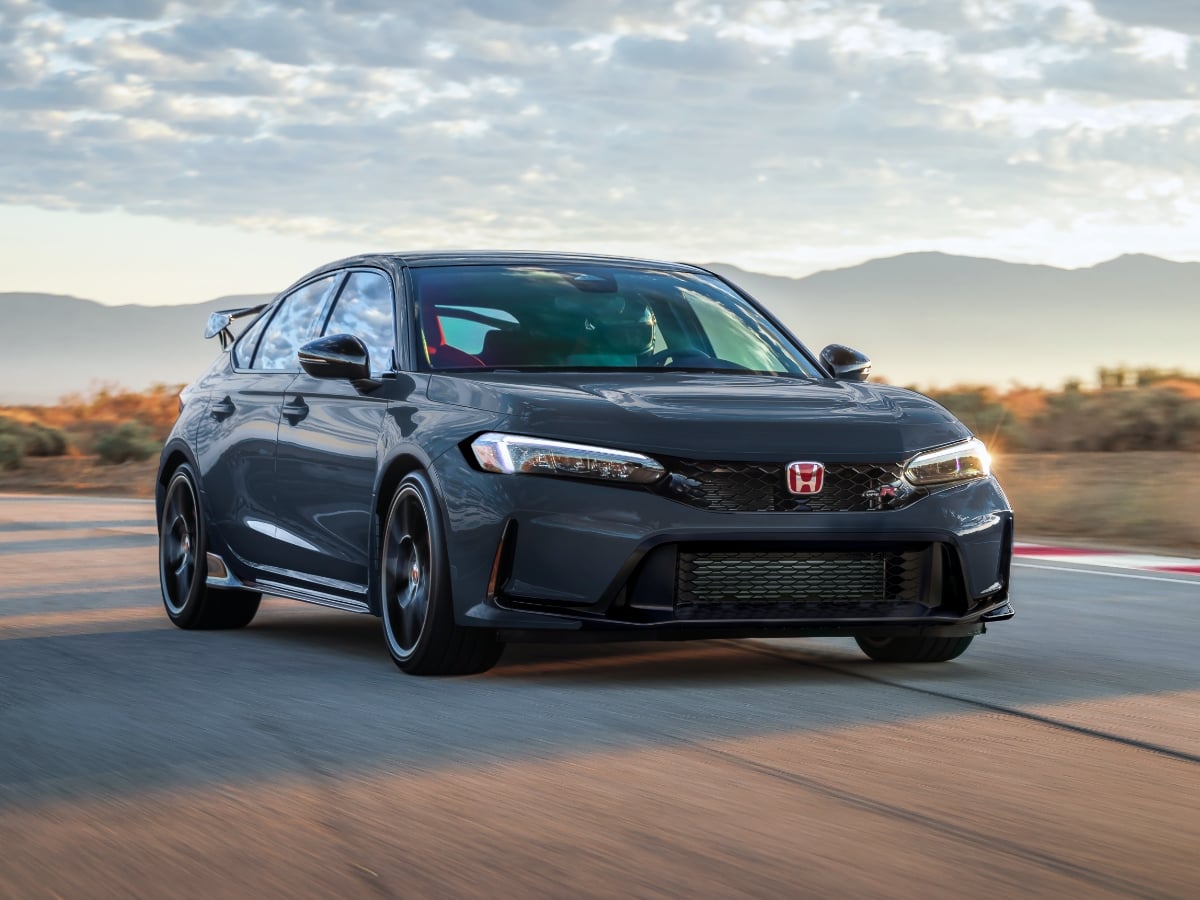
The 2027 Civic Type R goes on sale in October 2026, and it starts at $49,990, including the $1,295 destination charge.
Read the Full Article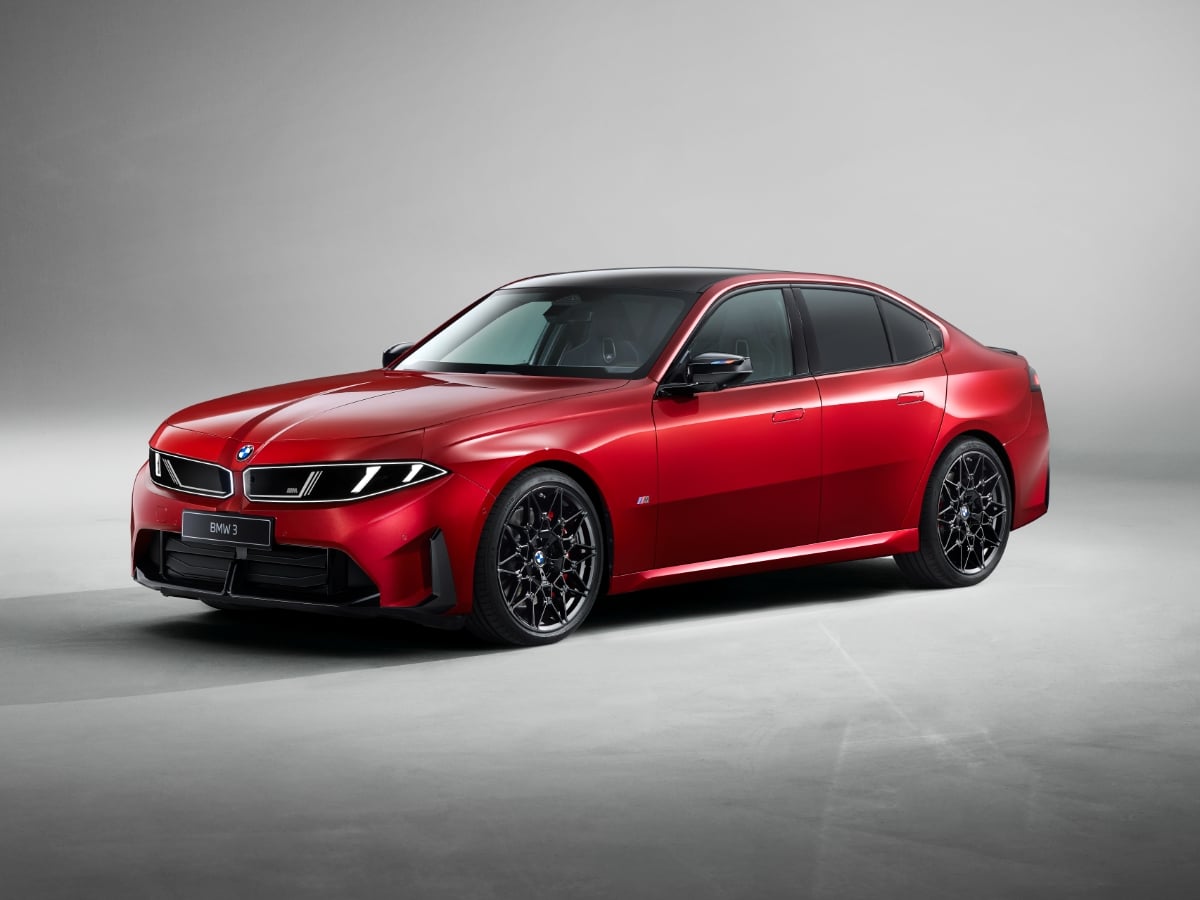
Part of BMW’s Neue Klasse (new class) rollout of redesigned models, the 2027 BMW 3 Series is all-new and goes on sale in the first quarter of 2027.
Read the Full Article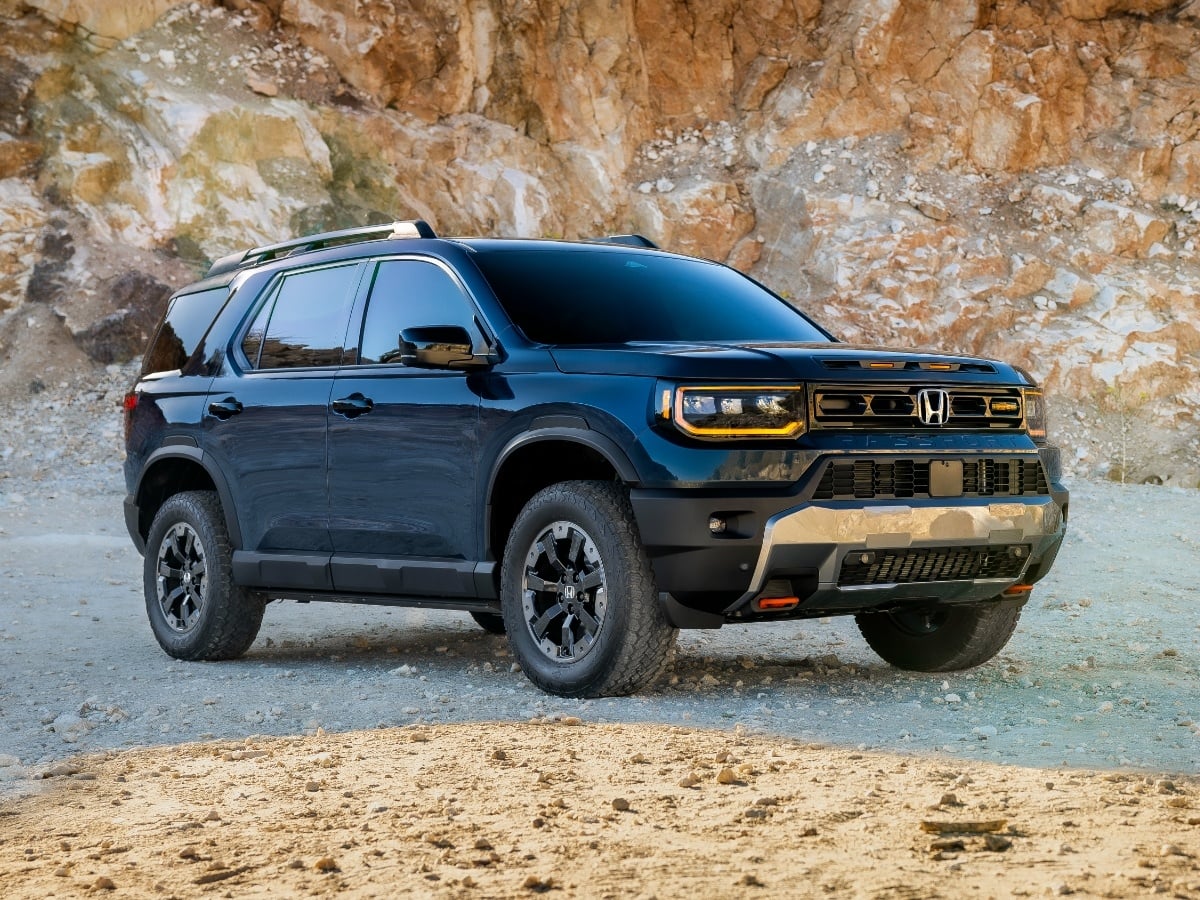
Updates to the 2027 Honda Passport TrailSport include a reworked suspension, improved steering, subtle styling enhancements, and added standard equipment.
Read the Full Article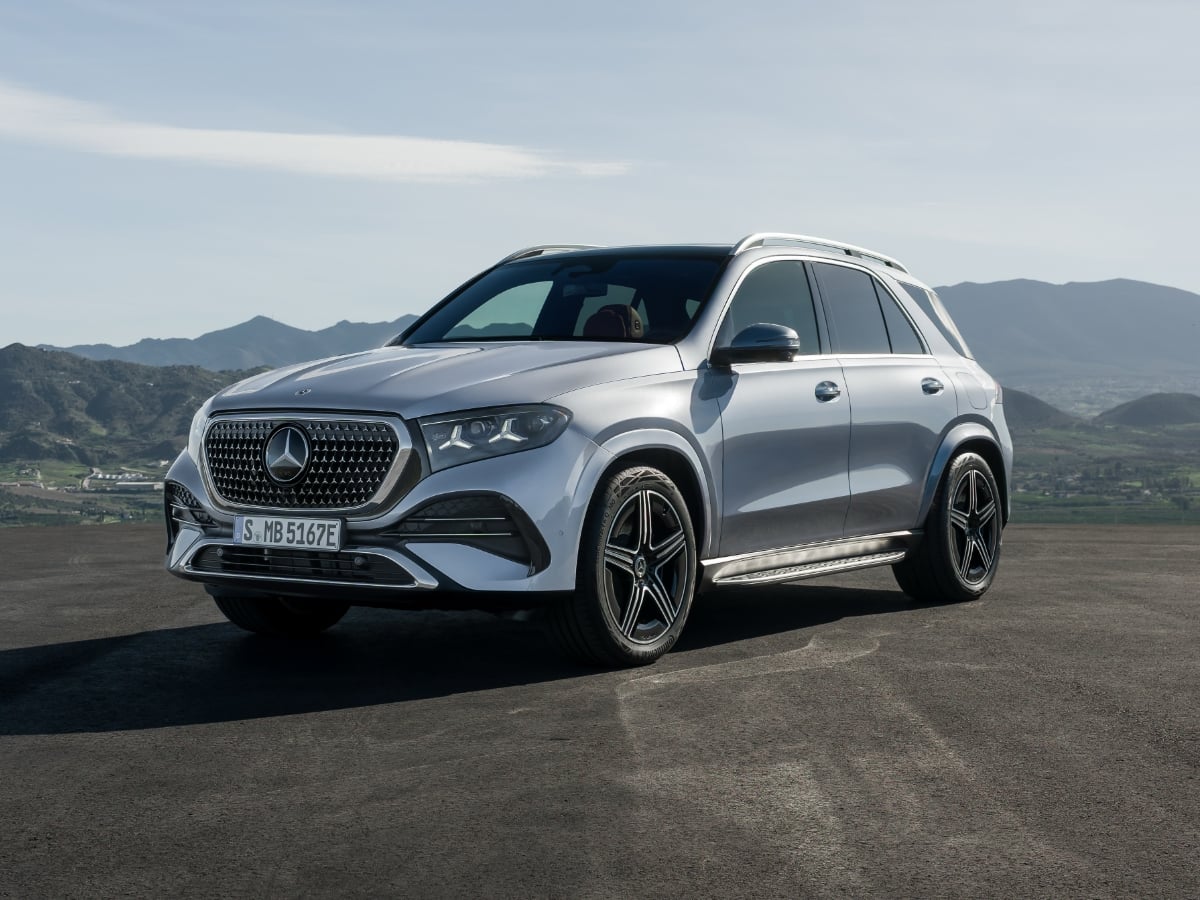
The midsize 2027 Mercedes GLE remains available in original and spicy Coupe recipes, now with standard 4Matic all-wheel drive (AWD), MBUX Superscreen technology, and a panoramic glass sunroof for ...See More
Read the Full Article