
Your wheel bearings are an essential part of your car’s suspension. They allow your wheels to remain firmly attached to the vehicle, but the consequences can be severe when they fail.

Thankfully, it’s easy to diagnose and replace worn wheel bearings well before they reach the point of total failure. In this guide, we describe the symptoms of a worn-out wheel bearing so that you can make the necessary repairs.
Wheel bearings are critical to the vehicle’s suspension, steering, and braking systems. Although a small component, the wheel bearing is tasked with supporting the vehicle’s entire weight and is engineered to enable the wheels to rotate while other connected components remain in place. To accomplish this mission, wheel bearings consist of two rotating rings with tiny ball bearings between them. The exterior of the wheel bearing is encased in a sealed waterproof metal housing to protect the interior ball bearings from road elements while the interior is filled with grease to reduce friction.
Your wheel bearing is located in the wheel hub which is situated between the drive axle and the brake disc. In some vehicles, the wheel hub and wheel bearing are combined to form one cohesive unit called the hub bearing. You should consult your owner’s manual to confirm your vehicle’s type of wheel bearing.
Given the importance of wheel bearings, it is critical to be attentive to any issue plaguing this key component.
If its grease leaks or has degraded, the ball bearings grind together, producing excess heat and additional stress that damages them over time. This often occurs when the bearing’s seal wears out, resulting in unusual noises. Typically, there’s a growling or an intermittent squeaking as the wheel bearings rub together. The sound can also change depending on your speed. For instance, a clicking noise that intensifies during acceleration is another symptom of a worn bearing. A humming or clunking noise may also be indicative of a faulty bearing.
When wheel bearings wear out, they develop a looser fit inside the housing, causing the wheels to wobble back and forth while driving. Also known as “bearing play,” this phenomenon is very subtle, and you won’t feel it in your steering wheel—at least not at first.
However, it can be readily apparent when you inspect your tire tread. If the tire tread is worn more on one side than the other, your wheel bearings may be at fault. You should visit a mechanic to confirm since it can also indicate improper wheel alignment or balancing.
When your wheel bearings are in good condition, your car’s handling should feel tight and responsive. If your vehicle tends to drift to one side or stops feeling responsive, your wheel bearings could be at fault.
Visit a mechanic if you’re experiencing steering drift. All sorts of factors can impact your vehicle’s steering, and a mechanic can get to the root of the problem.
If you notice the wheels wobbling in motion, this is also a sign of degraded wheel bearings. You can confirm if this is an issue by jacking up the vehicle. Once the vehicle is elevated, attempt to shake the wheel as if you were trying to remove it. If the wheel shakes, the issue needs to be addressed immediately, as a safe wheel bearing won’t exhibit any sign of wobbling.
When bearings deteriorate further, it eventually gets to the point that you can feel a vibration or wobble in your steering wheel caused by corroded bearings. This wobble can get progressively worse as you accelerate. When experiencing this kind of wobble, your wheel bearings are almost always to blame.
Degraded bearings don’t just cause problems when accelerating; they also show distinct symptoms when you’re coming to a stop. When the wheel bearings wobble badly enough, they can damage the wheel hub assembly, worsening the wobble. When this happens, the brakes may come in and out of contact with the rotors. This makes them pulse when braking, causing uneven wear on your brake pads or even causing your ABS light to come on. Should this light appear, your anti-lock braking system may not engage properly leading to an ABS failure. Another sign of wheel bearing issues happens when applying the brakes—rather than the vehicle stopping in a straight line, it slides in the direction of the faulty bearing.
In theory, wheel bearings can last as long as the vehicle itself. However, depending on road conditions and driving habits, you can expect to replace one wheel bearing for every 150,000 miles of driving.
Different manufacturers cover wheel bearings in different ways. They’re covered under the powertrain warranty, which can last for 10 years or 100,000 miles. In other cases, your bumper-to-bumper warranty covers ball bearings.
Remember that your wheel bearings will not be covered if you damage them in an accident. Instead, you’ll need to file an insurance claim.
Wheel bearing replacement costs depend on labor. Tapered roller bearings come in a pair and bolt directly to the steering knuckle or spindle. Because they’re bolted into place, these bearings require less labor, costing around $80 to $180, plus $65 for the wheel bearings.
In some cases, wheel bearings must be pressed onto the knuckle instead of bolted. Doing this results in higher labor costs between $120 and $250, although the bearings themselves cost slightly less, at around $40 to $120. Bearing replacements on larger trucks can cost $1,200 in parts and labor.
No. Your car’s wheel bearings are entirely separate, and a failure in one bearing does not affect the others. Unlike with tires where you often replace the other tire on the same axle or possibly all four tires simultaneously to maintain common tread wear, you only need to replace the bearing that has failed. This makes wheel bearing replacement cost much more affordable.
In general, no. Other bearing styles are fully sealed and cannot be re-greased. However, tapered roller wheel bearings may require periodic greasing; check your owner’s manual if you’re unsure.
A damaged wheel bearing can pose a severe safety risk and cause your car to handle and brake poorly. Fortunately, it's easy to diagnose wheel-bearing issues. Replacement costs average $350 per wheel bearing, and a mechanic can perform the work in just a couple of hours. No matter how degraded your bearings are, your mechanic will have you back on the road in no time.
Matt Yantakosol is a lifelong automotive enthusiast and former consultant focused on the consumer aspect of the industry. He has traveled to New York, Detroit, Chicago, L.A., Paris, Geneva, Frankfurt, and Tokyo Auto Shows to track and observe the newest industry innovations. In addition to JDPower.com, Matt's writing has appeared on Pcarmarket.com.


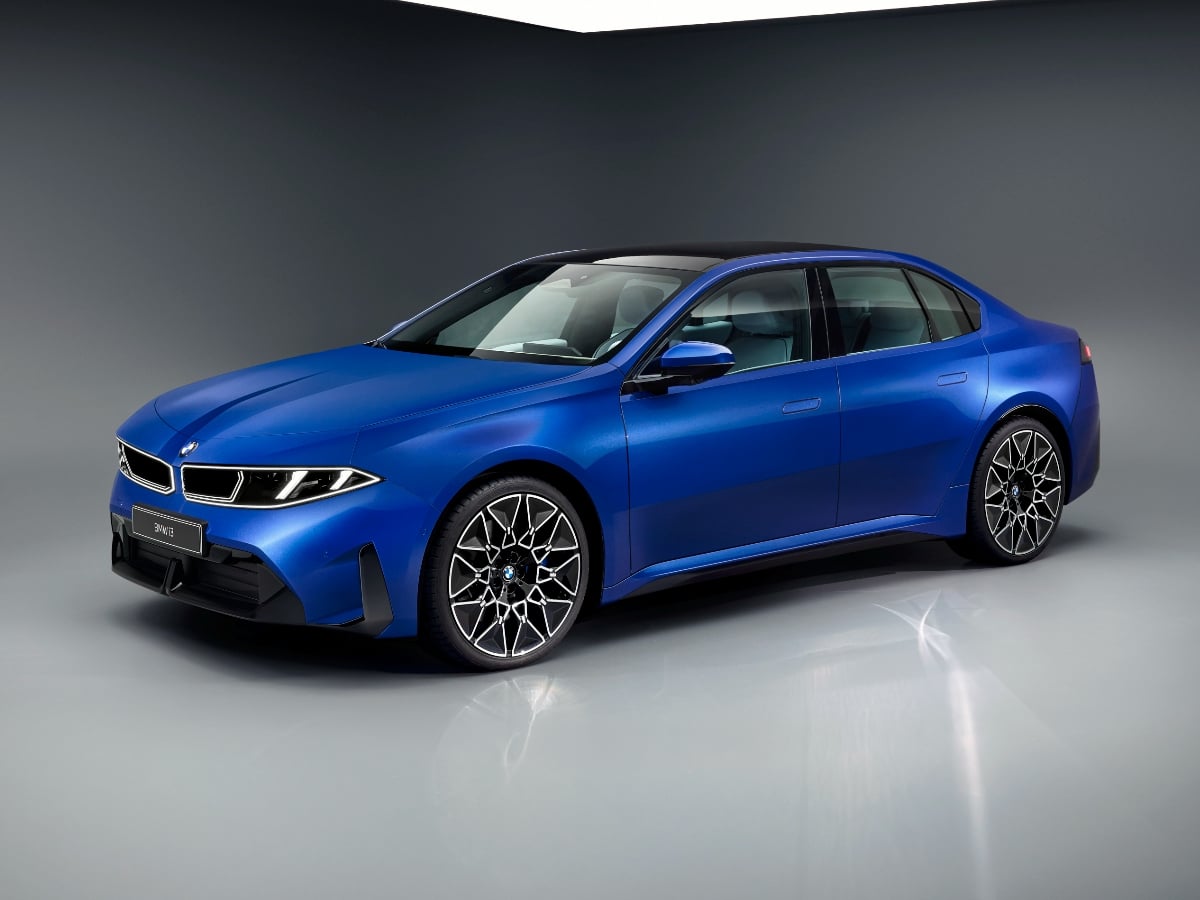
The new 2027 BMW i3 boasts an estimated range of up to 440 miles, 400-kilowatt DC fast charging capability, bidirectional charging to a home or the grid, and next-generation technology.
Read the Full Article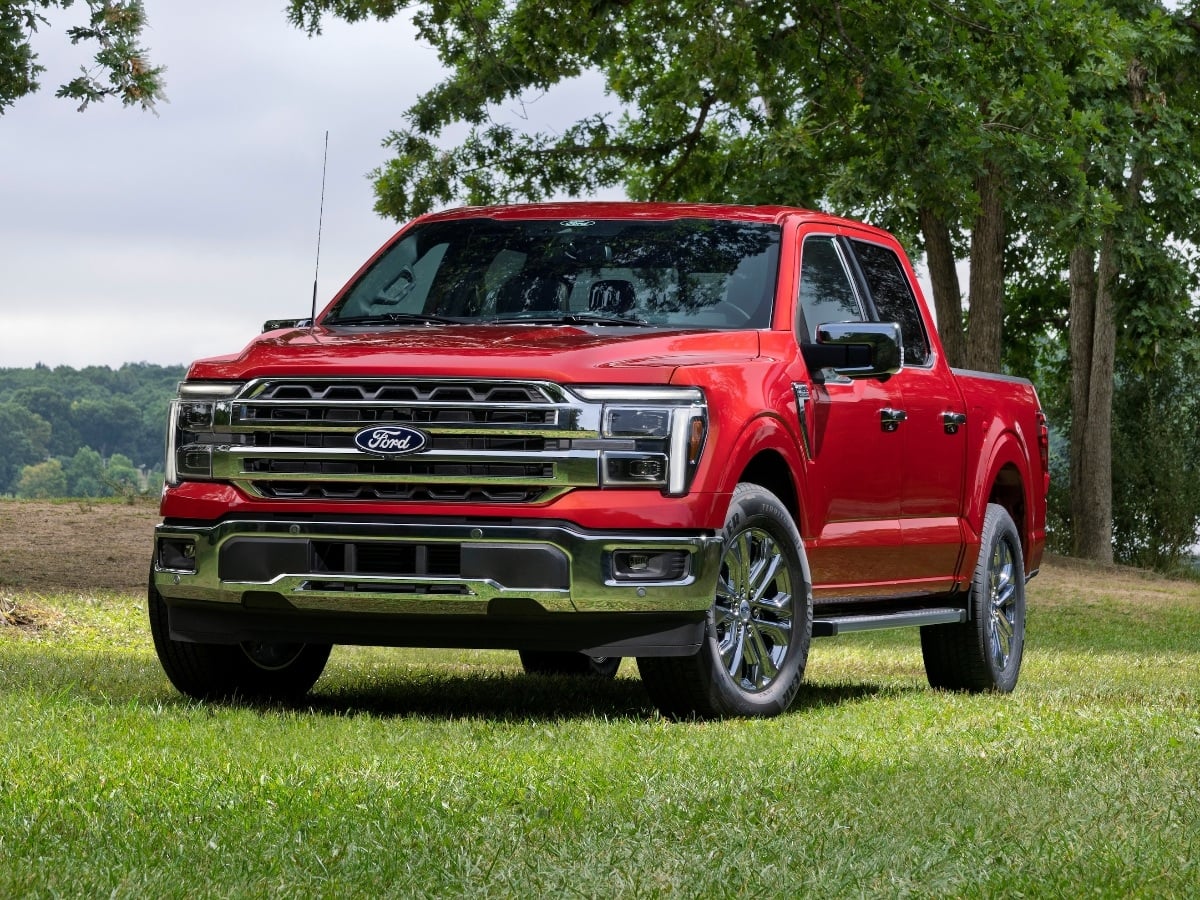
Facing renewed competition in the full-size, light duty pickup truck segment, the 2027 Ford F-150 receives subtle styling updates, a new standard engine, broader availability of its 5.0-liter V8, and ...See More
Read the Full Article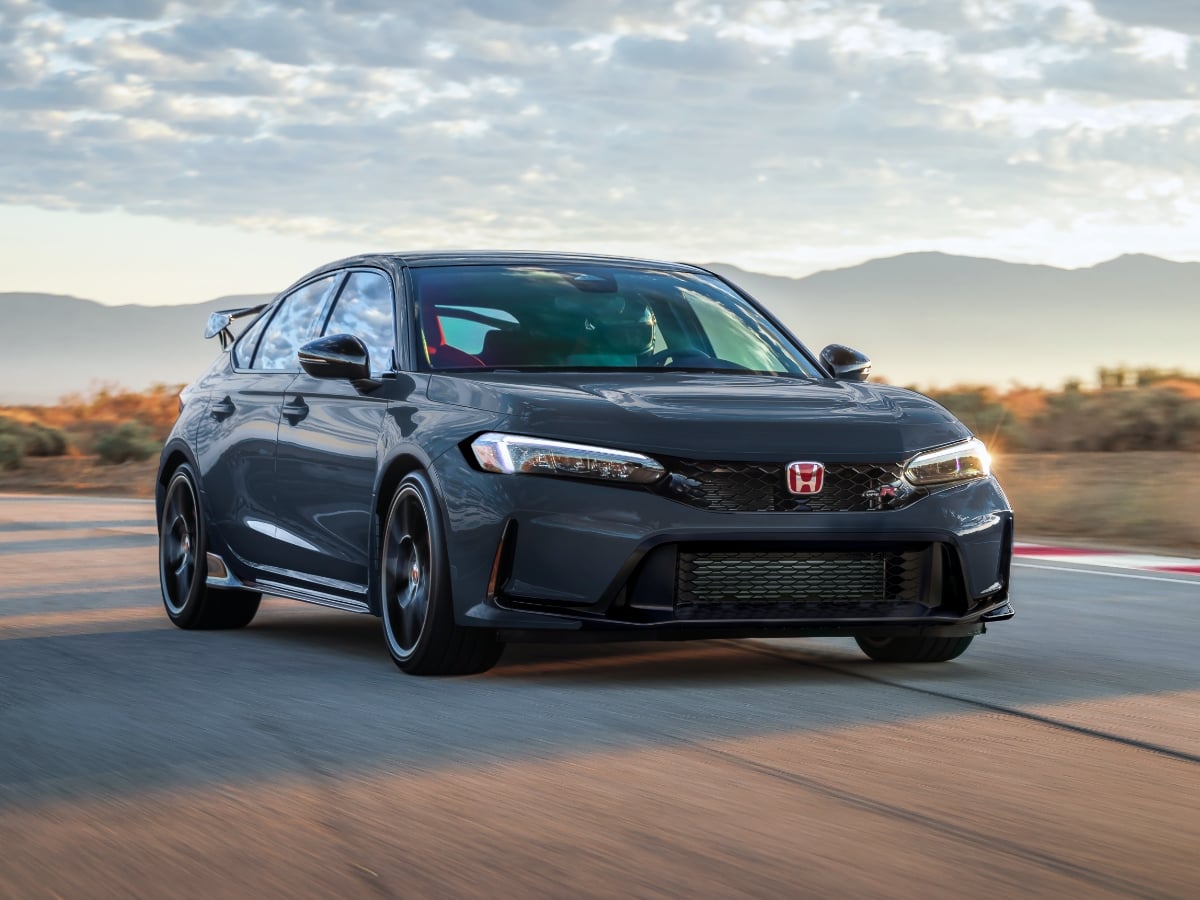
The 2027 Civic Type R goes on sale in October 2026, and it starts at $49,990, including the $1,295 destination charge.
Read the Full Article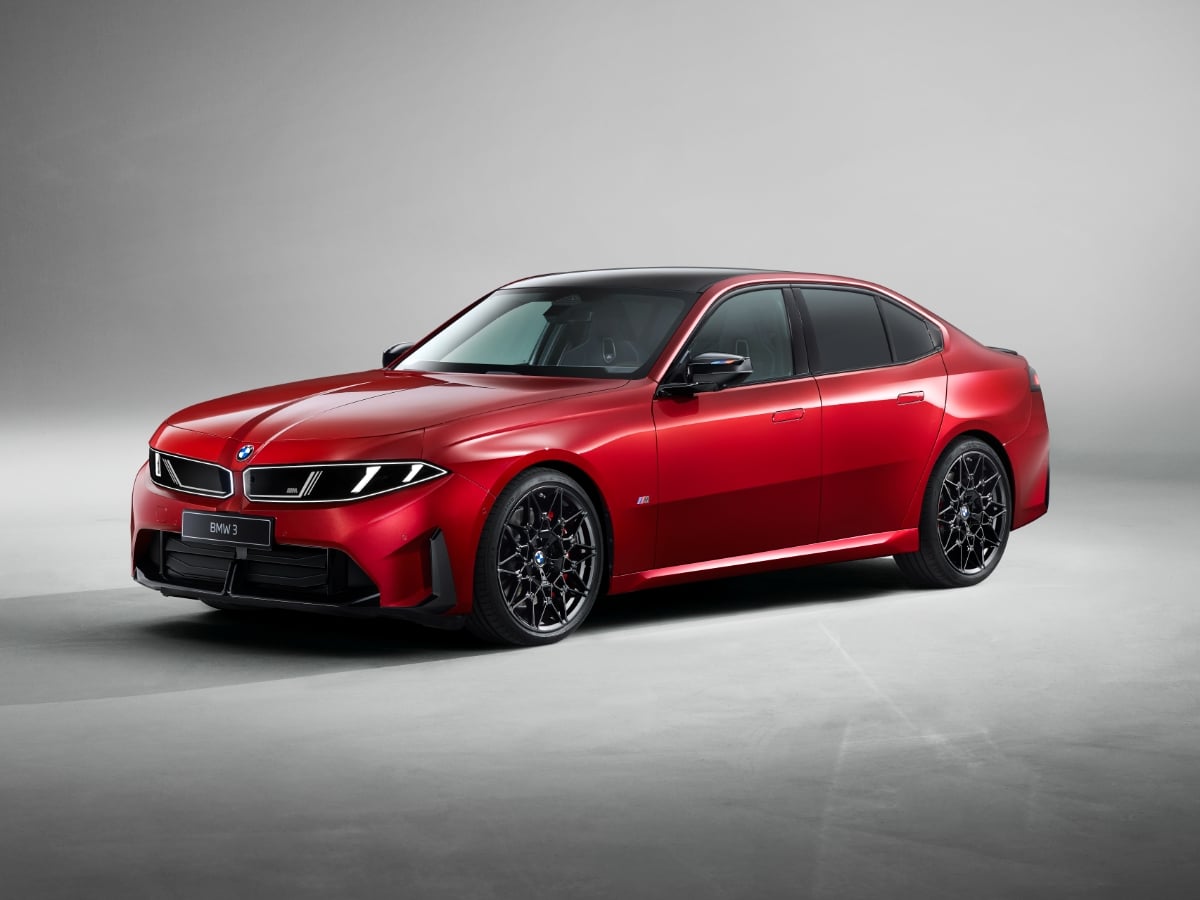
Part of BMW’s Neue Klasse (new class) rollout of redesigned models, the 2027 BMW 3 Series is all-new and goes on sale in the first quarter of 2027.
Read the Full Article