
Whenever you buy a vehicle, you expect it to work flawlessly until you decide to replace it. That is, however, not often the case, and small problems do occur due to wear and tear. For instance, after a couple of years, your engine could start overheating, or electrical systems will start acting up.

These problems are common and, thus, easy to solve with an auto shop visit. The same goes for the annoying clunking noise when braking at low speeds. However, it is helpful to be knowledgeable about all possible issues, so let’s explore the topic in-depth and look at things in greater detail.
The short answer to this question is that it’s probably your suspension. The particulars, however, involve various components such as arm bushings, shocks, or steering stabilizers, which all may be causing the noise.
But other possible causes may include front brake rotors, which are slightly out of round and need repairs or old wheel bearings that cause too much friction and make the clunking noise appear.
Generally, all of this happens due to excessive wear and tear, with some components declining in condition. It’s a clear signal that something is wrong with the auto, and you need to get it checked out.
As the noise source is difficult to find, especially when doing things yourself, there’s a way to help narrow the search. After all, most causes for the clunking are common, as an average driver is highly unlikely to run into some exotic or rare issue.
The common issues that cause the clunking noise include:
All the possible problems or causes we mentioned can be quickly solved DIY-style. You just have to replace the worn-out parts with new ones, and you’re good to go. Here we can only advise using OEM or high-quality parts to ensure the replacement won’t cause the clunking to appear all over again.
But if you’re unsure you can handle the repairs, drive to the nearest auto shop instead. As the cause varies, the prices do as well; thus, the costs will differ depending on what went wrong. Just make sure to choose a reputable service that uses OEM parts.
Clunking can appear over time after car components succumb to wear and tear. While most of the time, it’s caused by old suspension components, it may also have to do with loose wheel nuts or steering wheel elements, making it challenging to find the noise source.
If you like tinkering with vehicles, you’ll have to spend some time to find out what causes this clunking. But if fixing things is not your strong suit, driving to a reputable auto shop for some repairs is always a good solution.


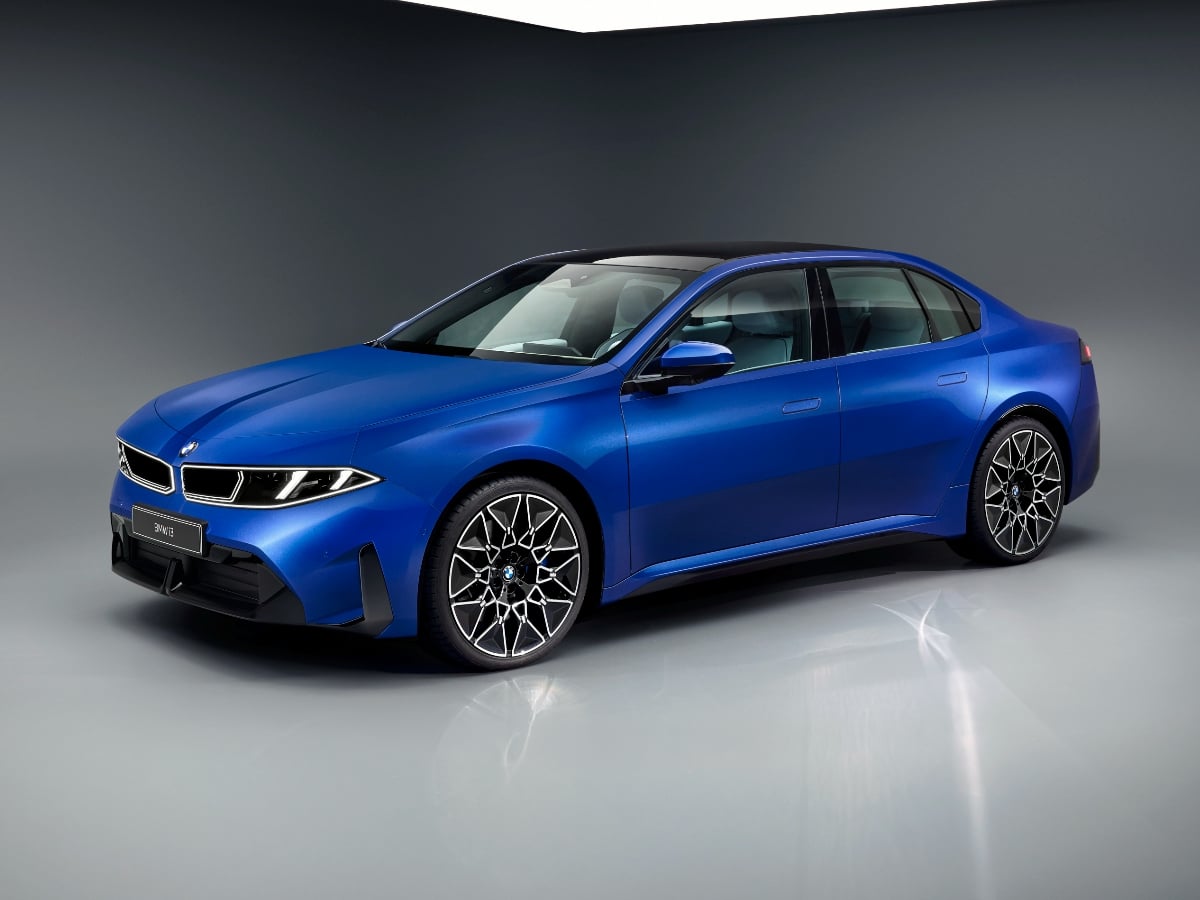
The new 2027 BMW i3 boasts an estimated range of up to 440 miles, 400-kilowatt DC fast charging capability, bidirectional charging to a home or the grid, and next-generation technology.
Read the Full Article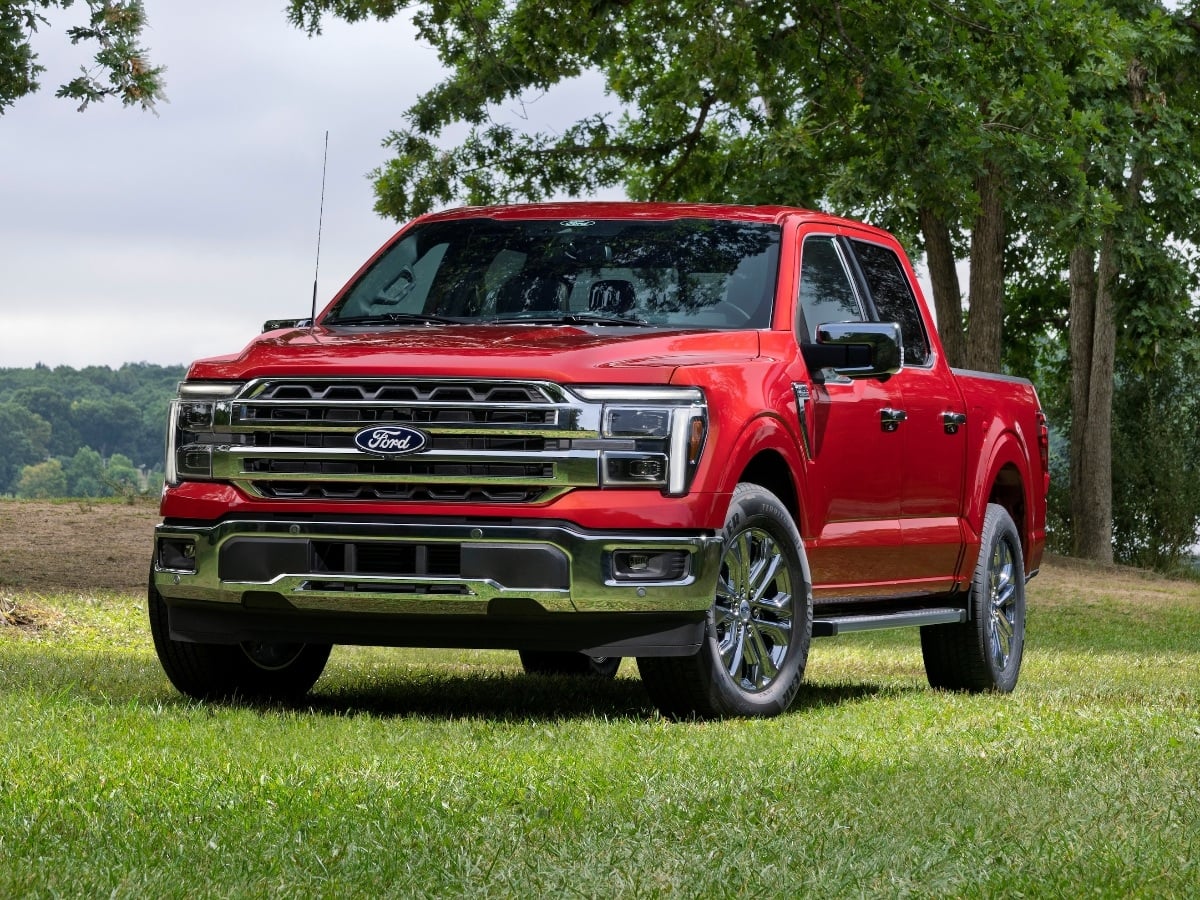
Facing renewed competition in the full-size, light duty pickup truck segment, the 2027 Ford F-150 receives subtle styling updates, a new standard engine, broader availability of its 5.0-liter V8, and ...See More
Read the Full Article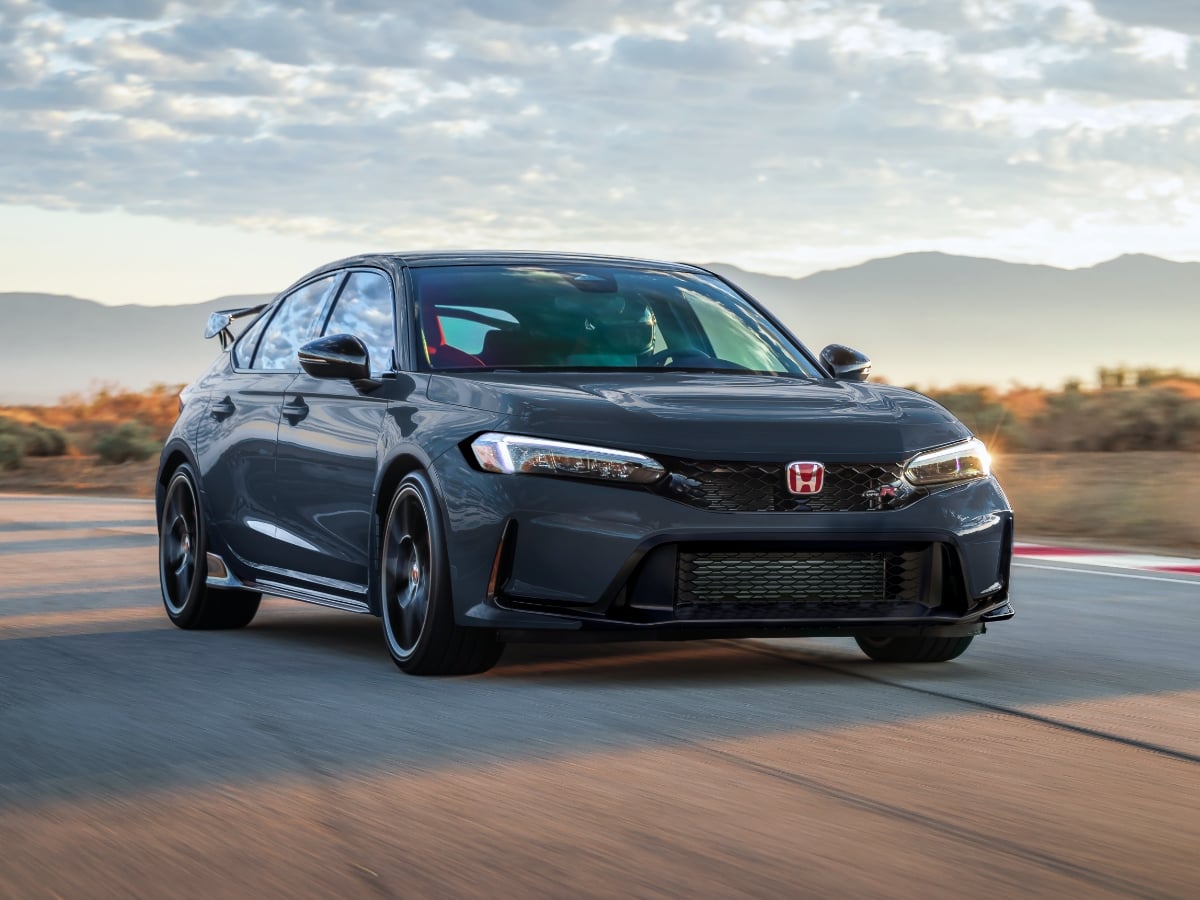
The 2027 Civic Type R goes on sale in October 2026, and it starts at $49,990, including the $1,295 destination charge.
Read the Full Article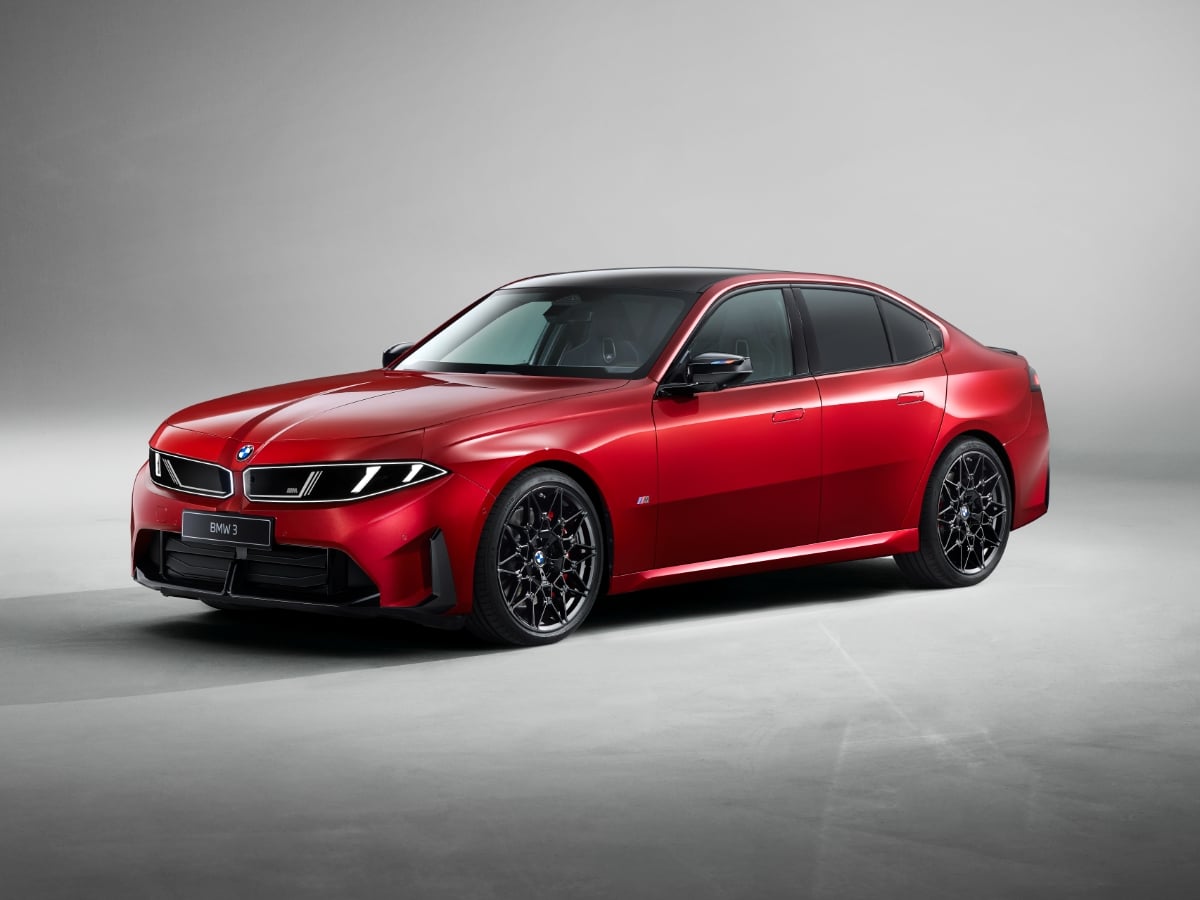
Part of BMW’s Neue Klasse (new class) rollout of redesigned models, the 2027 BMW 3 Series is all-new and goes on sale in the first quarter of 2027.
Read the Full Article