
One of the most significant advantages of buying a new car is the warranty coverage. Depending on your warranty, your warranty will protect you from premature failures and manufacturer defects.
All major automakers provide warranty coverage for their new vehicles, although the exact coverage will vary. You can also buy warranties for used cars; some are available from the manufacturer, while you can purchase others from third-party extended warranty services.
Let’s look at what car warranties cover, what they won’t cover, and some variations you can expect to see.
A car warranty is a legal contract between you and your car’s manufacturer or between you and a separate warranty provider. At the most basic level, the agreement states that the manufacturer will cover the cost of any repairs caused by a manufacturer’s defect.
Warranties can be dozens of pages long, with different coverage conditions for various parts of your vehicle. New car warranties tend to be pretty similar, while third-party warranties vary widely.
Be aware that some unscrupulous car dealers will try to charge you for the manufacturer’s warranty. The cost of the car includes the manufacturer’s warranty, and you should never pay even a single dime for that coverage. Many honest dealers will also offer extended warranties as an add-on.
Most new car warranties will cover any failures due to a manufacturer’s defect. There’s no deductible, and the warranty will pay for parts and labor. Manufacturers are willing to offer these warranties as a way to boost confidence. Since they will be liable for repair costs, they have a strong incentive to build their vehicles to high standards.
Car warranties are different from most other types of warranty. Where most warranties last for a specified period, car warranties will have a maximum period and maximum mileage. A 10-year, 100,000-mile warranty is a good example; it will last for ten years or 100,000 miles, whichever one comes first.
Car warranties will include exclusions – or items not covered in the contract. However, warranties don’t cover parts like tires and brake pads subject to ordinary wear and tear. They also won’t cover regular maintenance like oil changes and tire rotations. In fact, warranties will typically be null and void if you’ve neglected your regular maintenance. Ensure you’re following the maintenance schedule in your owner’s manual.
Furthermore, your warranty won’t cover damage that was caused due to an accident, whether or not you were at fault. After an accident, you’ll have to file a claim with your insurance company and pay the deductible.
The last common exclusion is failure due to abuse. You take your compact car off-roading, and a rock destroys your muffler; your manufacturer will refuse to cover the damage because you weren’t using the car as intended. The most common form of abuse is exceeding your vehicle’s tow rating. Ensure your vehicle is rated to pull any trailer you’re hauling; otherwise, it could damage your transmission and void your warranty.
A new car will come with multiple types of warranty coverage, covering various car systems. Different automakers will offer additional warranty terms with longer or shorter coverage periods. Some manufacturers will even include bonuses like roadside assistance, but that’s the exception rather than the rule.
Here are some of the warranty types you might encounter.
Sometimes called bumper-to-bumper warranties, comprehensive warranties are the most robust warranty type. These warranties cover just about every part of your vehicle, from the trim to the transmission.
Because bumper-to-bumper warranties are so robust, they tend to be the shortest. You’ll be covered for five years or 60,000 miles at most; in most cases, you’ll be covered for less.
Powertrain warranties are more limited warranties that cover your vehicle’s powertrain – the parts of your car that make it move. These parts include the engine, transmission, differential, axles, and related components.
A powertrain warranty begins whenever your bumper-to-bumper coverage expires because it only covers some parts of your car. For example, suppose your bumper-to-bumper warranty covers you for three years or 36,000 miles, and your powertrain warranty lasts for seven years or 70,000 miles. The bumper-to-bumper warranty will expire three years into your coverage, but the powertrain warranty will cover you.
Federal law requires manufacturers to cover some parts of your car’s emission control system. Certain limited components are covered as long as eight years or 80,000 miles. If your vehicle fails a state emissions inspection during the first two years or 24,000 miles, the manufacturer is responsible for any necessary repairs.
Federal law also mandates specific levels of coverage for hybrid and electric car batteries. At a minimum, Manufacturers must warranty them for at least eight years. Some manufacturers, like Toyota, guarantee their batteries for as long as ten years.
As mentioned earlier, wear-and-tear items like tires aren’t covered by your car’s standard warranty. Most tire manufacturers provide warranties for premature wear and tear. These warranties are typically prorated; if the tire fails halfway through its warranty period, you’ll only be covered for half the value.
Corrosion and perforation warranties are most important in snowy states or areas directly on the coast and experience a lot of salty air. Some automakers will not cover surface rust, only rust that has penetrated through an entire panel. Read the exact terms to understand what you’re covered for.
An extensive manufacturer’s warranty covers almost every new car. But as you can see, different parts of your vehicle will have different levels of coverage. Before you buy, make sure to do your research to know what you’re buying.


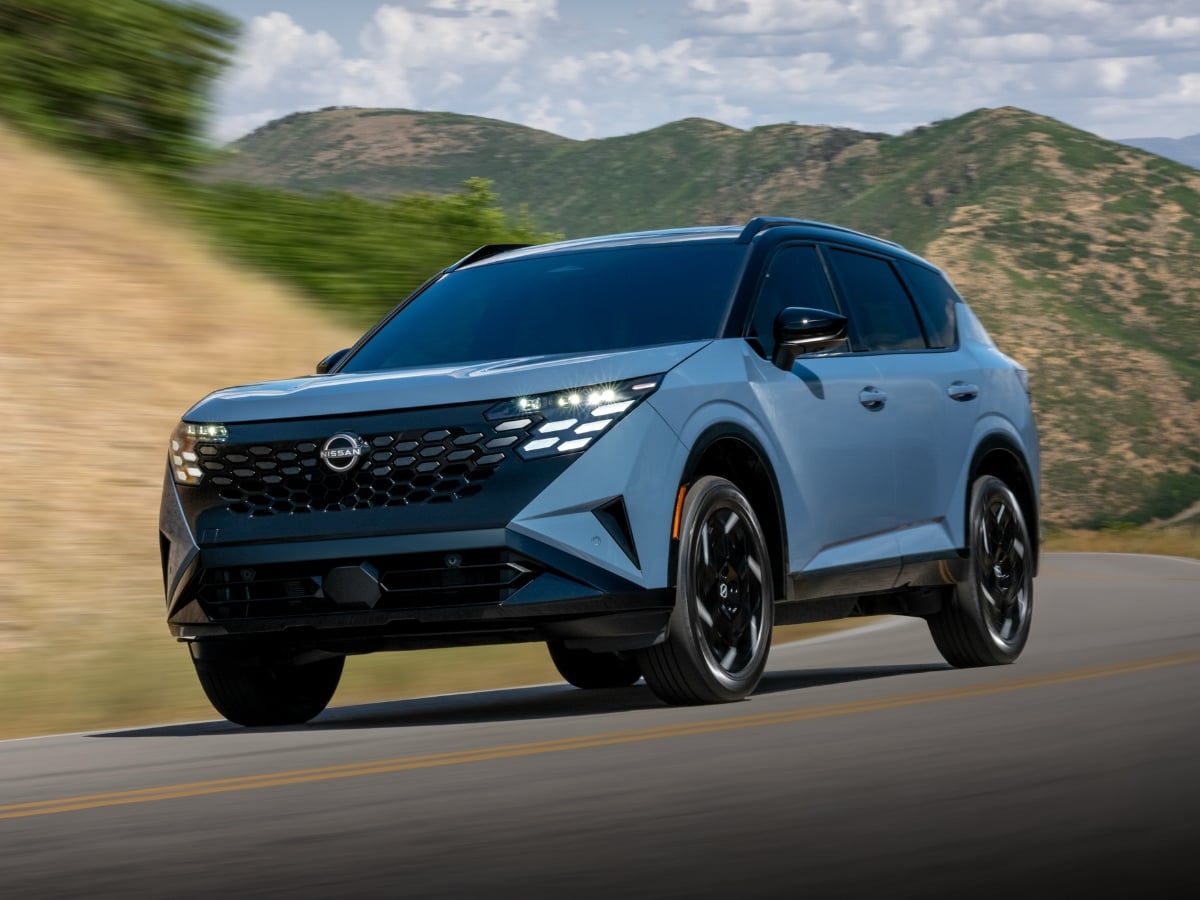
Nissan is about to introduce an innovative new SUV. The 2027 Nissan Rogue Hybrid has a gasoline engine, but it does not power the wheels. Instead, electric motors at each axle provide propulsion, ...See More
Read the Full Article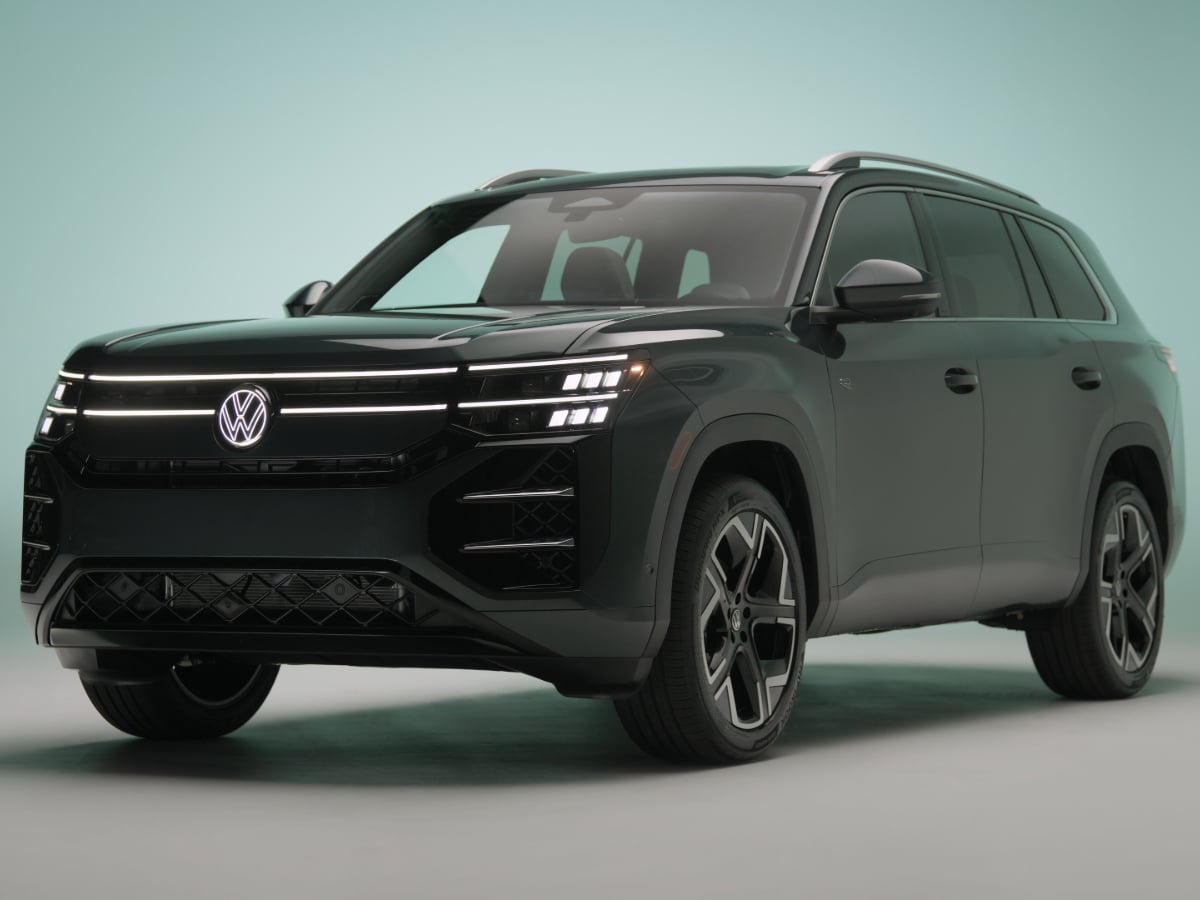
Adding European flair to the otherwise vanilla midsize three-row family SUV market, the redesigned 2027 Volkswagen Atlas debuts with a sharper exterior, an upgraded cabin, more power, and new ...See More
Read the Full Article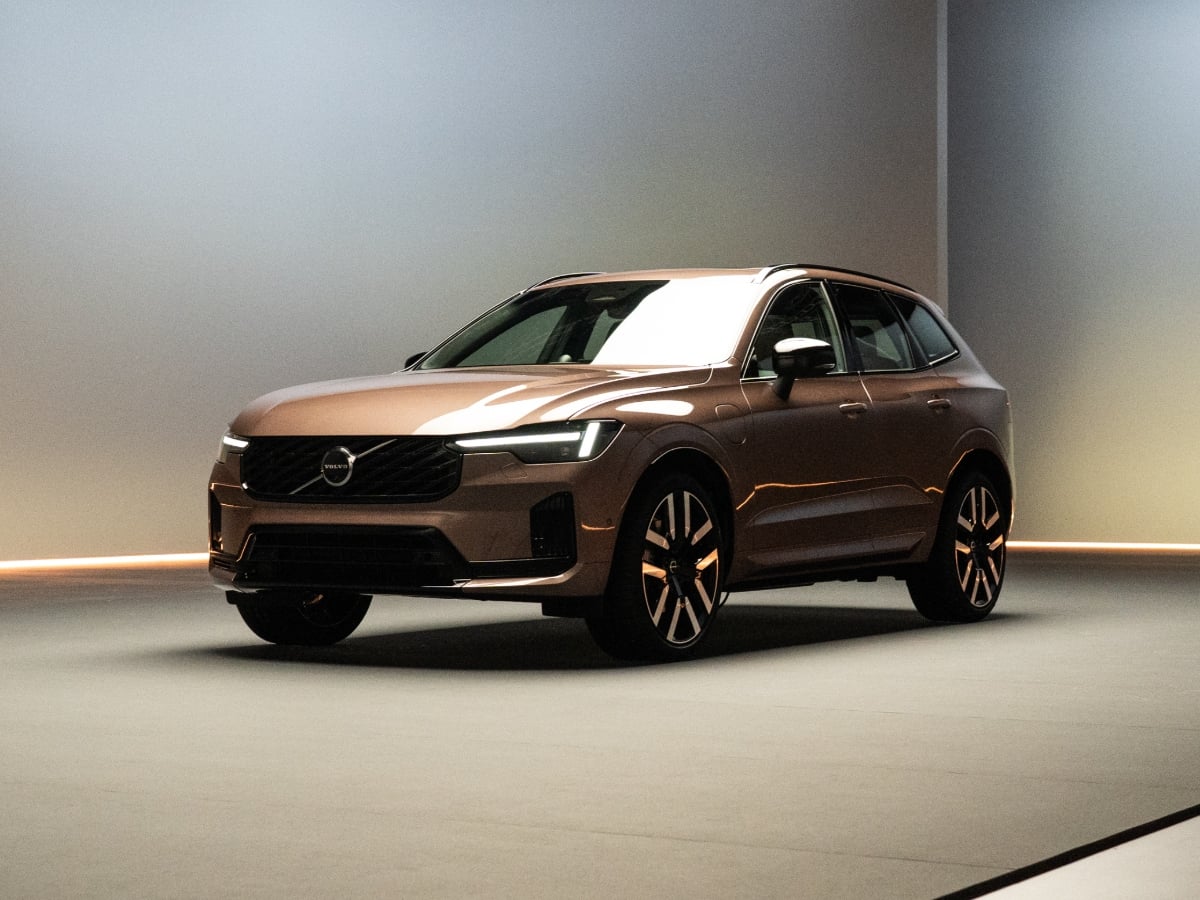
Though the styling stays largely the same, a massive boost in electric range for the plug-in hybrid (PHEV), plus a refined design, helps the 2028 Volvo XC60 stay current and desirable.
Read the Full Article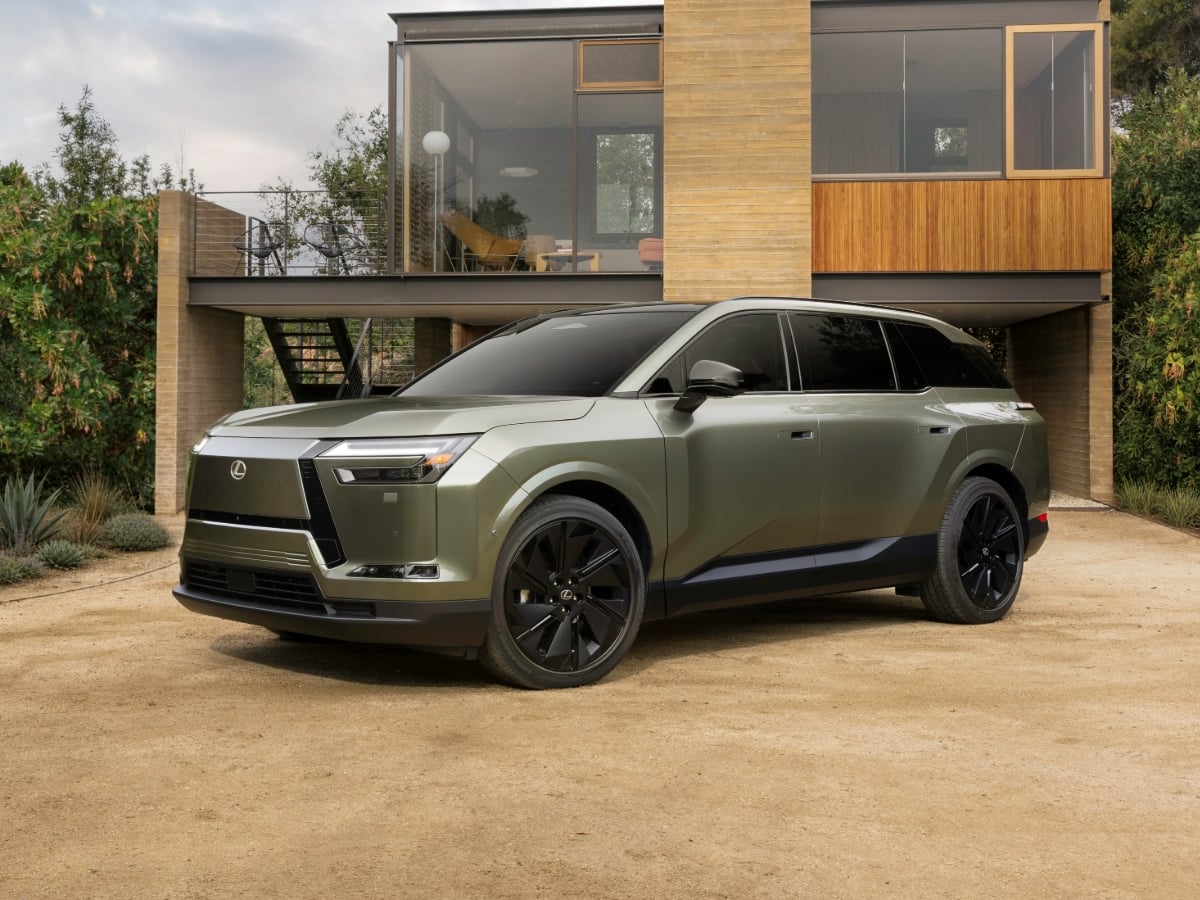
With the 2027 Lexus TZ, Toyota Motor’s luxury division introduces its first three-row all-electric SUV, featuring a lounge-inspired interior, an enhanced all-wheel drive (AWD) system, and up to 300 ...See More
Read the Full Article