
When you pull up to an ordinary gas station, you’ll see multiple types of gasoline. The most common here in the U.S. are listed as “regular,” “plus,” and “premium.” To the casual observer, it might seem like premium is better. That’s what premium means! It’s not so cut and dry, however.

For most vehicles, regular gas is all you need. For higher-end cars, it’s essential to understand which grade you need. In this guide, we’ll discuss the three standard grades of gasoline, along with some other alternatives.
Different grades of gasoline contain different levels of octane. Octane is one of several hydrocarbon molecules in gasoline, and it’s essential for every vehicle. Like other hydrocarbons, Octane is flammable but more stable than the rest of your gasoline.
This stability is important because of the way an internal combustion engine works. Fuel and air are combined inside the cylinder and compressed during the piston’s downstroke. When the mixture reaches maximum compression, the spark plug fires, which causes a small explosion and pushes the piston back up.
Some older cars and high-performance vehicles are prone to premature ignition. This happens when the fuel-air mixture explodes, causing a knocking or pinging sound. It can damage your engine. Because octane is stable, it won’t ignite prior to the spark plug firing off.
You can measure the octane level in two different ways. First, you can measure it while the motor is idling, called the research octane number (RON). Second, you can measure it at higher engine speeds, called the motor octane number (MON). The standard rating consists of an average of the RON and MON ratings; this is why gas pumps often display octane as “(R+M)/2.”
Most gas stations sell fuel at three different octane levels:
Different gas stations will use different names for their fuel grades. Some will use “ultra,” “ultimate,” or other terms. When in doubt, just look at the actual octane level.
Your car’s owner’s manual will tell you the minimum fuel octane level. It will also tell you whether higher-octane gas is recommended or required.
Some high-performance vehicles require the use of premium fuel. These cars often use turbochargers to force air into the cylinders and create a higher compression ratio. This improves your performance, but it also makes the engine more prone to premature ignition; your engine could become damaged, voiding your warranty with lower-octane fuel. If your car requires a particular octane level, there will typically be a written warning on your gas cap or dashboard fuel indicator.
Other engines don’t require high-octane fuel but strongly recommend it. You won’t damage the engine or void your warranty using a lower octane level, but you’ll get poor fuel efficiency and substandard performance.
In general, it’s best to use the type of fuel suggested by the manufacturer, whether they require it or simply recommend it. You’ll reduce wear and tear on your vehicle, and it will perform better.
Using a higher grade of octane than your car requires won’t do any harm. However, it usually doesn’t make any difference; you’re paying for more expensive gas without tangible benefits. But if you accidentally fill your tank with premium instead of regular, it won’t hurt anything. Even if you accidentally fill up with lower-octane gas, it’s not the end; a single gas tank won’t ruin your car.
The main exception to this is older vehicles. Cylinders and other components wear down over time, which introduces some “slop” to the engine and makes premature ignition more likely. If your old car’s engine is knocking, high-octane fuel can help fix the problem.
Flex-fuel is a specific blend of gas and ethanol, a plant-based fuel typically made from corn. Also known as E85, flex-fuel consists of up to 85% ethanol and as little as 15% gasoline. Flex-fuel is usually dispensed through a separate gas station pump and will be clearly marked.
E85 is intended to be used in flex-fuel vehicles, often having a yellow fuel cap. It comes in all octane levels, just like ordinary gasoline.
Using regular gas in an E85 vehicle won’t cause any damage, although you’ll be burning dirtier fuel. On the other hand, using flex-fuel in a vehicle that’s not rated for it can cause severe damage. The ethanol can dry out your fuel lines, O-rings, and other plastic components and can even void your warranty.
Most fuel sold in the US contains around 10% ethanol. Manufacturers design modern cars for this, and it doesn’t cause any damage. However, many smaller cars– and any vehicle with a carburetor – should never be used with ethanol gas.
Thankfully, some gas stations sell ethanol-free gas, most often with an octane rating of 90 called “REC-90.” The “REC” is short for “recreational,” referring to motorcycles, boats, jet skis, and other similar motors. But you can also use REC-90 fueled for snowblowers, weed whackers, lawnmowers, and other small engines.
There’s no harm in using ethanol-free gas in your car or truck. On the other hand, it’s not necessary, and ethanol-free gas is more expensive than comparable ethanol fuel.
Using the right fuel for your vehicle ensures better efficiency and reliability. Refer to your owner’s manual, and choose the manufacturer-recommended octane when in doubt.


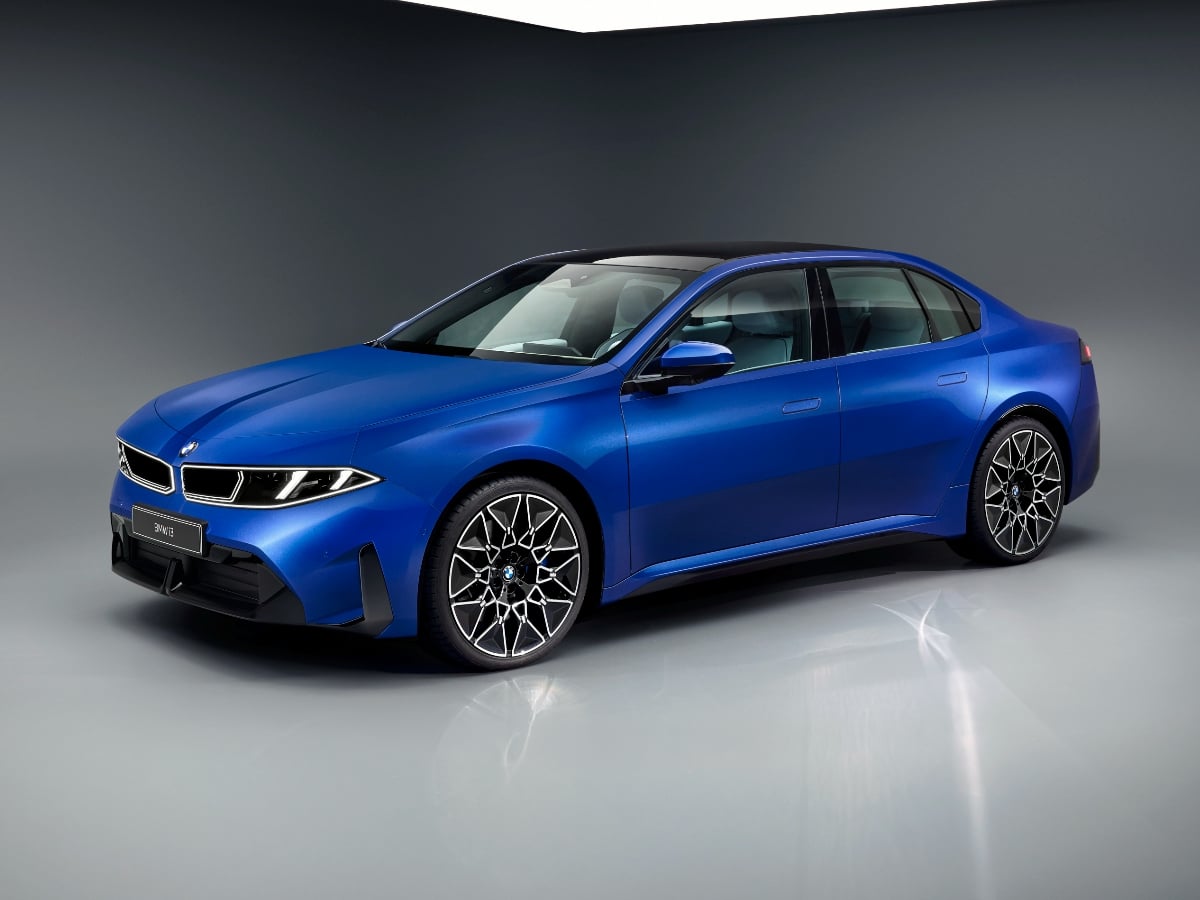
The new 2027 BMW i3 boasts an estimated range of up to 440 miles, 400-kilowatt DC fast charging capability, bidirectional charging to a home or the grid, and next-generation technology.
Read the Full Article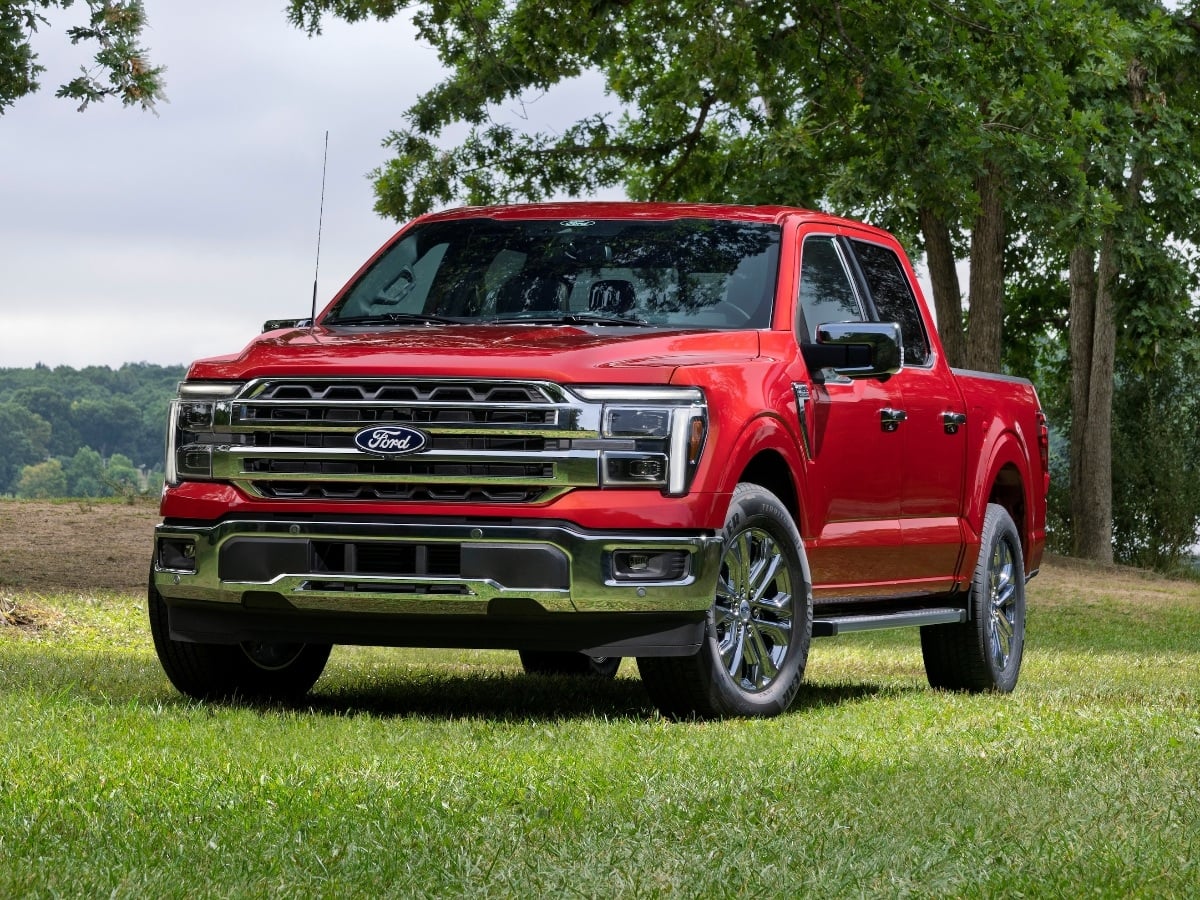
Facing renewed competition in the full-size, light duty pickup truck segment, the 2027 Ford F-150 receives subtle styling updates, a new standard engine, broader availability of its 5.0-liter V8, and ...See More
Read the Full Article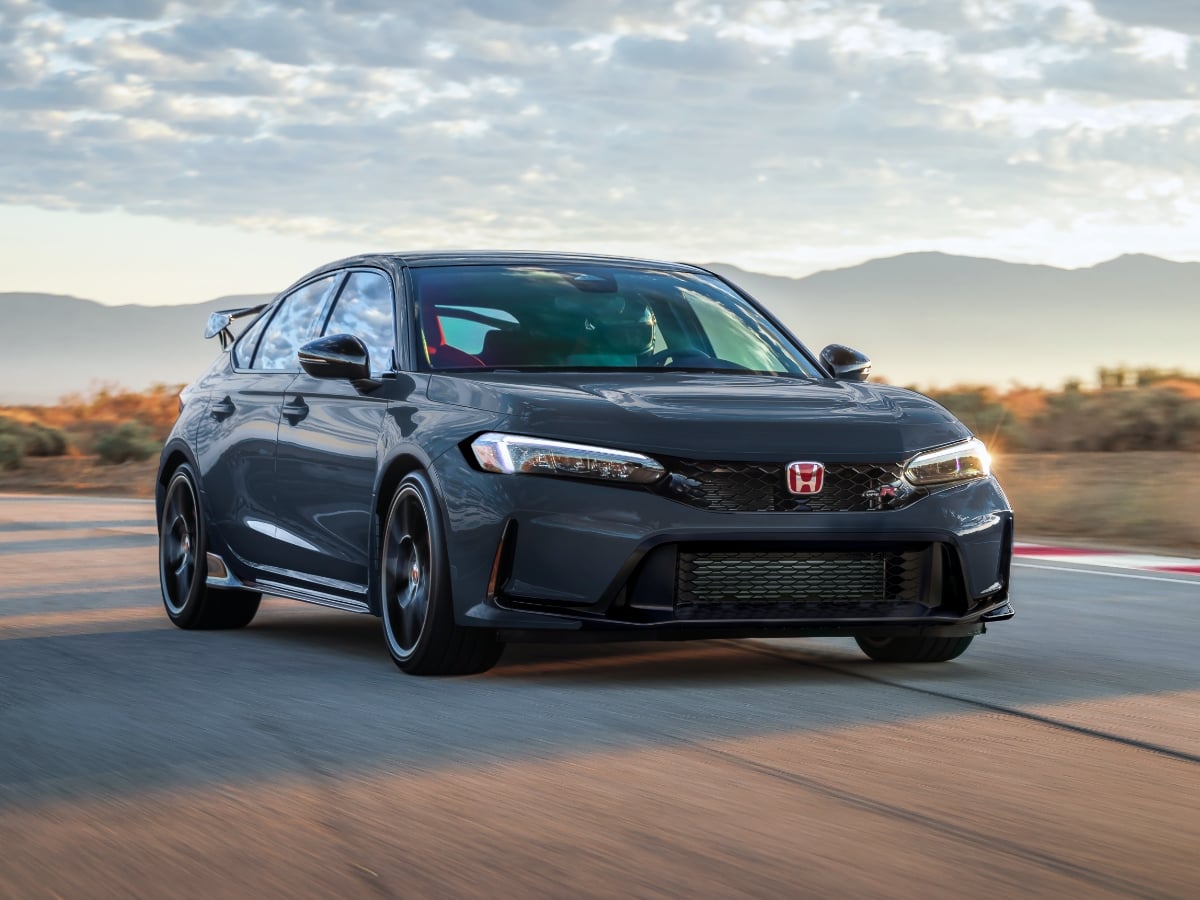
The 2027 Civic Type R goes on sale in October 2026, and it starts at $49,990, including the $1,295 destination charge.
Read the Full Article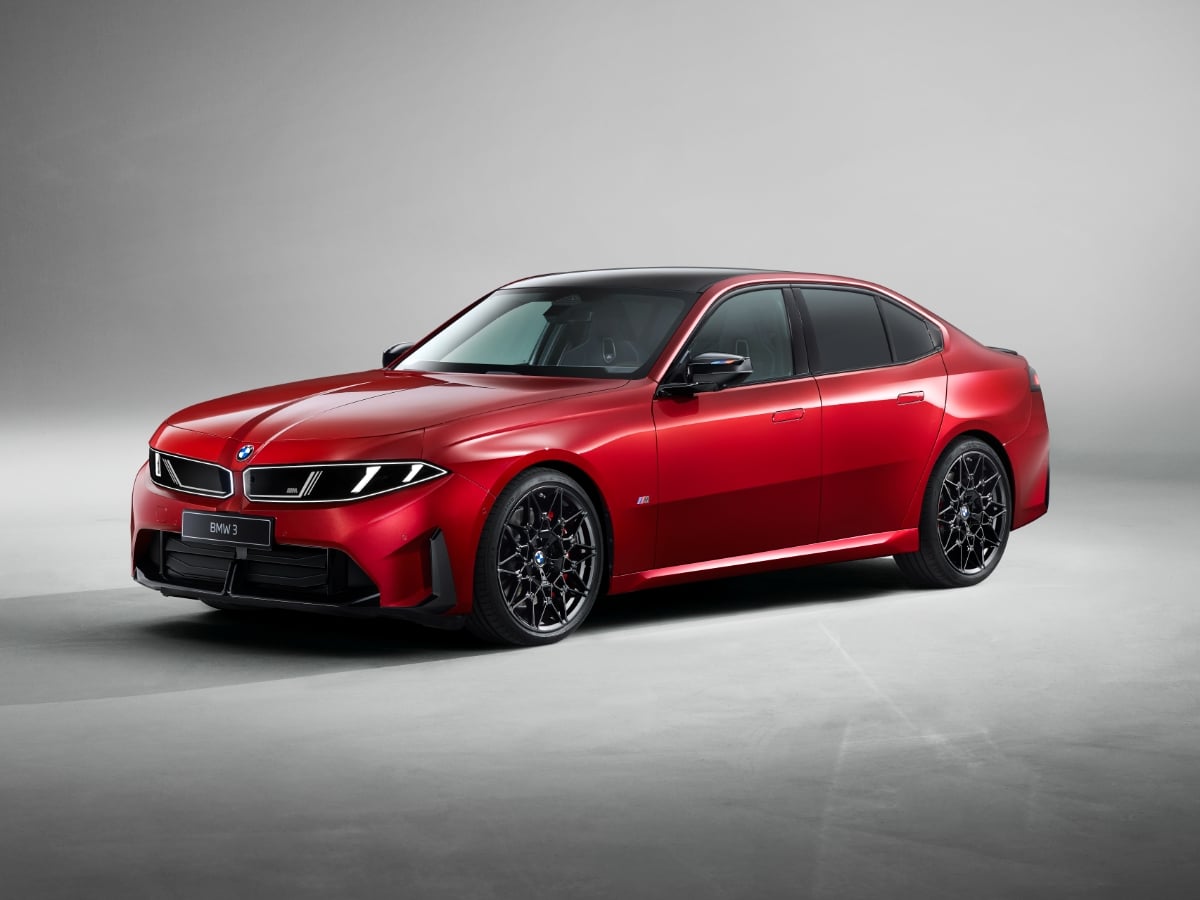
Part of BMW’s Neue Klasse (new class) rollout of redesigned models, the 2027 BMW 3 Series is all-new and goes on sale in the first quarter of 2027.
Read the Full Article