
Automakers are often proudly promoting their sustainability practices. From using recycled interior materials, to building innovative automotive production factories, to committing to phasing out fossil fuels, the environment is often front and center when automakers discuss building new vehicles.
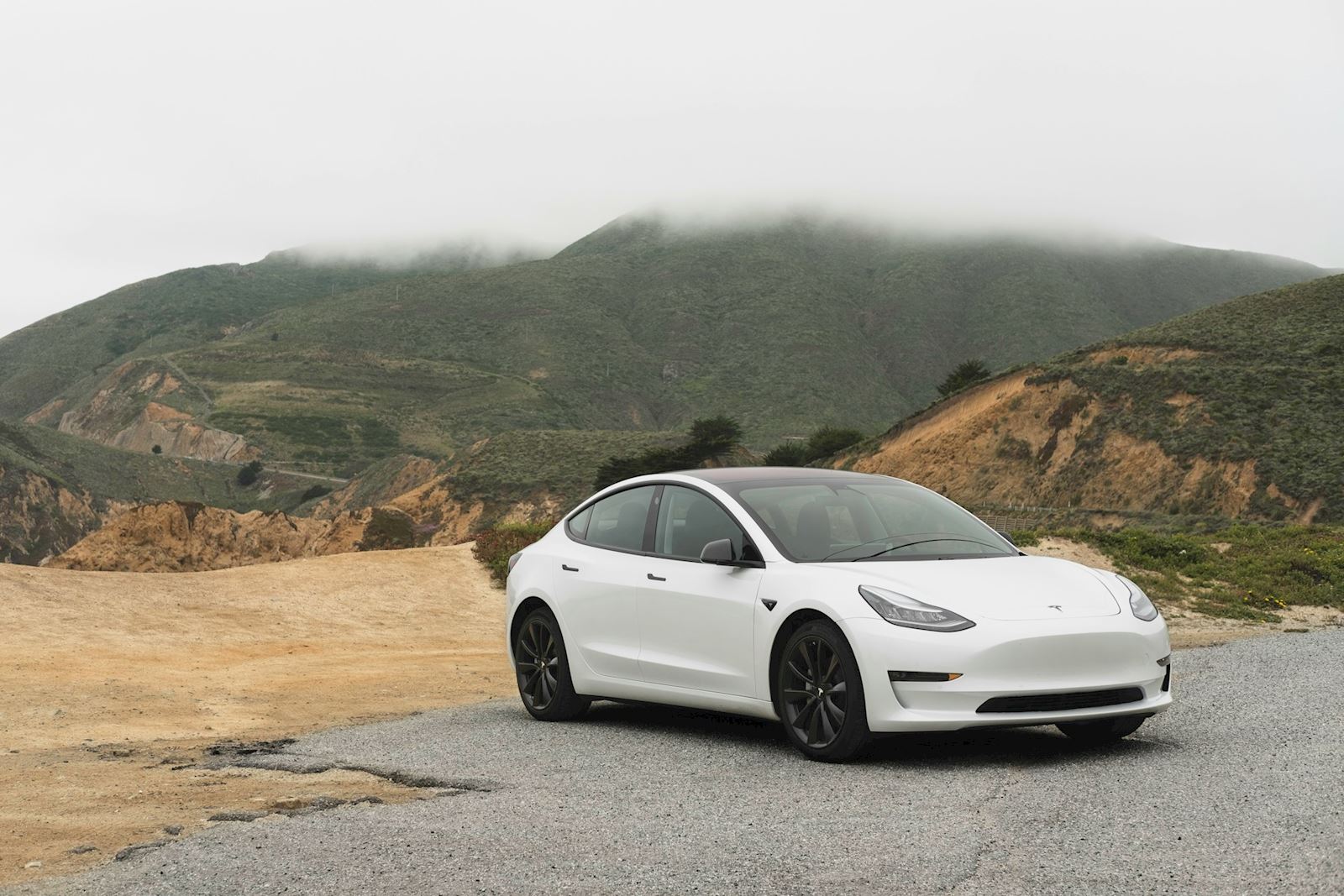
Technology adoption is a slow process, especially when a paradigm shift is required to transition from gas-powered vehicles to battery-electric vehicles (BEVs). As each phase iteratively grows, we ponder the next step. Naturally, a lot of time has been spent on the construction component of EVs as well as a recognition of the immediate environmental benefits of EVs on the road, such as eliminating exhaust fumes and breathing cleaner air.
But what comes next?
EVs are unique from internal combustion engine vehicles because they are powered by massive, approximately 1000-pound, batteries. Manufacturers will note that these batteries have a long life expectancy. However, environmentalists have questioned what happens once the inevitable occurs.
Once EV batteries are no longer usable by the vehicle, they are expected to follow a similar path as hybrid batteries. Currently, the smaller hybrid batteries are sent by automotive recyclers to companies that will dismantle the batteries into their different material components for future use. A similar approach is expected for EV batteries, but at a much, much larger scale.
EV batteries are made up of modules that contain hundreds to thousands of difficult-to-open battery cells. The cells contain the elements that are the most valuable. However, given the lack of standardization in EV battery design, the construction of the cell varies depending on the vehicle. Thus, there is not a one-size-fits-all approach to extracting valuable elements which complicates the recycling process. Regardless, each cell contains cathodes, anodes, and an electrolyte and separator. The cathode features the most valuable metals nickel and cobalt, but the challenge is that one must dissect from the battery to the module to the cell to the cathode to extract a very small amount of these metals.
The more nickel and cobalt that can be repurposed from batteries, the less mining will be required to source material for future batteries. Redwood Materials conducted an EV battery recycling pilot program that yielded promising results. Led by former Tesla CTO, JB Straubel, Redwood used over 1200 battery packs from Toyota, VW, Ford, and Volvo battery electric vehicles and hybrid vehicles. Redwood achieved 95% efficiency at extracting Lithium, Cobalt, Nickel, and Copper from these batteries.
There is a huge opportunity to reuse these valuable metals in producing future EV batteries. However, the payoff will occur once more EVs are on the road and more batteries enter the rotation of having their metals recycled. With sales of EVs growing exponentially, there simply are not very many EVs whose batteries are ready to be used at this point. According to the Bureau of Transportation Statistics, approximately 50,000 EVs were sold in the US in 2013 whereas in 2023, almost 1.2 million EVs were sold. Thus, if one were to assume a decade as an average lifespan for an EV battery, it may take another decade for manufacturers to truly start yielding the benefit of EV battery recycling.
By the time current EVs in the marketplace, for example, the Kia EV6, are ready for battery replacement 10 to 15 years from now, one could expect the automakers will have clear battery recycling practices in place. The sheer volume of batteries should yield an extraction strategy that can be refined over the course of many years of that brand’s phasing out of its initial batteries. Currently, there still are not a lot of batteries that can be studied to learn this process.
Given that China sold 6.7 million electric vehicles last year, it is not surprising that they also dominate the multibillion dollar EV battery recycling industry. With the industry forecasted to grow to $18 billion by 2028, the United States is using the Inflation Reduction Act as a measure to encourage battery recycling. The legislation has 2 eligibility requirements regarding the electric vehicle’s components that need to be met to qualify for the total $7500 tax credit:
In addition to recycling battery components, reusing EV batteries is another option once the EV battery has reached the end of its lifecycle in the vehicle. In 2018, Nissan repurposed 148 new and used Leaf EV batteries to power Amsterdam’s ArenA stadium. The energy storage system created with these batteries produces 3 megawatts of power and is used as a backup during outages or high-user periods.
EV batteries contain valuable metals that can be recycled and repurposed for future use. Given the anticipated rapid growth of the EV battery recycling industry, automakers and governments alike are embracing opportunities to promote this sustainable practice.
Matt Yantakosol is a lifelong automotive enthusiast and former consultant focused on the consumer aspect of the industry. He has traveled to New York, Detroit, Chicago, L.A., Paris, Geneva, Frankfurt, and Tokyo Auto Shows to track and observe the newest industry innovations. In addition to JDPower.com, Matt's writing has appeared on Pcarmarket.com.


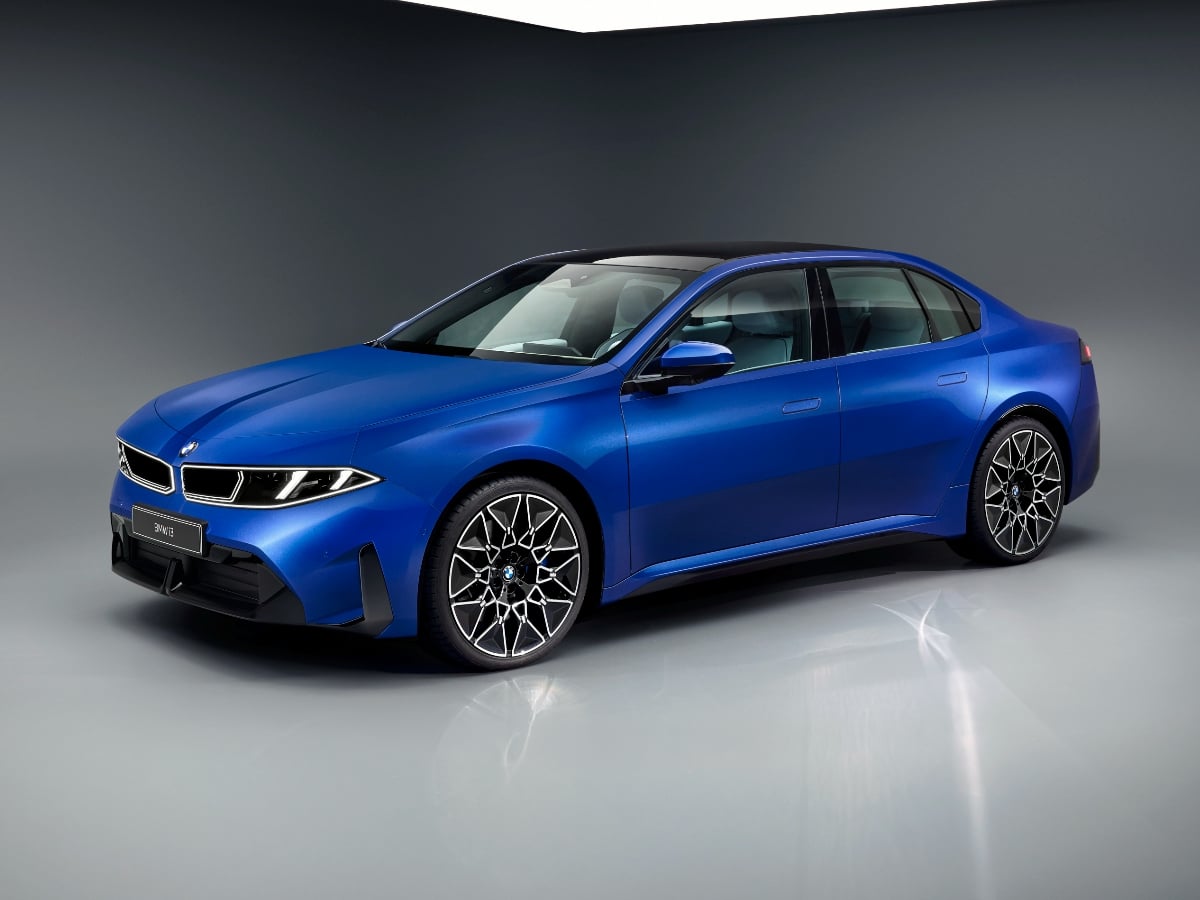
The new 2027 BMW i3 boasts an estimated range of up to 440 miles, 400-kilowatt DC fast charging capability, bidirectional charging to a home or the grid, and next-generation technology.
Read the Full Article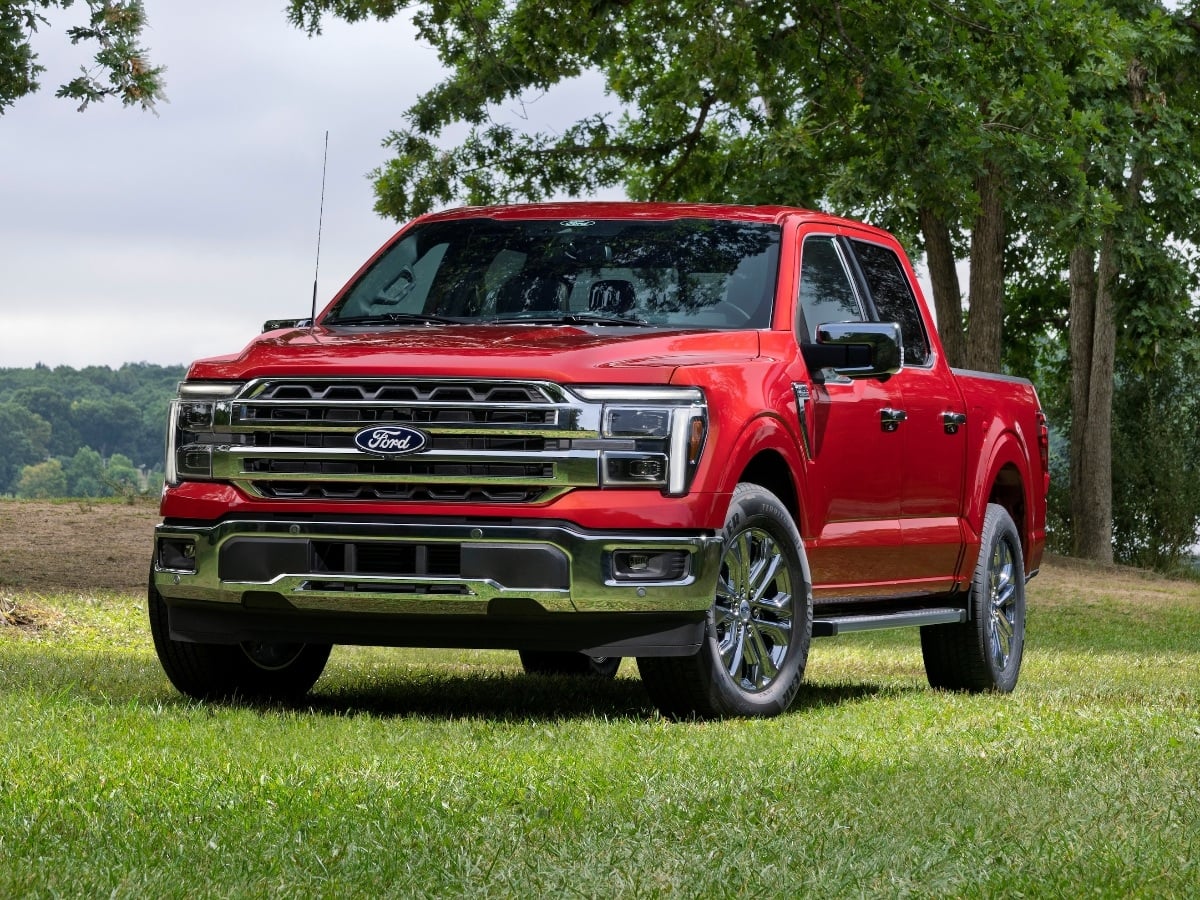
Facing renewed competition in the full-size, light duty pickup truck segment, the 2027 Ford F-150 receives subtle styling updates, a new standard engine, broader availability of its 5.0-liter V8, and ...See More
Read the Full Article
The 2027 Civic Type R goes on sale in October 2026, and it starts at $49,990, including the $1,295 destination charge.
Read the Full Article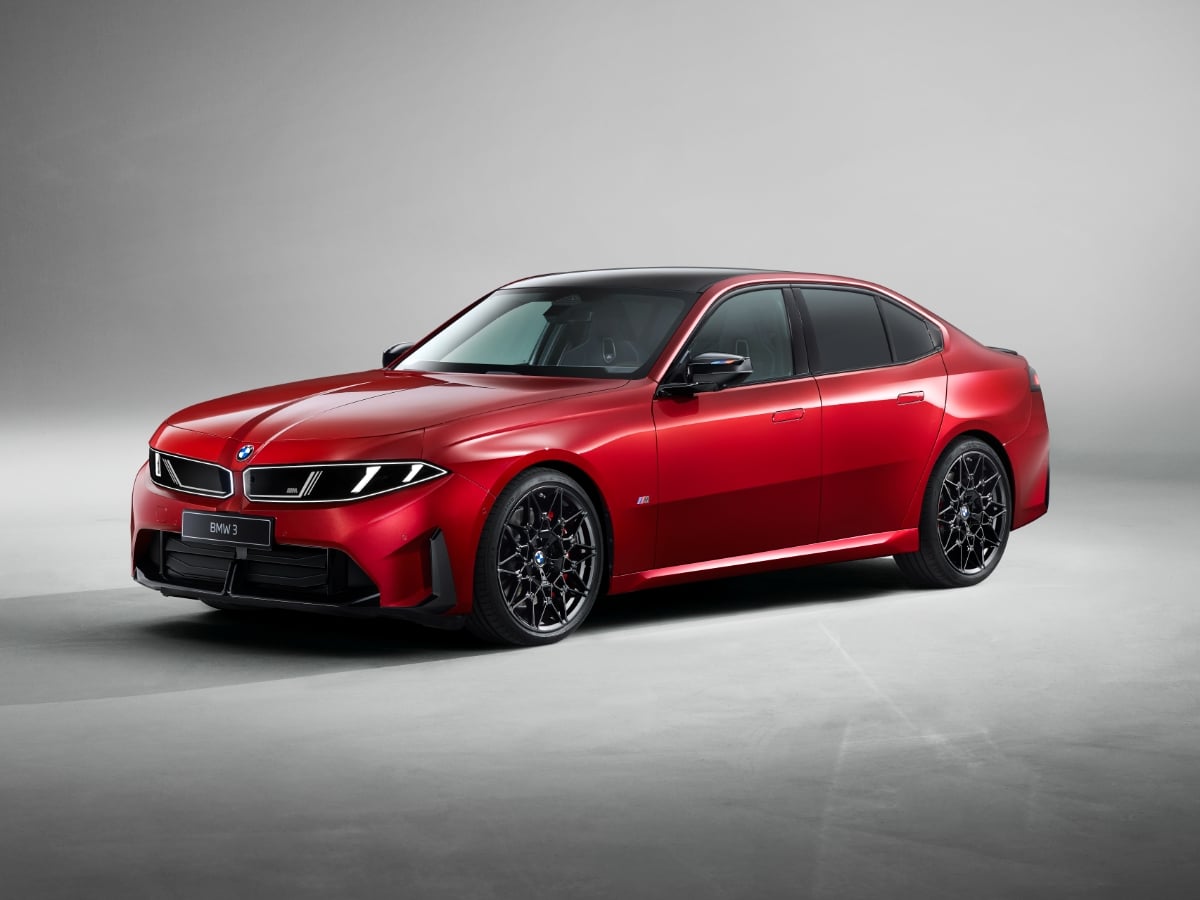
Part of BMW’s Neue Klasse (new class) rollout of redesigned models, the 2027 BMW 3 Series is all-new and goes on sale in the first quarter of 2027.
Read the Full Article