
Sales of new electric vehicles reached record levels in 2023, growing to 7.6 percent of the overall market. That’s a significant improvement over their 5.9 percent market share in 2022 and 3.2 percent in 2021.

Photo: Christian Wardlaw
In alignment with that trend, automakers are readying several new electric models in 2024. Still, they’re facing potential headwinds, ranging from changing tax credit rules to spotty charging infrastructure to fluctuating consumer demand. This article will examine those trends and how they could shape the industry in 2024.
The EV charging experience is all over the map, literally and figuratively. Depending on the part of the country, there could be plentiful but busy charging options, while other regions seem like EV charging deserts. Those challenges threaten EV adoption and sales growth, as the JD Power 2023 Electric Vehicle Experience Public Charging Study showed double-digit declines in customer satisfaction with Level 2 and DC fast charging.
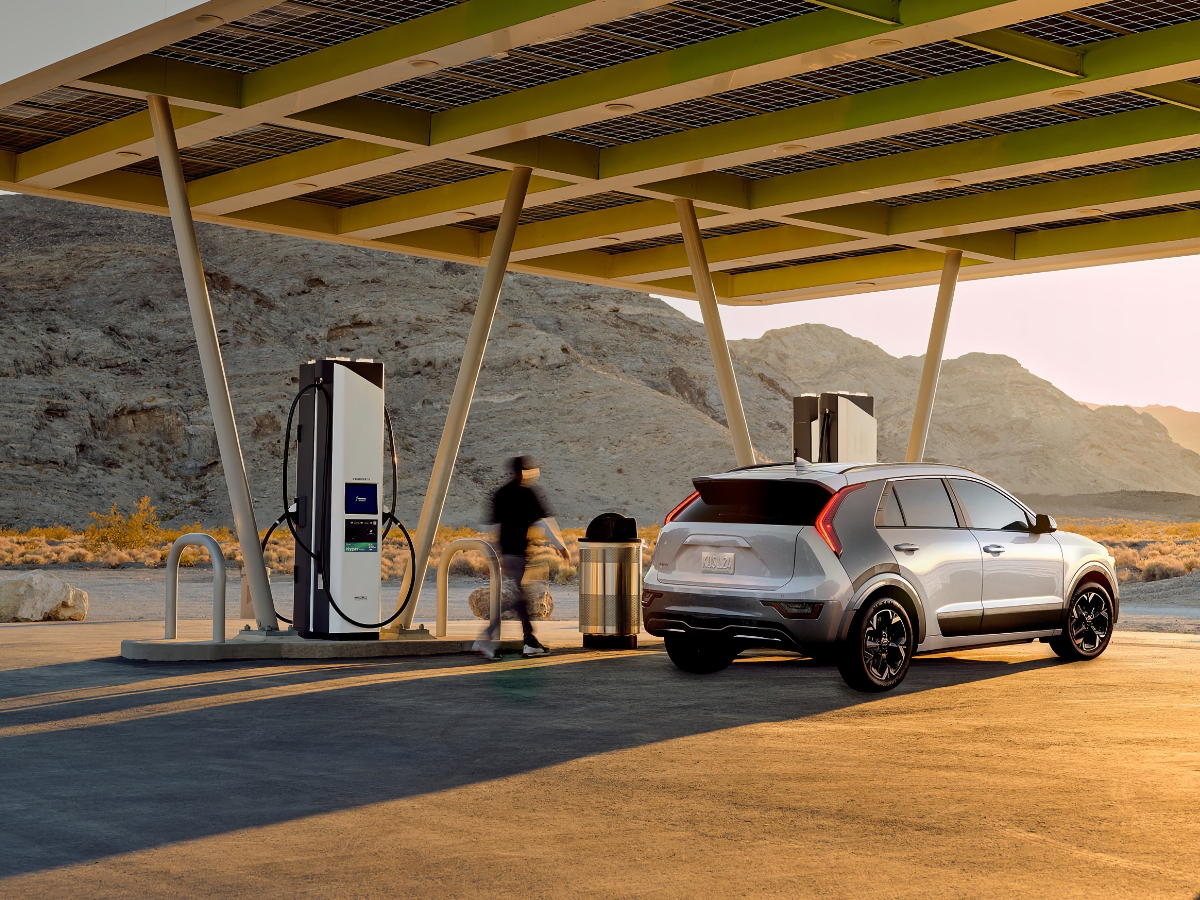
Not willing to let a poor third-party charging experience hinder profits and growth, automakers are taking a more hands-on approach to building and improving public charging infrastructure.
For example, several car companies have partnered to build thousands more chargers across North America. In addition, the switch to North American Charging Standard (NACS) plugs in future models is gathering steam because it will ensure access to the broadest number of charging stations available.
The White House is also involved in charging network buildout efforts for different reasons. Its concern lies with EV adoption, and to encourage people to make the switch, the Biden-Harris Administration announced billions in investments early last year. Several companies agreed to expand the EV charging infrastructure under the policy, which rolled out in February 2023.
The U.S. Treasury updated its EV tax credit guidance at the beginning of 2024. The credit remains $7,500, with half depending on the manufacturing location of the vehicle’s battery components and half tied to the minerals sourcing location. Aimed at reducing dependence on China for such components, the new rules cut several vehicles from the tax credit eligibility list. However, as automakers align their supply chains with the regulations, many are expected to regain eligibility.
At the same time, the new rules make it much easier to receive a tax credit. Since January 1, buyers can apply the eligible amount at the point of sale instead of waiting until the end of the year. This immediate access to the sizable credit could spur EV sales.
Annual income caps still exist to obtain the credit, limiting buyers to $300,000 for married couples filing jointly, $225,000 for heads of households, and $150,000 for other taxpayers. In addition, the rules still cap vehicle prices at $80,000 for vans, SUVs, and trucks and $55,000 for others. Exceed those limits, and the credit is unavailable to you.
That “instant rebate” makes the EV immediately less expensive and gives people with lower tax burdens the ability to receive the full credit rather than a partial amount. Previously, some buyers missed out on part or all the tax credit due to owing less than the credit amount for their taxes.
It’s important to note that dealers have to apply to issue the credits, and not all have, so check with your local store as you start the shopping process.
Some companies have responded to the rule changes by discounting models temporarily ineligible for a credit. Others are leaning on leases to push EV sales, as a “loophole” in federal tax credit rules classifies leased EVs as commercial vehicles, which makes them eligible for the credit.
Automakers could cut prices in 2024 to subsidize demand and issue discounts and incentives throughout the year.
Half of the $7,500 EV tax credit relies on a vehicle’s battery component manufacturing location, 60 percent of which must be in North America for 2024. That has made it impossible for some automakers to qualify for credits due to their overseas manufacturing locations.
The other half of the credit requires changes to supply chains and sourcing, which automakers can solve by localizing production in North America. That has led several companies to invest significant sums in building new manufacturing capabilities and retrofitting existing facilities, though the money flow is tightening as EV demand slows.
While gaining access to tax credits will help automakers, the move to manufacture in North America will bring more jobs, and domestic raw materials sourcing will add even more.

Late in 2023, dealers had more than twice the days’ worth of EV supplies than they had in late 2022. Though sales topped one million units in 2023, EVs didn’t sell fast enough to keep pace with enthusiastic production volumes.
Higher-priced units stick around the longest, and many of the less costly models took a beating from aggressive price cuts and the wide availability of tax credits associated with one of the best-selling brands in the market. It’s also worth noting that EVs still comprise tiny percentages of some of the most popular vehicle segments, such as compact SUVs.
That said, hybrids had a much stronger showing and had far fewer days of inventory closing out 2023. That plays into some automakers’ arguments that a multi-pronged approach is best to reach meaningful emissions reductions instead of leaning only on EVs. However, falling EV prices and improved charging infrastructure may bolster electric vehicle popularity going forward.
Buyers may become more receptive to EVs in response to resolutions to infrastructure issues and pricing concerns. Still, there’s a long way to go before we reach the levels of adoption targeted by automakers and the government.
When you’re ready to learn more about electrified vehicles, including EVs, hybrids, or plug-in hybrids, head to our website’s Electric Vehicle Hub.
Chris Teague is an experienced writer in the automotive and technology fields. In addition to JDPower.com, his work appears at Forbes, The Drive, Autoweek, and others.


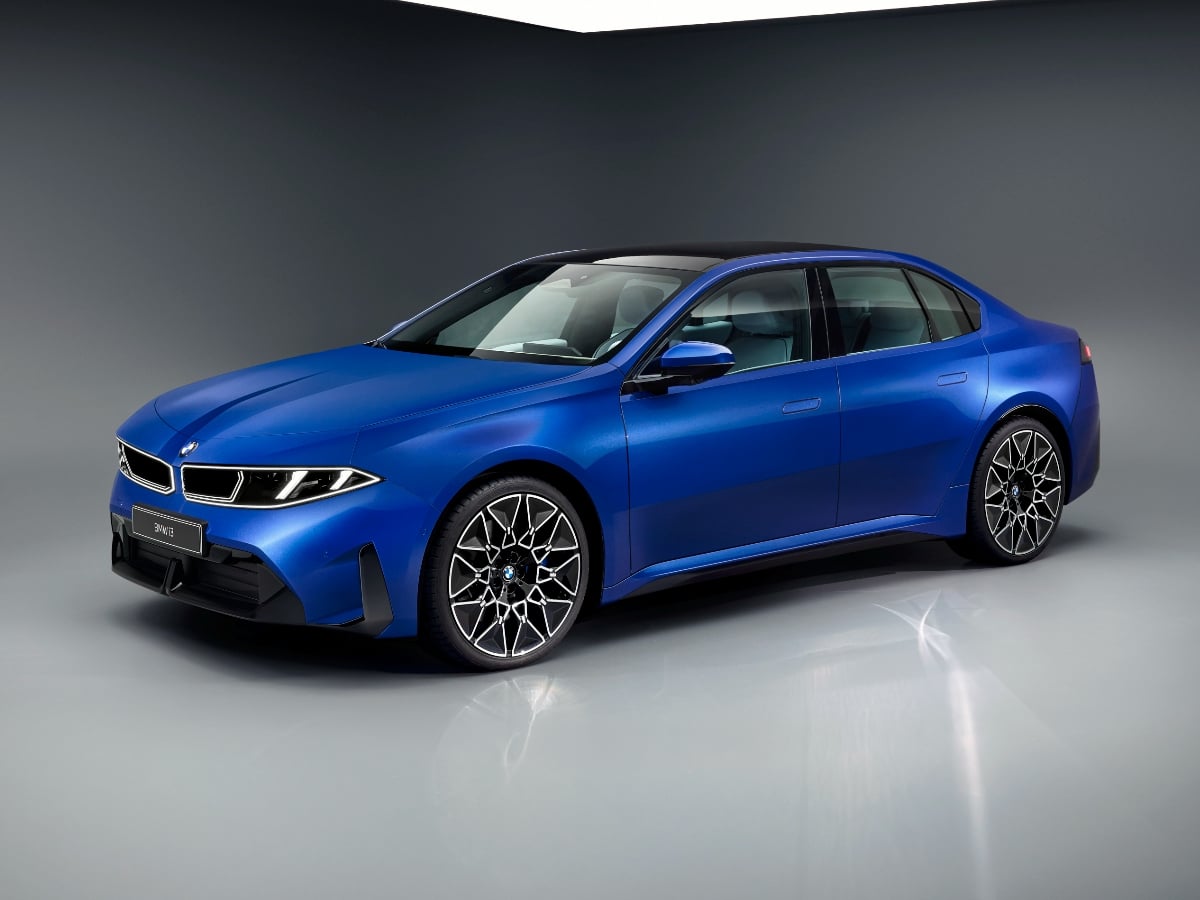
The new 2027 BMW i3 boasts an estimated range of up to 440 miles, 400-kilowatt DC fast charging capability, bidirectional charging to a home or the grid, and next-generation technology.
Read the Full Article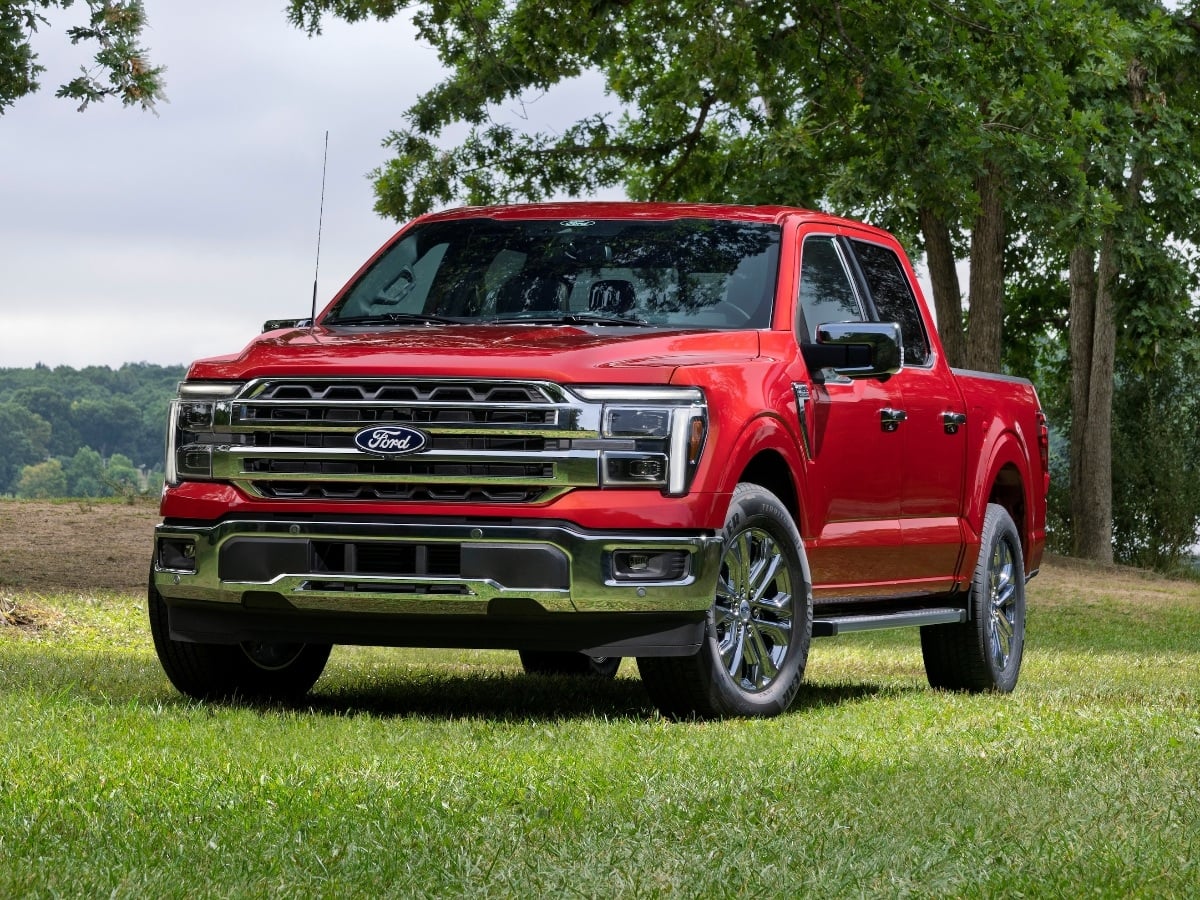
Facing renewed competition in the full-size, light duty pickup truck segment, the 2027 Ford F-150 receives subtle styling updates, a new standard engine, broader availability of its 5.0-liter V8, and ...See More
Read the Full Article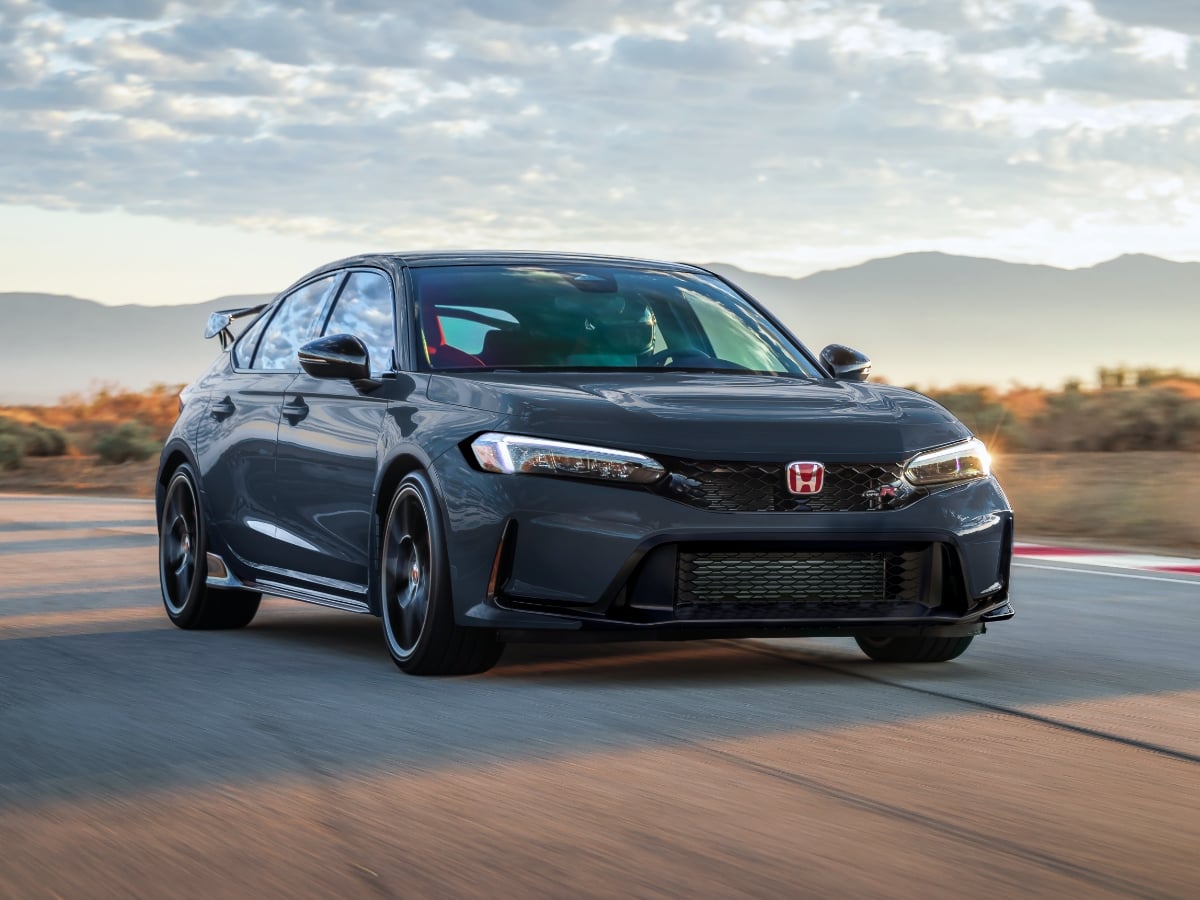
The 2027 Civic Type R goes on sale in October 2026, and it starts at $49,990, including the $1,295 destination charge.
Read the Full Article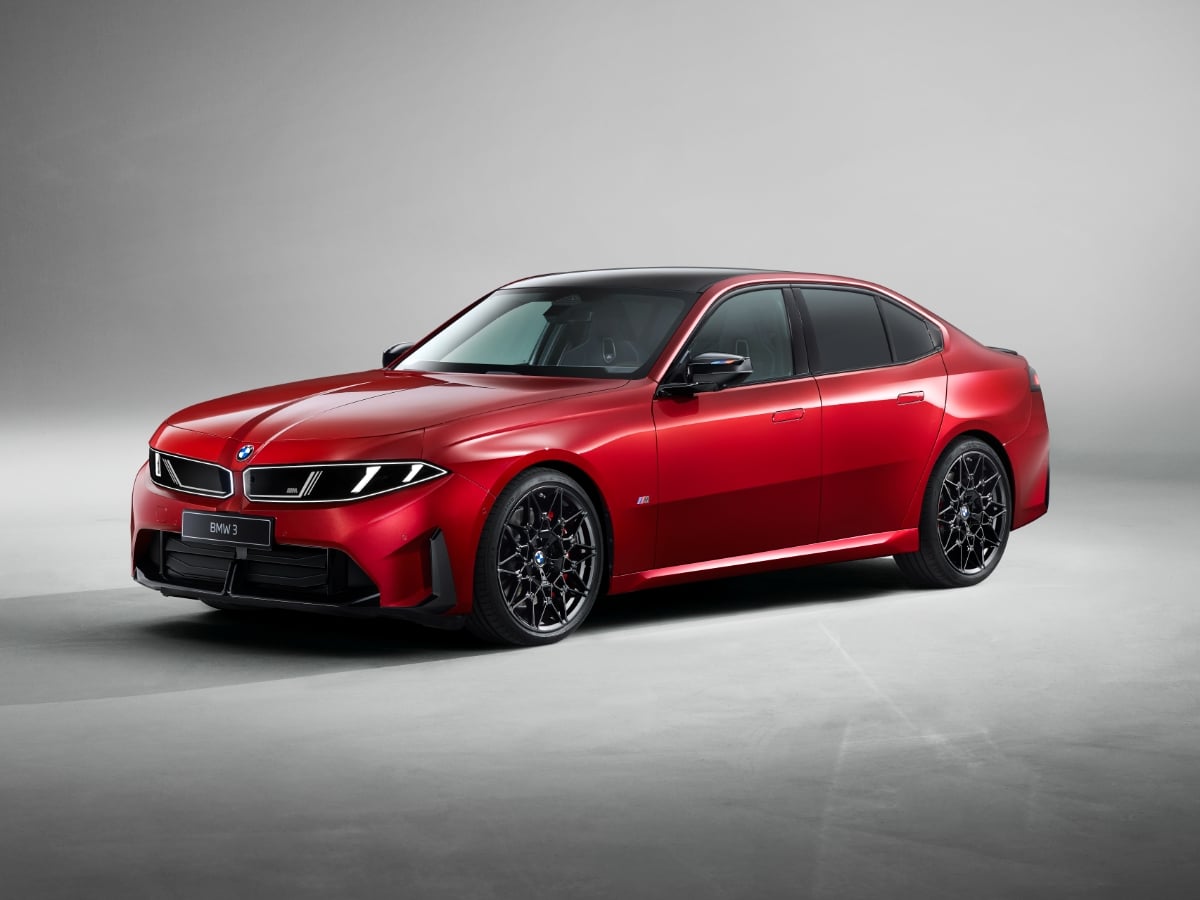
Part of BMW’s Neue Klasse (new class) rollout of redesigned models, the 2027 BMW 3 Series is all-new and goes on sale in the first quarter of 2027.
Read the Full Article