
Winter driving merits additional driver preparedness such as snow tires and clearing your car of snow. While these are necessary from a safety perspective, other cold-climate-related driving behaviors might not be required. This article covers the practice of warming up your car and whether it is still needed.
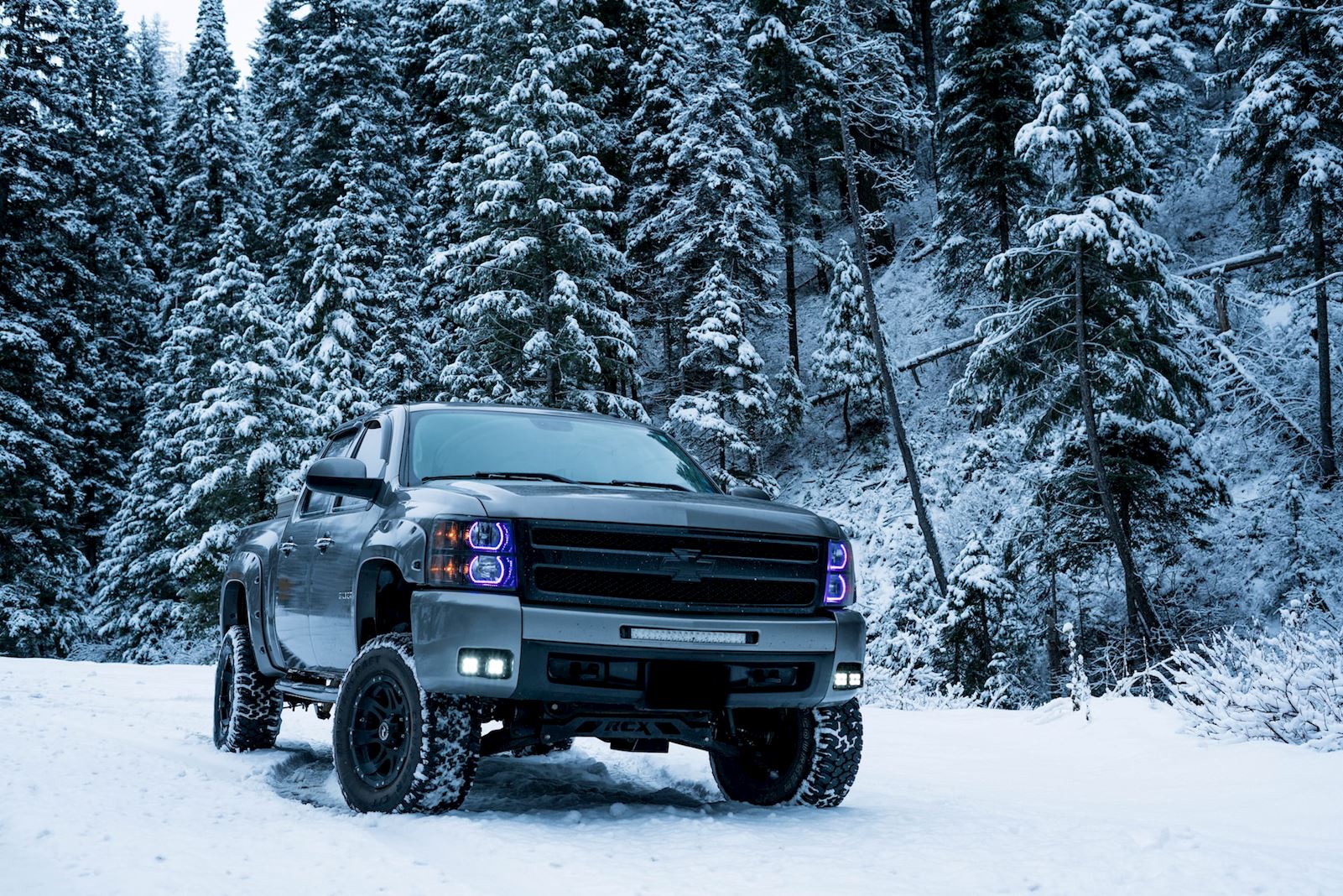
Before the mid-1990s, most vehicles used a carburetor, a mechanism that blends air and fuel for internal combustion engines in a suitable air-to-fuel ratio. But during the late 1980s and 1990s, American car manufacturers began switching to fuel-injected engines.
Older cars, which relied on carburetors, did need warming up to work well. Without warming up, the carburetor would not be able to get the right mix of air and fuel in the engine, and the car would stall out. Because of that, drivers sometimes waited for 10 minutes before even entering the vehicle.
The switch between engine types solved this issue a very long time ago. Carburetors are no longer under your hood, and you wouldn’t cause any damage to your car if you were to drive it from the get-go.
Nonetheless, warming your vehicle up still provides some benefits.
The appeal to get into a warm vehicle is quite strong. Plus, most drivers think warming up their car is good for the engine. But is it true?
Let us start with the engine. One of the benefits of warming up is that you allow your engine to lubricate itself. When your car sits unused for extended periods of time, the oil drains down the bottom of the oil pan. Once you start the vehicle, the oil pump quickly moves the oil throughout the motor, lubricating all necessary engine components. Letting your car stay idle with the engine on can help quickly finish the lubrication process. It would also allow your engine to last longer, provided you are diligent with maintenance.
Warming up also helps to deal with a frosty windshield. The temperature rises quickly, clearing the windshield and allowing you to retain visibility when driving.
However, you should be mindful of how long you let the car sit idle to avoid unnecessarily wasting fuel. According to Energy Saver, idling can use a quarter to a half-gallon of fuel per hour, depending on engine size and air conditioner use.
Some drivers idle the engine for 10-20 minutes to warm up their cars. However, idling for prolonged periods simply wastes fuel and provides no real tangible benefits.
In modern vehicles, engine lubrication takes about 20 to 30 seconds. Whenever you hop in, start the car, put the seat belt on, and get situated, the engine might not reach the proper temperature but will always be fully lubricated.
The fastest way to warm up the engine is by driving. The upside to avoiding long idling is that you will save money on gas and pollute the environment less.
With the absence of a carburetor, warming up a modern internal combustion engine vehicle no longer yields the same benefit it provided in decades past. However, warming up an electric vehicle improves performance in cold weather. This practice is known as “preconditioning” and is most effective when the vehicle is charging. Preconditioning improves your battery performance while not emitting exhaust.
Preheating your EV is recommended because a warmed-up battery more efficiently receives energy produced by one-pedal driving. Thus, a warmed-up EV runs more economically from the time you start your trip. Similarly, the best time to charge your EV is immediately after driving when the battery is still warm as it will accept energy more efficiently.
Although preconditioning times vary from vehicle to vehicle, Tesla recommends turning on the climate control 30 to 45 minutes before driving. Drivers can set their temperature preferences in the mobile app and receive an alert when the vehicle has reached the desired temperature. Ford has a similar process through the FordPass App. This functionality isn’t reserved for winter and can be used to cool the vehicle during warm weather as well.
To get the most out of preconditioning your EV, consult your owner’s manual about recommended time and temperatures. Preconditioning is available on most EVs.
Warming up your vehicle lubricates the engine and prolongs its lifecycle. Due to engineering advancements over recent decades, the protocols have evolved. Since modern vehicles do not have carburetors, internal combustion engine vehicles only need about 20-30 seconds to lubricate the engine. On the other hand, electric vehicles benefit from a process known as preconditioning where you warm or cool your EV in advance of driving to improve battery performance.
Matt Yantakosol is a lifelong automotive enthusiast and former consultant focused on the consumer aspect of the industry. He has traveled to New York, Detroit, Chicago, L.A., Paris, Geneva, Frankfurt, and Tokyo Auto Shows to track and observe the newest industry innovations. In addition to JDPower.com, Matt's writing has appeared on Pcarmarket.com.



Updates to the 2027 Honda Passport TrailSport include a reworked suspension, improved steering, subtle styling enhancements, and added standard equipment.
Read the Full Article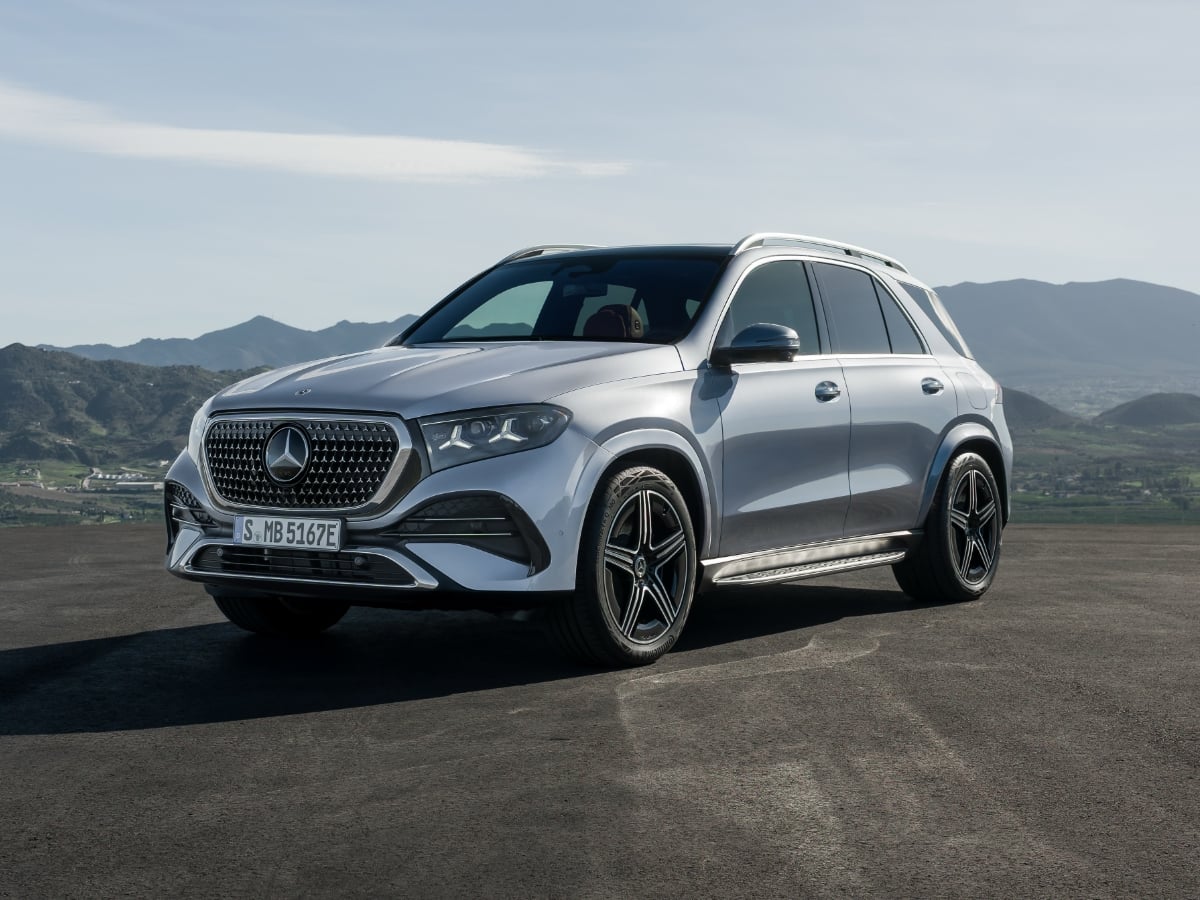
The midsize 2027 Mercedes GLE remains available in original and spicy Coupe recipes, now with standard 4Matic all-wheel drive (AWD), MBUX Superscreen technology, and a panoramic glass sunroof for ...See More
Read the Full Article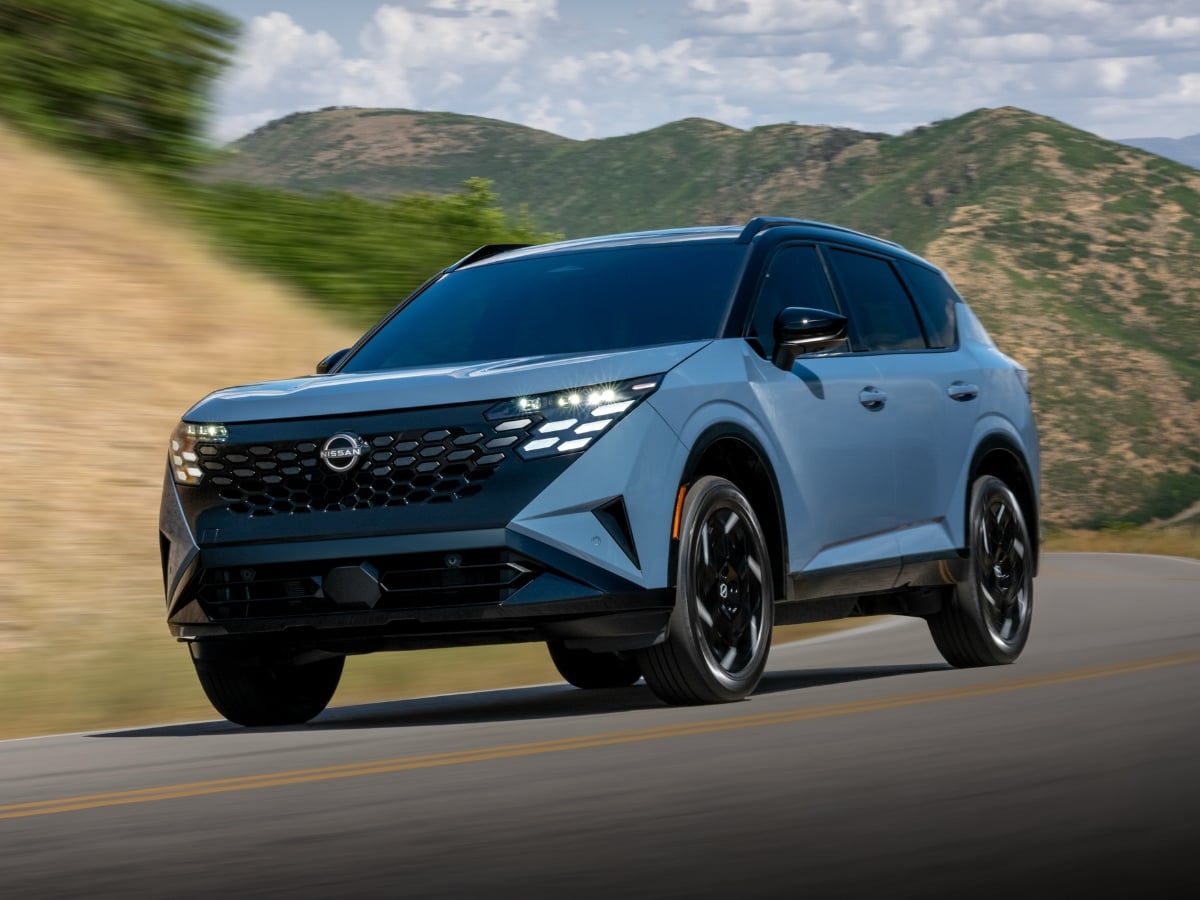
Nissan is about to introduce an innovative new SUV. The 2027 Nissan Rogue Hybrid has a gasoline engine, but it does not power the wheels. Instead, electric motors at each axle provide propulsion, ...See More
Read the Full Article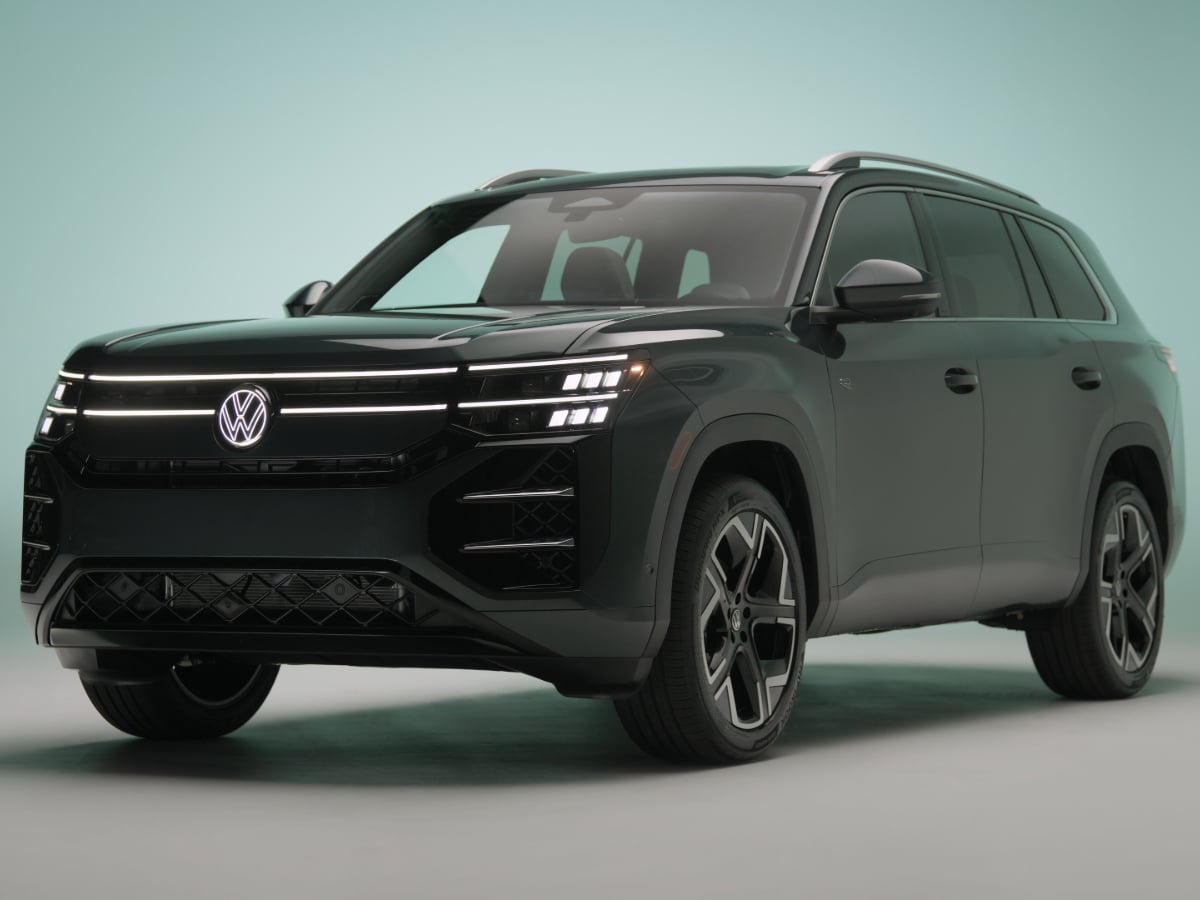
Adding European flair to the otherwise vanilla midsize three-row family SUV market, the redesigned 2027 Volkswagen Atlas debuts with a sharper exterior, an upgraded cabin, more power, and new ...See More
Read the Full Article