
As more and more people become eco-conscious and want to minimize the environmental footprint cars may have, many opt for EVs or hybrid cars. It truly helps make a difference while also allowing manufacturers to come up with exciting ideas, one of which is regenerative braking.
While the concept isn’t new, you may not know how it works or what possible benefits it brings to the table. The article aims to anticipate and extensively answer your questions while explaining how regenerative braking works.
Regenerative braking works in a very straightforward way: it captures the kinetic energy produced by a car when it slows down or comes to a stop. It is then converted into electrical energy and stored in a battery or capacitor for later use. This type of braking heavily relies on the electric motor inside your car, which acts as a generator and ensures the conversion will take place.
The energy produced powers the car’s electrical systems or, just as mentioned, sits inside the battery for later use. The onboard computer can usually control the braking process and adjust the braking force applied to maximize energy capture.
There are two main types of regenerative braking: mechanical and electrical. Each type has unique advantages and disadvantages, and understanding how they work can help you determine which type best suits your needs.
Mechanical regenerative braking is typically used in hybrid and fuel-cell vehicles. This type of regenerative braking uses the vehicle's kinetic energy to turn a motor, which converts the energy into electricity. The electricity is stored in a battery or capacitor for later use. One of the main advantages of mechanical regenerative braking is that it is a simple and cost-effective solution that can be easily integrated into existing vehicle designs. However, it is less efficient than electrical regenerative braking and can be limited by factors such as the weight and size of the motor.
Electrical regenerative braking, on the other hand, is used in pure electric vehicles and some hybrid vehicles. This type of regenerative braking uses the electric motor to slow the vehicle down and convert the kinetic energy into electrical energy. The electrical energy is then stored in the battery for later use. Electrical regenerative braking is more efficient than mechanical regenerative braking and can recover more energy during braking. However, it requires more sophisticated control systems and can be more expensive.
The main benefit of regenerative braking is increased fuel efficiency. By capturing the kinetic energy produced during braking, regenerative braking reduces the amount of energy that is wasted as heat and puts that energy back into the vehicle's electrical system. This can result in significant fuel savings, particularly in stop-and-go driving conditions.
Regenerative braking also reduces brake wear and tear, extending the life of the vehicle's braking system and reducing maintenance costs. In addition, regenerative braking is a more sustainable and eco-friendly alternative to traditional braking systems, as it reduces the energy wasted during braking.
One potential disadvantage of regenerative braking is that it can be more complex and expensive than traditional braking systems. This is because regenerative braking requires additional components, such as an electric motor and a battery or capacitor, which can add to the cost and complexity of the vehicle.
Regenerative braking also has limitations regarding how much energy can be captured. This is because the amount of energy that can be captured is limited by the vehicle's speed and the available space in the battery or capacitor.
Regenerative braking has become increasingly common in electric and hybrid vehicles, which plays a crucial role in extending the range of these vehicles and reducing their reliance on fossil fuels. In electric vehicles, regenerative braking converts the kinetic energy produced during braking into electrical energy, which is then stored in the battery for later use. In hybrid vehicles, regenerative braking charges the battery and provides additional power to the electric motor.
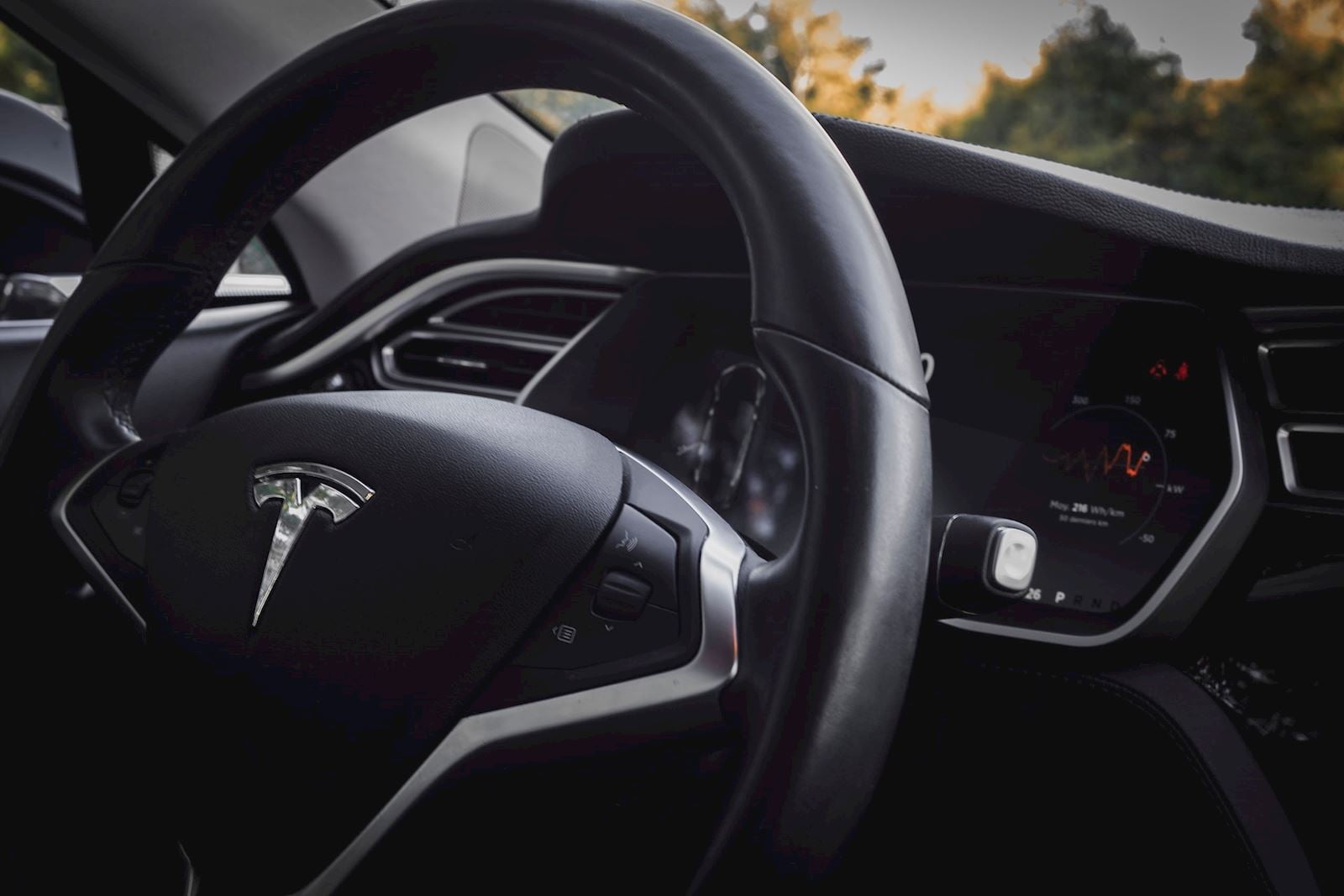
One of the most popular electric cars that uses regenerative braking is the Tesla Model S. The Model S features a powerful regenerative braking system that can be adjusted to different levels of aggressiveness, allowing drivers to fine-tune their driving experience and maximize their vehicle's efficiency. The Model S also features an advanced power management system that allows it to recover up to 90% of the energy that would otherwise be lost during braking.
Regenerative braking is a relatively new tech that can easily capture kinetic energy, improve fuel efficiency, reduce wear and tear, and help the environment. It helps make the future more sustainable any way you look at it and presents a promising development in the industry, albeit with a few drawbacks. So, if you wanted to know just what regenerative braking brings to the table, the article should’ve answered this question in great depth.



The new 2027 BMW i3 boasts an estimated range of up to 440 miles, 400-kilowatt DC fast charging capability, bidirectional charging to a home or the grid, and next-generation technology.
Read the Full Article
Facing renewed competition in the full-size, light duty pickup truck segment, the 2027 Ford F-150 receives subtle styling updates, a new standard engine, broader availability of its 5.0-liter V8, and ...See More
Read the Full Article
The 2027 Civic Type R goes on sale in October 2026, and it starts at $49,990, including the $1,295 destination charge.
Read the Full Article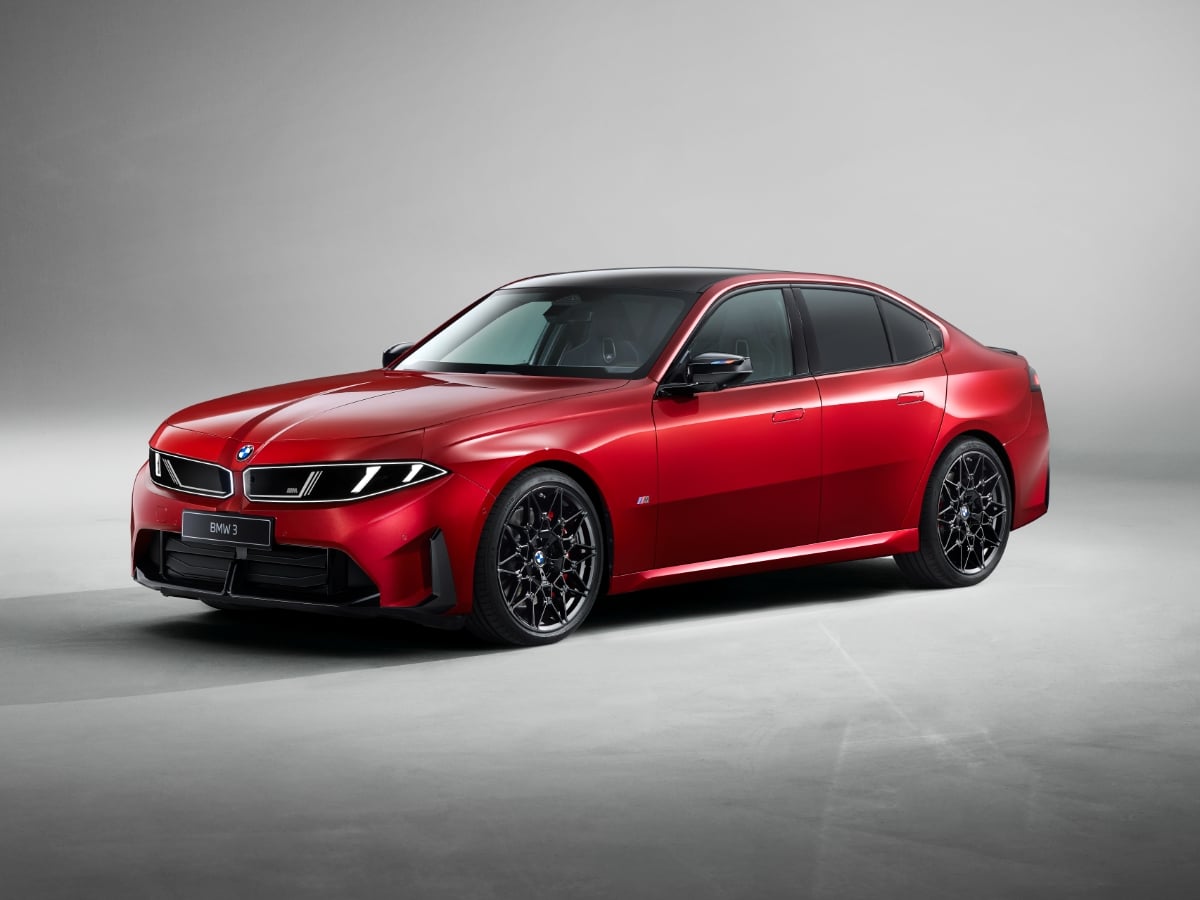
Part of BMW’s Neue Klasse (new class) rollout of redesigned models, the 2027 BMW 3 Series is all-new and goes on sale in the first quarter of 2027.
Read the Full Article