90 - 100
80 - 90
272 - 544
1 speed, Automatic
Electric
All Wheel Drive, Rear Wheel Drive
Polestar began as Volvo's performance division and has since grown into an all-electric sister brand. The 2026 Polestar 4 is the newest model, filling the narrow space between the Polestar 2 sedan and the more SUV-like Polestar 3. This approach has worked well for other carmakers, but this mid-range model emphasizes style over substance, which might turn off shoppers looking for an alternative to subcompact electric vehicles (EVs).
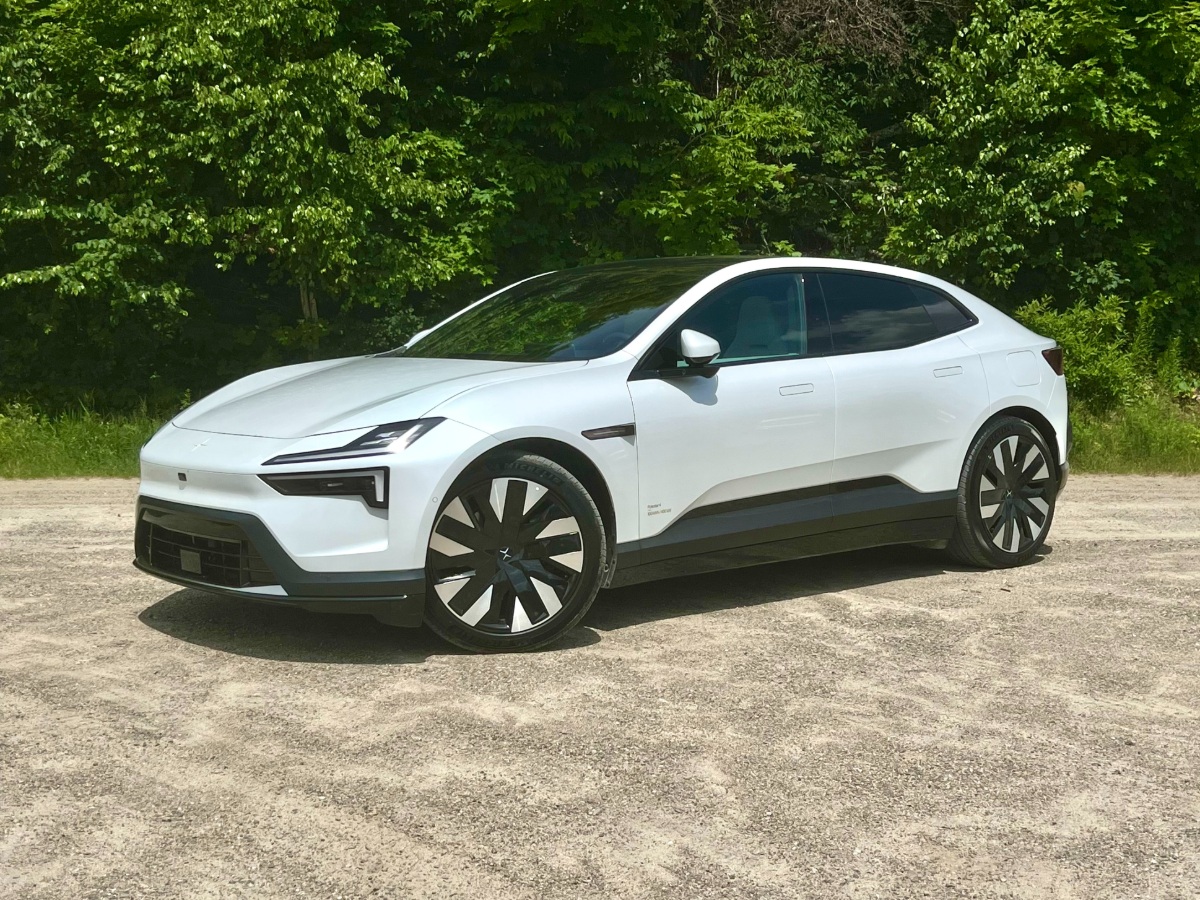
Photo: Mark Takahashi
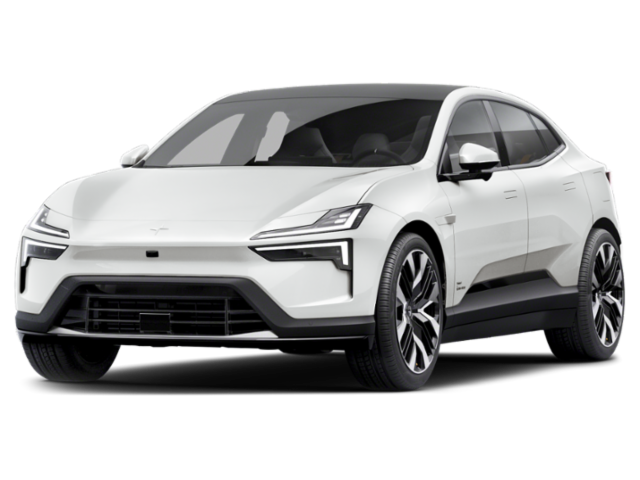
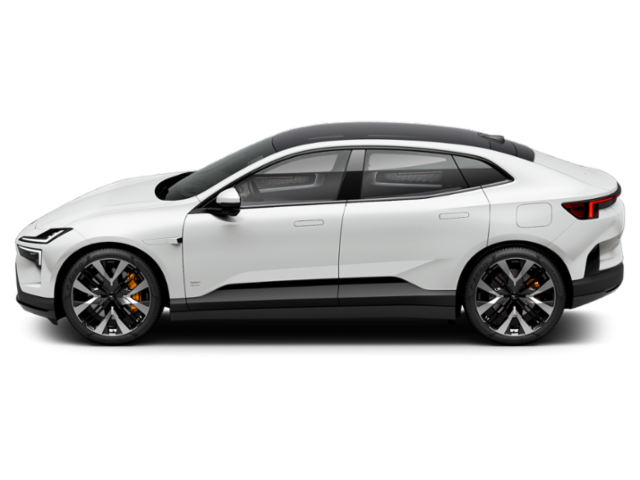
The Polestar 4 resembles a coupe-like SUV, featuring a sportier look than its boxier SUV counterparts. Like those models, its sloping roofline reduces rear passenger space and cargo capacity, but it still does not cost more than the more capable Polestar 3.
The Polestar 4 does not quite fit into a traditional vehicle category, balancing between a subcompact SUV and a wagon. It is available in two versions: the base single motor and a dual-motor upgrade. Besides differences in power, performance, and range, both come with the same list of standard features. Prices start at $57,800, with the dual-motor option increasing to $64,300. Prices include the $1,400 destination charge.
For this 2026 Polestar 4 review, Polestar provided a test vehicle equipped with dual motors and the following options:
The test vehicle’s manufacturer suggested retail price (MSRP) was $76,300, including the $1,400 destination charge to ship the crossover from the Busan, South Korea, assembly plant to a local dealership.
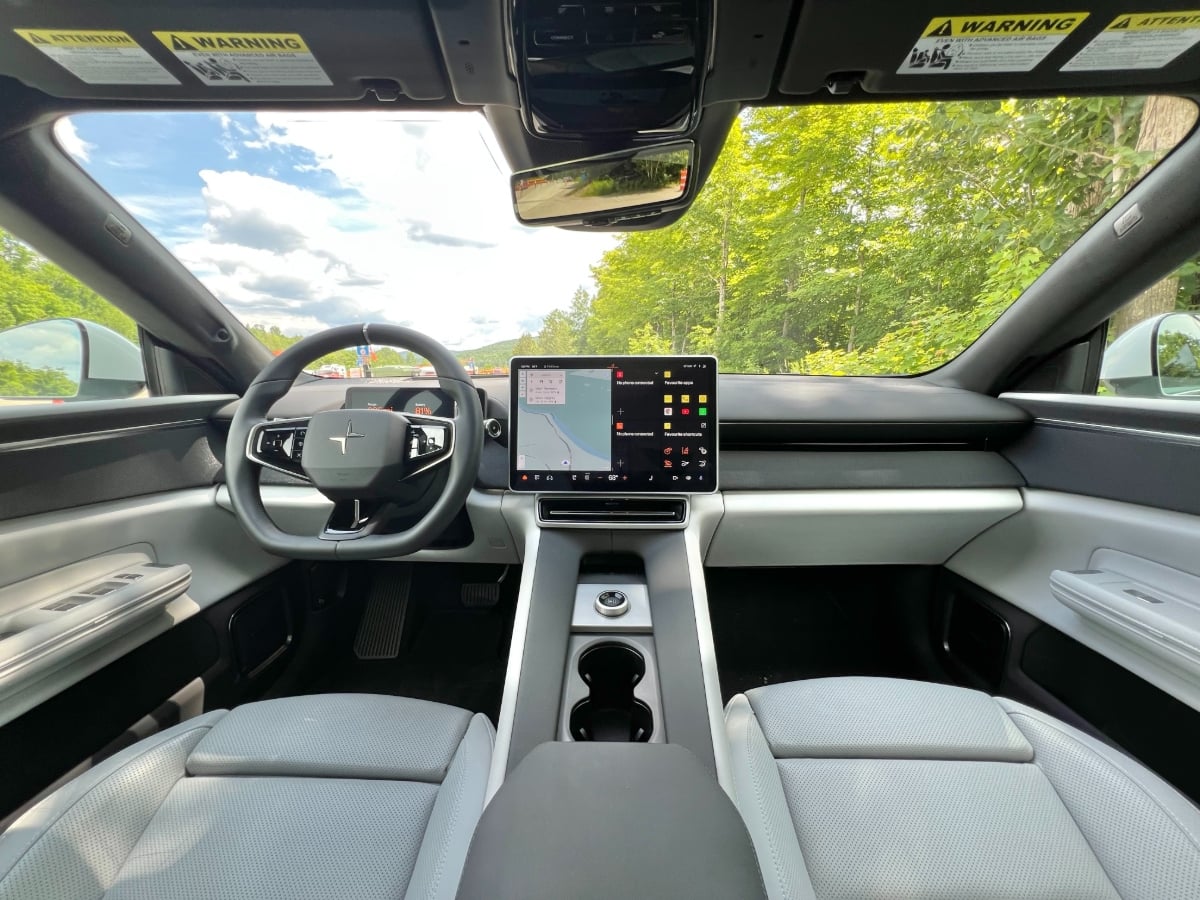
Photo: Mark Takahashi
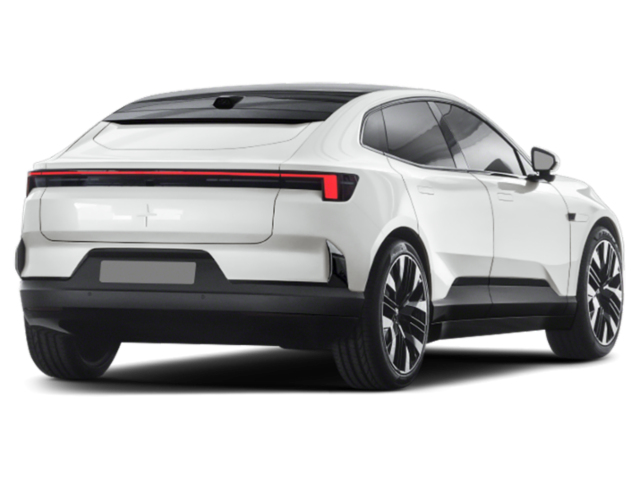
One of the Polestar 4's most distinctive features is the absence of a rear window. According to the designers, this enhances aerodynamic efficiency and increases rear seat space. I am somewhat skeptical of this explanation, as the BMW 7 Series and Mercedes-Benz S-Class are more aerodynamic than the Polestar 4, with a drag coefficient of 0.261. The rear seats are also mounted low to the floor to compensate for the lack of headroom.
Thanks to a standard digital rearview mirror, it does not feel like you are driving a windowless van, but this use of technology has a few drawbacks that I will discuss in the next section.
The Polestar 4's interior is also notable for its stark and minimalist design that reminds me of a Tesla. The attached displays emphasize the horizontal dashboard, while the center console features only two cupholders and a single knob. The cabin takes Scandinavian simplicity to an extreme but still exudes a sense of luxury and refinement.
The Chinese-built test vehicle I drove around the Montreal area featured charcoal gray textile coverings throughout much of the cabin, giving it a distinctive look and feel. It has a softer and more welcoming personality, and each panel uses an innovative process developed in collaboration with the Swedish School of Textiles. The recycled synthetic threads are woven into the final shape, providing each surface with a custom, tailored appearance that fits snugly around each element.
The front seats are more traditionally styled. With the optional Nappa upgrade, they are upholstered in premium leather and include ventilation and massage features to make longer trips more comfortable. There is ample cushioning and support to keep you comfortable, along with all the adjustments to find your ideal position. I recommend adding the electrochromic glass roof option, especially for those in warmer climates, since the summer sun can quickly roast your scalp.
The rear seats benefit from the airiness the sunroof provides because, without it, that passenger area might feel quite closed in. With the seat cushions mounted low to the floor, adults may lack some thigh support as their knees are pushed upward, creating a less-than-ideal quasi-squat position. The sloping rear roofline also requires occupants to stoop to avoid bumping their heads when entering or exiting the vehicle.
Behind those seats, the hands-free power-operated rear hatch can hold up to 18.6 cubic feet of cargo, which is small for a crossover of this size. The low lift over height makes loading heavier objects easier, but the raked fastback roofline will not allow for bulkier items. There is a 0.5-cubic-foot frunk under the hood, but it is only large enough for items like charge cables.
In contrast, the interior storage for your personal items is spacious. Moderately sized cupholders and door pockets, along with a rubberized wireless phone charger, are complemented by a large tray beneath the center console.
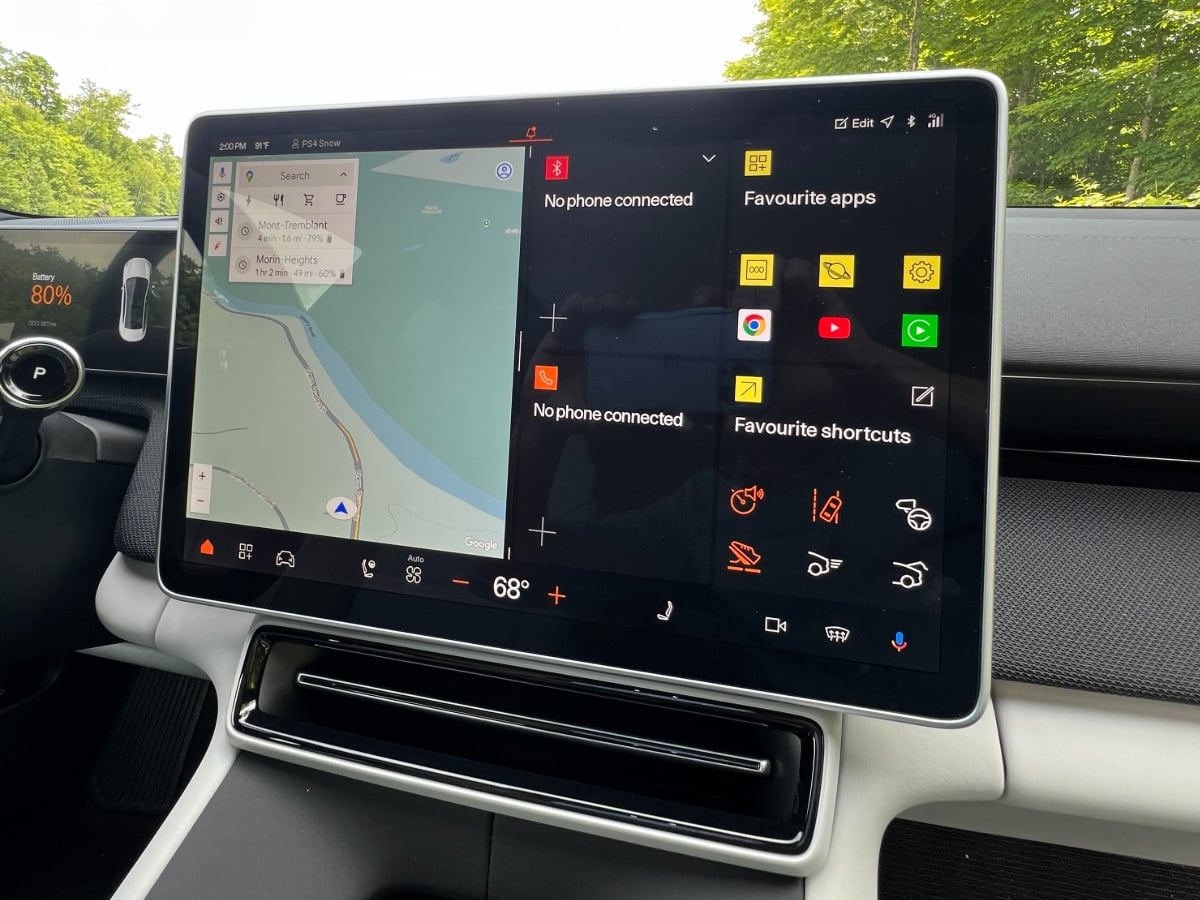
Photo: Mark Takahashi
With the noticeable absence of physical buttons and knobs, nearly all the Polestar 4's controls are managed through the 15.4-inch infotainment touchscreen and steering wheel directional pads. The lack of buttons helps create a cleaner cabin design, but makes some basic operations more complicated.
Adjusting the mirrors and steering wheel requires navigating the on-screen menus to determine what each directional pad on the steering wheel controls, but even then, it is not very straightforward. Hopefully, most owners will only have to do it once when setting up their preferences.
Speaking of mirrors, the digital rearview mirror mentioned earlier tries to fix a problem created entirely by designers. While showing a clear camera view in the mirror is not new, it still misses a key part of driving: depth perception. You can get a general idea of how close another vehicle is following you. Still, when backing into a tight parking spot, you will depend heavily on standard surround view cameras and parking sensors. It can also cause near-sightedness issues for drivers who need corrective glasses.
The infotainment system operates on the latest Google Built-in OS, which offers sharp graphics and quick responses. Unfortunately, its overwhelming menu and feature options can be intimidating. While I appreciate the extensive control over various systems, searching for the right one can become tiresome. Turning on heated or ventilated seats requires several taps on the screen, as does dimming the sunroof.
It can also be more distracting than necessary while driving. On the bright side, Apple CarPlay can fill the entire screen with large tile buttons that are easy to press without taking your eyes off the road.
Polestar's connection to Volvo remains strong, and safety continues to be a key focus. The Polestar 4 features all the advanced driver assistance systems (ADAS) expected in modern vehicles. During several hours of driving through city streets, highways, and mountain passes, I never encountered false alarms or technical issues. The adaptive cruise control maintained a steady distance from the car ahead and made smooth speed adjustments all the way to a stop.
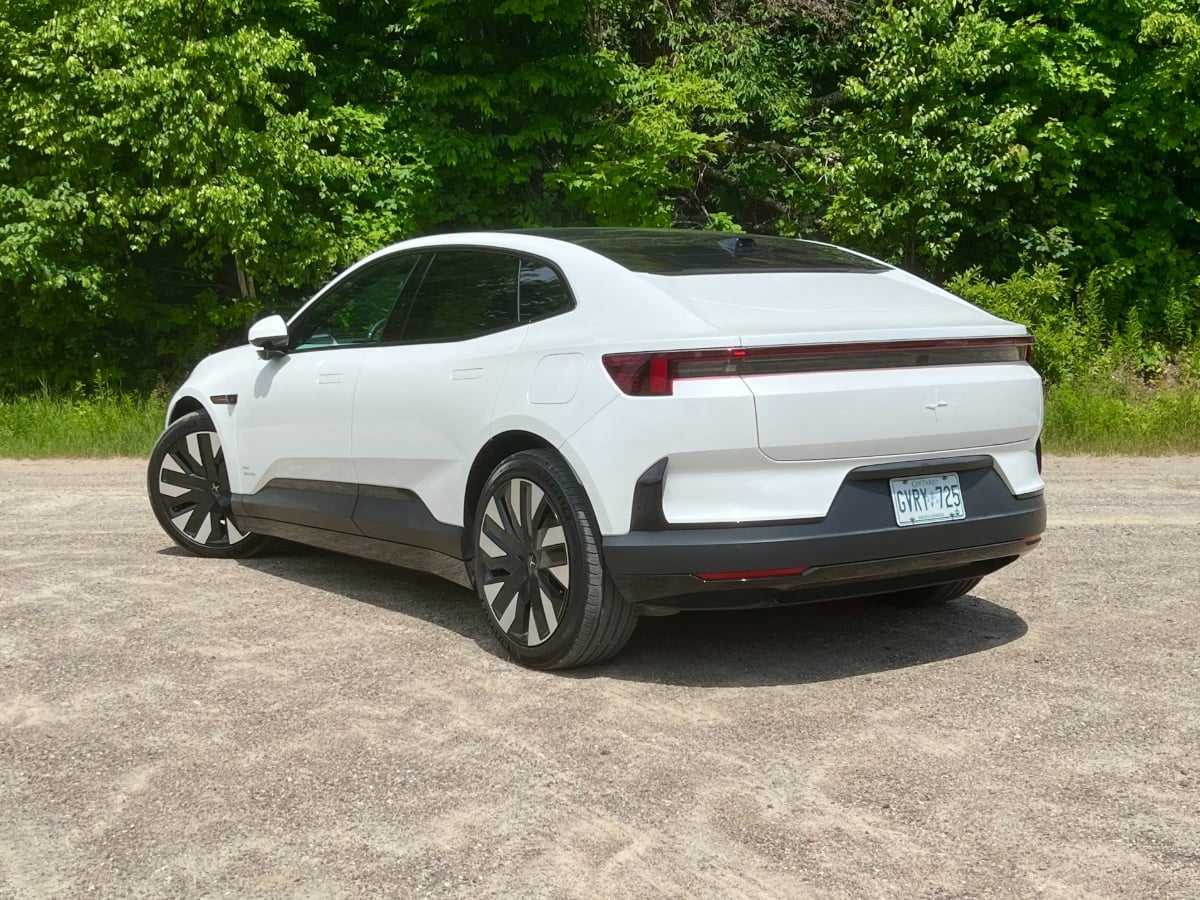
Photo: Mark Takahashi
The 2026 Polestar 4 in its base version has a single electric motor that drives the rear wheels, producing 272 horsepower and 253 pound-feet of torque. The model I tested had a dual-motor setup, with an additional motor driving the front wheels for all-wheel drive (AWD). Combined, they deliver 544 hp and 506 pound-feet of torque, which seems fitting for a vehicle weighing over 5,000 pounds.
According to Polestar, the single motor should reach 60 mph in 6.9 seconds, which is relatively slow for a modern EV. The dual motor I tested reduces that time to a more reasonable 3.7 seconds. Most drivers will probably find the single motor sufficiently powerful.
On the road, the Polestar 4 never lacked power, and it accelerated silently and gracefully like most other EVs. It can perform one-pedal driving, allowing the crossover to stop smoothly without needing to press the brake, and when quick deceleration is necessary, the mechanical brakes handle it effectively. On winding sections of the drive, the suspension proved to be more capable and sporty than expected, maneuvering through turns with precision and confidence until the vehicle's significant weight became noticeable.
While I usually prefer sporty handling, it often sacrifices ride quality, and the Polestar 4 makes a few too many compromises for sharp cornering. The ride is definitely on the stiff side and I could feel every bump and rut from the road inside the cabin.
It is worth noting that I was testing the ride comfort in the softest setting available for the adaptive suspension, and my vehicle did not have the optional Performance Pack, which includes a firmer sport-tuned suspension and larger wheels. As much as I am willing to trade comfort for handling, I think the Polestar 4 goes too far.
Unfortunately, going too far does not impact the Polestar 4's range. A 100-kilowatt (kW) lithium-ion battery pack gives the single-motor model an estimated range of 310 miles, while the dual motor drops to 280 miles. While those estimates should be sufficient for most buyers, they fall short compared to other EVs. The dual-motor Polestar 4 has an estimated efficiency of 39 kWh per 100 miles, and after some calculations, I was able to determine an equivalent of 35.7 kWh/100 miles.
When the battery depletes, it can handle DC fast charging at rates up to 200 kW. If you are fortunate enough to find a working charger that supports this rate, it should recharge the battery from 10 to 80 percent in 30 minutes. Polestar equipped my test vehicle with the common CCS Combo charge port, but the Tesla-developed NACS port will eventually replace it.
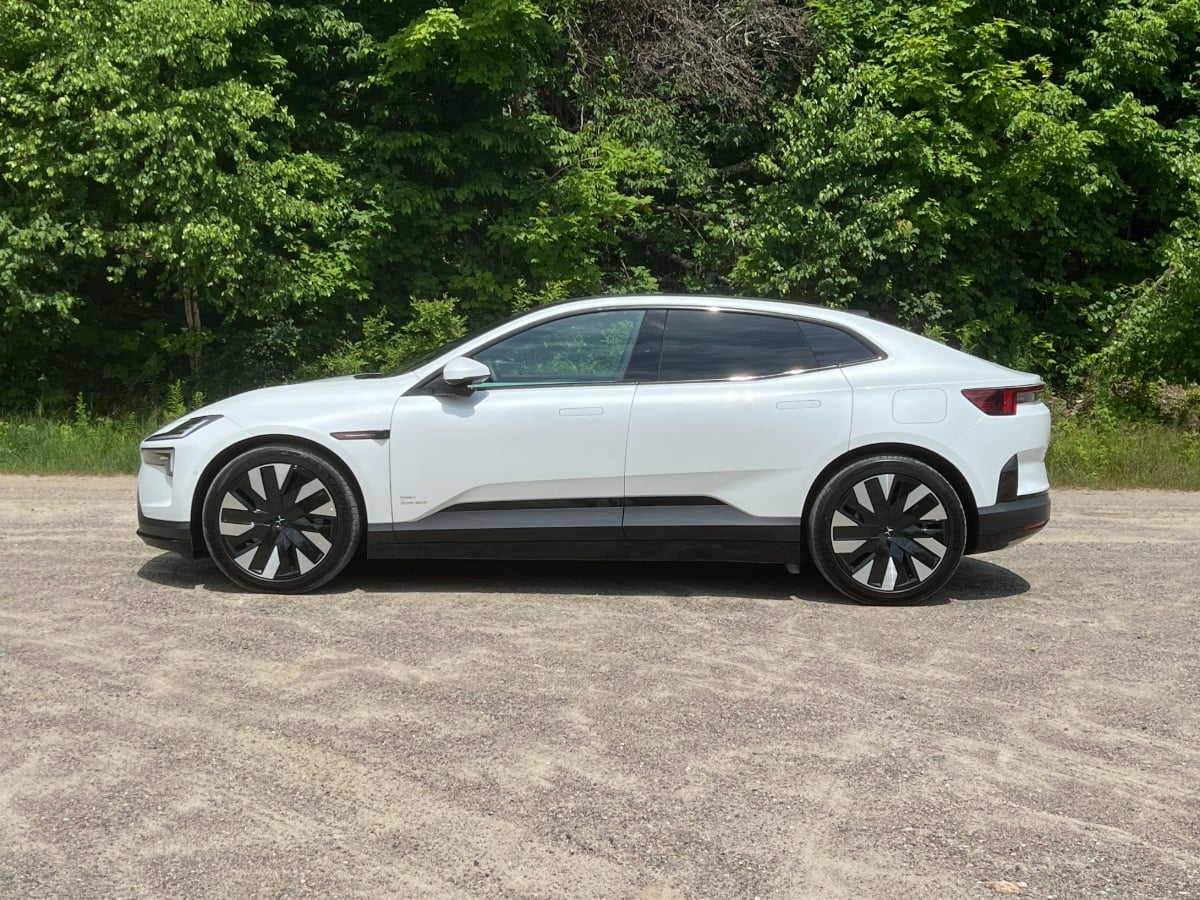
Photo: Mark Takahashi
The 2026 Polestar 4 is notable for its unique interior features and the unusual absence of a rear window, but it offers little tangible benefit for more practical buyers. It is neither particularly comfortable nor sportier than other EVs, and it will cost more than some of its main competitors. These include the Chevrolet Equinox EV and Ford Mustang Mach-E, which are also expected to provide greater range.
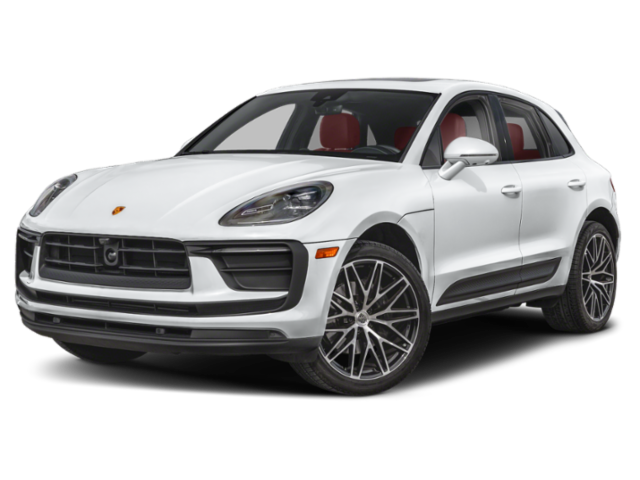
For more luxury-focused shoppers, the Audi Q6 E-tron and the new A6 Sportback E-tron cost more but are expected to travel farther on a single charge without having some of the Polestar 4's quirks. For those with bigger budgets, the BMW iX, Mercedes-Benz EQE SUV, and Porsche Macan Electric also provide greater range and more practicality.
Mark Takahashi has been in automotive publishing for over two decades, contributing detailed written and video reviews for Edmunds, Car and Driver, Autoblog, CarGurus, and Capital One. His portfolio includes everything from affordable economy hatchbacks to otherworldly exotic sports cars and everything in between.