
JD Power has released the results of its 2021 U.S. Tech Experience Index (TXI) Study, which measures how effectively automakers bring new technologies to market. The study looks at adoption (how many owners use the tech) and execution, which measures owners’ opinions of the tech in their new vehicles.

Among other things, the survey finds that some owners don’t see a use for certain vehicle features. When it comes to in-vehicle digital market tech, 61 percent say they don’t use it. In-vehicle passenger communications tools fare similarly, with 52 percent of respondents saying they have never used them.
Technologies can endear owners to their vehicles, but they must align with what buyers want. The stakes of a miss in this arena are high. “JD Power has a wealth of transactional data showing that automakers suffer a hit to profits and sales velocity if they build the wrong mix of features on their vehicles,” said Kristin Kolodge, executive director of human machine interface at JD Power. “The TXI research quantifies the benefits when there is an alignment between what owners truly want and what the automakers produce.”
Highlights from the 2021 TXI Study include:
As in the APEAL Study, JD Power does not give Tesla an official score in the TXI Study. Unlike other manufacturers, Tesla doesn’t grant JD Power permission to survey its owners in 15 states where it is required. However, JD Power gives the EV manufacturer an unofficial score based on survey responses from verified Tesla owners in the other 35 states. That said, the automaker scores well, with an Innovation Index score of 668 out of 1,000.
Several auto brands score well in the TXI Study. Genesis ranks highest overall in the premium segment with an Innovation Index score of 634. Cadillac ranks second with a score of 551, Volvo is third at 550, BMW fourth at 545, and Mercedes-Benz at fifth with 523. Hyundai (519), Kia (510), and Nissan (502) sit atop the mass-market brand rankings.
The TXI Study covers 36 technologies divided into four areas: convenience, emerging automation, energy and sustainability, and infotainment and connectivity.
Individual model highlights are as follows:
The 2021 U.S. TXI Study is based on responses from 110,827 verified owners of new 2021 model-year vehicles whom JD Power surveyed after 90 days of ownership. The study was fielded from February through July 2021.
JD Power is the source of information for this article. It was accurate on October 6, 2021, but it may have changed since that date.


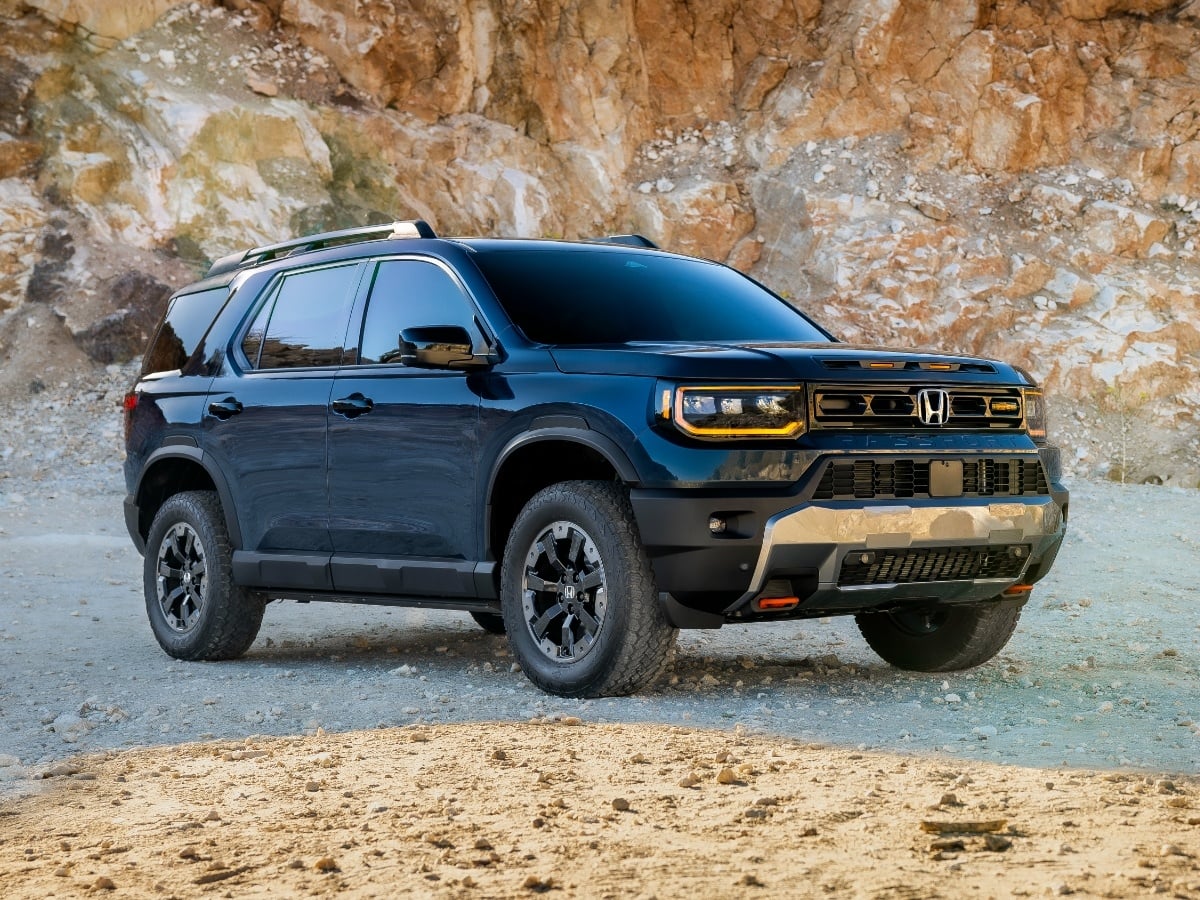
Updates to the 2027 Honda Passport TrailSport include a reworked suspension, improved steering, subtle styling enhancements, and added standard equipment.
Read the Full Article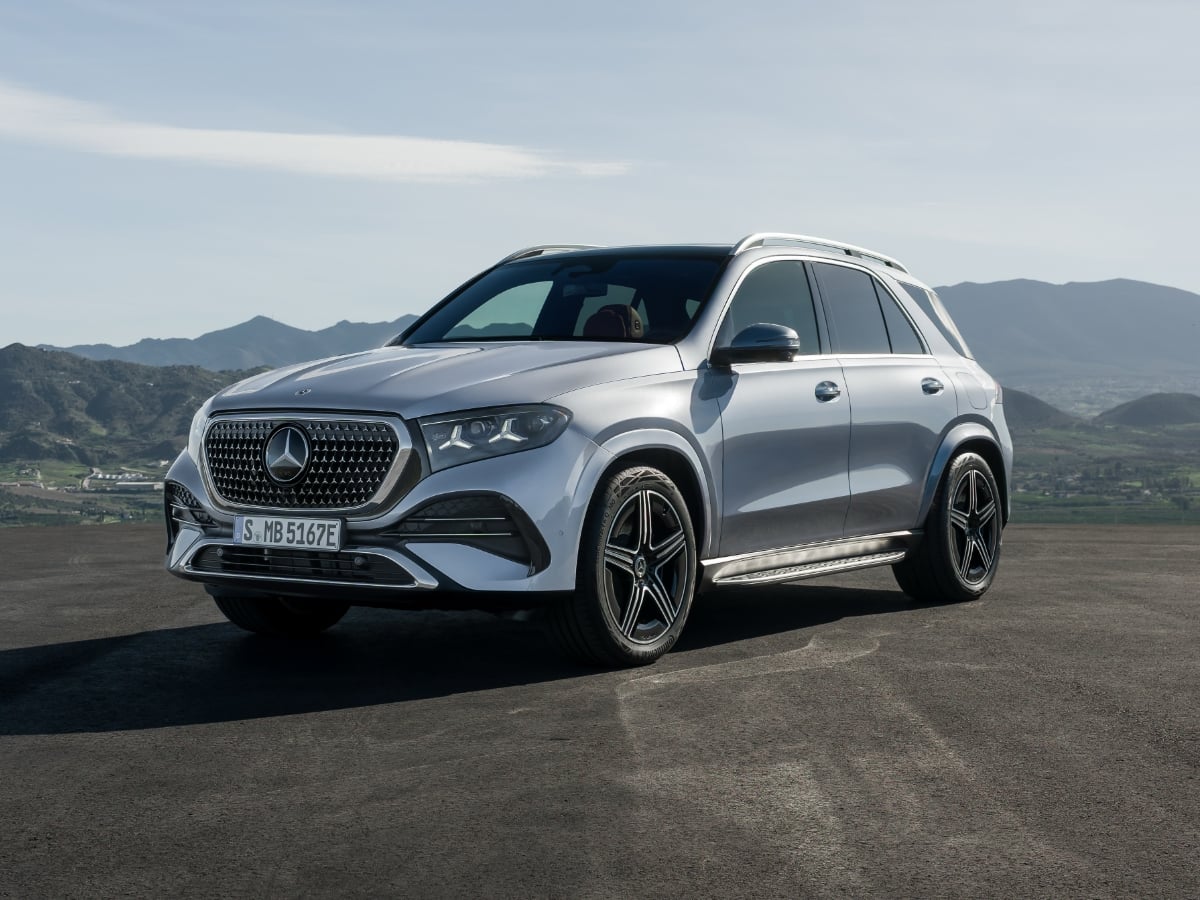
The midsize 2027 Mercedes GLE remains available in original and spicy Coupe recipes, now with standard 4Matic all-wheel drive (AWD), MBUX Superscreen technology, and a panoramic glass sunroof for ...See More
Read the Full Article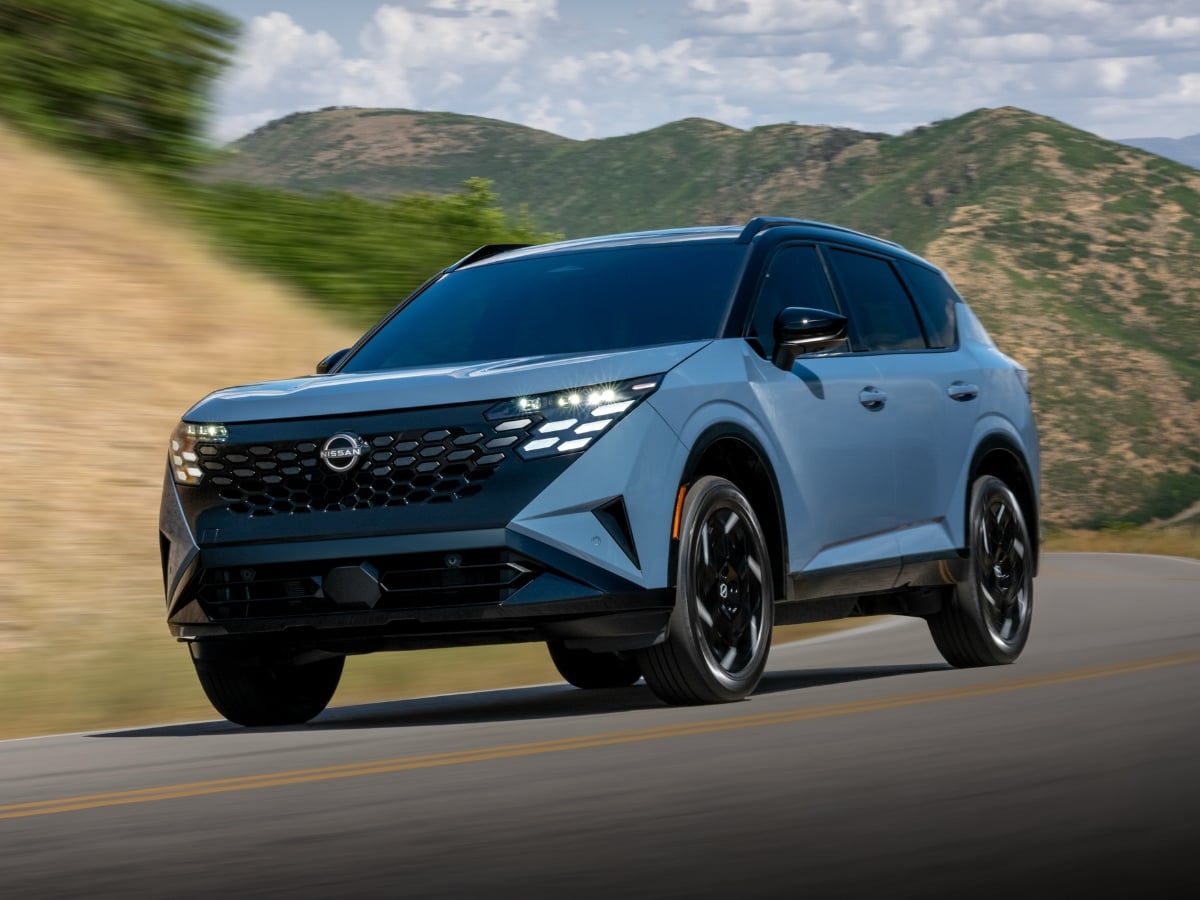
Nissan is about to introduce an innovative new SUV. The 2027 Nissan Rogue Hybrid has a gasoline engine, but it does not power the wheels. Instead, electric motors at each axle provide propulsion, ...See More
Read the Full Article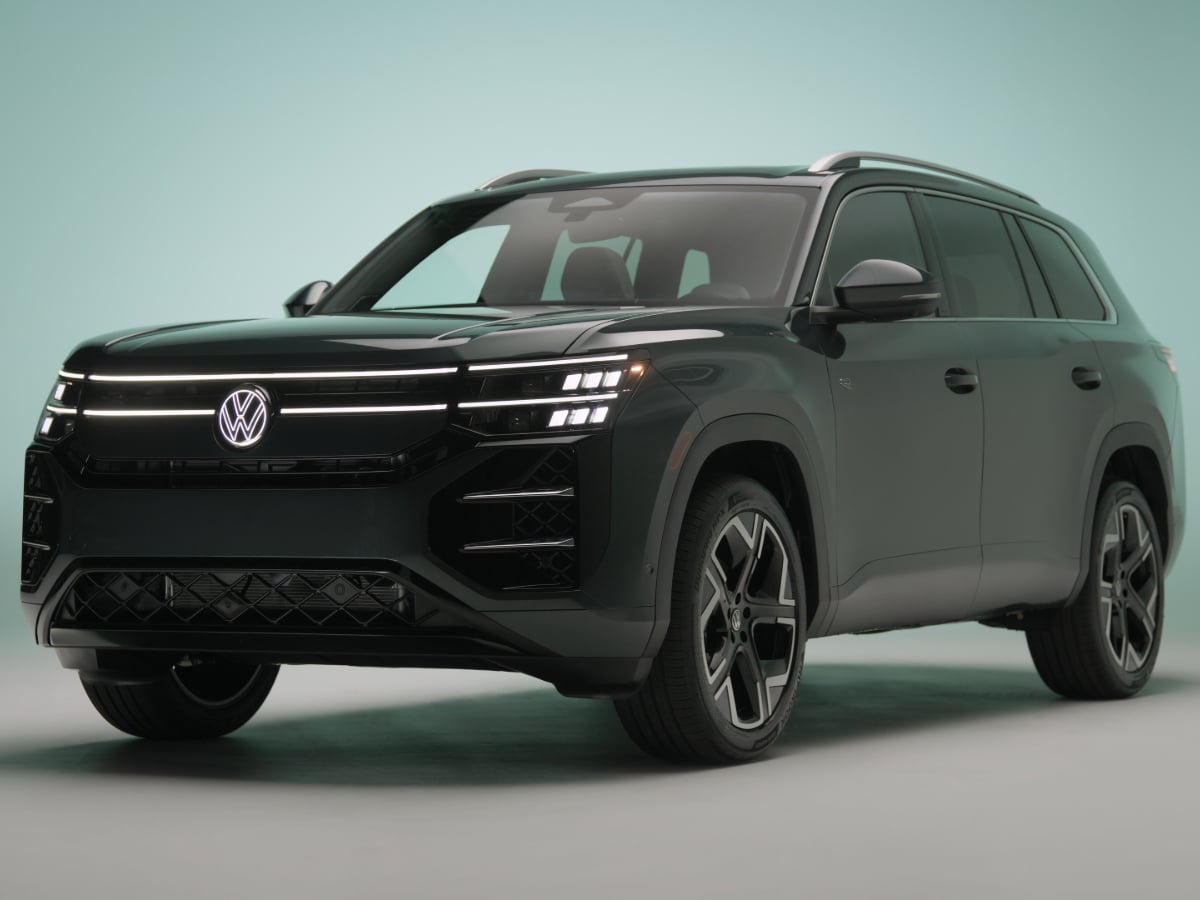
Adding European flair to the otherwise vanilla midsize three-row family SUV market, the redesigned 2027 Volkswagen Atlas debuts with a sharper exterior, an upgraded cabin, more power, and new ...See More
Read the Full Article