
Catalytic converters are notorious for one thing and one thing only: they’re very expensive to replace. In fact, the catalytic converter is the single most expensive part of most vehicles. So, just how expensive are they, you ask? Here’s a quick overview of which cars have the most costly catalytic converters.

A catalytic converter is a portion of your exhaust system designed to reduce emissions. It looks like a small muffler on the outside, but the inside structure is what makes it unique.
There, you’ll find a honeycomb mesh coated in precious metal designed to maximize the surface area so that gas will interact with the catalyst. As exhaust passes through, harmful gasses are “filtered” into less harmful ones, hence the word converter.
The catalytic converter can be found underneath your car in the exhaust system. The exact location will vary from vehicle to vehicle. However, it can always be found somewhere between the exhaust manifold and the muffler. The original is welded into place at the factory, while replacements are generally clamped on.
According to data from 2020, the most expensive catalytic converter belonged to the Ferrari F430, with a mind-popping $3,770.00 price tag. Moreover, the F430 needed two of them, so a full replacement would run car owners $7,540 before labor costs.
While the Lamborghini Aventador’s converter is technically the third most expensive, at $3,120, we’re listing it second because, just like the F430, the Aventador requires two converters. This brings the total replacement cost to $6,240. It almost goes without saying that if you can afford a Ferrari or a Lamborghini, you can probably afford a catalytic converter at any price.
The car with the second (or third) priciest catalytic converter is not as exotic as Lamborghini or Ferrari but boasts a very well-respected vehicle line. That honor belongs to the Ram 2500, with a catalytic converter price of $3,460.
The fourth most-expensive, the Ford F-250, will run drivers $2,804, representing a significant price drop from the top three. Rounding out the top five is the Ford Mustang at $1,500, a relatively modest figure in comparison. The average catalytic converter ranges between $800 and $1,200, depending on the vehicle’s make and model. In general, the larger the engine, the more expensive the converter.
Keep in mind that these prices only include the cost of the converter unit itself. Other exhaust parts and labor charges can add to the total cost of repair if you have a busted converter.
As you can tell, even an affordable catalytic converter is an expensive part to repair. But why? It’s just a small portion of your exhaust system.
The reason is in the name. Catalytic converters use a chemical catalyst to clean up your exhaust. With this catalyst’s aid, nitrogen oxide becomes nitrogen and oxygen, carbon monoxide becomes carbon dioxide, and remaining unburnt hydrocarbons are converted to water and carbon dioxide.
Unfortunately, the only suitable catalysts are rare metals, such as platinum, palladium, and rhodium. All of these metals are very expensive. Platinum’s current spot price is $1,135 per ounce, and Palladium costs more than gold, at $2,332 per ounce. While very useful, rhodium is highly unstable and ranges from $10,000 to over $21,000 per ounce.
Auto manufacturers do their best to make catalytic converters as small as possible and use as little precious metal as they can. However, there are limits to these downsizing efforts, and even a minimal quantity of these metals can be very expensive.
Moreover, there’s no way of expanding the supply. As it stands today, catalytic converters use more palladium than any other application and consume a third of the platinum produced globally every year. In other words, catalytic converters won’t be getting cheaper any time soon.
The answer to this question is mainly dependent upon what state you live in. Some states don’t perform emissions testing, and therefore are indifferent if you have a failing converter. Other states, like California, have stringent emissions standards for vehicles. In states with these elevated standards, failing to replace your broken converter will almost certainly result in a failed emissions inspection.
Furthermore, some converters are designed in a way that a failed unit will eventually restrict your vehicle’s exhaust flow, which could potentially cause your engine to fail. Unless you absolutely can’t afford a replacement, it’s something we advise you to replace.


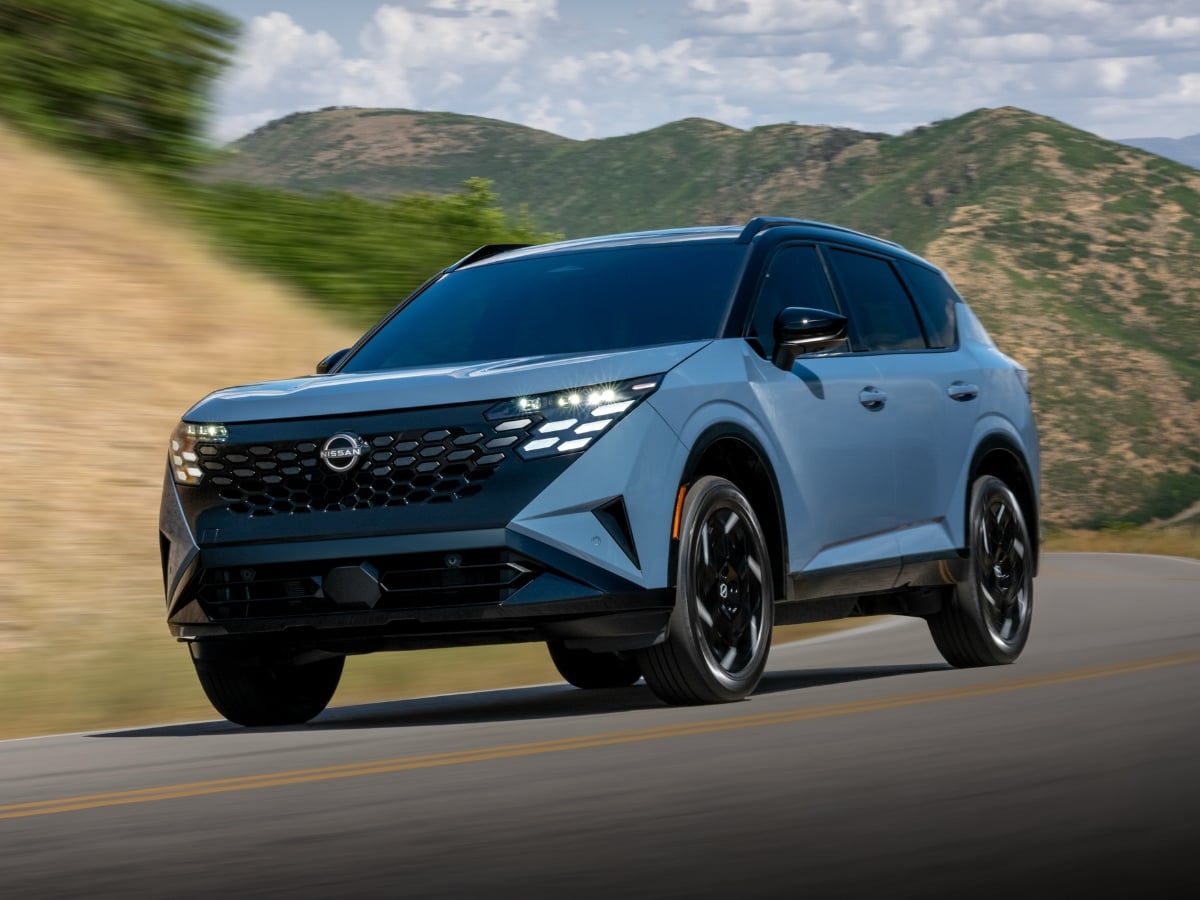
Nissan is about to introduce an innovative new SUV. The 2027 Nissan Rogue Hybrid has a gasoline engine, but it does not power the wheels. Instead, electric motors at each axle provide propulsion, ...See More
Read the Full Article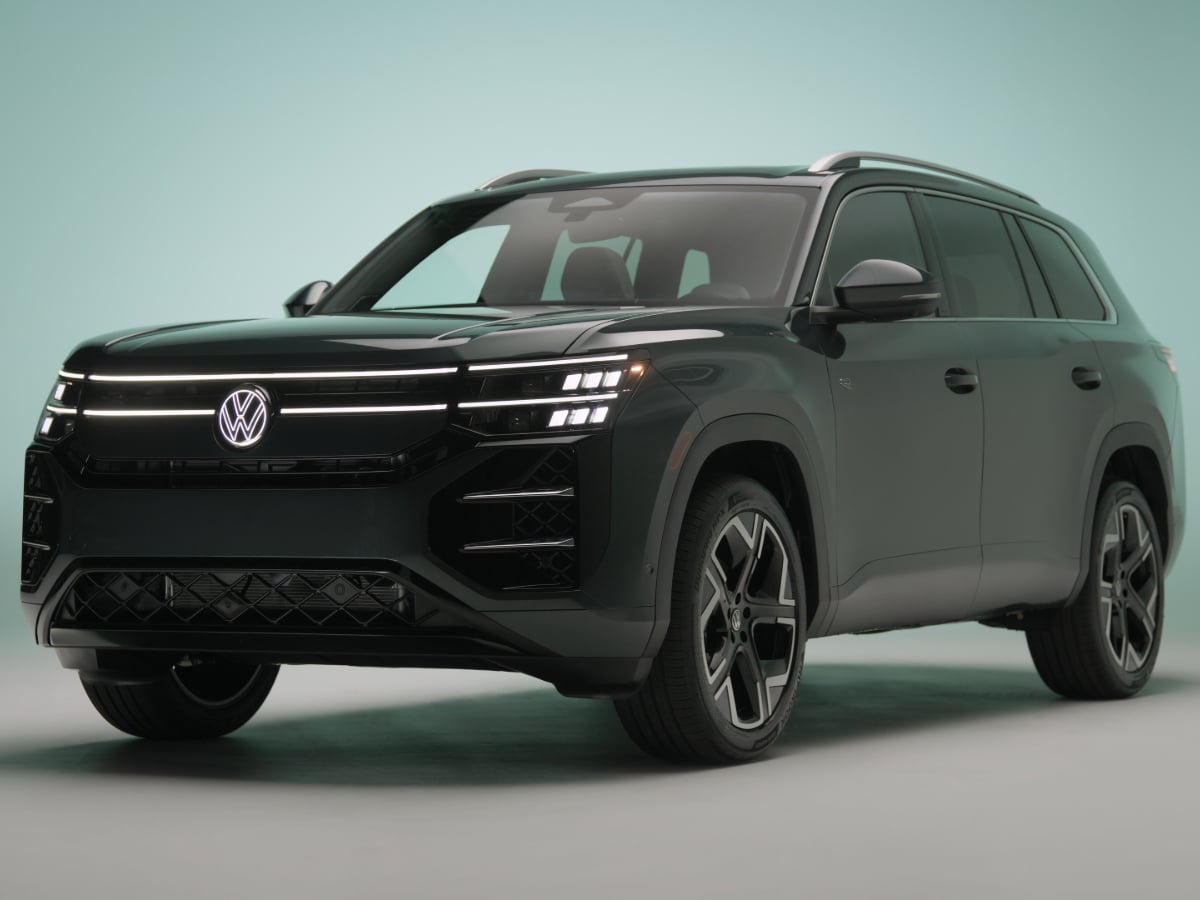
Adding European flair to the otherwise vanilla midsize three-row family SUV market, the redesigned 2027 Volkswagen Atlas debuts with a sharper exterior, an upgraded cabin, more power, and new ...See More
Read the Full Article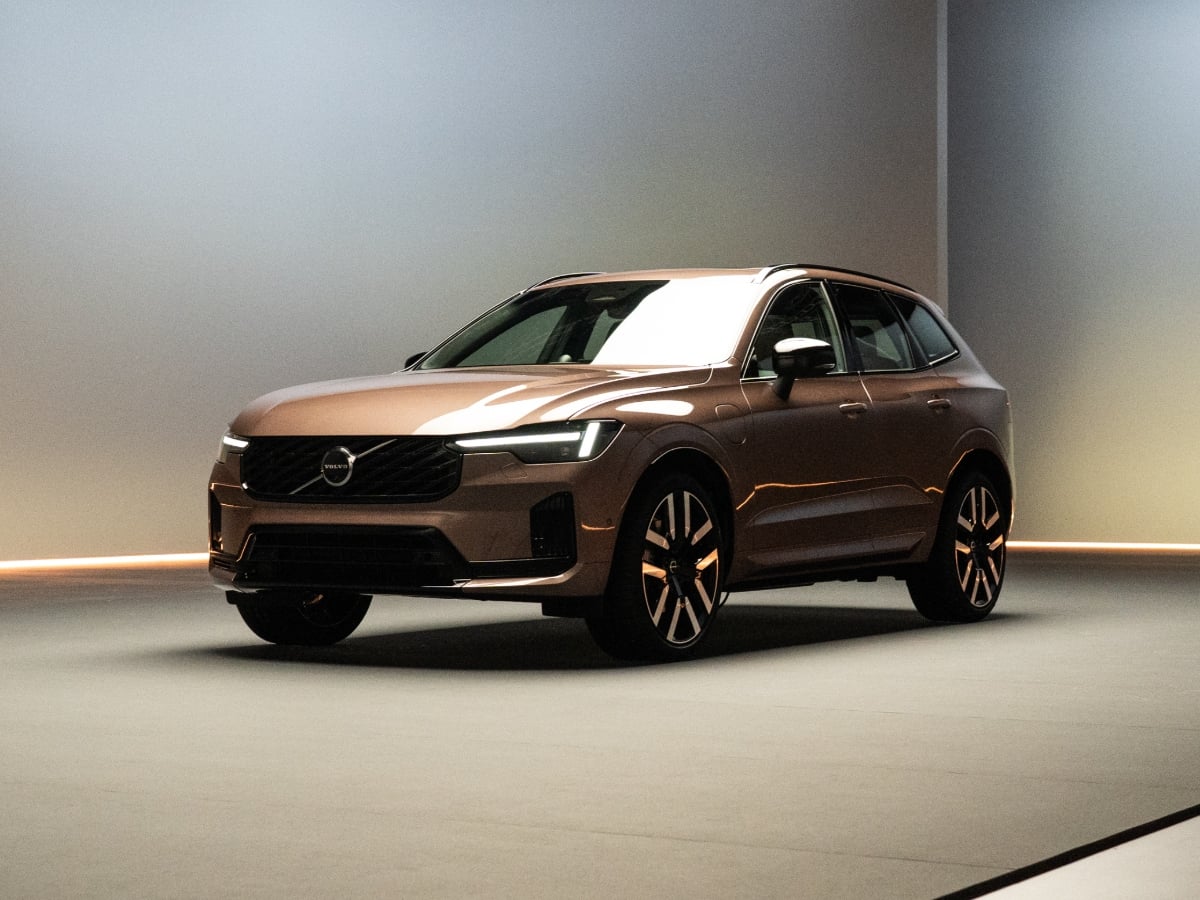
Though the styling stays largely the same, a massive boost in electric range for the plug-in hybrid (PHEV), plus a refined design, helps the 2028 Volvo XC60 stay current and desirable.
Read the Full Article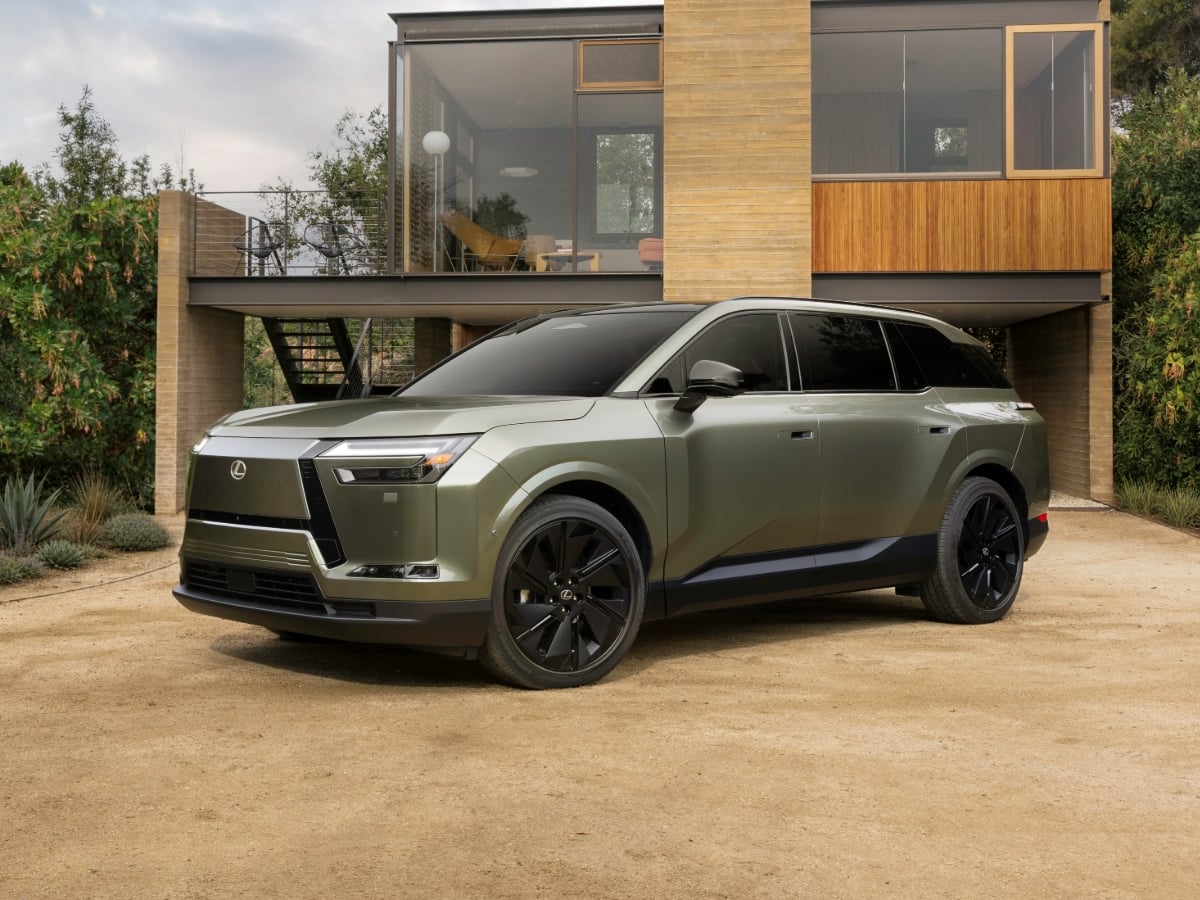
With the 2027 Lexus TZ, Toyota Motor’s luxury division introduces its first three-row all-electric SUV, featuring a lounge-inspired interior, an enhanced all-wheel drive (AWD) system, and up to 300 ...See More
Read the Full Article