
Most people want to make a profit when selling a vehicle. Private buyers, dealerships, and trade-in platforms are some ways a driver can sell an unwanted car. Many of these options offer fast, convenient sales or trade-ins through same-day services.

However, getting the best price on a sale often depends on the seller’s preparation. A clean, legally registered vehicle is more likely to sell for a higher amount than a car with outstanding liens or an invalid title. Similarly, selling to an eager buyer versus an overstocked dealership can affect the final offer.
Consider these tips to make the most money on a car sale.
Before pricing the vehicle or taking any offers, sellers need to know its current fair market value (FMV). The FMV is what the car is worth based on its make, model, mileage, condition, and market trends. Sellers can use an online car value estimator to determine their vehicle’s FMV and a fair offer.
The values displayed usually reflect the average amounts other drivers have received when selling identical or similar vehicles to a dealership. Trade-in values tend to be lower, and some estimators display them separately to help buyers and sellers get accurate pricing information.
While these estimates may not necessarily reflect a vehicle’s final value, they help a seller understand its potential price range. For instance, if an estimator determines that 80% of people paid between $9,000 and $10,500 for a particular make, model, and trim, the seller can expect a final sale price within that bracket.
All legal vehicles in the U.S. come with specific documentation to prove legal ownership, vehicle history, and state registration. To encourage a fair price when selling, vehicle owners should be prepared to share the following documents with a buyer:
Besides establishing trust and goodwill, maintenance records can help support the contents of a vehicle history report. They provide buyers with insights into the vehicle's history, condition, and expected lifespan, giving sellers an advantage in getting a better deal.
Once all documentation is accounted for, the seller needs to invest time and resources to clean and detail the vehicle thoroughly.
The exterior and interior must be thoroughly cleaned, including the glove box, storage compartments, trunk, and under the seats. A well-cleaned vehicle creates a strong first impression for potential buyers, increasing the likelihood of receiving a higher offer.
Sellers may want to consider professional cleaning services to eliminate all debris and odors. For instance, vehicles previously owned by smokers often carry a strong, persistent odor that can negatively impact resale value.
There are three primary options when selling a vehicle: private buyers, dealerships, and online used car retailers.
Traditionally, selling to a private party, locally or online, offers the highest potential resale value. This method allows sellers to negotiate directly with buyers, often meeting in person to finalize the sale price.
However, finding the right buyer requires time, effort, and even costs to advertise that the vehicle is available for sale. For instance, platforms like Facebook Marketplace or Craigslist may charge fees for listing vehicles.
The seller and buyer are responsible for gathering the necessary documents and ensuring the transaction complies with legal requirements.
Dealerships provide convenience, often offering on-site services like title transfers, registration, and same-day payments. However, they also have a reputation for making lowball offers because they need to resell the vehicle for a profit.
In some cases, selling to a dealership can be advantageous. For example, sellers may opt to trade in their vehicle for another on the lot, which reduces the total price of a new car and lowers sales taxes. However, this benefit depends on the state’s tax laws where the transaction occurs, so confirming the details is a good idea.
The internet has made online-only used car retailers possible. Companies like Carvana offer services nationwide, allowing vehicle owners to sell quickly and conveniently from any state. These companies handle the entire process, including pickup and same-day payment.
While online retailers usually offer slightly less than private buyers, they generally pay more than dealerships. However, each company has specific restrictions on the types of vehicles they accept, so sellers should carefully review their terms and conditions before proceeding.
Owners should take every possible step to demonstrate that their vehicles have been properly maintained and taken care of. A well-maintained vehicle with all its documentation and a clean title goes a long way in getting the best offer, regardless of who the buyer is.
Author: Corentin Bernard
Corentin’s passion for the automotive world started when he was just seven years old, during a life-changing visit to an auto museum. Now a seasoned writer, Corentin channels that early fascination into every piece he writes, whether he’s exploring the latest car trends or automotive history. But his expertise doesn't end there—he also brings his insights to topics like home improvement, the boating and yachting industry, personal finance tips, and cutting-edge tech.



The new 2027 BMW i3 boasts an estimated range of up to 440 miles, 400-kilowatt DC fast charging capability, bidirectional charging to a home or the grid, and next-generation technology.
Read the Full Article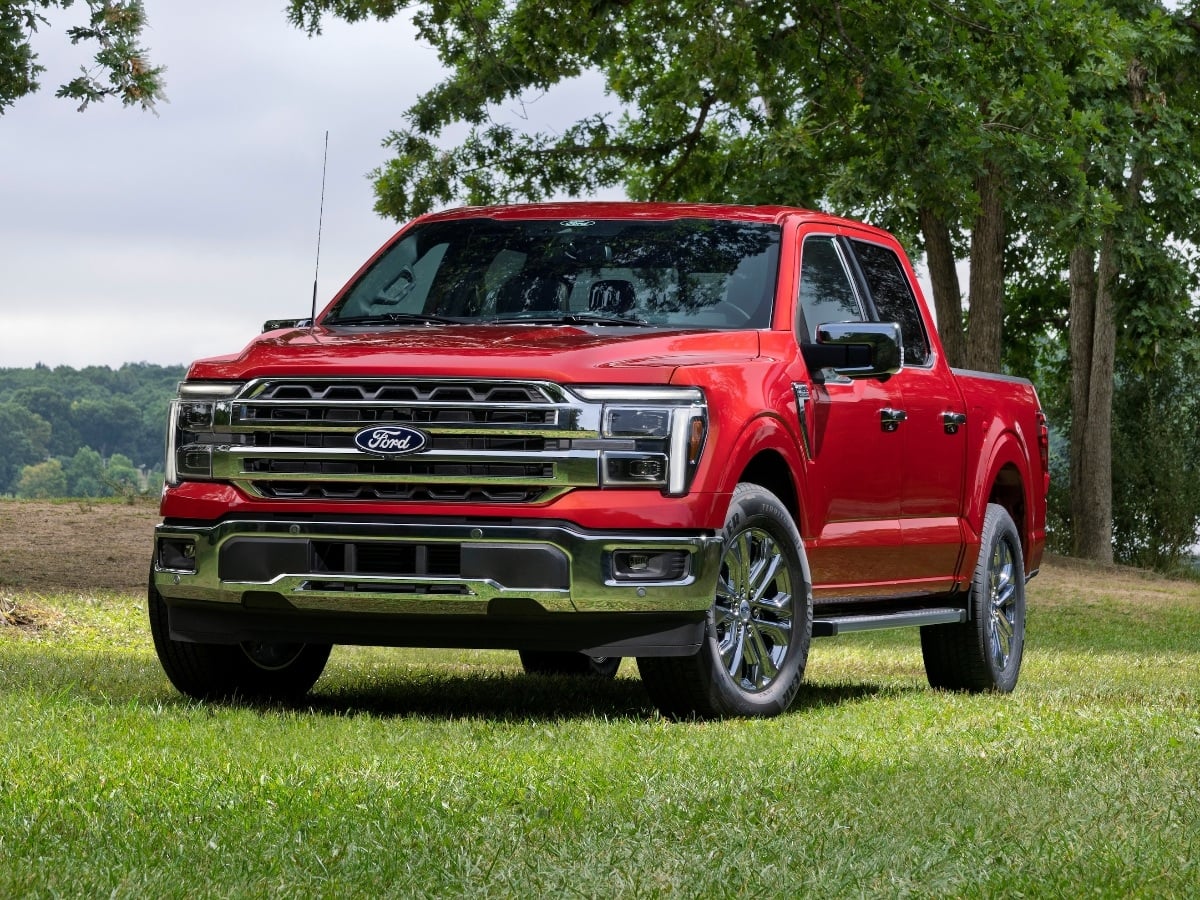
Facing renewed competition in the full-size, light duty pickup truck segment, the 2027 Ford F-150 receives subtle styling updates, a new standard engine, broader availability of its 5.0-liter V8, and ...See More
Read the Full Article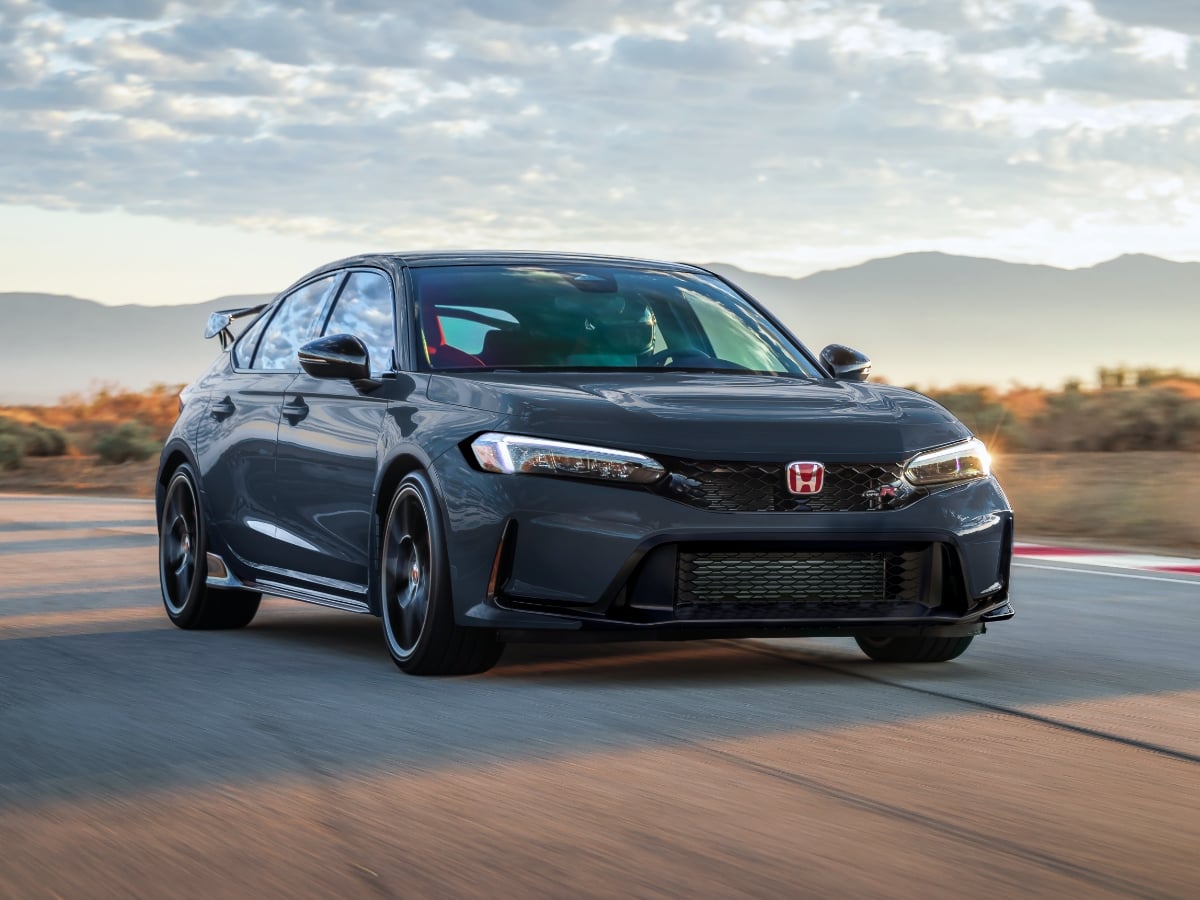
The 2027 Civic Type R goes on sale in October 2026, and it starts at $49,990, including the $1,295 destination charge.
Read the Full Article
Part of BMW’s Neue Klasse (new class) rollout of redesigned models, the 2027 BMW 3 Series is all-new and goes on sale in the first quarter of 2027.
Read the Full Article