
A car’s title is the vehicle owner’s proof of ownership documentation. This state-issued document is created during vehicle ownership transactions or when the owner relocates to a different state. It is the most important document for owners and validates vehicle exchange.

There are five different types of titles depending on the vehicle’s condition and history. The title status is particularly important during the transaction of a previously owned vehicle. Vehicles without a clean title typically depreciate more substantially than those with a clean title.
A clean title indicates that there isn’t unresolved damage preventing the vehicle from returning to the road. This status also signifies that the current owner does not have a lien on the vehicle and thus can approve a sale to another party without the requirement to settle a debt.
A salvage title is typically assigned to a vehicle when it is worth less than the estimated cost to repair it. This title might be provisioned after a vehicle was in a significant accident or encountered a natural disaster such as a flood. If a salvage-titled vehicle is restored to roadgoing order and has passed a state inspection, then it can be issued a rebuilt title.
Lemon titles are issued to vehicles with an unrepairable defect.
When bonded titles are given, an owner lacks the suitable documentation to demonstrate vehicle ownership. As a result, the owner is required to acquire a bond that functions as insurance should another party claim ownership of the vehicle.
Originally called a “pink slip” due to being printed on pink-colored paper, titles have evolved in look and form over the years. Since the state issues vehicle titles, the titles look different from state to state. However, titles generally have the same format and include a watermark to protect them from counterfeit documentation. For instance, California’s title features a blue-patterned border with a central bold “STATE OF CALIFORNIA” printed within the border at the very top. Directly below this is printed “CERTIFICATE OF TITLE”.
There are two pages to the title and the following details use the California title as an example.
Vehicle titles serve as your proof of ownership of the vehicle. This documentation may vary in detail from state to state, but the importance of the title is the same.
Matt Yantakosol is a lifelong automotive enthusiast and former consultant focused on the consumer aspect of the industry. He has traveled to New York, Detroit, Chicago, L.A., Paris, Geneva, Frankfurt, and Tokyo Auto Shows to track and observe the newest industry innovations. In addition to JDPower.com, Matt's writing has appeared on Pcarmarket.com.



The new 2027 BMW i3 boasts an estimated range of up to 440 miles, 400-kilowatt DC fast charging capability, bidirectional charging to a home or the grid, and next-generation technology.
Read the Full Article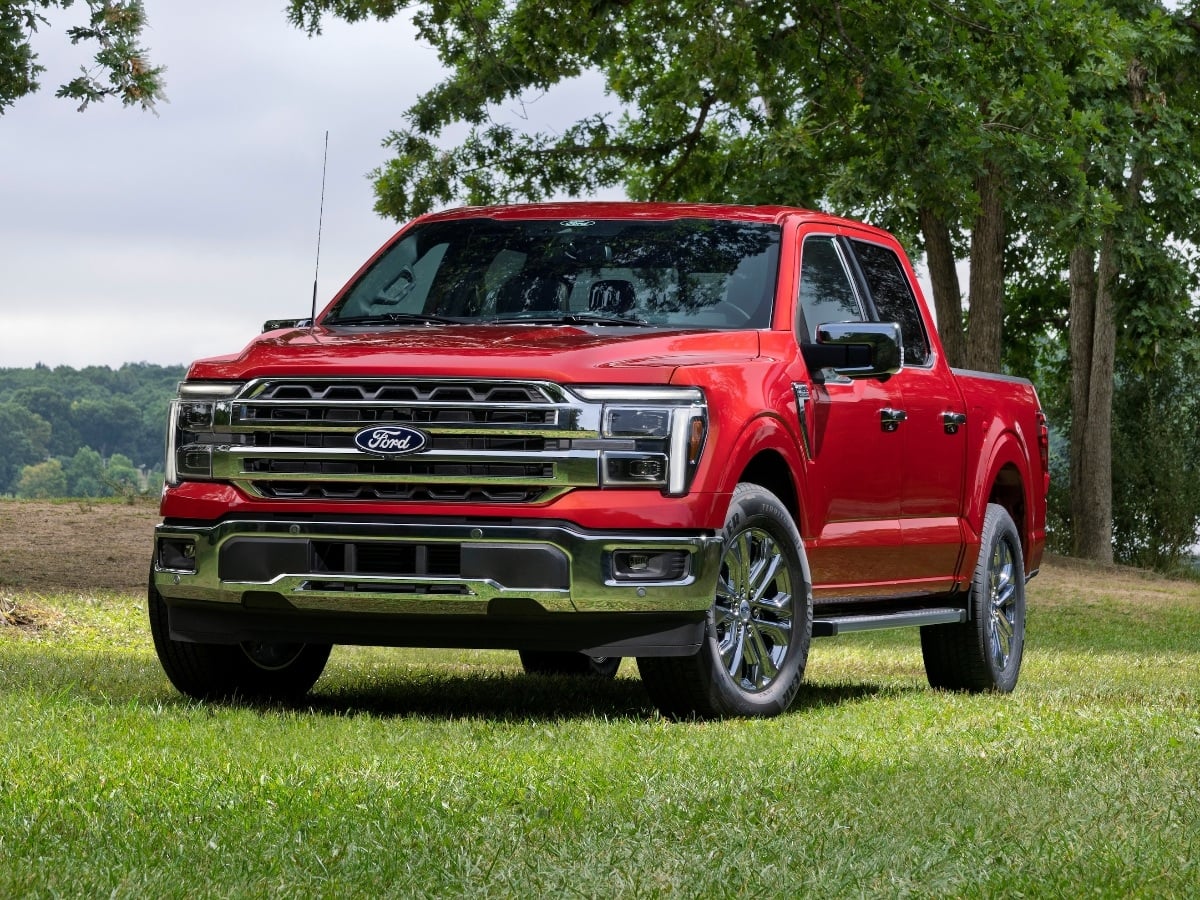
Facing renewed competition in the full-size, light duty pickup truck segment, the 2027 Ford F-150 receives subtle styling updates, a new standard engine, broader availability of its 5.0-liter V8, and ...See More
Read the Full Article
The 2027 Civic Type R goes on sale in October 2026, and it starts at $49,990, including the $1,295 destination charge.
Read the Full Article
Part of BMW’s Neue Klasse (new class) rollout of redesigned models, the 2027 BMW 3 Series is all-new and goes on sale in the first quarter of 2027.
Read the Full Article