
In recent months, the automotive industry has been facing a major crisis in the form of a global chip shortage. This shortage has affected car manufacturers worldwide, leading to production cuts, delayed shipments, and even factory shutdowns.

So, if you ever wondered what exactly caused the shortage, the article will discuss the reasons for it, as well as the impact it had on the automotive industry, and what measures are being taken to address the issue.
Multiple factors have contributed to the current chip shortage for cars—some of the most significant reasons you’ll find below.
The COVID-19 pandemic has caused major disruptions in the global supply chain, including the semiconductor industry. The lockdowns and restrictions to control the virus's spread led to disruptions in the production and transportation of chips, leading to a shortage in the market.
The global pandemic has also increased the demand for electronics as people spend more time at home. This surge in demand has strained the semiconductor industry, leading to a shortage of chips for cars.
The semiconductor industry has been facing a manufacturing capacity constraint, as chip factories cannot keep up with the growing demand. It has resulted in a shortage of chips for cars, as well as for other electronic products.
Disruptions in the supply chain, such as natural disasters, shipping delays, and port closures, have also contributed to car chip shortages. The lack of available chips has resulted in production cuts and delayed shipments for car manufacturers.
The car chip shortage has significantly impacted the automotive industry, leading to production cuts, delayed shipments, and even factory shutdowns. Car manufacturers are struggling to keep up with the demand for new vehicles, as the shortage of chips has resulted in a shortage of critical components needed for production. It has also led to higher car prices as manufacturers pass on the additional costs to consumers.
Several measures are being taken to address the chip shortage by car manufacturers and governments worldwide. Some of the most significant ones include the following:
The global chip shortage for cars has been a major crisis for the automotive industry, causing production cuts, delayed shipments, and even factory shutdowns. While the reasons behind the shortage are multiple and complex, it is unclear when it will end.
However, industry experts believe that the shortage will persist for a while longer, with some estimating that it could last until the end of 2022 or even into 2023. The reasons for that are the sheer amount of issues it caused and the difficulty of restoring supply chains and ensuring timely manufacturing.
The global chip shortage for cars is a major crisis for the automotive industry, with far-reaching impacts on production, shipments, and prices. The reasons behind the shortage include pandemic-related disruptions, skyrocketing demand, manufacturing capacity constraints, and disruptions in the supply chain.
To address the issue, car manufacturers and governments are taking measures such as increased investment in semiconductor manufacturing, government support, diversification of suppliers, and accelerated adoption of new technologies. While it is unclear when the shortage will end, these measures aim to ensure a steady supply of chips for the automotive industry in the future.


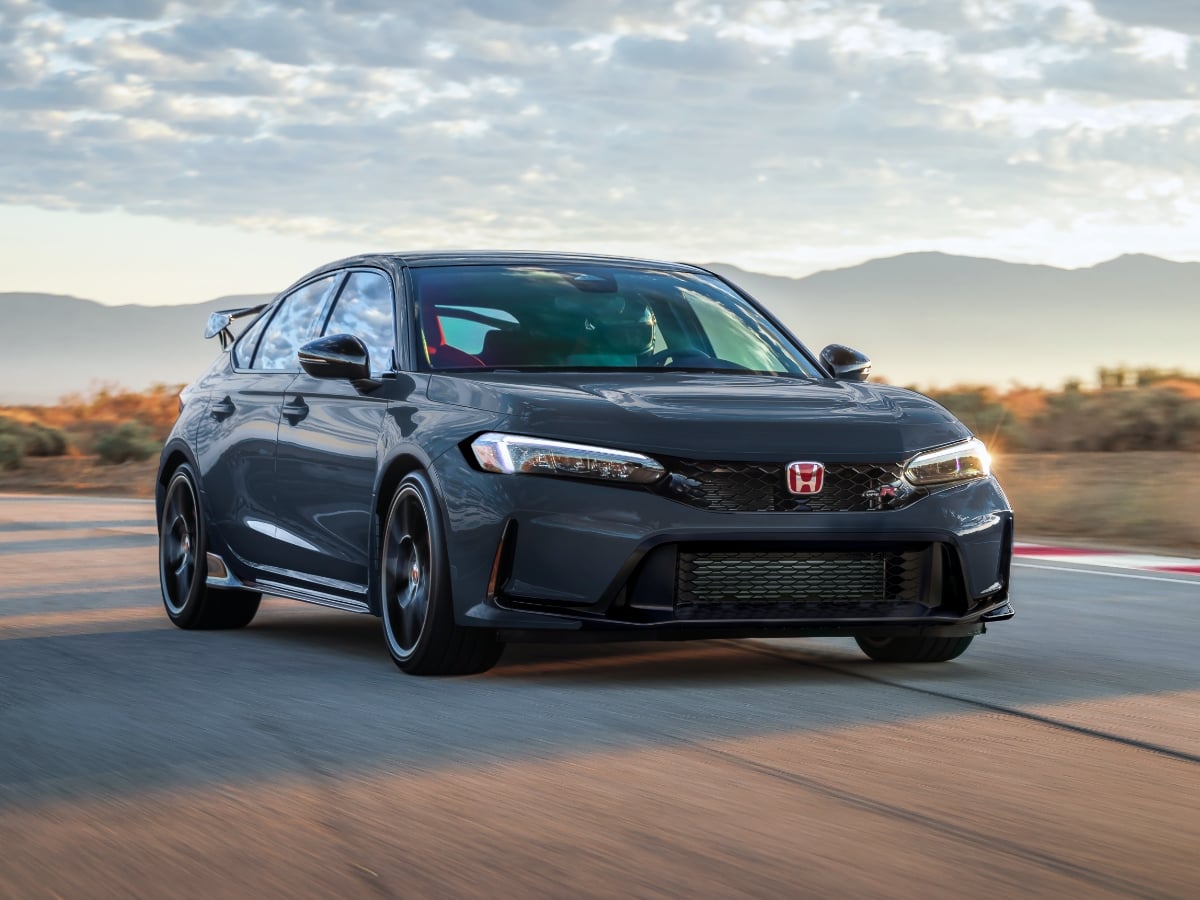
The 2027 Civic Type R goes on sale in October 2026, and it starts at $49,990, including the $1,295 destination charge.
Read the Full Article
Part of BMW’s Neue Klasse (new class) rollout of redesigned models, the 2027 BMW 3 Series is all-new and goes on sale in the first quarter of 2027.
Read the Full Article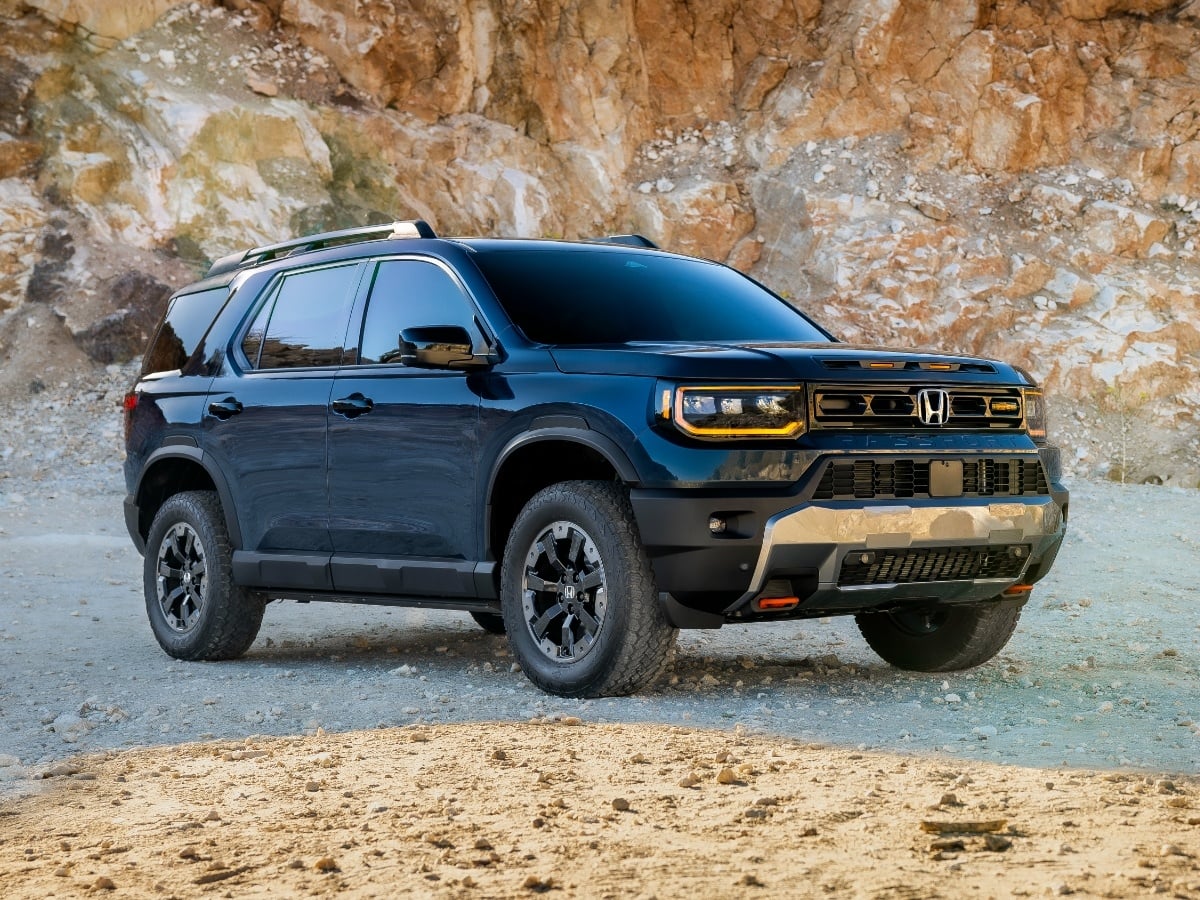
Updates to the 2027 Honda Passport TrailSport include a reworked suspension, improved steering, subtle styling enhancements, and added standard equipment.
Read the Full Article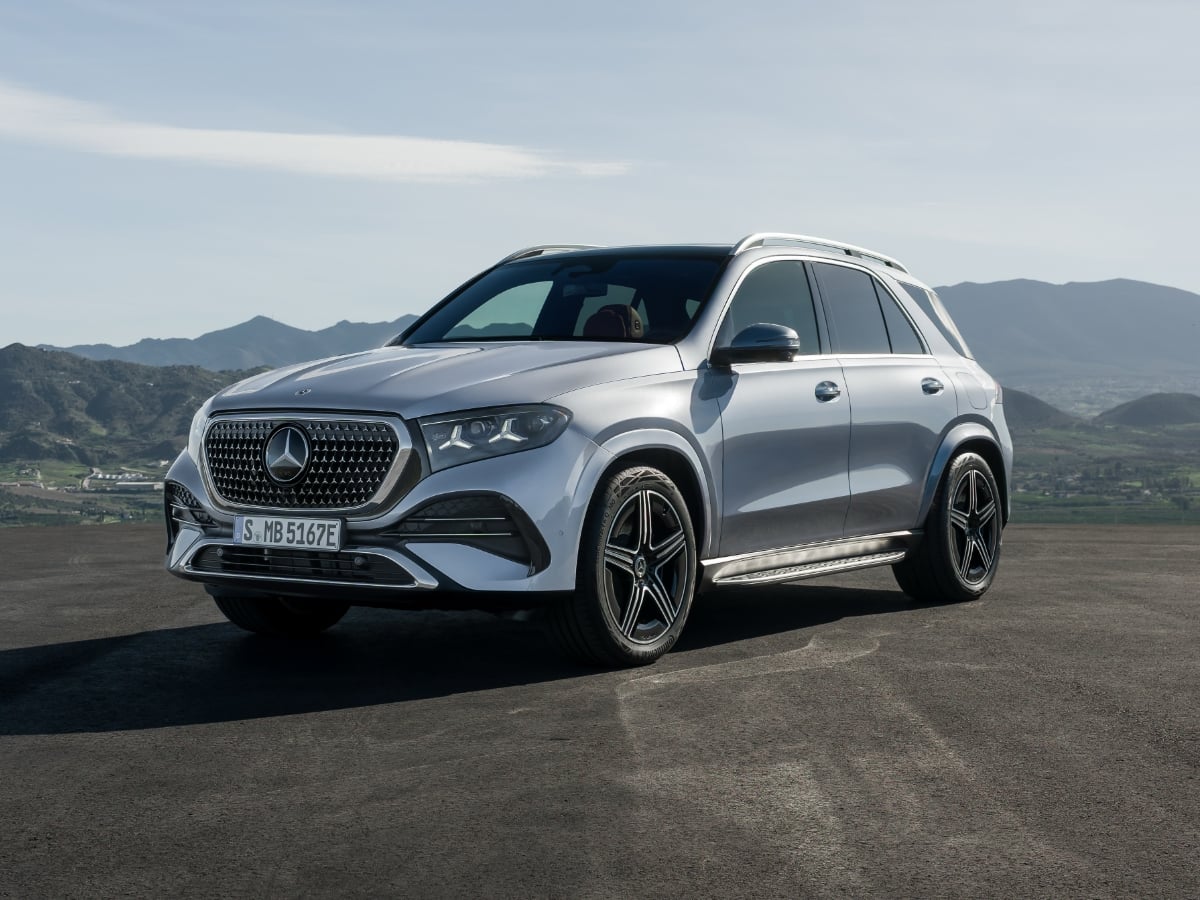
The midsize 2027 Mercedes GLE remains available in original and spicy Coupe recipes, now with standard 4Matic all-wheel drive (AWD), MBUX Superscreen technology, and a panoramic glass sunroof for ...See More
Read the Full Article