
You're pulling up to a stop sign and your car shakes when braking. As you apply the brakes your car begins to jiggle and shake like it's going over a long patch of corrugated iron. But it's not going over corrugated iron or cobblestones, the road surface is perfectly smooth. Naturally, you ask yourself, "Why does my car shake when it brakes?"

There are several potential causes for the shakes-when-it-brakes syndrome, but according to Eric Charles, a Midwest-based certified mechanic we spoke to about the issue, far and away the most likely cause of car shake when you brake is a problem with the braking system itself.
"The other problems, like an unbalanced wheel or bad alignment, will typically cause vibration all the time, not just when braking," he told us. "So, if your car shakes only when it brakes, the first place to look is at the brakes themselves. Most often that's where you'll find the problem."
Even the least technically astute drivers understand that brakes slow a vehicle by impeding the ability of the wheels to turn. If you slow the rotation of the wheels, you slow the car.
As you compare cars you'll find two types of brakes are fitted on virtually all current vehicles. The predominant type is disc brakes, while a few cars still use drum brakes, typically on the rear wheels.
In a disc brake, a metal disc called the rotor is coupled to the wheel. Each rotor is fitted with a clamping device called a caliper that enables the rotor-and-wheel combination to rotate freely until the driver pushes the brake pedal. That pressure actuates hydraulic fluid in the braking system to bring the brake pad within the caliper into contact with the disc, slowing the wheel. More pressure on the brake pedal creates more pressure in the hydraulic system, clamping the brake pad onto the rotor more tightly.
With drum brakes, a hollow metal drum is attached to the wheel and when hydraulic pressure is applied via the brake pedal and braking system it forces "shoes" within the drum to apply friction to its inside circumference, slowing the wheel. Again, more pressure applied to the brake pedal results in more pressure being applied by the brake shoes to the drum, slowing the wheel more quickly.
If a car shakes when braking, the issue is likely brake-related and due to a damaged rotor, a worn brake pad, or an out-of-round drum.
In a vehicle with disc brakes, the most likely cause of shaking is a warped or otherwise damaged rotor. Warping can be a consequence of normal wear. The repeated application of the brake pad onto the rotor will wear away the rotor material in that contact area. Over time the heat caused by the friction of the pad on the rotor can cause the rotor to warp. Brake rotors can be resurfaced ("turned") to restore their trueness and lessen the possibility of warpage, but if too much rotor material is removed in the process the rotor will be prone to warp again.
Mechanic Charles told us another frequent cause of brake rotor issues is lack of use. In vehicles that sit undriven for periods of time, the area of the rotor under the brake pad has a tendency to corrode or even collect brake pad material. When the vehicle gets back on the road, the effect will be much like that of a vehicle with a warped brake rotor. A rotor with surface corrosion can be turned to restore its flatness, but, as we noted earlier, if too much material is machined away, it will be very likely to warp again and thus be unusable. In this case, the brake rotor should be replaced.
A high-pitched noise accompanying the shaking may indicate that the brake pads are at fault. The more brake pads make direct contact with the rotor in bringing the vehicle to a stop, the more wear they sustain. Brake pads typically have a minimum thickness to properly perform their function. Fortunately, brake pads last 25,000-75,000 miles, with the quality of the brake pads and your driving behavior dictating the replacement timeframe. For instance, if you are predominantly a city driver, you may apply the brakes more often leading to more frequent brake pad replacement. Drivers can expect to pay $115 to $300 for brake pad replacement.
In vehicles with drum brakes, out-of-round drums can cause pedal pulsation and vibration when the brakes are applied. A mechanic can measure the drums to see if they are out of specification and also check for scoring and other signs of damage. Like disc brake rotors, brake drums can be machined to restore roundness as long as the thickness of the drum remains within manufacturer guidelines. The alternative is replacing the drum.
Although the brakes themselves are likely the cause of the shaking, there are several other possible causes, including your tires. If the shaking is more pronounced when operating at higher speeds, it could indicate that a wheel is unbalanced and lost its counterweight.
To confirm if your tires are part of the issue, inspect all four tires to see if they are worn. Scheduling wheel alignments and tire balancing may solve the problem or limit the likelihood of an issue in the future.
Loose or damaged wheel bearings are another possible cause of the shaking. Wheel bearings are a vital component of the steering, braking, and suspension systems and are tasked with supporting the vehicle’s entire weight. Other worn or damaged suspension components could also contribute to the shaking.
Shaking when braking could also be a symptom of steering-related issues. For instance, there may be a loose control arm or damaged knuckle. Similarly, it could be due to a broken axle shaft or loose lug nuts – in which case the wobbling will be more noticeable as you slow down.
Your brakes are a crucial component of your vehicle. Any braking concern is a safety issue that needs to be addressed immediately by a professional. An experienced technician should be able to diagnose the source of your car's shaking during a test drive. Again, if shaking occurs only during braking, it is likely due to a damaged rotor, worn brake pad, or out-of-round drum. Overlooking the issue poses a safety risk to yourself and others on the road. Being familiar with the possible causes will help you resolve the issue as soon as possible and keep your car in safe running order.


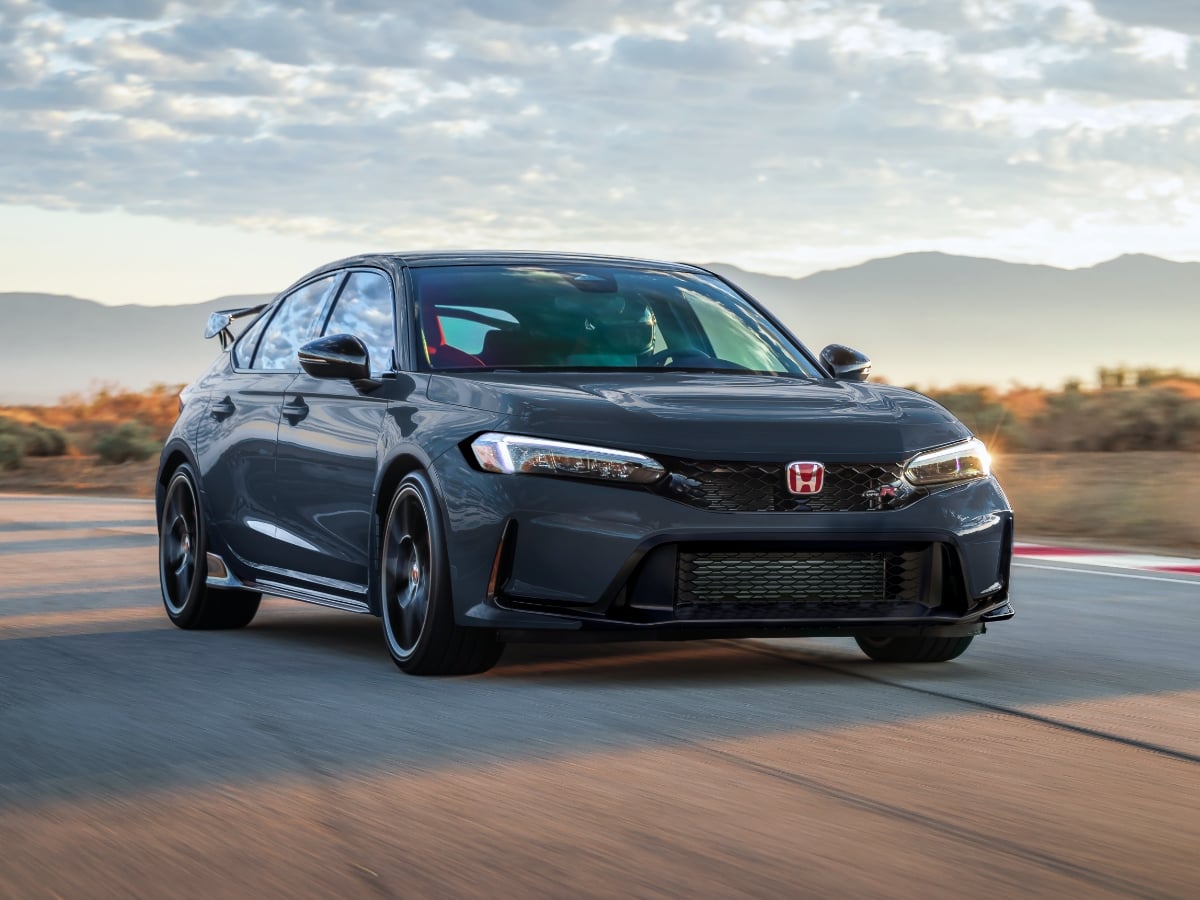
The 2027 Civic Type R goes on sale in October 2026, and it starts at $49,990, including the $1,295 destination charge.
Read the Full Article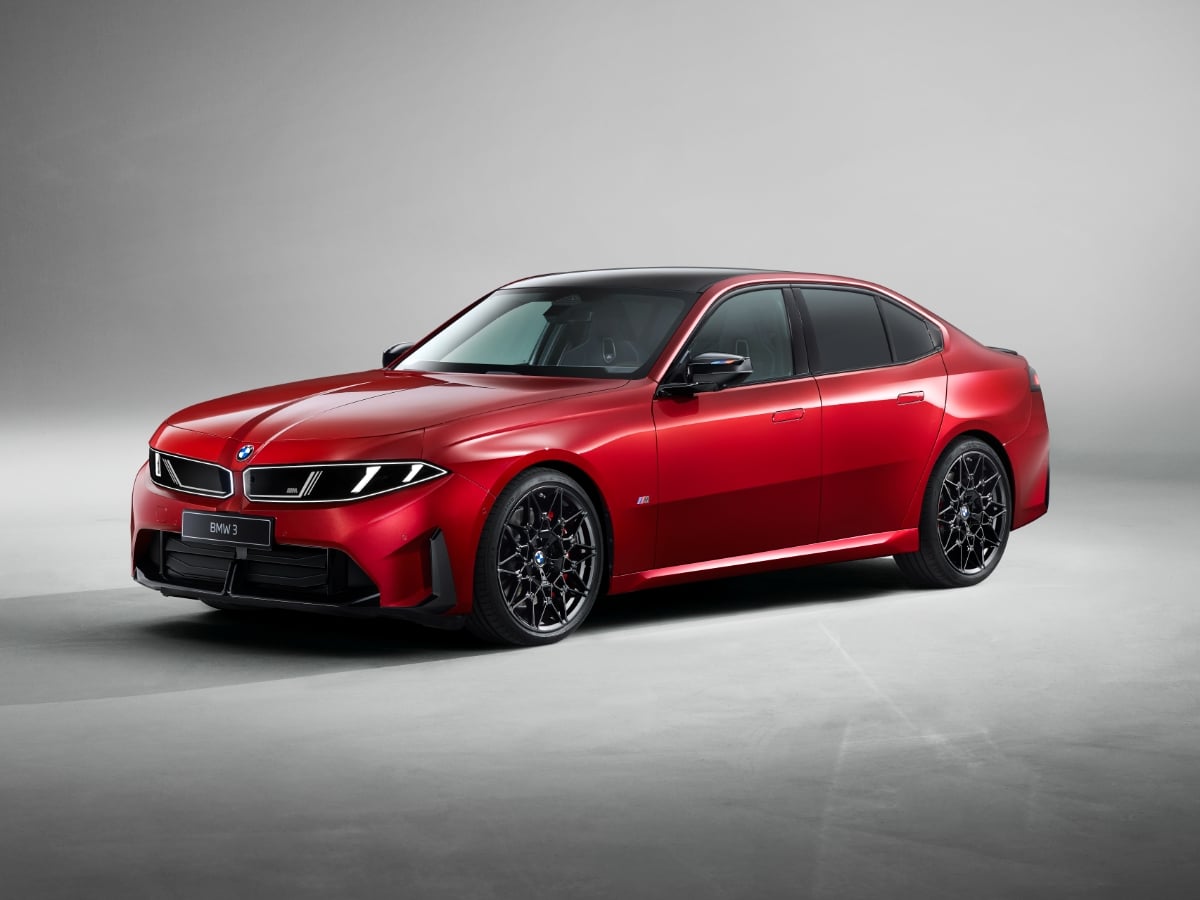
Part of BMW’s Neue Klasse (new class) rollout of redesigned models, the 2027 BMW 3 Series is all-new and goes on sale in the first quarter of 2027.
Read the Full Article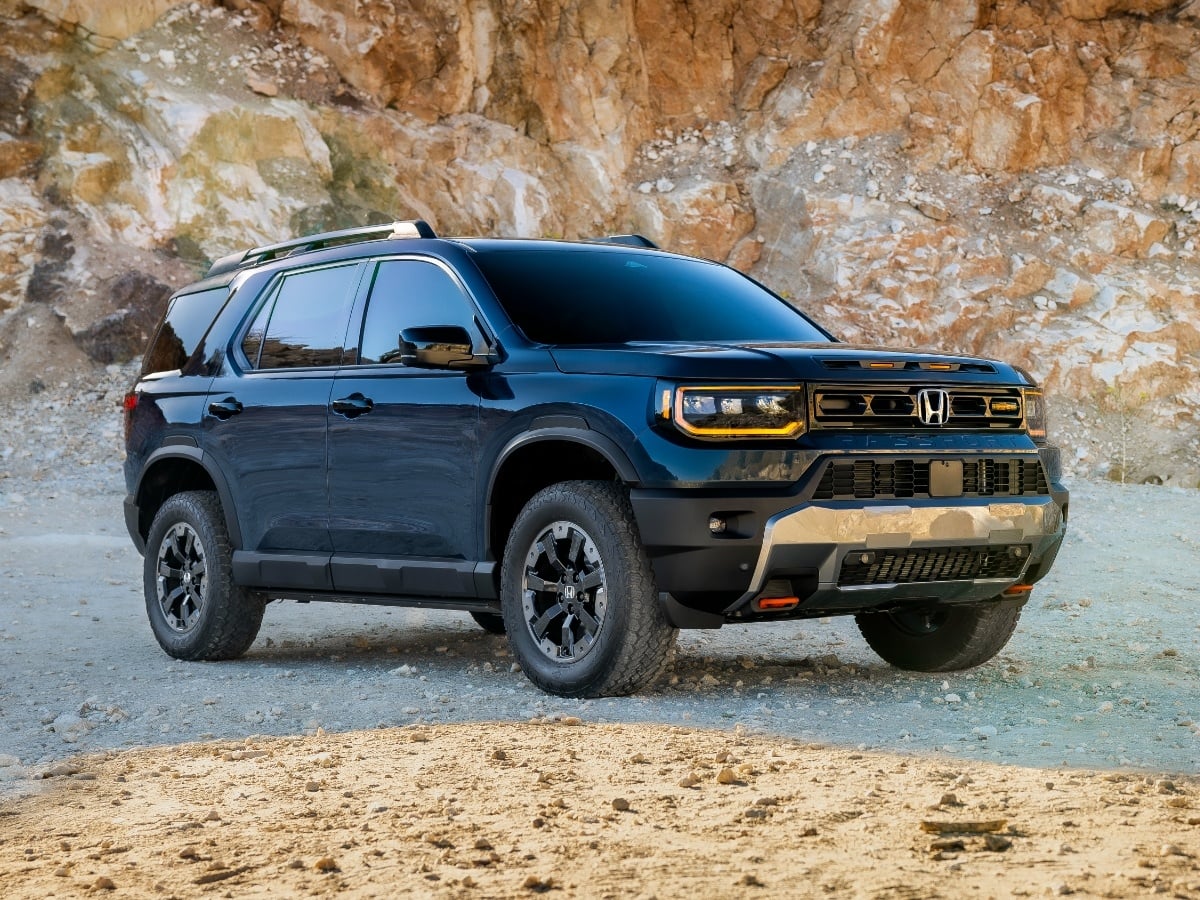
Updates to the 2027 Honda Passport TrailSport include a reworked suspension, improved steering, subtle styling enhancements, and added standard equipment.
Read the Full Article
The midsize 2027 Mercedes GLE remains available in original and spicy Coupe recipes, now with standard 4Matic all-wheel drive (AWD), MBUX Superscreen technology, and a panoramic glass sunroof for ...See More
Read the Full Article