
Brake pads are a vital component of your vehicle’s braking system. To keep your vehicle running safely, it is imperative to be proactive with brake pad replacement. In this article we discuss the durability of brake pads, the impacts of brake pad wear, and the costs of brake pad replacement.

First, let’s dig deeper into where exactly brake pads fit in the braking system. As you press on the brake pedal, the master cylinder sends brake fluid to the brake caliper causing the pistons to clamp the brake pads against the spinning rotors to bring the vehicle to a stop. Housed in the brake caliper, brake pads are typically made of organic, ceramic, or semi-metallic materials. Although the brake pad’s friction material helps slow the vehicle down, it eventually wears out.
Unfortunately, it is challenging to predict how long brake pads last. They could require replacement at as low as 25,000 miles or as high as 75,000 miles. Factors influencing durability include material quality, driving habits, and brake system maintenance. Regardless of how long the pads last, once they require replacement, you should address the repair immediately as the longer worn brake pads go unresolved, the more likely you will begin to cause issues to your brake discs or drums.
Brake pad life varies greatly and depends on vehicle type, driving style, and operating conditions. Here are some more details on factors impacting brake pad wear:
To preserve your brake pads, conduct regular brake fluid service and consider turning the rotors.
One tell-tale sign that your brake pads have reached the end of their useful life is a squealing sound when you brake. Depending on how worn down the pads are, applying the brakes may be met with a metal-on-metal sound as the rotors are no longer making contact with the friction material. In addition to hearing this metal-on-metal contact, it can also be visible on the rotor. Once the pads are worn, braking performance is hampered which elongates stopping distances and causes the vehicle to pull to one side.
Since the cost of brake pad replacement adds up quickly, you may consider conducting the replacement as a DIY. However, DIY should only be considered if you have disc brakes because drum brake pad replacement requires a professional. Changing the brake pads involves removing the wheel, caliper, and old brake pads as well as installing the new brake pad and putting the pistons and calipers back together before setting the wheel in place again and tightening nuts and bolts.
Brake pad replacement DIY can save you $300 to $500.
The average front brake pad replacement cost is between $115 and $300; this is about the same as the cost of rear brake pad replacement. The cost of replacing all four brake pads, including parts and labor, ranges between $230 and $600 for all four wheels.
If your pads have worn to the point that they have damaged the rotor, then the rotor needs to be replaced too. Drivers are cautioned against replacing brake pads on an old rotor.
Material quality, driving habits, brake system maintenance, and other factors influence the durability of your brake pads. Expect brake pads to last 25,000 to 75,000 miles and cost $230 to $600 for replacement on all four wheels. If you sense your brake pads are wearing out, address it immediately to prevent further damage to the braking system and to keep your vehicle stopping safely.
Matt Yantakosol is a lifelong automotive enthusiast and former consultant focused on the consumer aspect of the industry. He has traveled to New York, Detroit, Chicago, L.A., Paris, Geneva, Frankfurt, and Tokyo Auto Shows to track and observe the newest industry innovations. In addition to JDPower.com, Matt's writing has appeared on Pcarmarket.com.


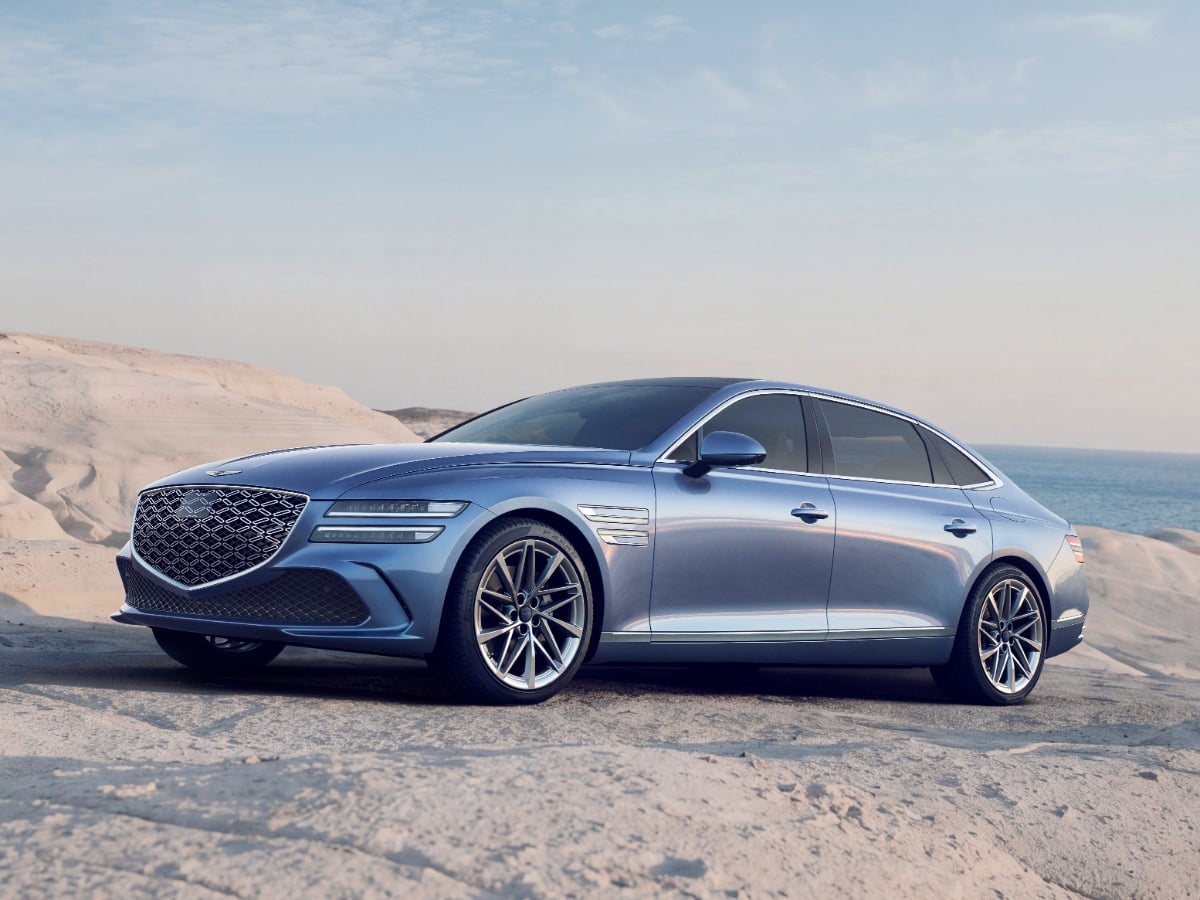
With the first hybrid powertrain ever offered in a Genesis, the 2028 Genesis G80 Hybrid luxury sedan delivers impressive performance and improved fuel efficiency.
Read the Full Article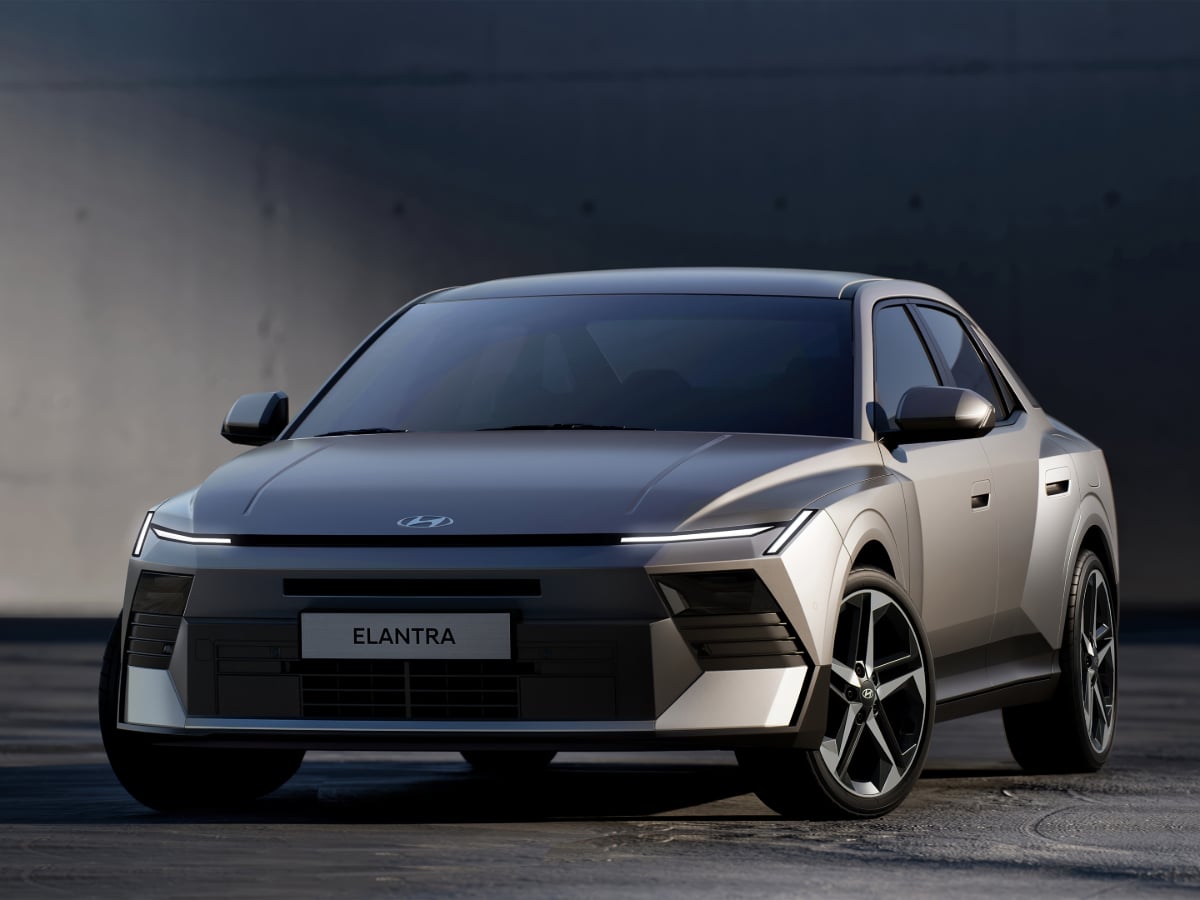
A complete departure from its predecessor, the 2027 Hyundai Elantra arrives with bold new styling, a clean, high-tech cabin, and an all-new infotainment system.
Read the Full Article
A new electric sedan wearing three-pointed stars is coming soon, arriving as the 2027 Mercedes-Benz C-Class Electric with a C 400 4Matic Electric designation.
Read the Full Article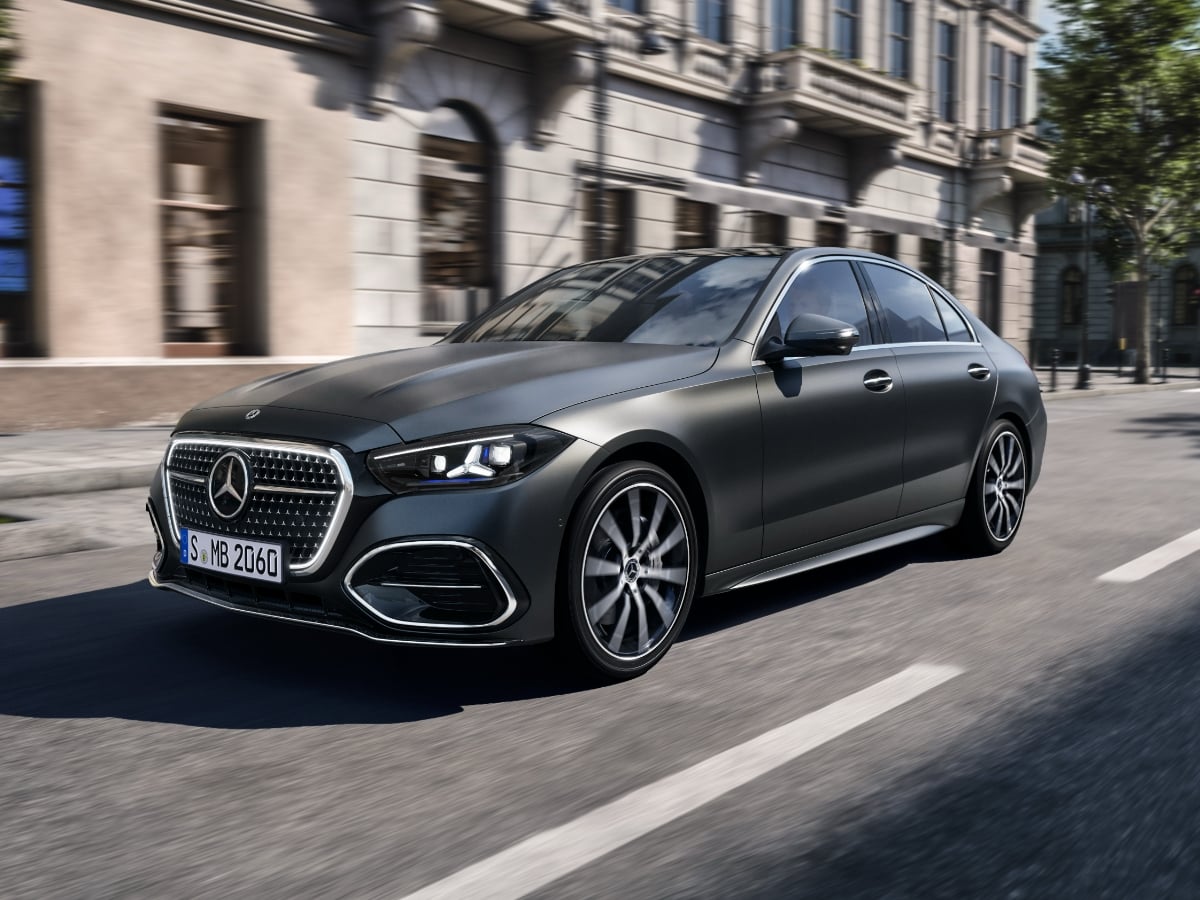
Luxury vehicle buyers prefer SUVs, but a contingent of people still prefer lighter, more efficient, nimbler sedans. The 2027 Mercedes-Benz C-Class serves them with a compact size and a nicer price ...See More
Read the Full Article