
Picture this scenario: there is an obstruction on the road while you are driving, and then you press the horn to signal other motorists and pedestrians to realize that it sounds faint and weak. It can surely be frustrating and even lead to accidents.
Depending on usage conditions, car horns can last about 6 to 10 years before needing replacement. However, a car horn sounding weak is a common problem for many drivers. Some signs that get easily noticed when the car horn is damaged are a blown-out fuse, block clock spring, faulty horn relay, frayed wiring, and a faulty horn button. But let’s get more into the topic to better answer the question in the title.
The car horn is an essential safety feature used to warn other drivers or pedestrians of a potential hazard and to signal for help in an accident. A horn that sounds weak is just as dangerous as having no horn at all.
There are several reasons why it might sound worse over time, and they’ll be listed down below.
Car horns function with electric power; therefore, if a blown-out fuse blocks electric flow, electricity cannot get through, and ultimately the horn will stop working or make a weak sound. Thus, the fuse is the first thing to check when the horn sounds weak. The fuse is on the panel inside the car or under the hood. You can check the owner’s manual to find the exact location.
A broken clock spring in the car’s sound system is one of the common reasons your car horn may sound weak. When the clock spring breaks, it can cause the horn to sound muted or even fail to sound at all.
If you suspect your car’s clock spring has broken, it is best to have it repaired as soon as possible. A broken clock spring can not only prevent your car horn from sounding correct, but it can also pose a safety hazard.
A bad horn switch can cause the electrical current to be interrupted, resulting in a weak or intermittent sound.
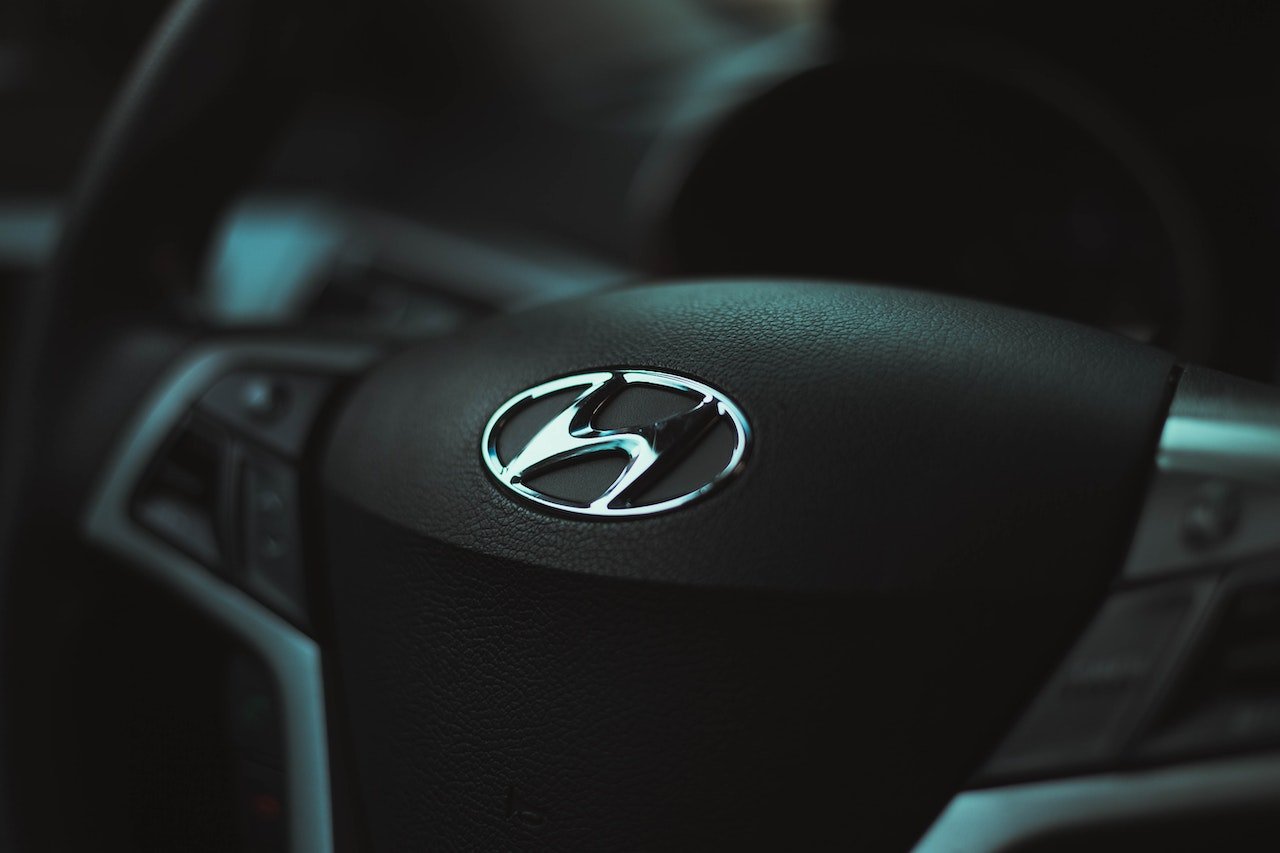
The horn button is the electrical part used to activate the horn. In most cars, the horn switch set is integrated into the vehicle's steering wheel for quick and easy access by the driver. So drivers simply press this switch to turn on or turn off the horn. Over time, the horn switch could eventually succumb to wear and tear.
Another possibility is that the horn relay is faulty. The relay is responsible for sending an electrical signal to the horn, and if it is not functioning, the horn will not be able to produce a strong sound. Another reason may be that the horn itself is damaged. If a horn has been hit or crumpled, it may not be able to produce a strong sound.
The problem could be with the wiring. If the wiring is old or loose, it may not be able to guarantee the transmission of the power supply to the horn. However, if the issue cannot get easily fixed, it is best to consult a qualified mechanic.
Firstly, check the fuse box to see if the fuse for the horn has blown. If so, replace the fuse with a new one. Next, clean the terminals on the horn relay using a wire brush. If the problem persists, you may need to replace the horn relay.
Finally, if none of these solutions work, you may need to replace the car horn entirely. While this can require quite some time to complete, it is nothing too overly complicated. However, if you struggle with the repairs at any point, feel free to delegate the repairs to a qualified mechanic.
The car horn is an essential safety feature. It is used to warn other drivers or pedestrians of a potential hazard and to signal for help in an accident. A horn that sounds weak is just as dangerous as no horn at all.
Your car horn may sound weak due to a blown-out fuse, broken clock spring, faulty horn switch, faulty relay, or old or frayed wiring. You can make do with a DIY-repair, which would involve some diagnosing and inspecting, but if you don’t feel you can pull that off, drive to the nearest auto shop for help.


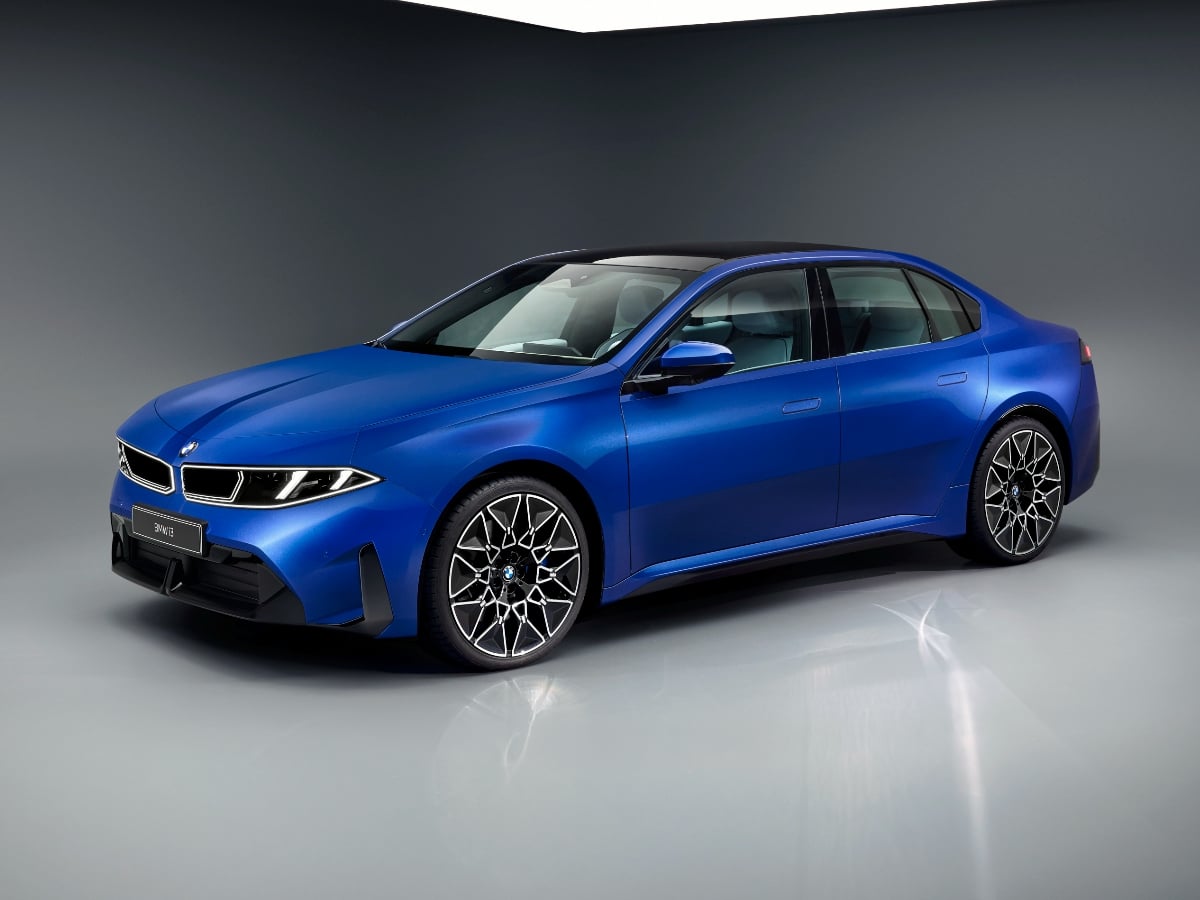
The new 2027 BMW i3 boasts an estimated range of up to 440 miles, 400-kilowatt DC fast charging capability, bidirectional charging to a home or the grid, and next-generation technology.
Read the Full Article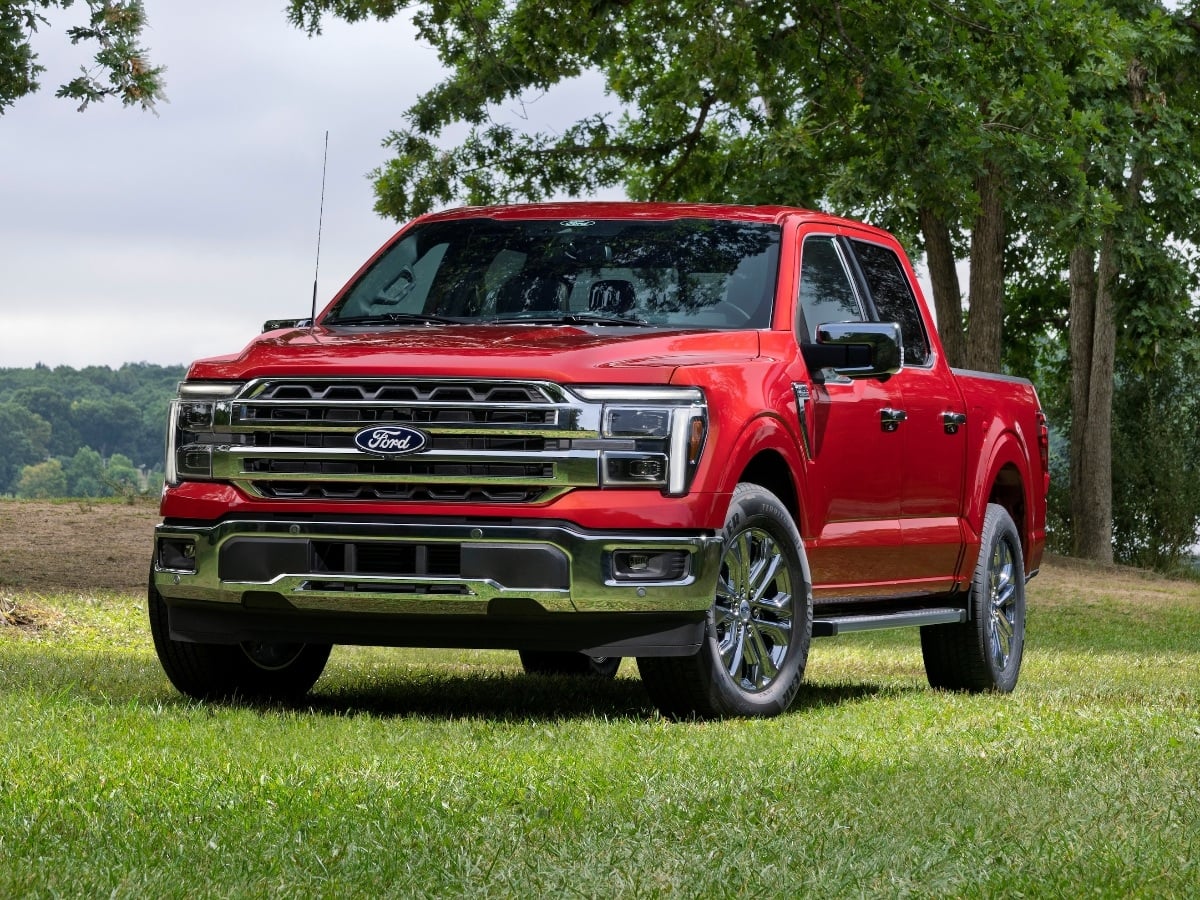
Facing renewed competition in the full-size, light duty pickup truck segment, the 2027 Ford F-150 receives subtle styling updates, a new standard engine, broader availability of its 5.0-liter V8, and ...See More
Read the Full Article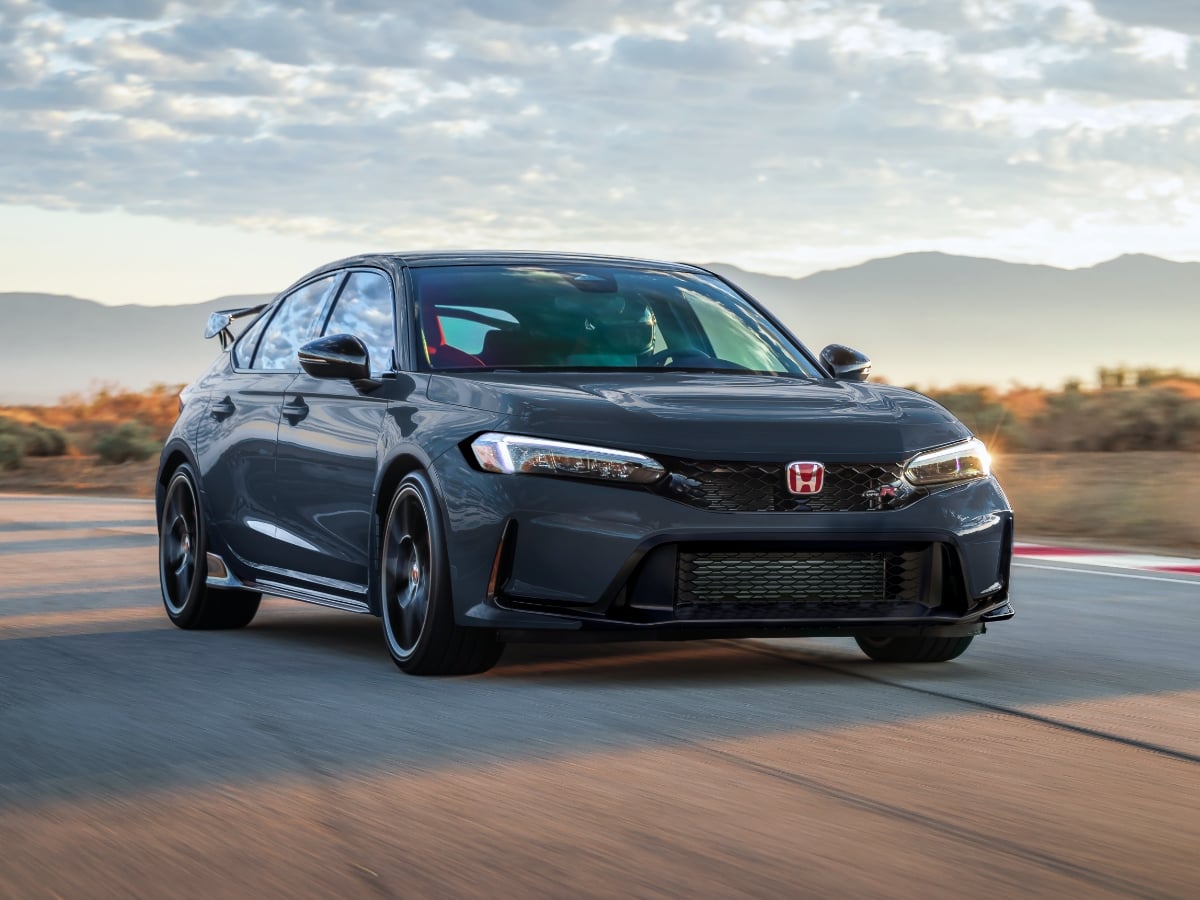
The 2027 Civic Type R goes on sale in October 2026, and it starts at $49,990, including the $1,295 destination charge.
Read the Full Article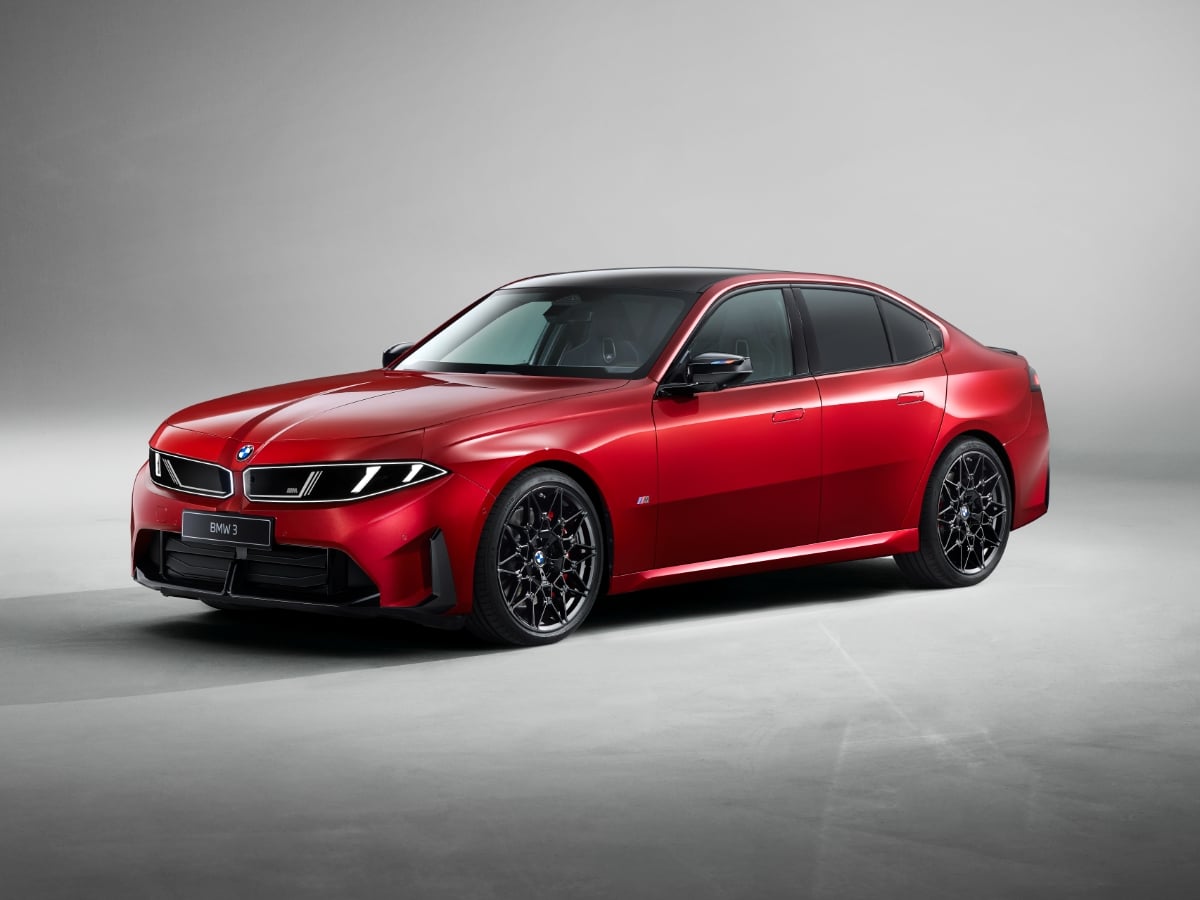
Part of BMW’s Neue Klasse (new class) rollout of redesigned models, the 2027 BMW 3 Series is all-new and goes on sale in the first quarter of 2027.
Read the Full Article