
Maintaining your car in top-notch condition should always be high on your priority list. The engine, brakes, wheels, and other vital parts can’t take care of themselves, and you either have to drive to auto shops or do all that’s necessary yourself.

Most choose to stick to auto shops or dealerships, especially if they have a warranty. This handy document relieves you of any financial burdens and helps cover the repairs. However, you may have gotten more than a few phone calls reminding you that your warranty has expired over the last month or week.
If you receive the calls way too often, it may border on annoying and leave you wondering if they are legitimate. Today, we will explain what this is all about and attempt to provide you with methods to make the people behind them “ease off”.
The phone calls you receive may be aggressive telemarketing, deliberately targeted at some people. But, generally speaking, that is not the case, and the people on the phone are scammers who want to get their hands on your credit card details and checking account number. They will pose as representatives of a car dealer or manufacturer throughout the call and try to sell you an extended service contract that provides horrendous coverage or doesn’t exist.
A valid vehicle manufacturer or dealer would never make such a call and try to sell you additional services or an “extended warranty”. Compared to extended service contracts, warranties don’t cost a thing. Instead, they are weaved into the vehicle’s price, with their extensions controlled by the manufacturer. They prolong the warranty only to address specific problems for certain models and will usually notify you by e-mail.
Some people think that the calls point to your warranty’s expiration. It is far from the truth, as the scammers have no way of knowing that. State motor vehicle records are public information, and they can find out which car you own and learn its age and VIN. The scammers, however, cannot know anything beyond that.
The scheme they’re pulling involves making a series of educated guesses. They will try to convince you that the deal is tailor-made for your person. You shouldn’t fall for that and play your part by taking preventative measures.
One of the more common ideas is to block the calls. This would work if not for their phone number change. The scammers’ system spoofs area codes and numbers, so you’re never called by the same one ever again. Even if you carry the conversation along and try to be removed from the calling list, it would only increase the frequency of calls.
The proper thing to do here is to hang up as soon as possible and ensure you will do the following:
Finally, use your phone to put some protection in place. Most models have an option called “Block unknown callers'' or something similar. This will reject any call the scammers can make and direct it straight to voicemail, sparing you from the ensuing pointless conversation.
Additionally, you could use specialized other measures. Most wireless and landline carriers offer tools to block telemarketers and robocalls, plus smartphones have a wide range of apps.
Be cautious, and don’t let the scammers fool you. The advice we provided should help you dodge most of these calls. But if you do, be confident and never agree to anything they will offer.



The 2027 Civic Type R goes on sale in October 2026, and it starts at $49,990, including the $1,295 destination charge.
Read the Full Article
Part of BMW’s Neue Klasse (new class) rollout of redesigned models, the 2027 BMW 3 Series is all-new and goes on sale in the first quarter of 2027.
Read the Full Article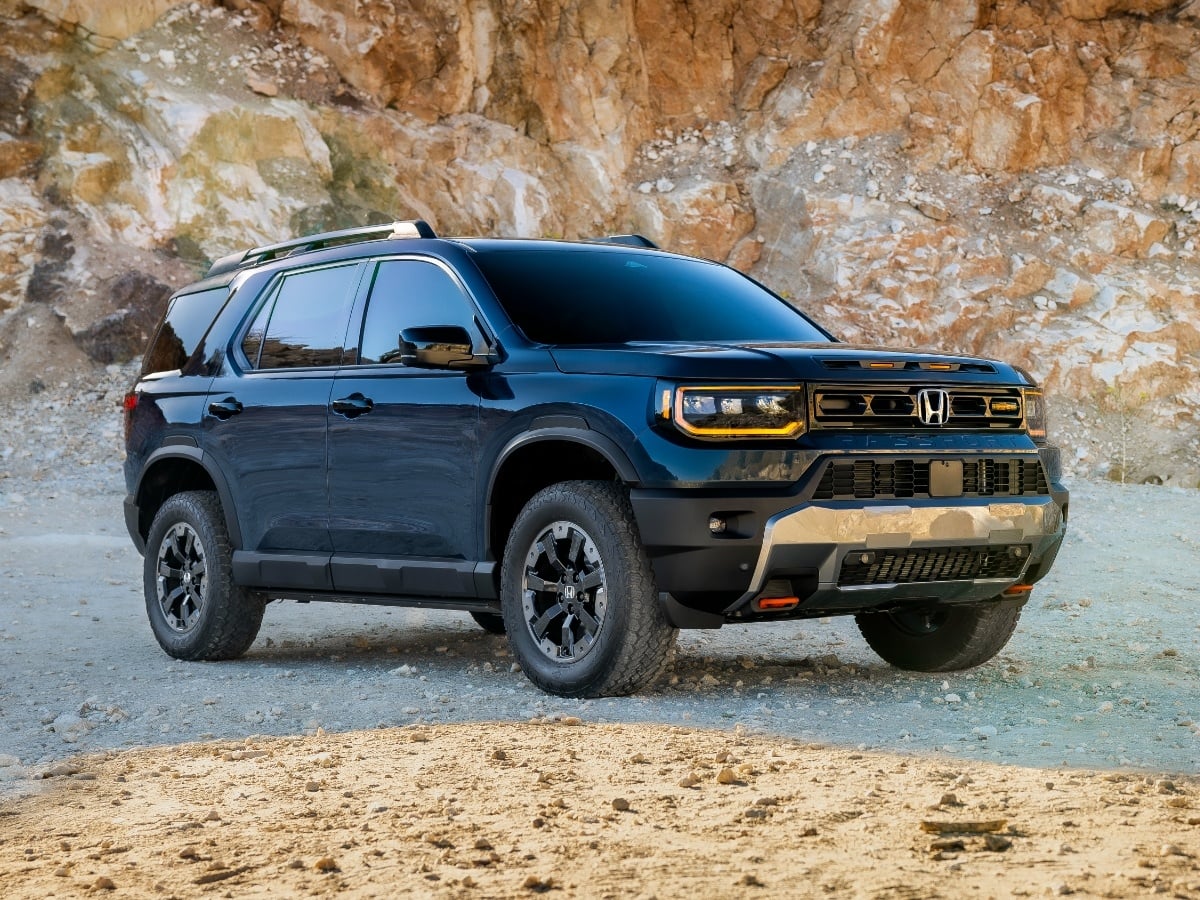
Updates to the 2027 Honda Passport TrailSport include a reworked suspension, improved steering, subtle styling enhancements, and added standard equipment.
Read the Full Article
The midsize 2027 Mercedes GLE remains available in original and spicy Coupe recipes, now with standard 4Matic all-wheel drive (AWD), MBUX Superscreen technology, and a panoramic glass sunroof for ...See More
Read the Full Article