
Purchasing a vehicle can be one of the most important decisions you’ll make. Selecting your ideal car, truck, or SUV requires equal parts patience and know-how, extracting as much information as possible to inform your purchasing decision.

While new cars straight from the factory floor are unlikely to hold any unforeseen surprises, used vehicles can pose a real threat of the unknown to an unsuspecting prospective owner. You just never know exactly what a vehicle has been through and, thus, have the potential to end up with a lemon on your hands.
Customers are advised to acquire vehicle history reports to avoid such a result. These data sets are often pretty concise and provide tons of pertinent information about the vehicle, making them helpful in ensuring you make the right choice.
Let’s take a look at vehicle history reports and discuss their importance, benefits, and particular bits of data they contain.
Buyers who purchase a brand-new vehicle straight off the showroom floor do not need to obtain vehicle history reports. Since the vehicle has not been driven, there should be no problems with it; if there are, the manufacturer will promptly send notifications or recalls. However, as auto prices continue to rise and Americans bear the burden of relentless inflation, consumers find themselves more inclined than ever to consider used vehicles - and that’s precisely where vehicle history reports come into play.
These reports provide owners with the benefit of knowledge and foresight. Private sellers can trick you into overpaying for a poor-performing vehicle. They could also do this unknowingly by lacking the proper knowledge and history of the vehicle.
Vehicle history reports provide owners with a wealth of information. These reports contain aggregated data provided by several federal, state and local municipalities, as well as vehicle auction and auto body repair shops to see if a used vehicle incurred any damages, be it fire, flood, or even hail. The same goes for accidents, number of previous owners, mileage, registration, and maintenance records.
The benefits of knowing the maintenance history of a vehicle can not be overstated. For instance, all cars should undergo service every 7,500 or 10,000 miles, or at least once a year. Vehicle history reports will contain reported information on maintenance that a particular vehicle has undergone and be listed in chronological order, with exact mileage recorded during each entry. Therefore, you will know instantly whether or not the previous owner took care of the vehicle or not, and should have a detailed understanding of what’s going on under the hood.
Ownership history can prove to be helpful as well. Sometimes, a vehicle can change hands many times within a short period of time. While there may be a perfectly reasonable explanation for this, it can sometimes indicate that something fishy is going on, or there’s a potentially irreparable issue waiting for you on the other side of that bill of sale!
While all vehicle history reports contain applicable information on a vehicle's history, certain reports are more detailed than others or include additional information that may be important. Services like AutoCheck® provide accurate, reliable information about your chosen vehicle. The service is powered by Experian, a market leader in information services, and has a very convenient score system with a budget-friendly price tag.
AutoCheck® reports are divided into six primary categories of information, including:
When obtaining a vehicle history report, you should carefully inspect every category, including reported accidents or damages, odometer checks, or recalls. In tandem with the Detailed Vehicle History Report, this information should provide you with enough data to make an informed purchase decision.
If the vehicle in question has been salvaged, has incurred any structural damages, or has had many owners in a relatively short period, it is a definite red flag. The same ideology applies to mileage, as vehicles that stay in the garage or undergo extensive use tend to be more susceptible to mechanical issues.
Carefully analyze every event in the Detailed Vehicle History Report, and take note of AutoCheck’s unique score. This proprietary scoring system is based on extensive data Autocheck has compiled for each vehicle. Compare the vehicle’s score with the average range. If the vehicle has a score of 82, but the comparison range averages between 88-90, this indicates that this model is in below-average condition.
Acquiring a vehicle history report is an excellent way to both identify used cars in poor condition and discover potential hidden gems. Though many private sellers or dealerships have vehicle history reports on hand, it’s always wise to do your own research and obtain your own records from a reliable source.



The new 2027 BMW i3 boasts an estimated range of up to 440 miles, 400-kilowatt DC fast charging capability, bidirectional charging to a home or the grid, and next-generation technology.
Read the Full Article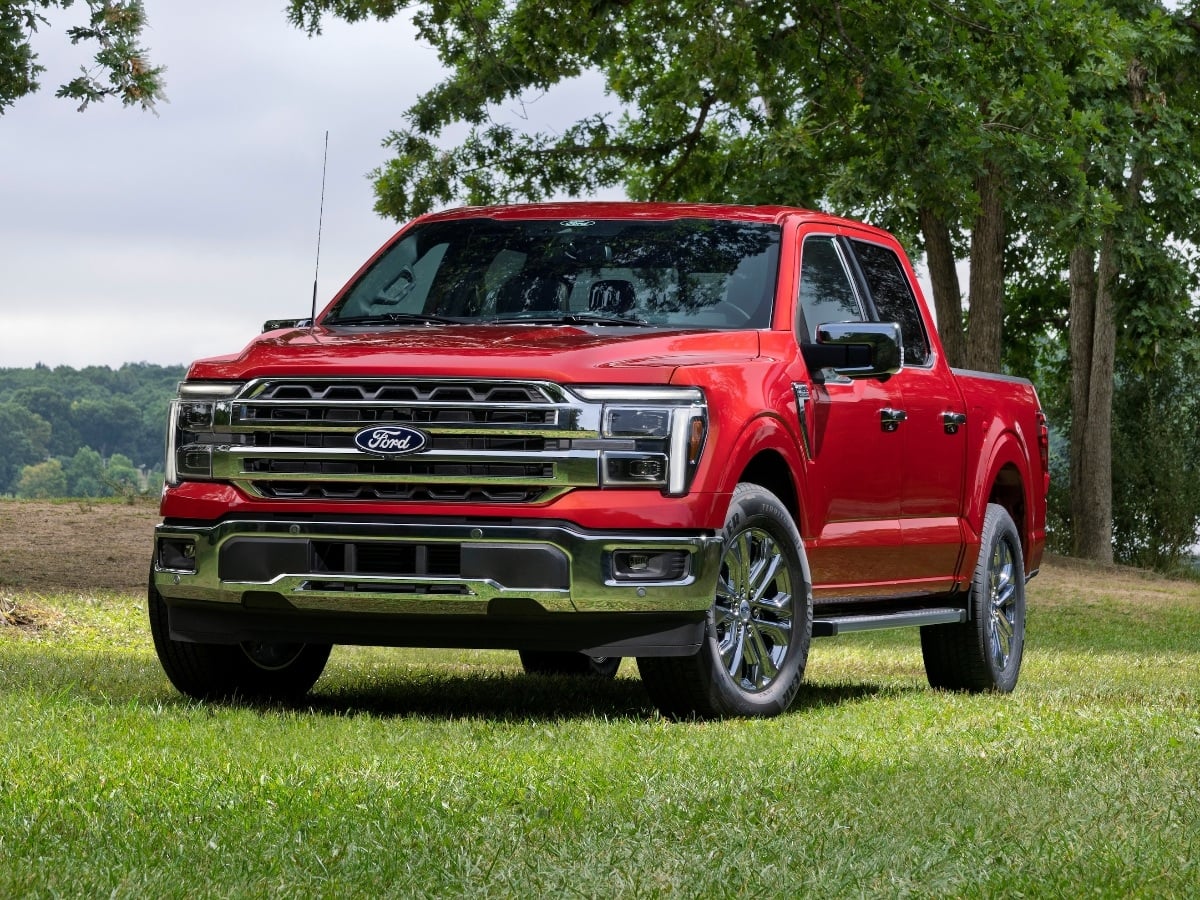
Facing renewed competition in the full-size, light duty pickup truck segment, the 2027 Ford F-150 receives subtle styling updates, a new standard engine, broader availability of its 5.0-liter V8, and ...See More
Read the Full Article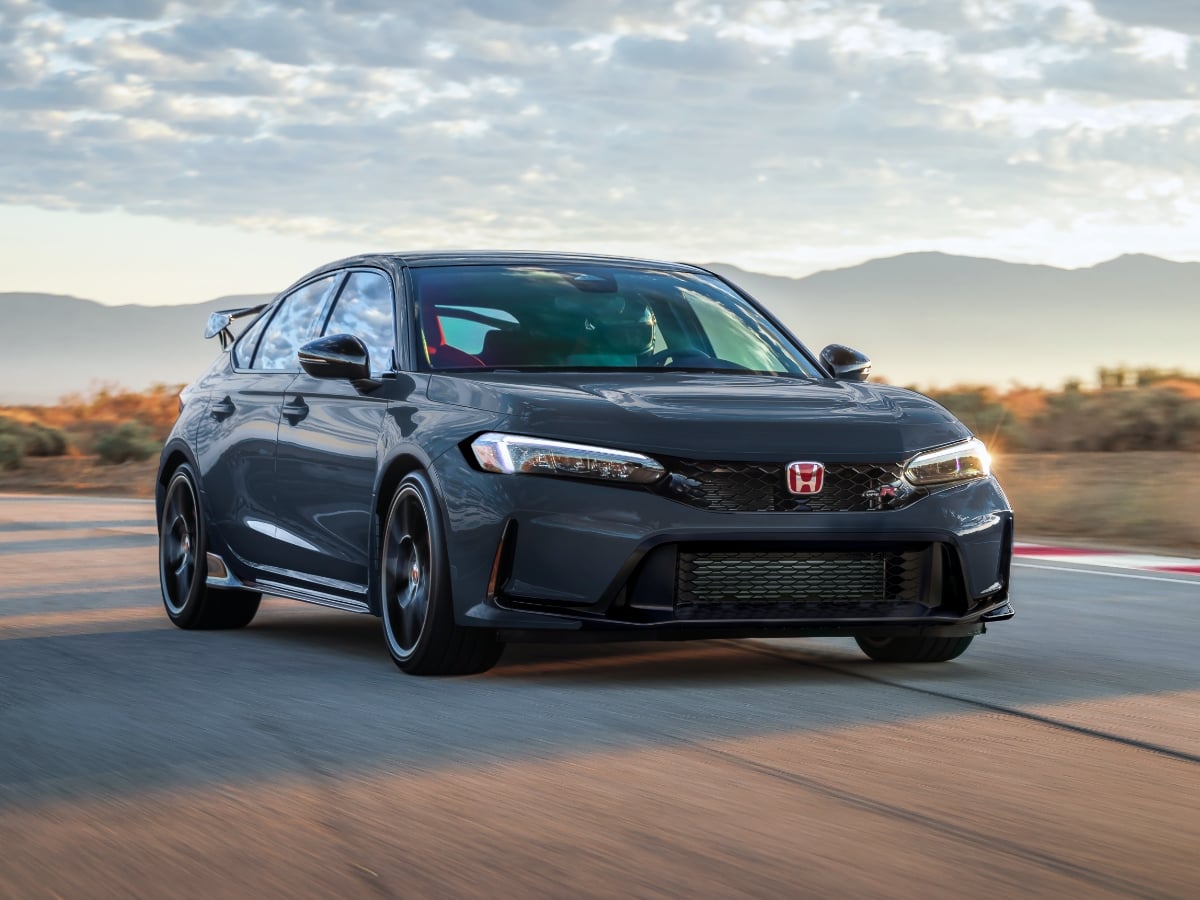
The 2027 Civic Type R goes on sale in October 2026, and it starts at $49,990, including the $1,295 destination charge.
Read the Full Article
Part of BMW’s Neue Klasse (new class) rollout of redesigned models, the 2027 BMW 3 Series is all-new and goes on sale in the first quarter of 2027.
Read the Full Article