
Vehicle doors that are hinged on the rear side, or rear-hinged doors, are commonly known as suicide doors. The name appeared in the 60s due to them being unsafe for passengers. Today they are not that common but are still put in some vehicles by manufacturers.

Why are they so dangerous? Well, it has to do with the aerodynamic force. At high speeds, such a door not locked could get thrown wide open and, due to intense airflow, push the passenger out of the car. This could prove fatal, as the passenger will also hit the door or, in the worst-case scenario, fly straight into oncoming traffic.
Why do suicide doors exist? And why are they called that? Let’s find out.
The first automobiles borrowed their designs from fancy carriages and coaches. The doors opening backward were much more convenient and gave plenty of space for the passengers when getting in and out, especially for ladies wearing gorgeous long dresses. These days there were no standard blueprints for cars, and they were built only for the upper class, with safety not being a number one priority. Most vehicles didn’t have seat belts and tight fixing locks, but both front and rear doors were rear-hinged.
Many believe the suicide doors were Rolls-Royce’s invention, but most cars from “The Great Gatsby’s” decade had them. This main hazard of the doors was actively exploited by gangsters, as it was an easy way to deal with the enemy or the victim.
After World War II, the rear-hinged doors were mostly installed as rear doors in four-door sedans. Legends of the 60-s, the Lincoln Continental and the Cadillac Eldorado, had suicide rear doors. The idea of the car doors opening like gates towards the passengers was taken from architecture, like the doors of a mansion or a wealthy dining room.
As vehicle technology developed, their ubiquity and top speeds increased. High road traffic made the authorities change the approach and develop new traffic laws. Ralph Nader was the first loud voice for car safety who described suicide doors as dangerous. He extensively covered them in his book “Unsafe at Any Speed: The Dangers of the American Automobile” in the early 60s and used the term “suicide doors.” The book resonated loudly with the public. Seatbelts and proper locks became obligatory for all auto manufacturers, and the use of rear-hinged doors was swiftly reduced due to their unsafety.
The last American car produced with suicide doors was Ford Thunderbird manufactured from 1967 to 1971. And the last modern vehicle with original suicide doors was a 2003 Toyota Tundra pick-up truck – it lacked the pillar between the doors, which allowed owners to load bulky items inside the vehicle.
Of course, the manufacturers never used this term officially; Rolls-Royce called them “Coach doors,” Mazda called them “freestyle doors,” Opel had “flex doors,” and Saturn had “rear access doors.” But the term “suicide doors” was engrained into everyone’s mind.
In the 2000-s, the idea of gate-like opening doors with rear-hinged back doors evolved to a safer option called clamshell doors. Rear doors are blocked by the front doors when shut and cannot be opened until the front doors open. Probably the first vehicle that reintroduced these “suicide-style” doors to mass-market was the 2010 Opel Meriva. Since 2010-s, the models that feature clamshell doors have been the BMW i3, Toyota FJ Cruiser, Nissan Juke, Saturn SC, Saturn Ion Quad Coupe, Honda Element, Fiat 500 3+1, Mazda RX-8, and Mazda MX-30.
Rear-hinged doors still find their use today in modern vehicles. Rolls-Royce keeps putting them in their fancy sedans, like the Rolls-Royce Phantom. This specific model uses another door safety protocol: the front and rear doors are independent, but the rear door locks and does not allow both doors to open until the vehicle completely stops.
The UK State Bentley of 2002, meant for the Queen, had a wide rear-hinged passenger door, which allowed the Monarch to enter and exit with dignity. The Lincoln C, a concept car from 2009, was also presented with suicide rear doors without a pillar between the front and rear doors. For Lincoln’s 80s Anniversary in 2019, the manufacturer announced a series of 80 limited-edition Continentals featuring rear-hinged back doors.
Suicide doors are also used in some public service cars. London’s legendary taxi Austin FX4, produced from 1958 to 1997, featured passenger rear-hinged doors. They were removed in later models but reintroduced in 2018 by the LEVC TX. This was more comfortable for the passengers to board and for the driver to open the passenger door through the window, not leaving the seat to assist a client. Carbon Motors Corporation, an American police car manufacturer, introduced a police auto concept called E7 in 2008, which featured rear suicide doors. This was done to help officers get handcuffed passengers in and out of the back seat much more effortlessly. The model was supposed to appear in 2012 but never came out.
Suicide or rear-hinged doors were a hazard in the early years, as more attention was paid to looks and overall aesthetics rather than safety. Their major problem was the aerodynamic force that could quickly blow the passenger out of the car when the doors weren’t locked.
Today, however, these doors are completely safe due to clamshell locks or blocking locks and should never lead to fatal accidents. So, if you own a vehicle with rear-hinged doors, don’t worry, and keep driving!


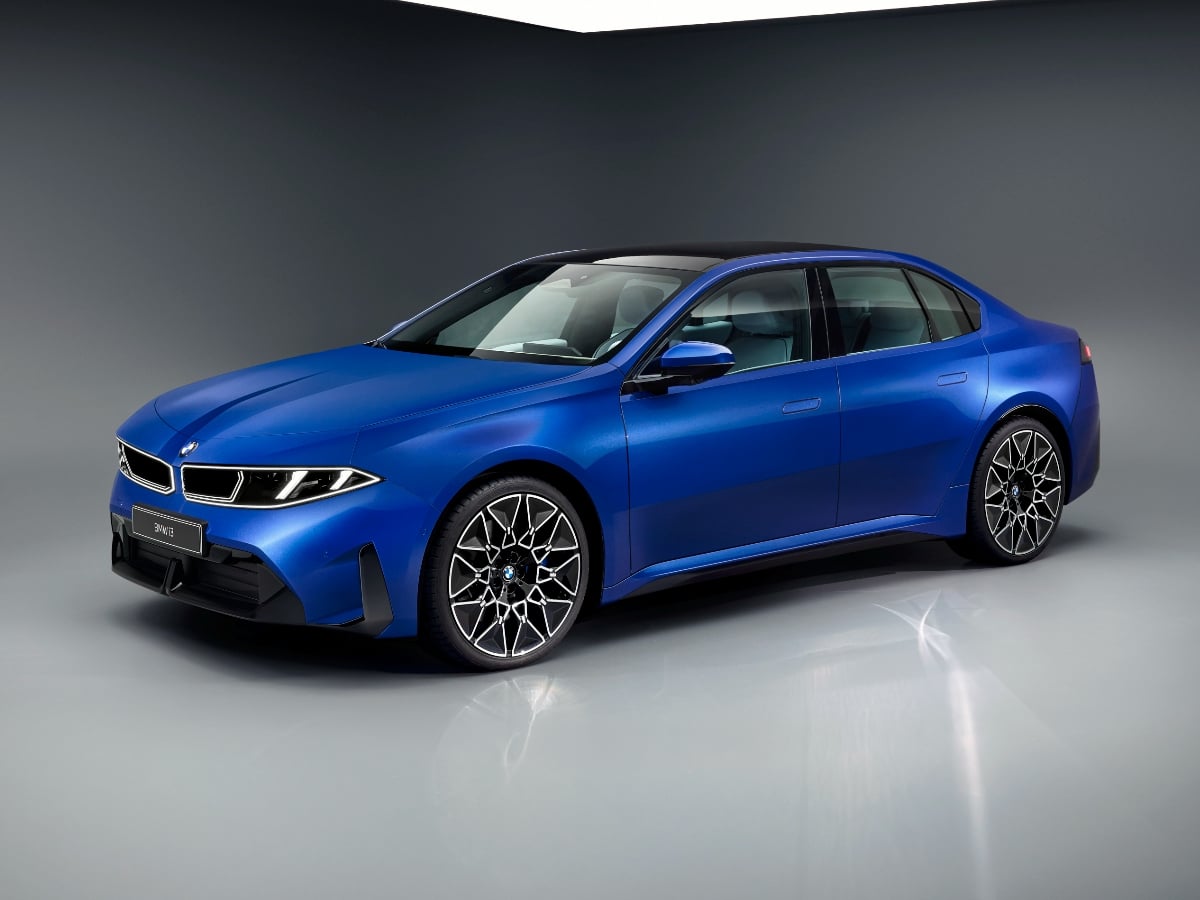
The new 2027 BMW i3 boasts an estimated range of up to 440 miles, 400-kilowatt DC fast charging capability, bidirectional charging to a home or the grid, and next-generation technology.
Read the Full Article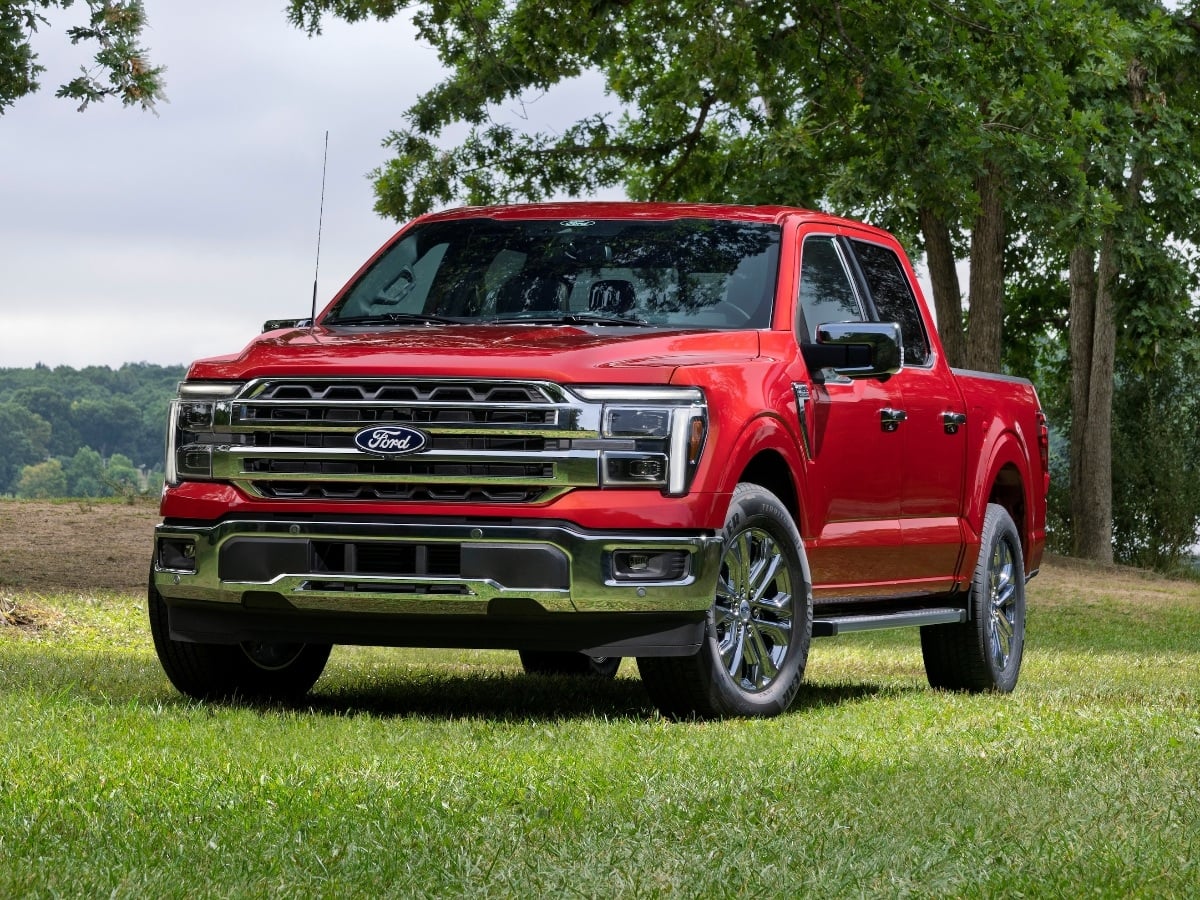
Facing renewed competition in the full-size, light duty pickup truck segment, the 2027 Ford F-150 receives subtle styling updates, a new standard engine, broader availability of its 5.0-liter V8, and ...See More
Read the Full Article
The 2027 Civic Type R goes on sale in October 2026, and it starts at $49,990, including the $1,295 destination charge.
Read the Full Article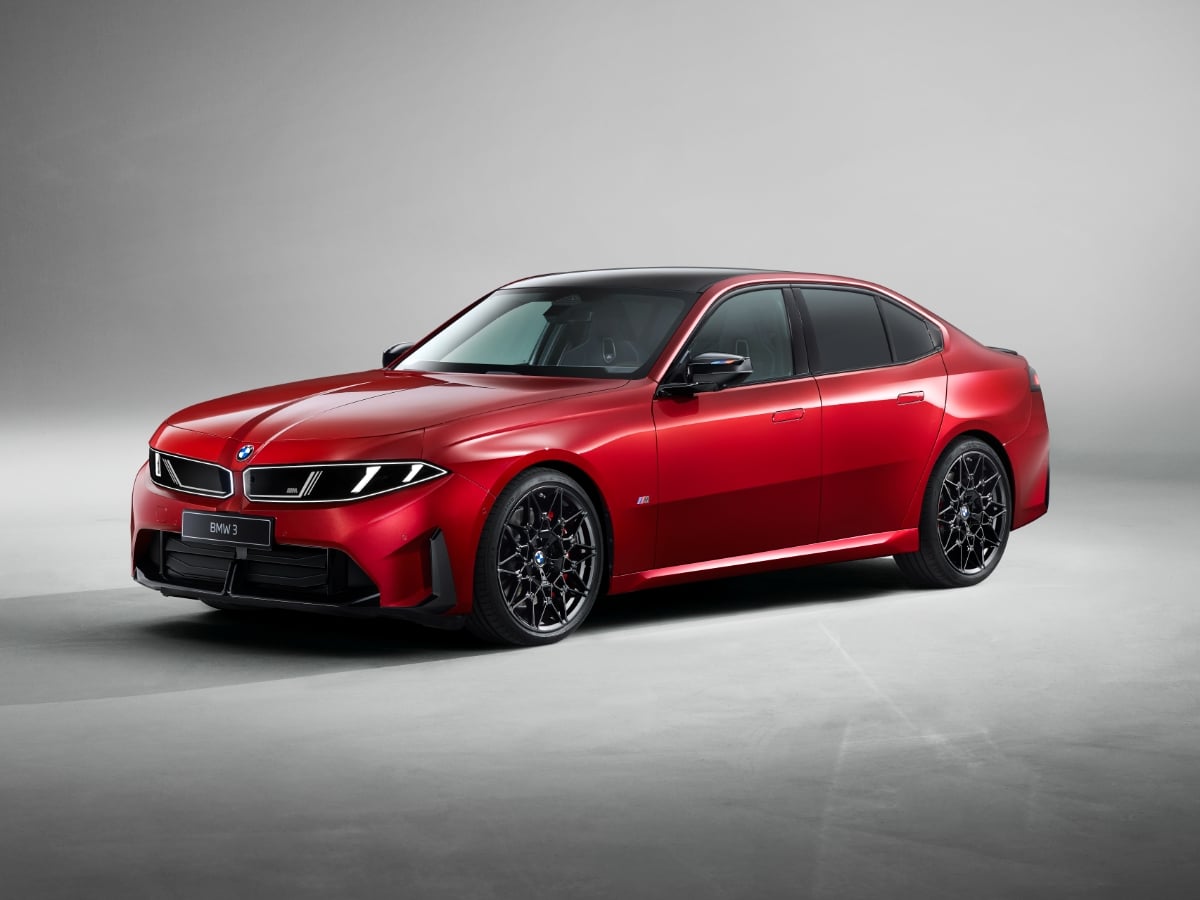
Part of BMW’s Neue Klasse (new class) rollout of redesigned models, the 2027 BMW 3 Series is all-new and goes on sale in the first quarter of 2027.
Read the Full Article