
The practice of painting firetrucks red has been a centuries-long tradition upheld by fire departments worldwide. Though this practice’s exact origins have seemingly been lost to time, theories have emerged to help provide some plausible answers to this age-old question.

Let’s take a look at the most popular ideas and theories surrounding how the coloring scheme changed throughout the years.
From an early age, many of us associate firetrucks with the color red. But while the color has become synonymous with these vehicles, many individuals are absent of the knowledge behind its reasoning. Though it is difficult to validate any definitive answer, even the association of the color with fire cannot be easily discarded.
There are many theories related to the origins of fire engines and the birth of a modern firetruck.
Modern streets are populated by vehicles of every size and color, so emergency vehicles can no longer heavily rely on their visual appearance to stand out. Instead, powerful strobe lights and loud sirens attract the attention of pedestrians and other drivers.
Contrary to popular belief, things were not so different in the Industrial Age. Before the advent of the automobile, colorful carriages and carts were fashionable, so everything from wheels to the wagon boxes were painted to display both status and individuality.
The undercarriages of farm wagons were most commonly painted in red and orange, leading one to assume the color was cost-effective and readily available. It is also said that these colors were chosen to better conceal dirt and corrosion that would inevitably appear through everyday use.
So what do firetrucks have to do with horsedrawn carriages? Well, the first fire engines were manually-operated pumps that were mounted on carts or horsedrawn carriages. Some of the earliest models may have even possibly been mounted on used farm wagons, as they were the cheapest option at the time and were already suitable for carrying a heavy load.
Other theories exist, hypothesizing that firefighters painted them red out of pride in their equipment. or because it was the cheapest color of paint available at the time. While red is a highly visible color during the day, the relatively slow speed at which fire engines move lends credence to the idea that sound was a far more effective way of clearing the roads and bringing attention to a moving firetruck than color.
While numerous theories exist, a multitude of them is hearsay in many ways. However, the most probable cause of why we link firetrucks with the color red is likely Henry Ford, creator of the Ford Motor Company.
By the 1920s, Ford’s assembly lines were producing record-breaking numbers of the Ford Model T, which were predominantly painted black. The automaker’s influence spread beyond the Model T, also producing red fire engines for cities across the nation. They even offered the Model T in ‘firetruck red.’
With streets filled with predominantly black cars, brightly colored firetrucks could now prominently stand out on the road. Equipped with extremely loud sirens, firetrucks rushed to the scene in the fashion we still see to this day. As pedestrians saw it for the first time, people created an association between red trucks and firefighting vehicles.
While the color red is synonymous with firetrucks, it isn’t the only color of a fire engine that operates. Throughout history, firefighting vehicles have been painted in various colors, as they still are today. Regulations only specify that the appropriate metal surfaces need to be painted, but there are no specific color choice restrictions.
One of the strongest cases for changing the color pattern occurred in the second half of the 20th century. Studies indicated that red is one of the first colors to disappear at night. In light of this discovery, newly proposed lime green and yellow colors were embraced by many fire departments, though they faced strong opposition from traditionalists.
It is likely that we will never know the exact origins of why fire engines are red. Yet we do know that the horse-drawn water pumps on wagons were the very first fire engines, and they were painted red. Whether it was the most affordable option for the volunteers or a costly color chosen out of pride, the world may never fully know. However, all of the information we have should present some historical context that expands upon the existing theories.


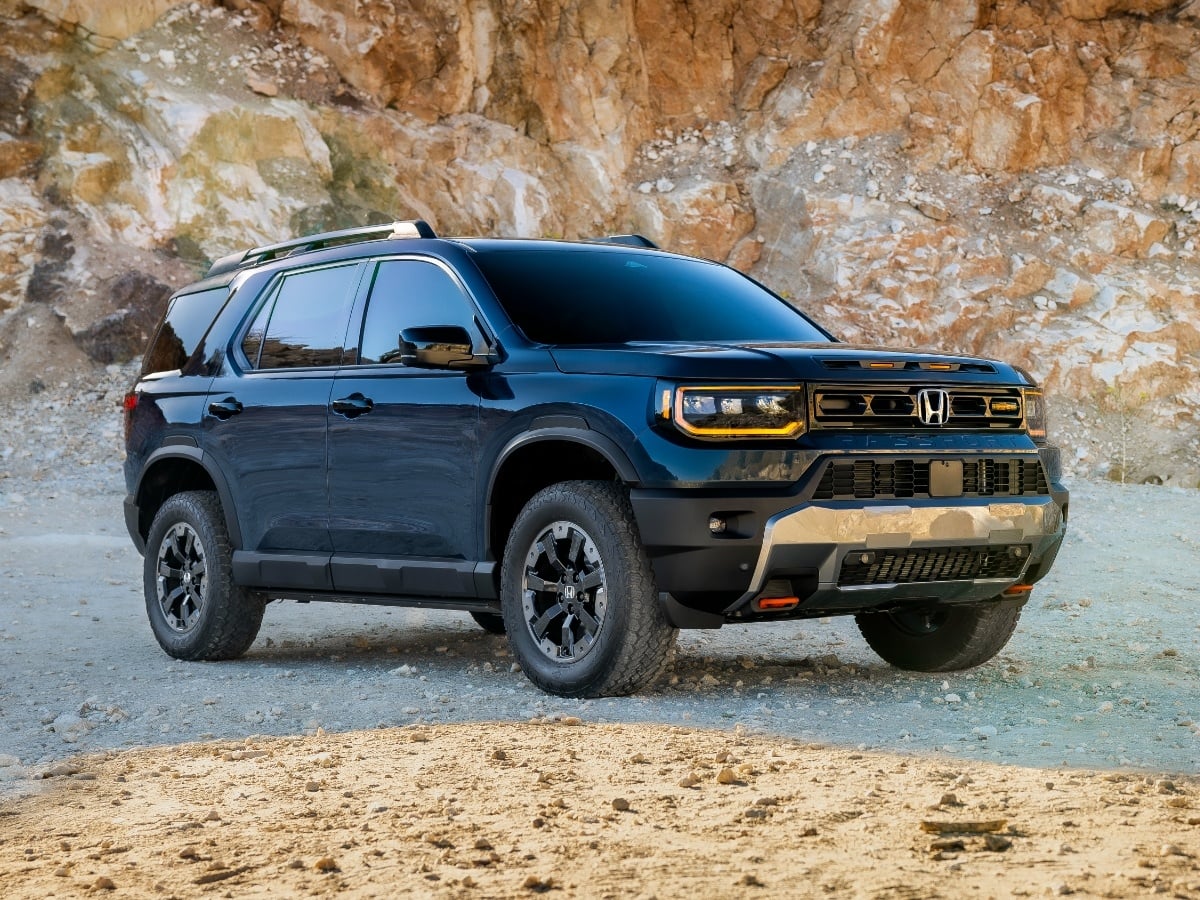
Updates to the 2027 Honda Passport TrailSport include a reworked suspension, improved steering, subtle styling enhancements, and added standard equipment.
Read the Full Article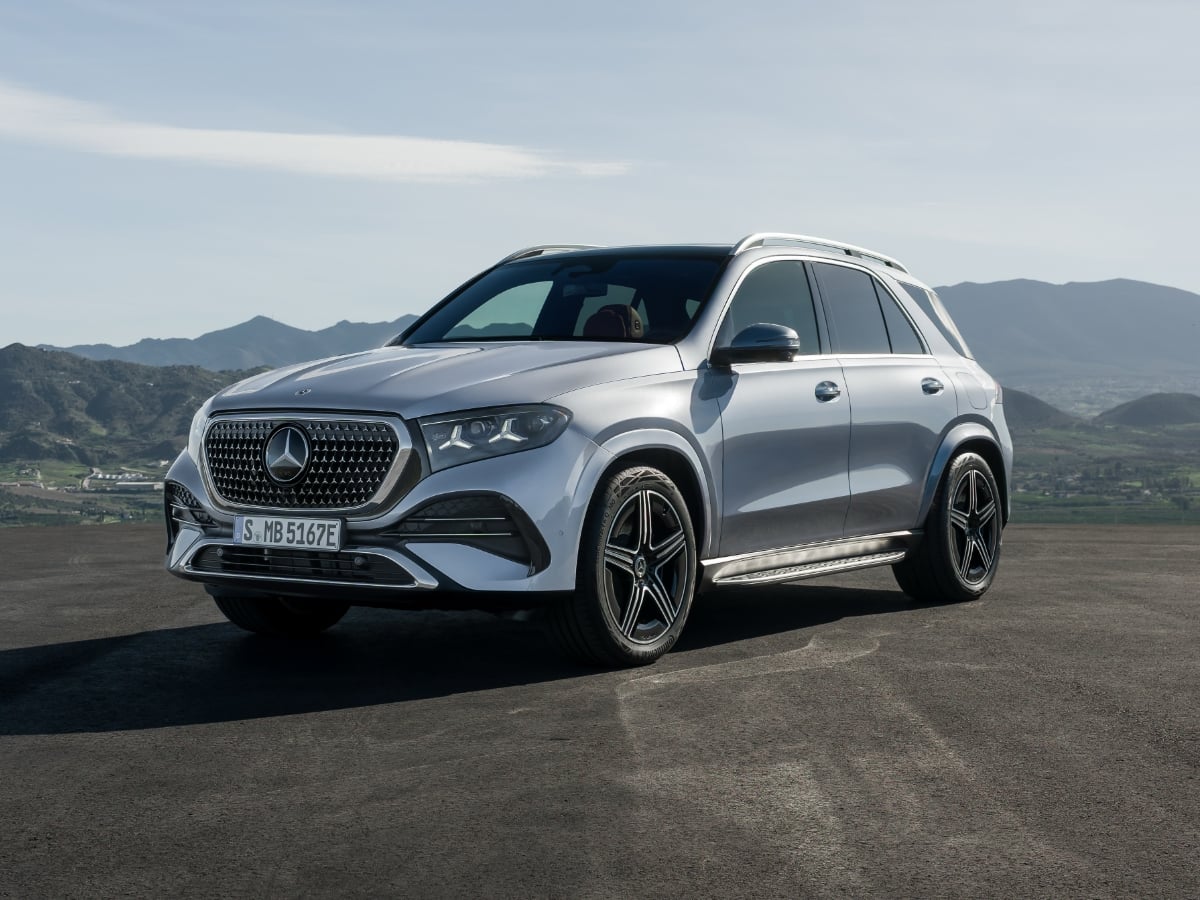
The midsize 2027 Mercedes GLE remains available in original and spicy Coupe recipes, now with standard 4Matic all-wheel drive (AWD), MBUX Superscreen technology, and a panoramic glass sunroof for ...See More
Read the Full Article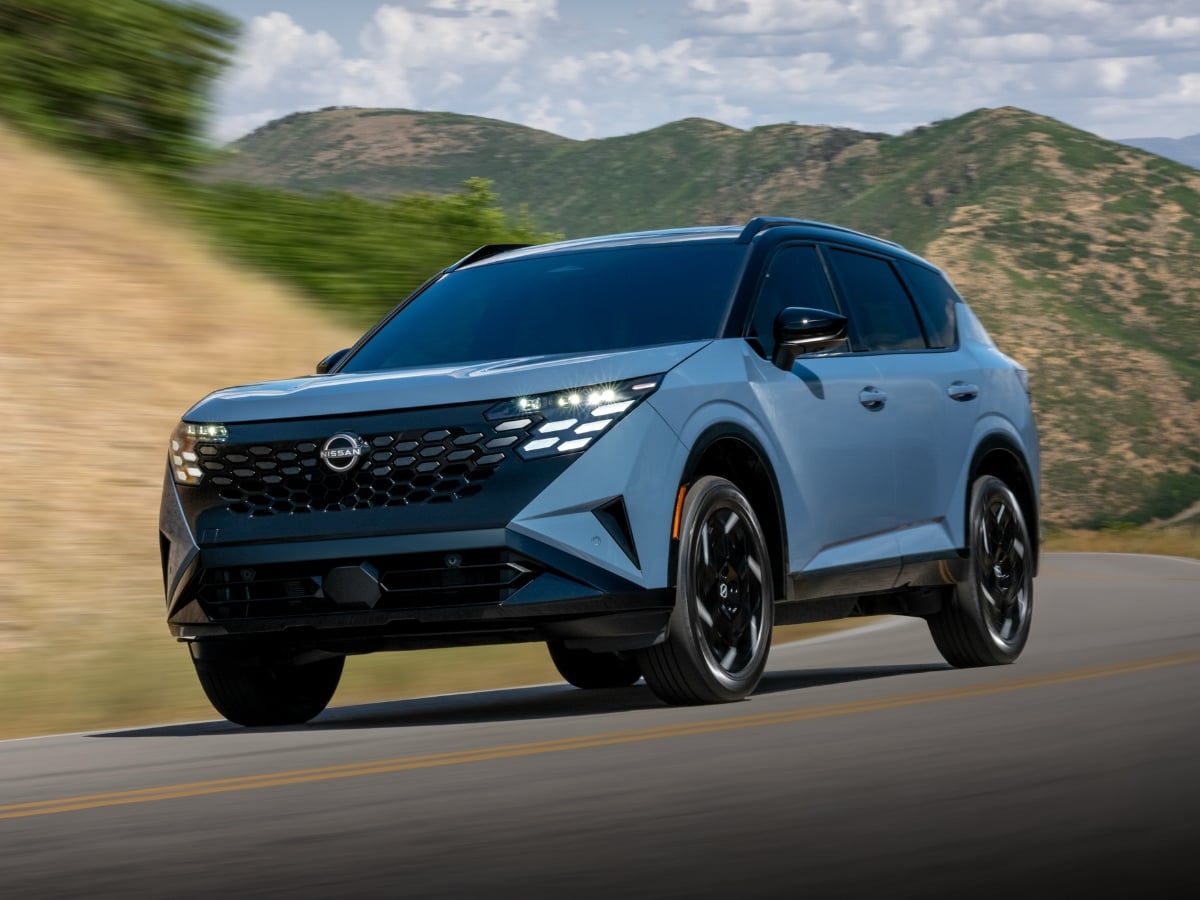
Nissan is about to introduce an innovative new SUV. The 2027 Nissan Rogue Hybrid has a gasoline engine, but it does not power the wheels. Instead, electric motors at each axle provide propulsion, ...See More
Read the Full Article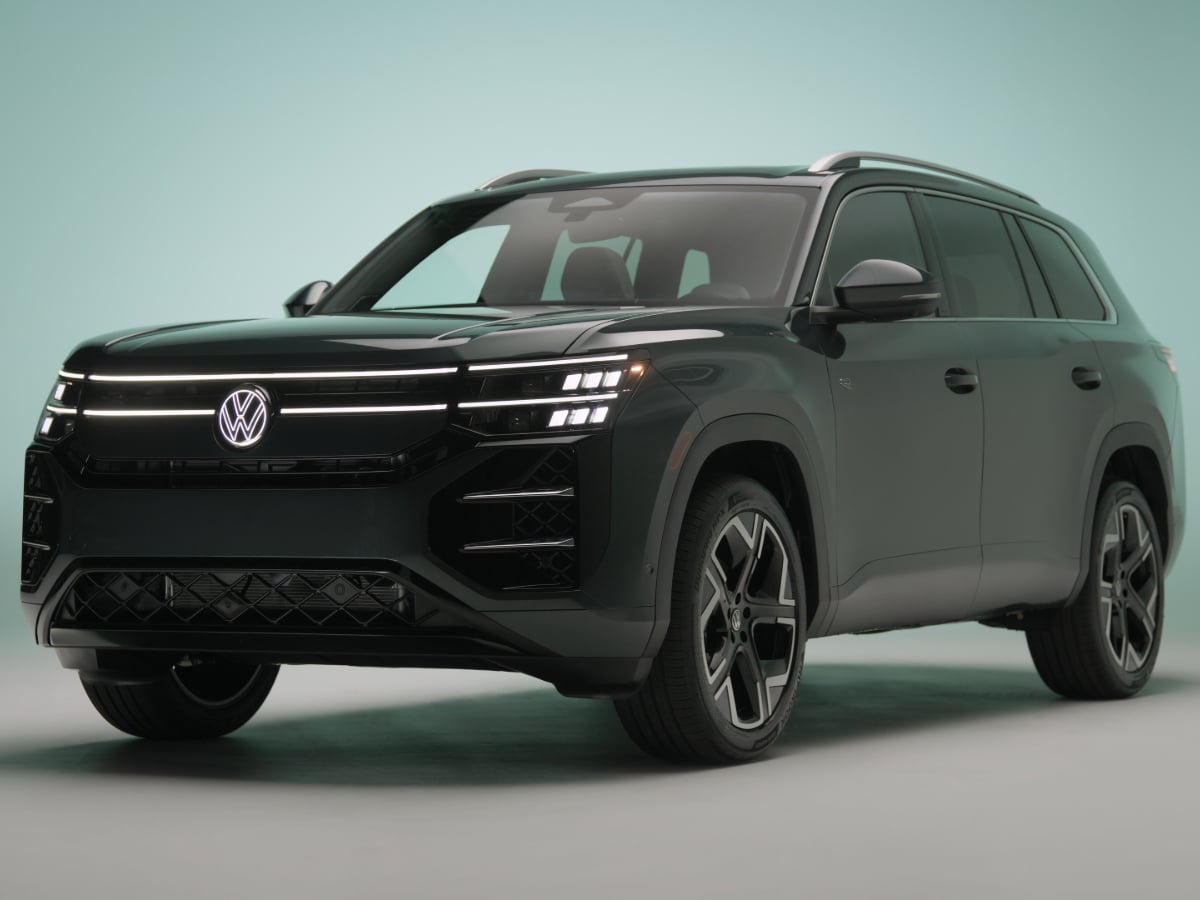
Adding European flair to the otherwise vanilla midsize three-row family SUV market, the redesigned 2027 Volkswagen Atlas debuts with a sharper exterior, an upgraded cabin, more power, and new ...See More
Read the Full Article