
Parents who own cars have to ensure the safety of their children. Aside from minivans that are family-friendly because they have lots of room for passengers and luggage, vehicles that offer built-in booster seats are also family-friendly. Built-in booster seats are ideal for parents, grandparents, caregivers, and anyone who might need to transport a child safely.

Dating back to the 1990s, Volvo continues to manufacture built-in child booster seats for some of its vehicles.
This article explains the need for built-in booster seats and the only automaker that provides them for their vehicles.
A built-in booster seat or integrated seat is a booster that pops out of the rear seat’s bench, raising the child in height to create a better fit for the seat belt.
This feature is great as it fits your child correctly because the integrated safety seat is made specifically for that vehicle. Note that when the booster is not in use, it gets stowed into the seat’s bench. A built-in booster seat will not be at risk of becoming a projectile in case the vehicle is involved in a collision.
The National Highway Traffic Safety Administration (NHTSA) recommends booster seats for children from as young as age 4 to age 12, beginning when children reach the recommended weight or height limit for their forward-facing child seat with a harness. The NHTSA proposes that children remain in booster car seats until they are 4 feet 9 inches, or 57 inches, tall.
A built-in booster seat may be used in the rear seat until the child is big enough for the car’s seat belts to fit properly without the added booster height.
Volvo first offered an integrated booster seat in 1990 in their 960 models. It now offers an integrated booster option in three of its 2022 vehicles, the XC90 mid-size SUV, XC60 compact SUV, and V90 Cross Country wagon. All versions of these vehicles, including hybrid and plug-in hybrid variants, offer built-in child booster seats.
The XC90 offers a single seat that rises in the center of the second row. The XC60 and V90 Cross Country offer a pair of boosters in the outboard positions of the second row. The seats in these two vehicles are rated for children at least 37 inches tall and include two height adjustments, a higher position for children 33 to 55 pounds and a lower position for children 50 to 80 pounds.
As of 2014, Volvo and Dodge were the only automobile companies offering child-built-in booster seats. And of those manufacturers, only specific models in their lineups have child built-in booster seat features available.
Presently, only Volvo continues to manufacture vehicles with child-built-in booster seats because they are a convenient feature that is extremely popular with their customers. Volvo admits to doing extensive safety engineering and crash testing to be able to offer vehicles that have built-in booster seats for children.
Volvo car manufacturers confessed that adding child-built-in booster seats is a challenging feature to add to a car. It may be why they are the only automobile company still adding child-built-in booster seats in their vehicles presently.
The last competitor to offer integrated or built-in booster seats was Dodge, which had them for a decade in its now-discontinued Journey SUV until 2019.
Before that, the Chrysler Group (later Fiat Chrysler Automobiles, now Stellantis), also offered second-row integrated boosters in their Chrysler and Dodge brand minivans, a seemingly perfect fit for family vehicles. Unfortunately, their child-built-in booster seats were not compatible with the company’s then-new Stow ‘n Go seats that fold down into the floor. The company realized that minivan shoppers preferred the stowing feature to have a child- built-in booster seats. Stellantis confirmed that it no longer offers integrated or built-in booster seats in any of its vehicles.
A built-in booster seat or integrated seat is a booster that pops up out of the rear seat’s bench, raising the child in height to create a better fit for the seat belt.
As of 2014, Volvo and Dodge were the only automobile companies offering child-built-in booster seats.
Presently, only Volvo continues to manufacture vehicles with child-built-in booster seats because they are a convenient feature that is extremely popular with their customers.
Volvo car manufacturers confessed that adding child-built-in booster seats is not the easiest feature to add to a car. This may be the reason why they are the only automobile company still adding child-built-in booster seats in their vehicles presently. The last competitor to offer integrated or built-in booster seats was Dodge, which had them for a decade in its now-discontinued Journey SUV until 2019.


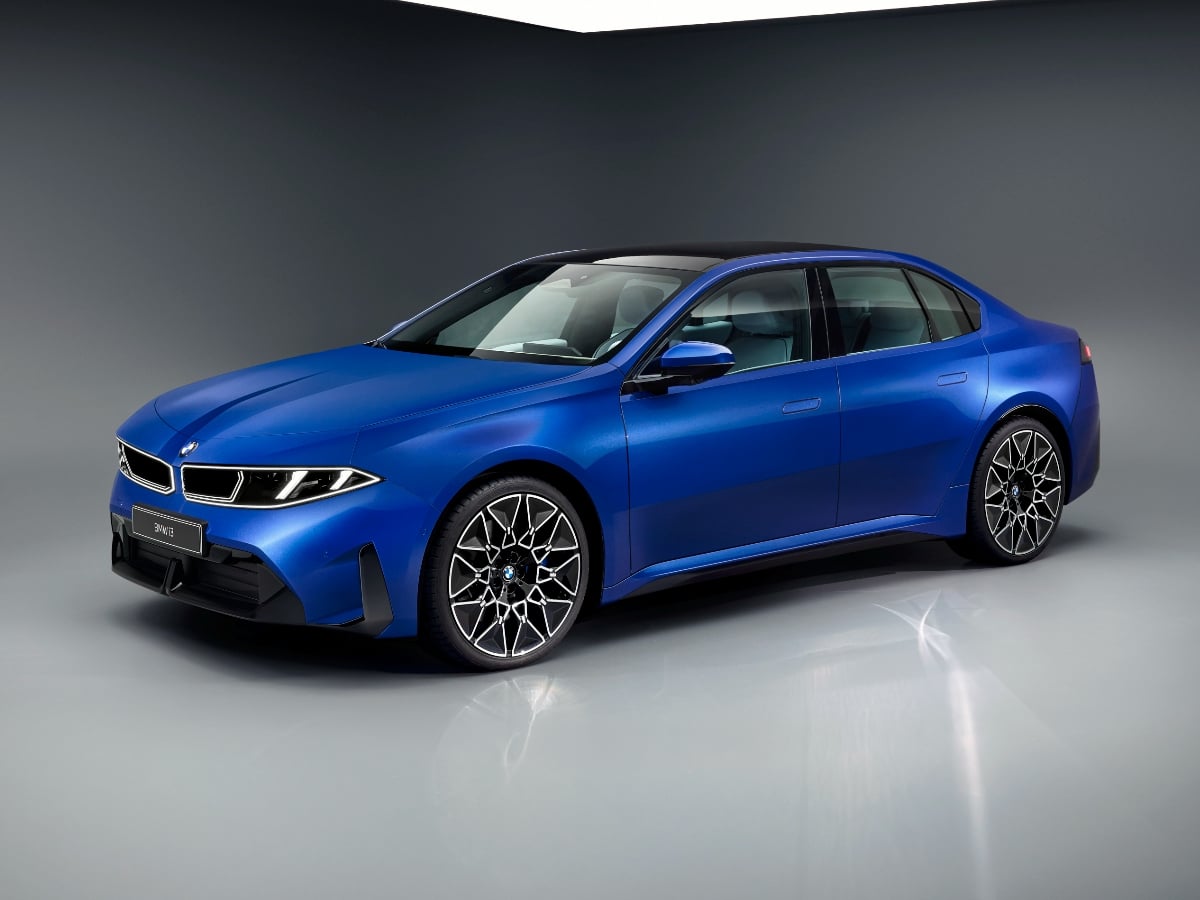
The new 2027 BMW i3 boasts an estimated range of up to 440 miles, 400-kilowatt DC fast charging capability, bidirectional charging to a home or the grid, and next-generation technology.
Read the Full Article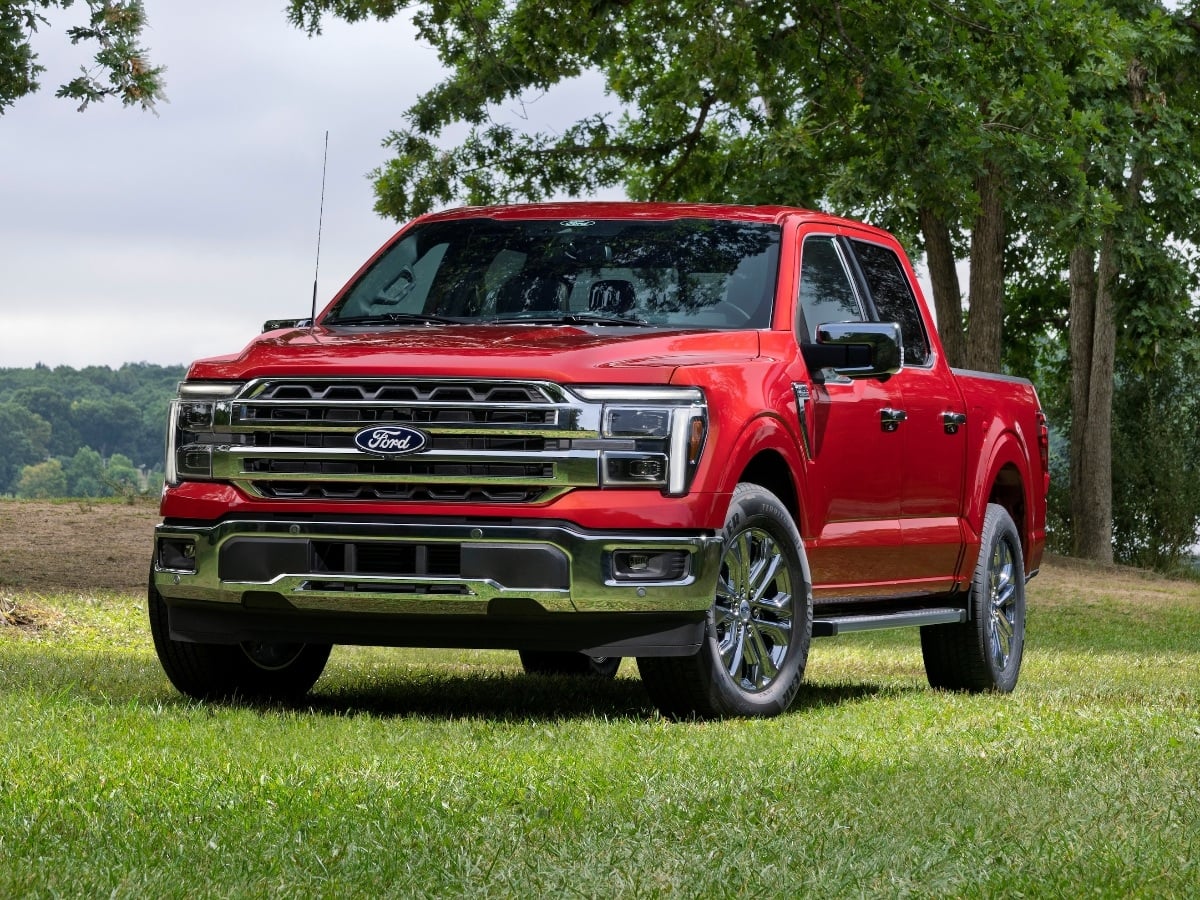
Facing renewed competition in the full-size, light duty pickup truck segment, the 2027 Ford F-150 receives subtle styling updates, a new standard engine, broader availability of its 5.0-liter V8, and ...See More
Read the Full Article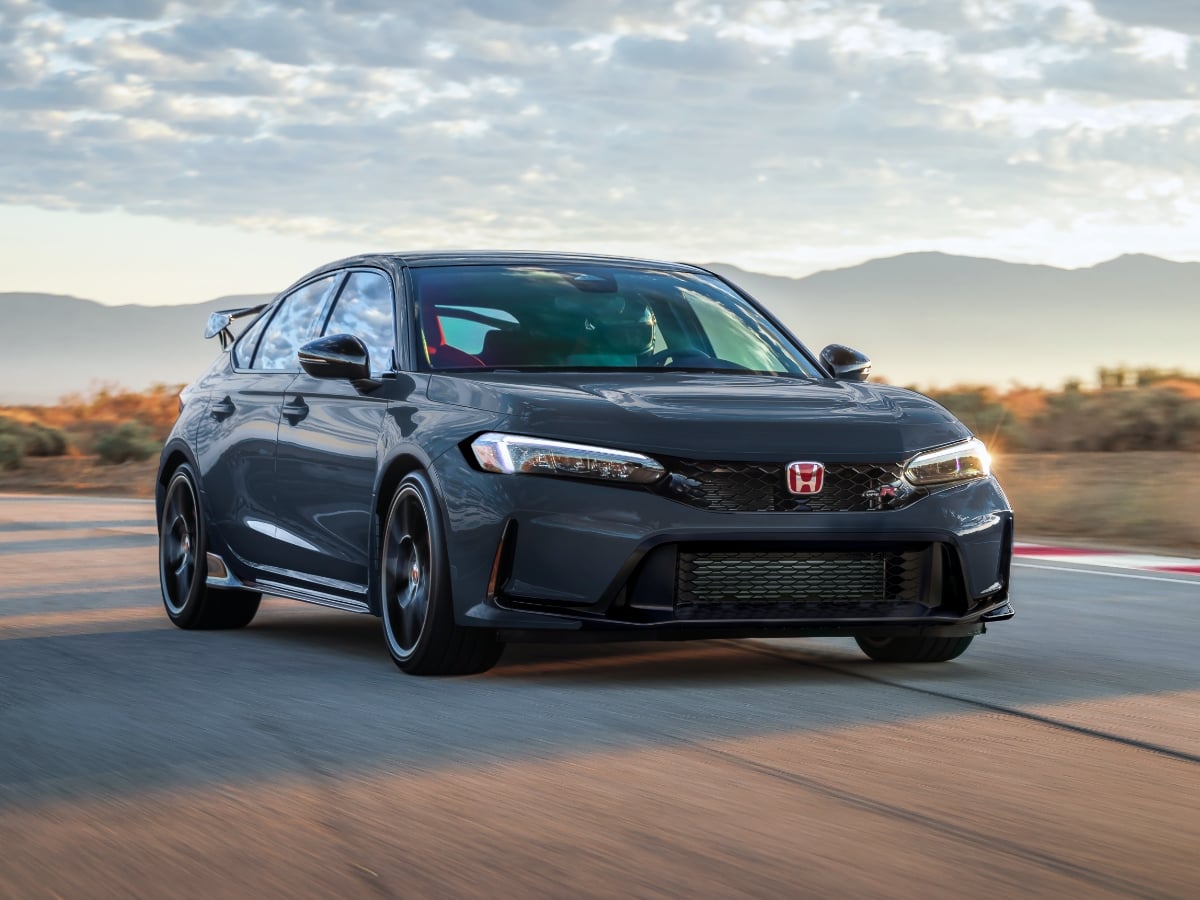
The 2027 Civic Type R goes on sale in October 2026, and it starts at $49,990, including the $1,295 destination charge.
Read the Full Article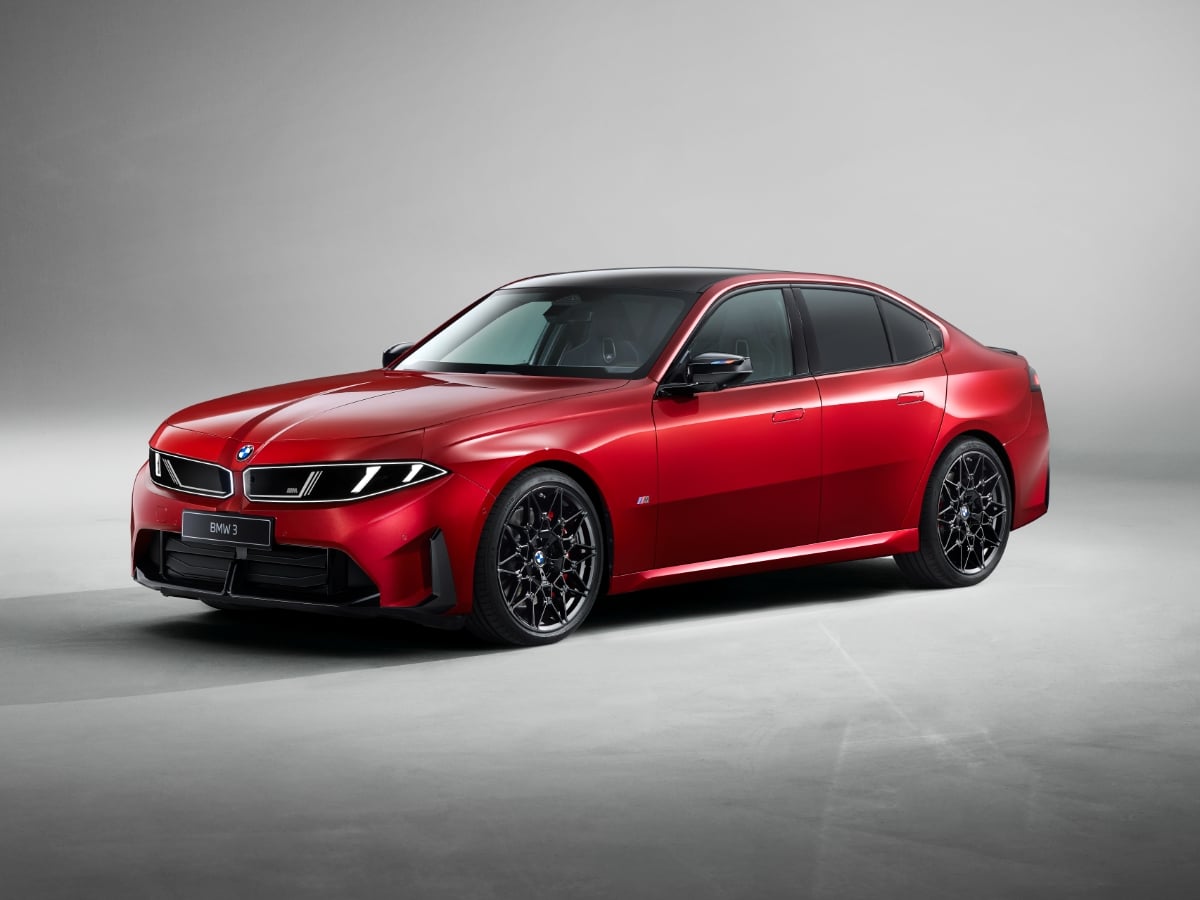
Part of BMW’s Neue Klasse (new class) rollout of redesigned models, the 2027 BMW 3 Series is all-new and goes on sale in the first quarter of 2027.
Read the Full Article