
Driving in the rain can quickly become an arduous task. The roads become slippery, and your tires don’t have such a good grip on the road. This may cause a road accident, costing you money or your life.

Knowing how to behave and drive in such a situation is crucial. Luckily, most good driving instructors take care of that in driving school. But still, it never hurts to know some additional information to make the right decision on the road.
Rain’s only dangerous in the first minutes after it begins. It is due to the small puddles that form on the surface, gather up oil, dust, and other debris, and turn into ice if it’s especially cold. Even a thin layer of water on the road (less than 0.04″) reduces tire traction by half, and heavy rain reduces it even more. Depending on the intensity, the puddles will take some time to clear.
New tires have better traction than worn ones, and summer tires are preferable to winter ones. Summer tire tread has water-repellent channels, which prevent aquaplaning (loss of wheel traction with the wet road surface).
When driving at high speed on a wet road, the motorist may feel that the steering wheel is not as responsive. This can easily make beginners panic, which increases the risk of an accident.
On wet road surfaces, the vehicle’s braking distance increases. If the road is not empty, it may lead to a car crash.
Before you get in the driver's seat, make sure your windshield, side mirrors, and headlights are clean. Periodically check the washer tank for sufficient fluid. Sweep up the leaves or tree seeds that have fallen on the wiper blades, which should be changed regularly.
Tires play an essential role in the car’s stability on wet surfaces, so choose them responsibly and monitor tread depth. An air conditioner will help quickly cope with window fogging inside the car interior, as it dries the air when switched on.
Don’t get behind the wheel when it first starts to rain. Wait things out, as the road will pose fewer hazards to the driver. However, when you finally get in the driver’s seat, always keep your car at a speed of 31.07 mph, and maintain a safe distance from other drivers in front of you.


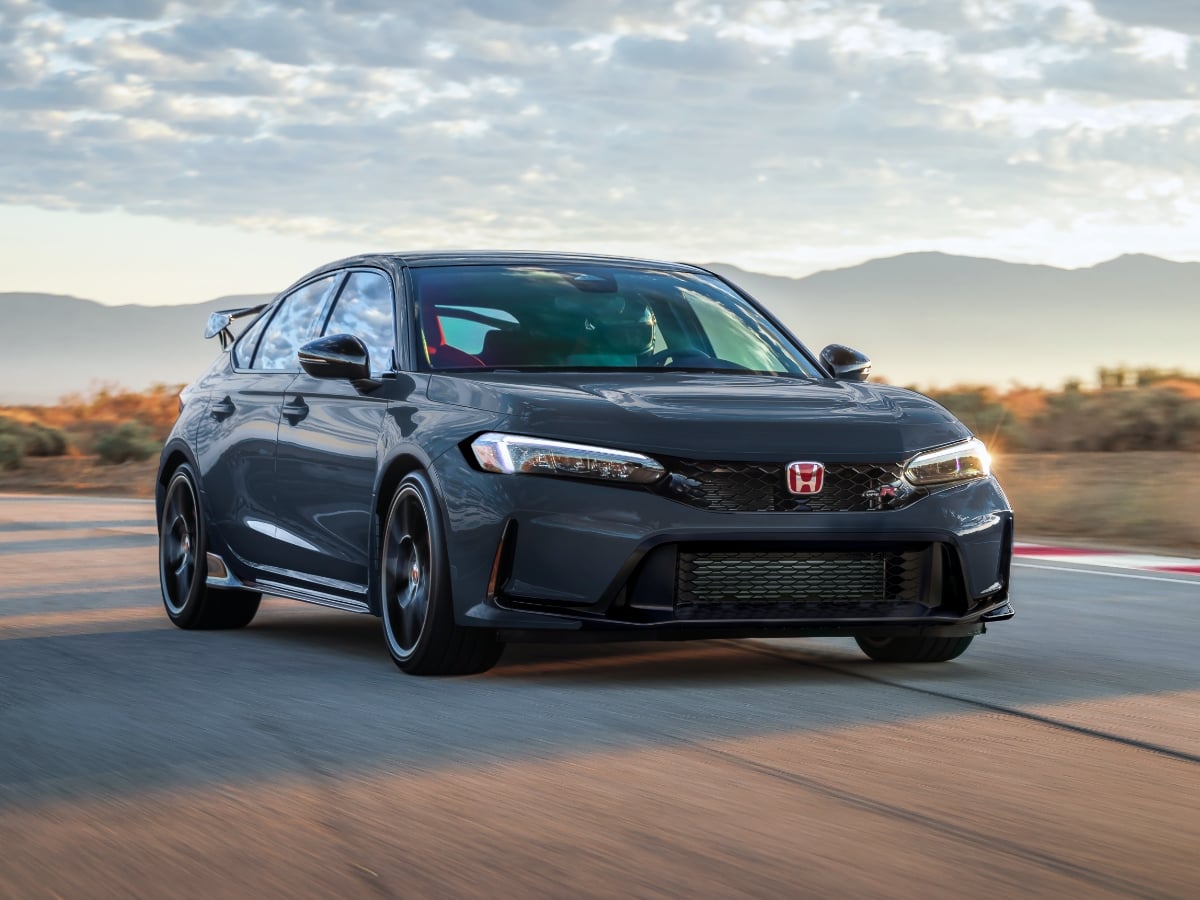
The 2027 Civic Type R goes on sale in October 2026, and it starts at $49,990, including the $1,295 destination charge.
Read the Full Article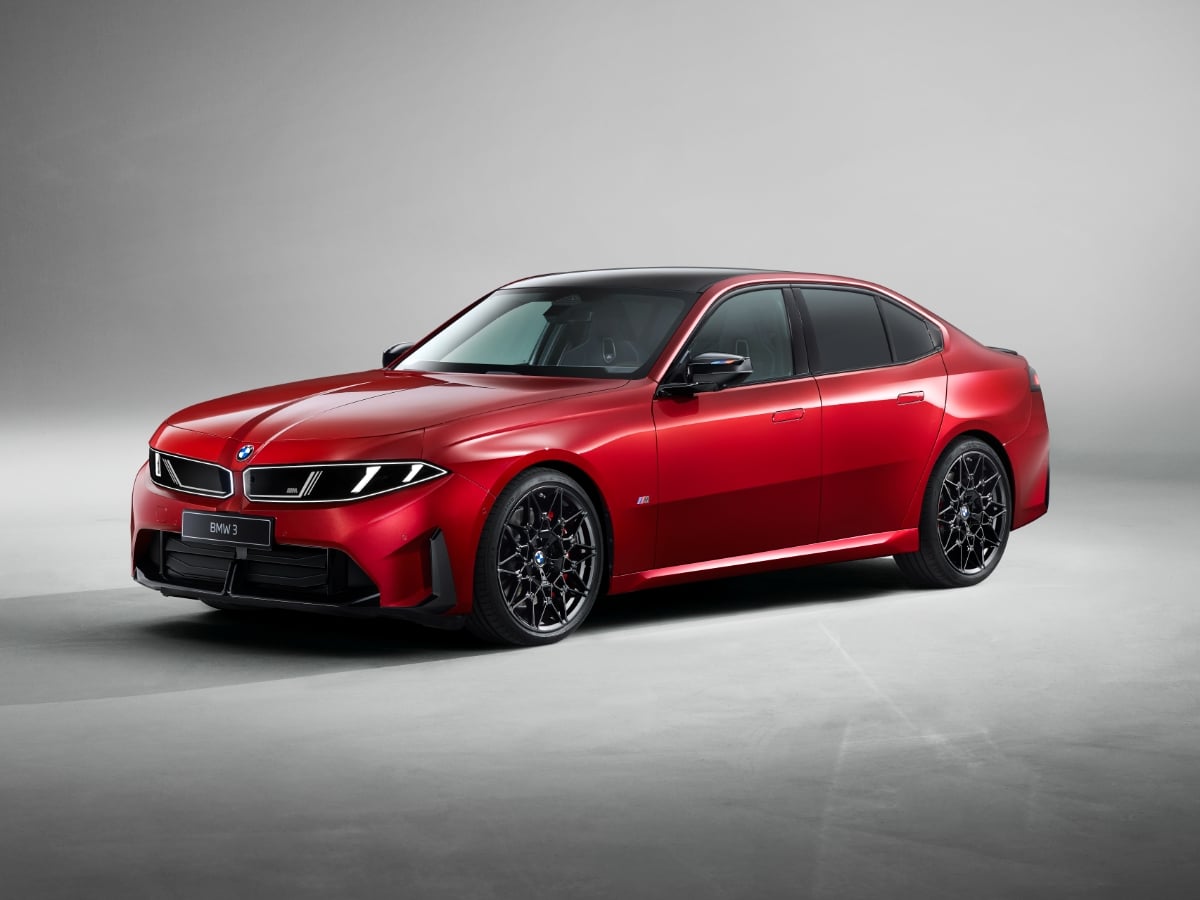
Part of BMW’s Neue Klasse (new class) rollout of redesigned models, the 2027 BMW 3 Series is all-new and goes on sale in the first quarter of 2027.
Read the Full Article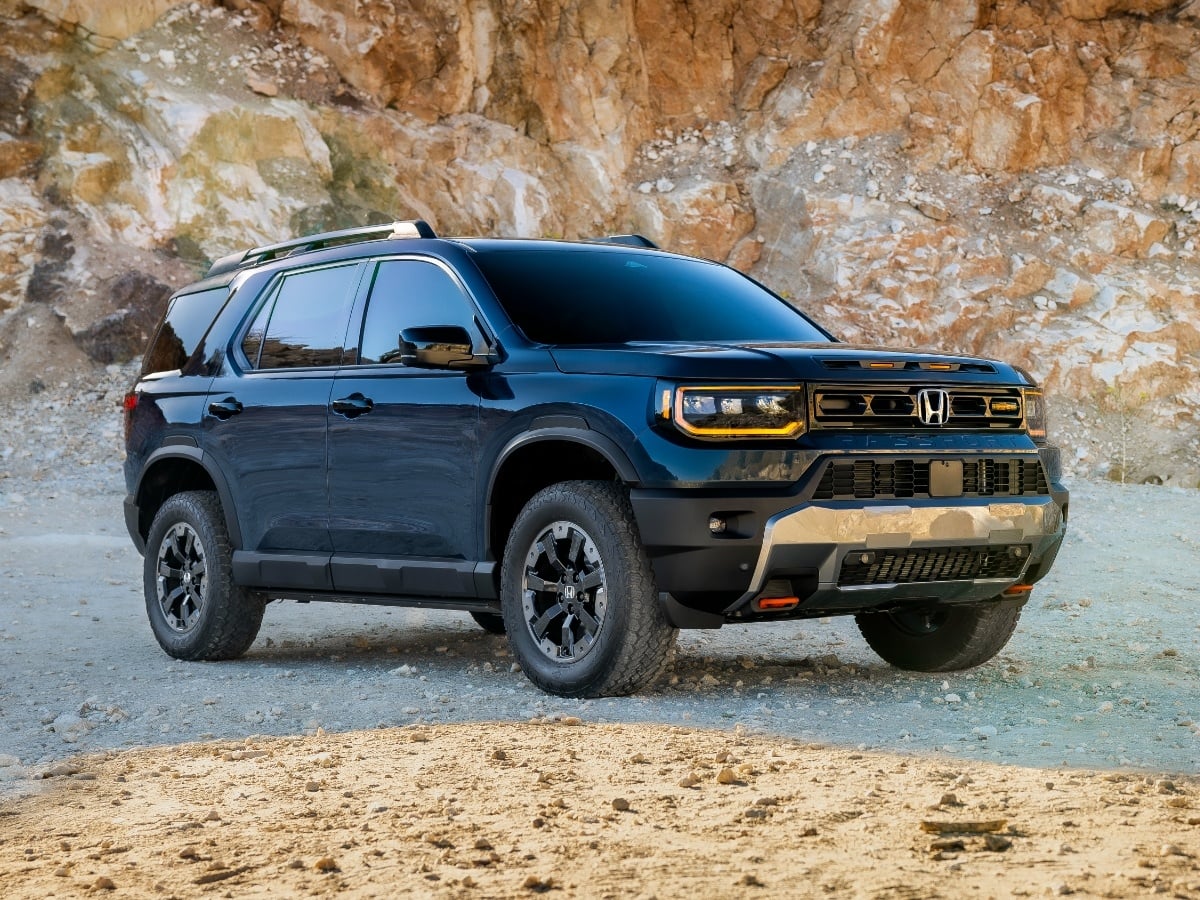
Updates to the 2027 Honda Passport TrailSport include a reworked suspension, improved steering, subtle styling enhancements, and added standard equipment.
Read the Full Article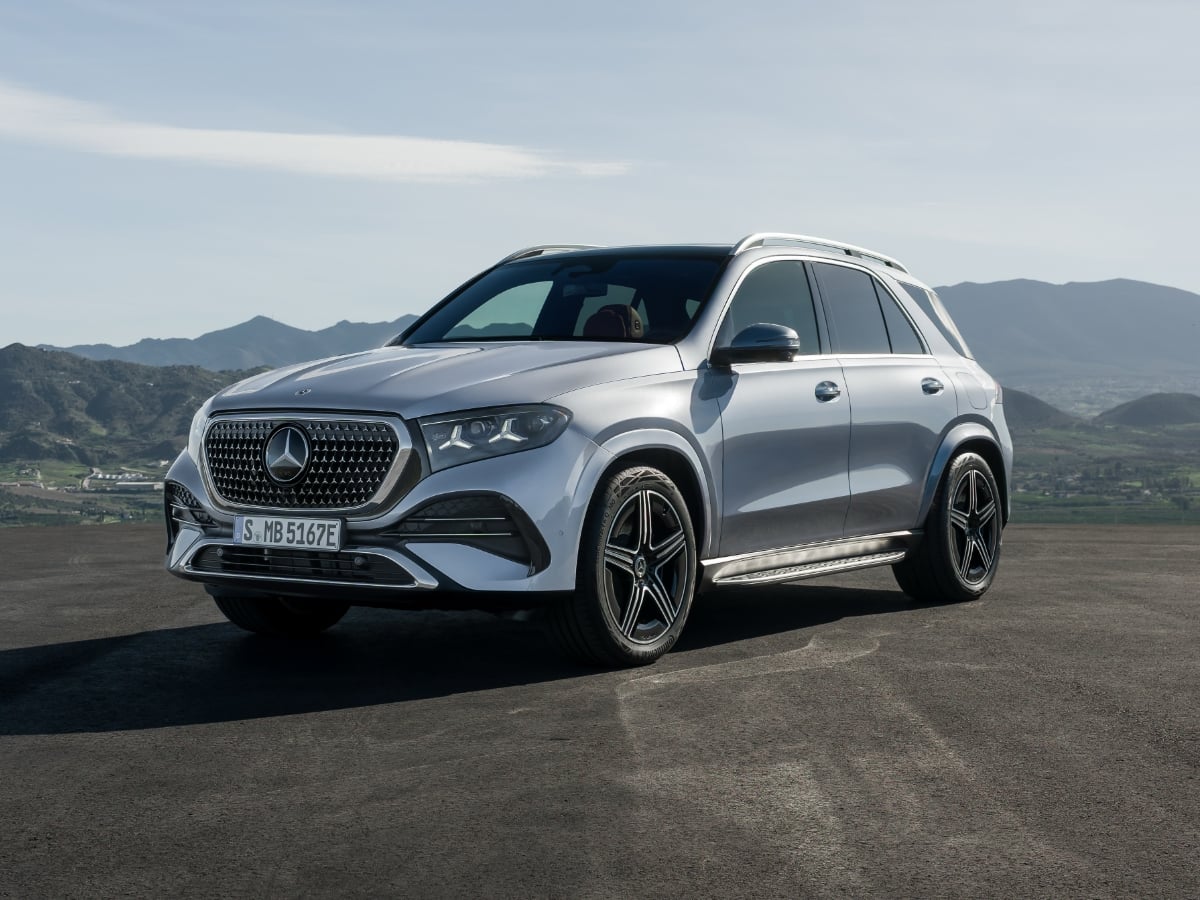
The midsize 2027 Mercedes GLE remains available in original and spicy Coupe recipes, now with standard 4Matic all-wheel drive (AWD), MBUX Superscreen technology, and a panoramic glass sunroof for ...See More
Read the Full Article