
Volvo's EX60 is a new, all-electric midsize crossover SUV designed to complement the XC60, currently its best selling model. While there has been plenty of talk about this new electric vehicle’s (EV) sophisticated styling and generous power output (up to 670 horsepower in the top trim level), its suite of new technologies is even more notable. Among its standout features is what the Swedish automaker calls its Superset tech stack. What is the Volvo Superset tech stack, and where does the XC60's new Hugincore brain fit in?

Volvo coined the term "Superset tech stack" in 2024 to describe the foundation on which every one of its next generation EVs will be built. Some aspects of this architecture are evident in the three-row EX90, but the full set is fully implemented in the new EX60.
It starts with a new foundational chassis design, which Volvo calls Scalable Product Architecture 3 (SPA3). As its name implies, it is a scalable platform designed to underpin cars ranging from those smaller than the company's current EX30 to products larger than the EX90.
SPA3 uses new manufacturing techniques, such as high pressure megacasting, and optimized battery designs to reduce weight, increase range, and lower costs.

An equally important part of the puzzle is the digital circuitry that will enable all this. Volvo collectively refers to its new digital architecture as "Hugincore," though it comprises components from multiple major industry players. For example, an Nvidia Drive AGX Orin processor provides active safety functionality, while Qualcomm's Snapdragon 8255 handles the software and infotainment experience.
That includes Google's Gemini AI, which will be available first on the EX60. Gemini will enable drivers to change vehicle settings by speaking, as with most current in-car voice assistants. However, it goes well beyond that, helping design complex travel itineraries and recommending scenic and food stops along the way.
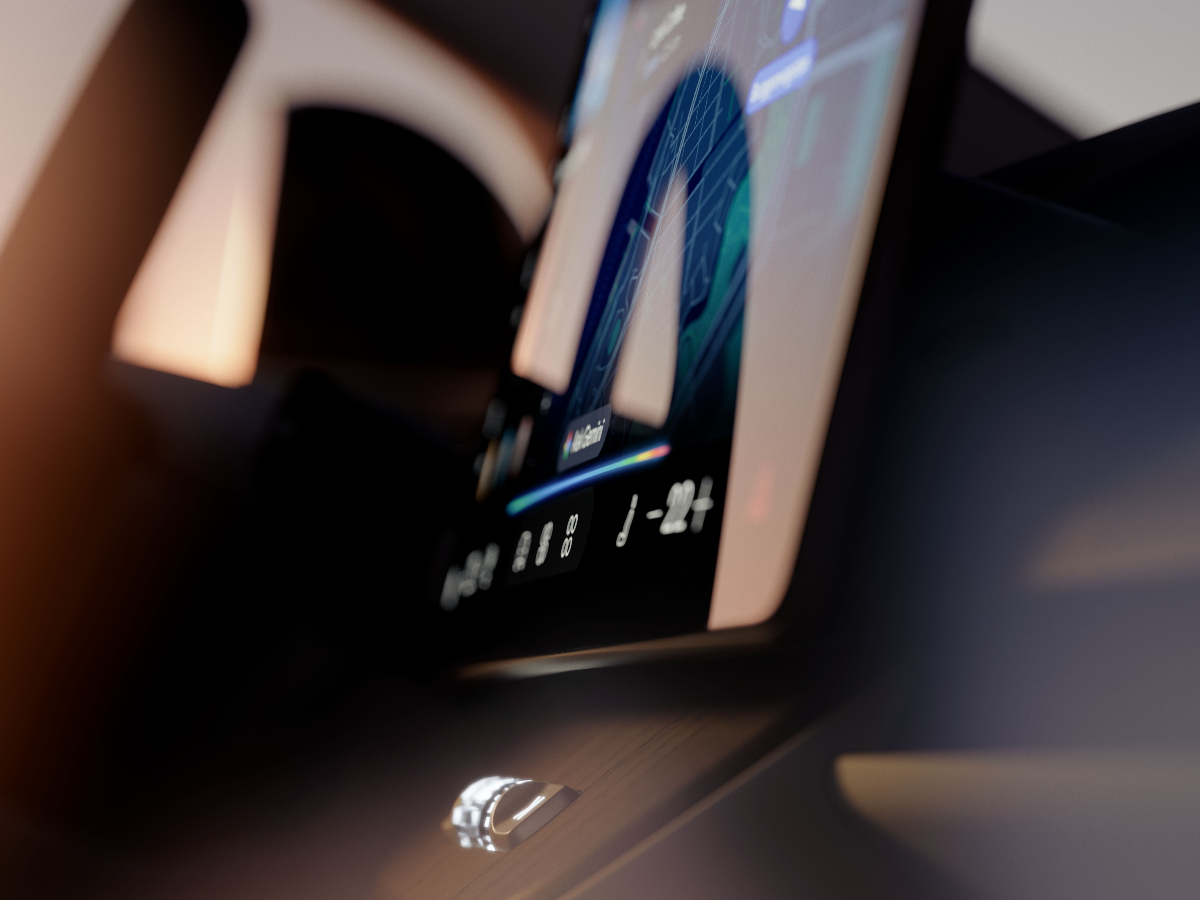
All this is designed to enable a new level of over-the-air (OTA) updates. While OTA capability is not exactly rare these days, Volvo goes so far as to say this new platform will enable vehicles like the EX60 to learn from accidents and other road events, making them safer over time.
It will also gain new features, including Gemini Live, which will enhance the car's Google-powered AI assistant, enabling natural, rambling conversations without the typical prompt-and-response cadence you might be used to with voice assistants.
Volvo's Superset tech stack marks a major shift, well realized in the new EX60, an EV with more range and power than the company's current EVs, yet offered at a price comparable to the current XC60 T8 plug-in hybrid. If it delivers on that promise, it could be a significant step forward for the company's electric aspirations.
Visit the Shopping Guides section of the website to learn more about different automotive technologies.
Tim Stevens is a veteran automotive and technology journalist with over 25 years of experience covering a wide range of topics, from smartphones to supercars. In addition to jdpower.com, his expert perspectives have appeared in numerous national and international outlets, including print, online, and broadcast television.


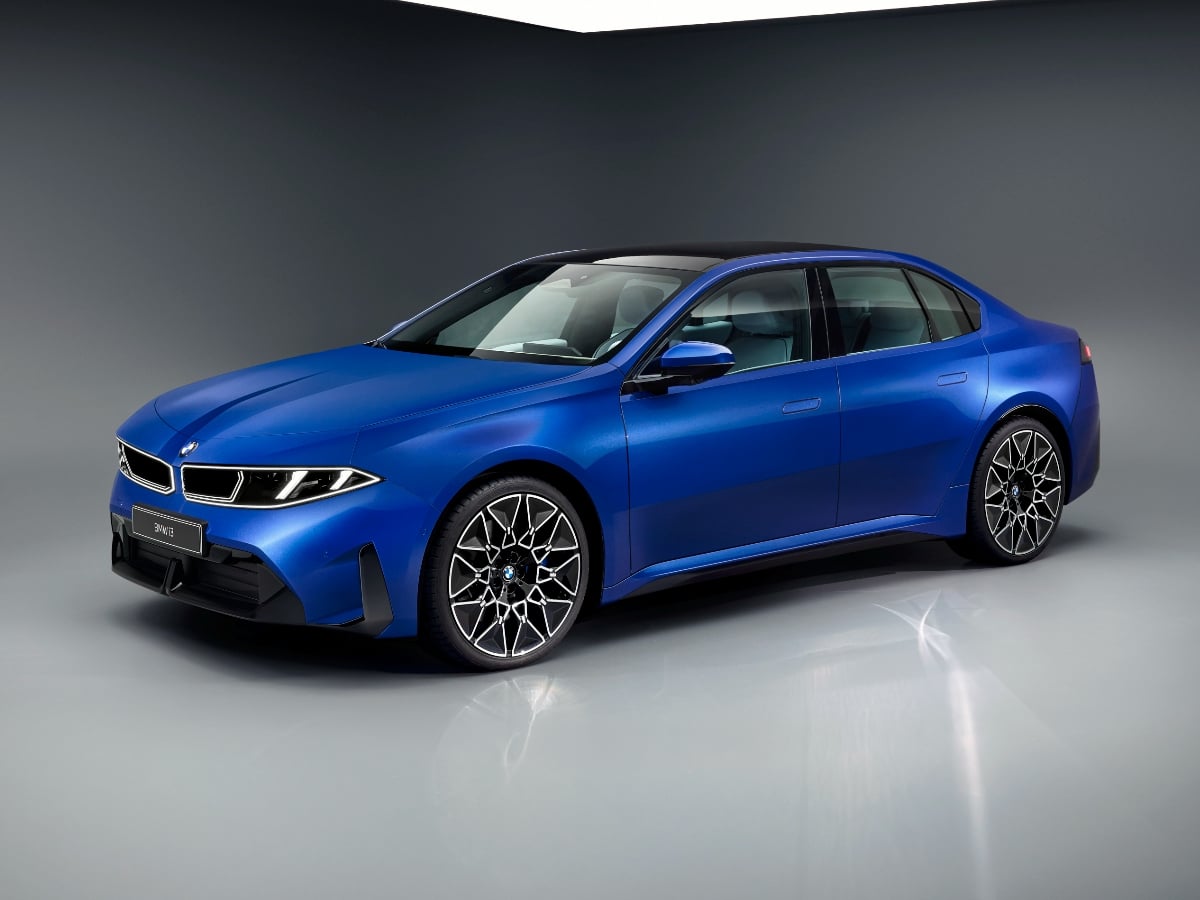
The new 2027 BMW i3 boasts an estimated range of up to 440 miles, 400-kilowatt DC fast charging capability, bidirectional charging to a home or the grid, and next-generation technology.
Read the Full Article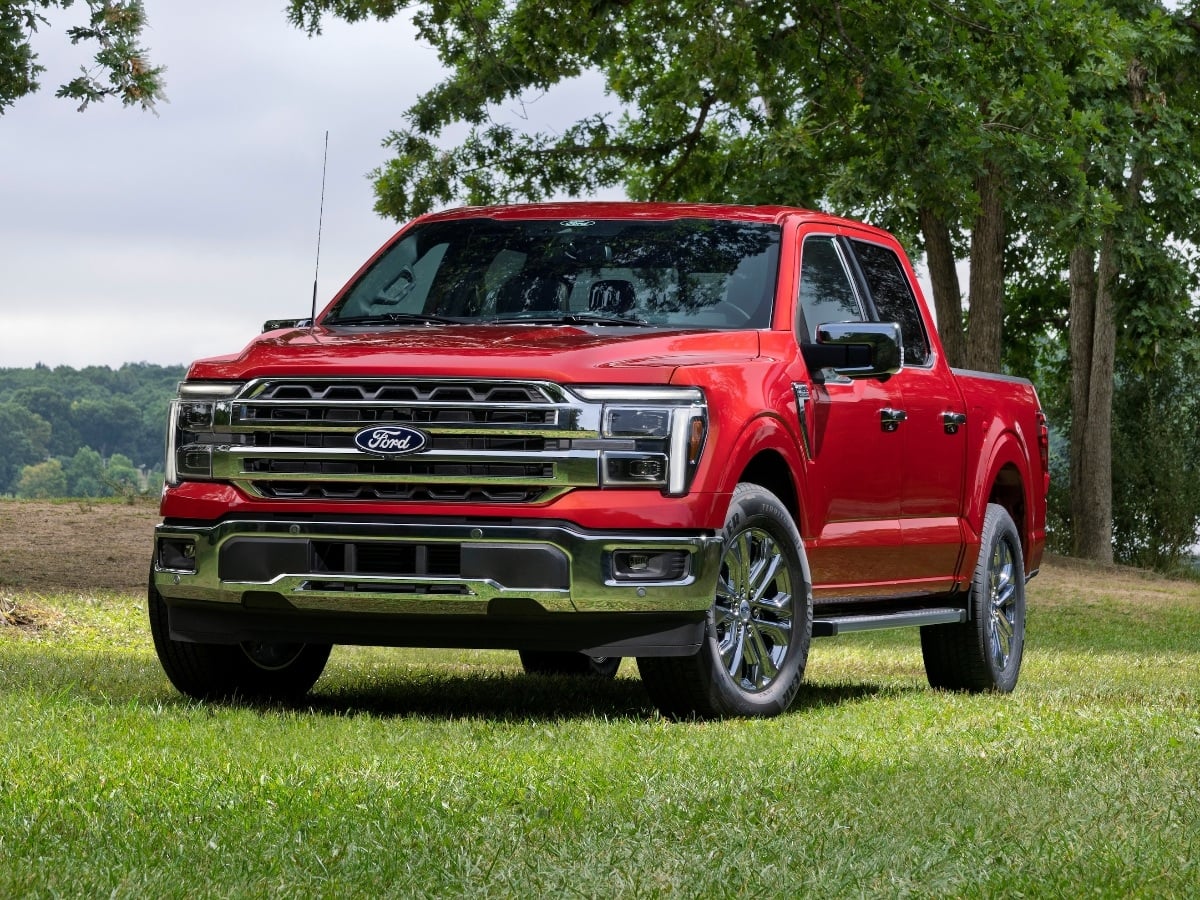
Facing renewed competition in the full-size, light duty pickup truck segment, the 2027 Ford F-150 receives subtle styling updates, a new standard engine, broader availability of its 5.0-liter V8, and ...See More
Read the Full Article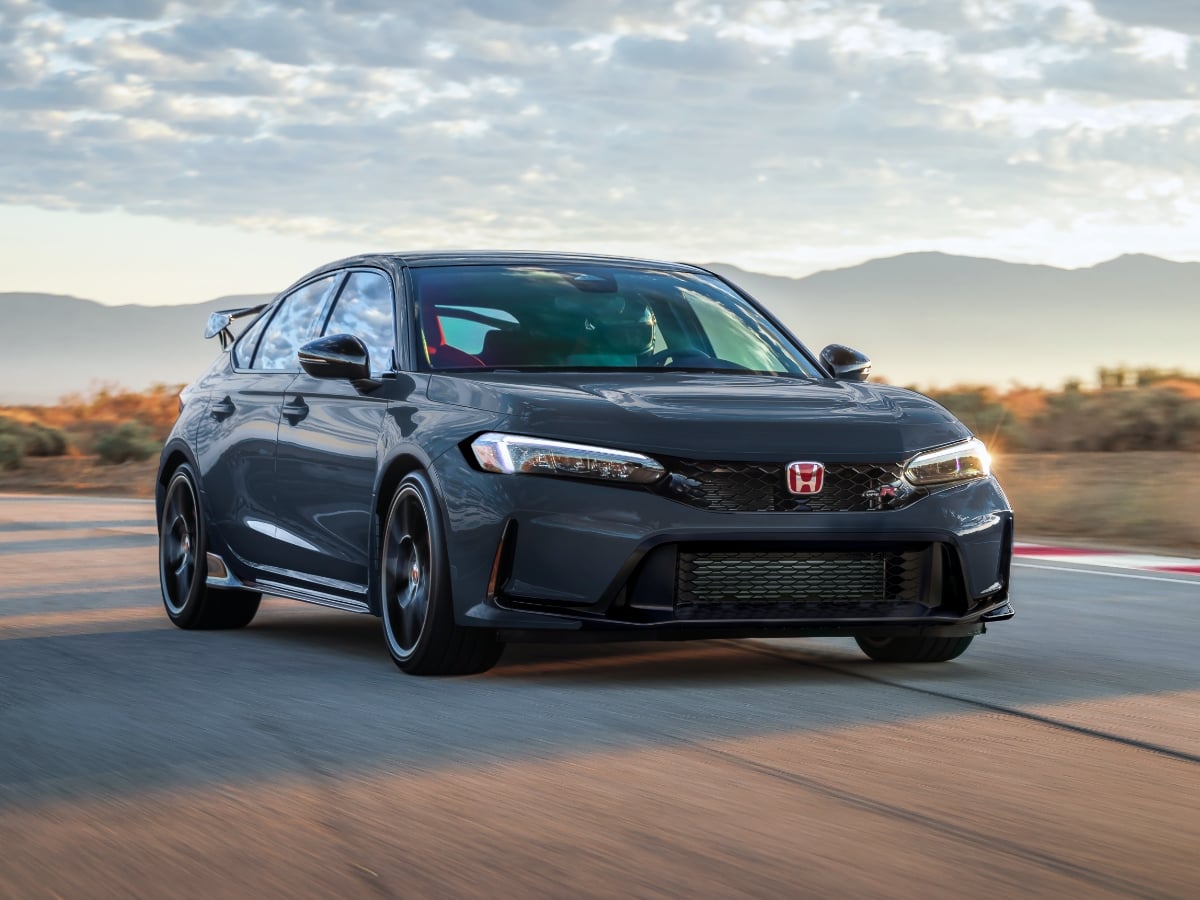
The 2027 Civic Type R goes on sale in October 2026, and it starts at $49,990, including the $1,295 destination charge.
Read the Full Article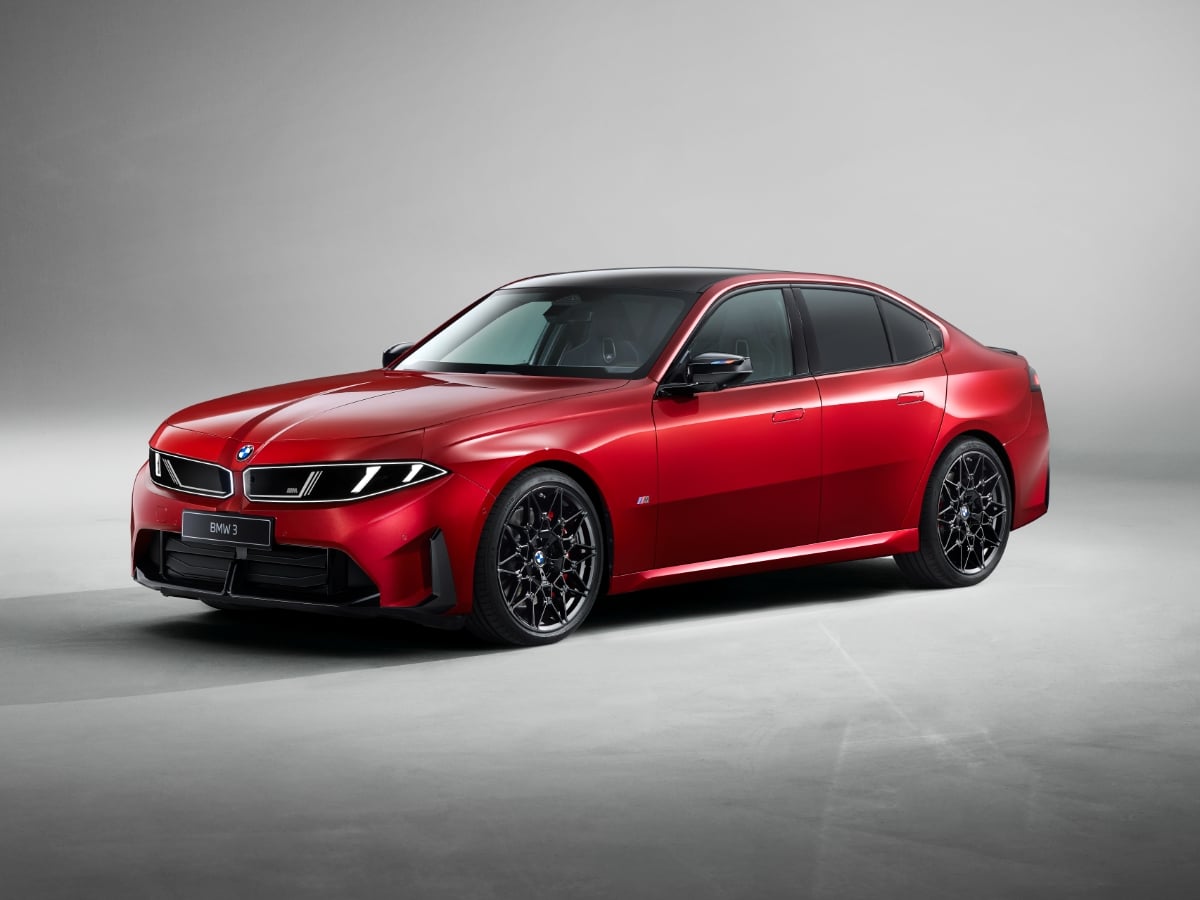
Part of BMW’s Neue Klasse (new class) rollout of redesigned models, the 2027 BMW 3 Series is all-new and goes on sale in the first quarter of 2027.
Read the Full Article