
With in-car technology being a key driver of satisfaction, Porsche is reimagining its cockpit experience through the Digital Interaction Display. This next generation user interface combines design, functionality, and customization. Introduced in the new Cayenne Electric, the system marks a significant step forward in driver interaction with Porsche vehicles.

The Digital Interaction Display is more than just a larger screen. It is a completely redesigned interface centered around Porsche's new Flow Display. This wide, curved OLED screen combines the instrument cluster, infotainment display, and center console controls into one seamless surface.
At the wheel, drivers have a 14.25-inch digital instrument cluster that shows performance stats, navigation information, and driver assist data. A larger 15-inch passenger display option lets the co-pilot stream video or control media without distracting the driver. An available head-up display (HUD) projects augmented reality directions directly in the driver's line of sight, overlaying arrows and speed readings onto the road ahead.
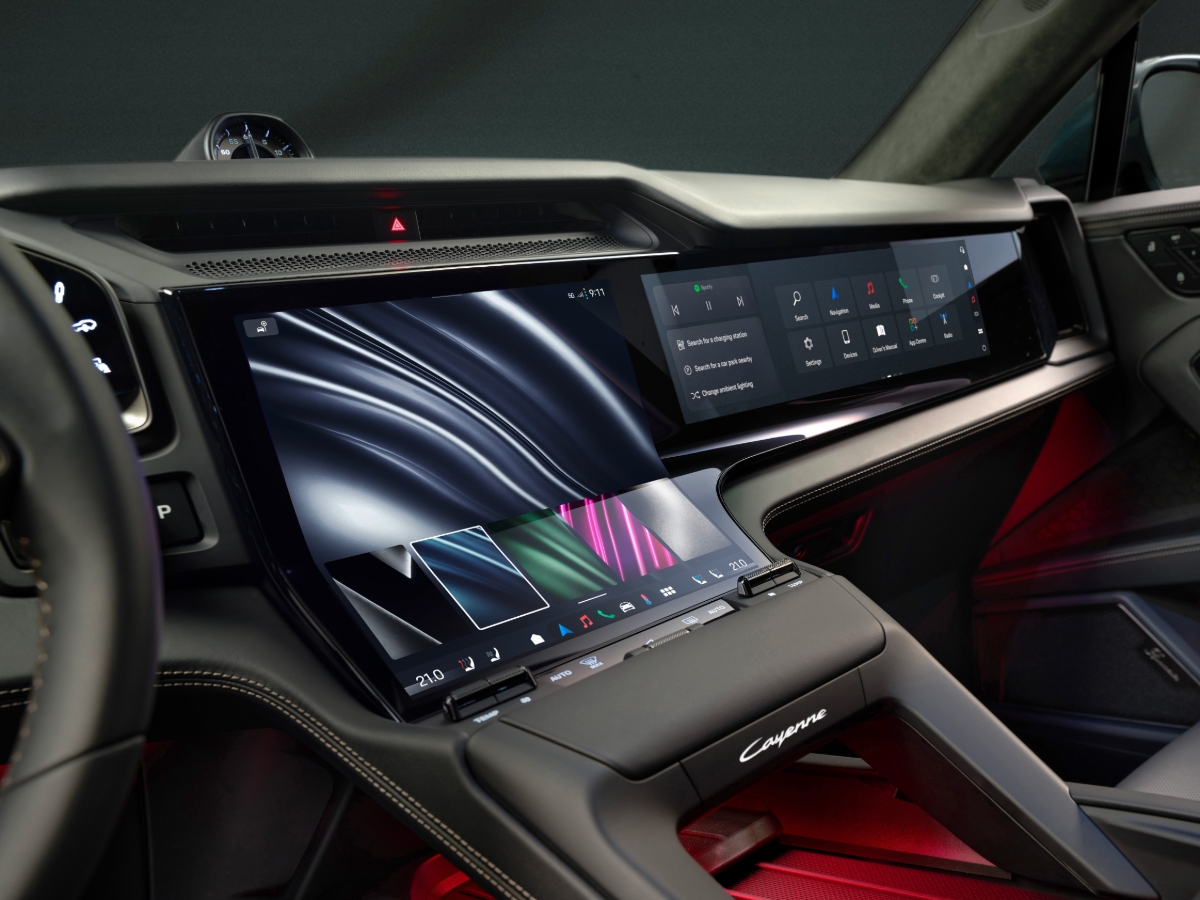
Porsche approached the new system with one mantra: put the driver front and center. Here are the key focus areas:
Together, the balance of digital sophistication and analog precision distinguishes Porsche's approach from competitors with a more all-screen philosophy.
For a premium-vehicle audience, technology can significantly impact satisfaction. Porsche Digital Interaction Display is created to provide the following benefits:
Indeed, cyber sophistication raises concerns about reliability, repairability, and overall software maintenance, which can be significant issues.
While the Porsche Digital Interaction Display represents a high mark for the brand's connected-cockpit goals, there are a few considerations that are important for owners.
The Porsche Digital Interaction Display is a significant advancement in digital cockpit design, combining a molded OLED surface, intuitive controls, and extensive customization options. It aims to impress with next generation technology while remaining accessible and simple for drivers who value clarity and ease of use.
Visit the Shopping Guides section of the website to learn more about different automotive technologies.
Jessica Shea Choksey is an experienced writer in the automotive field. In addition to JDPower.com, she was a correspondent for PBS's MotorWeek, and her work has appeared on Autotrader.


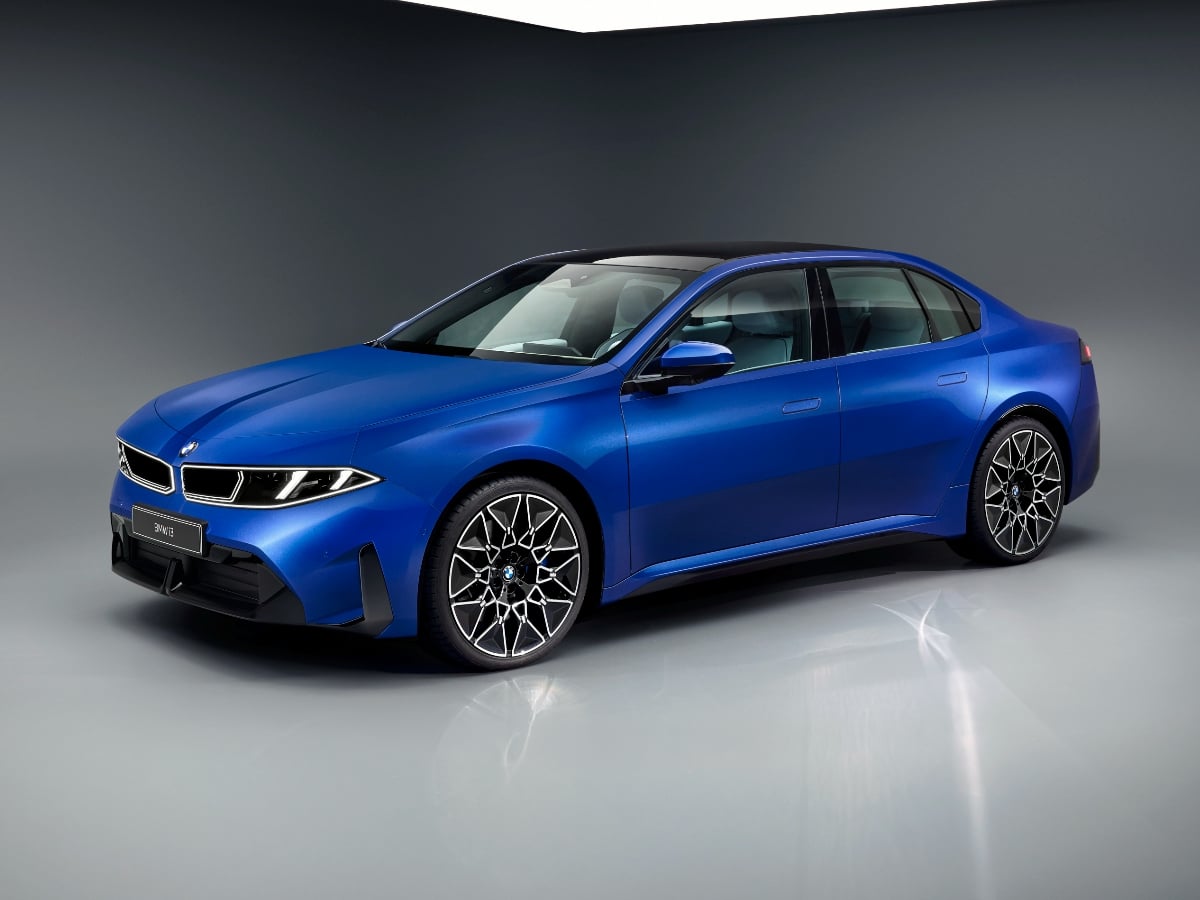
The new 2027 BMW i3 boasts an estimated range of up to 440 miles, 400-kilowatt DC fast charging capability, bidirectional charging to a home or the grid, and next-generation technology.
Read the Full Article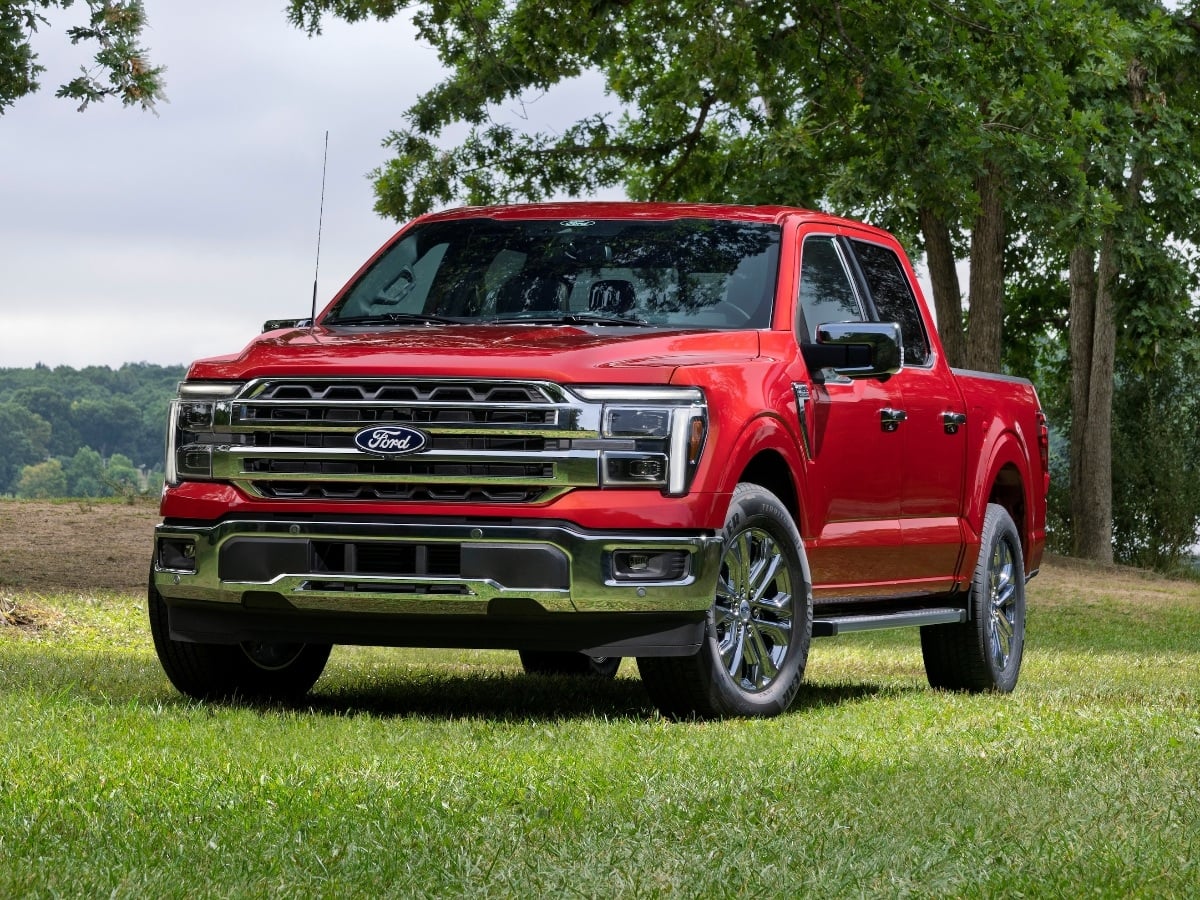
Facing renewed competition in the full-size, light duty pickup truck segment, the 2027 Ford F-150 receives subtle styling updates, a new standard engine, broader availability of its 5.0-liter V8, and ...See More
Read the Full Article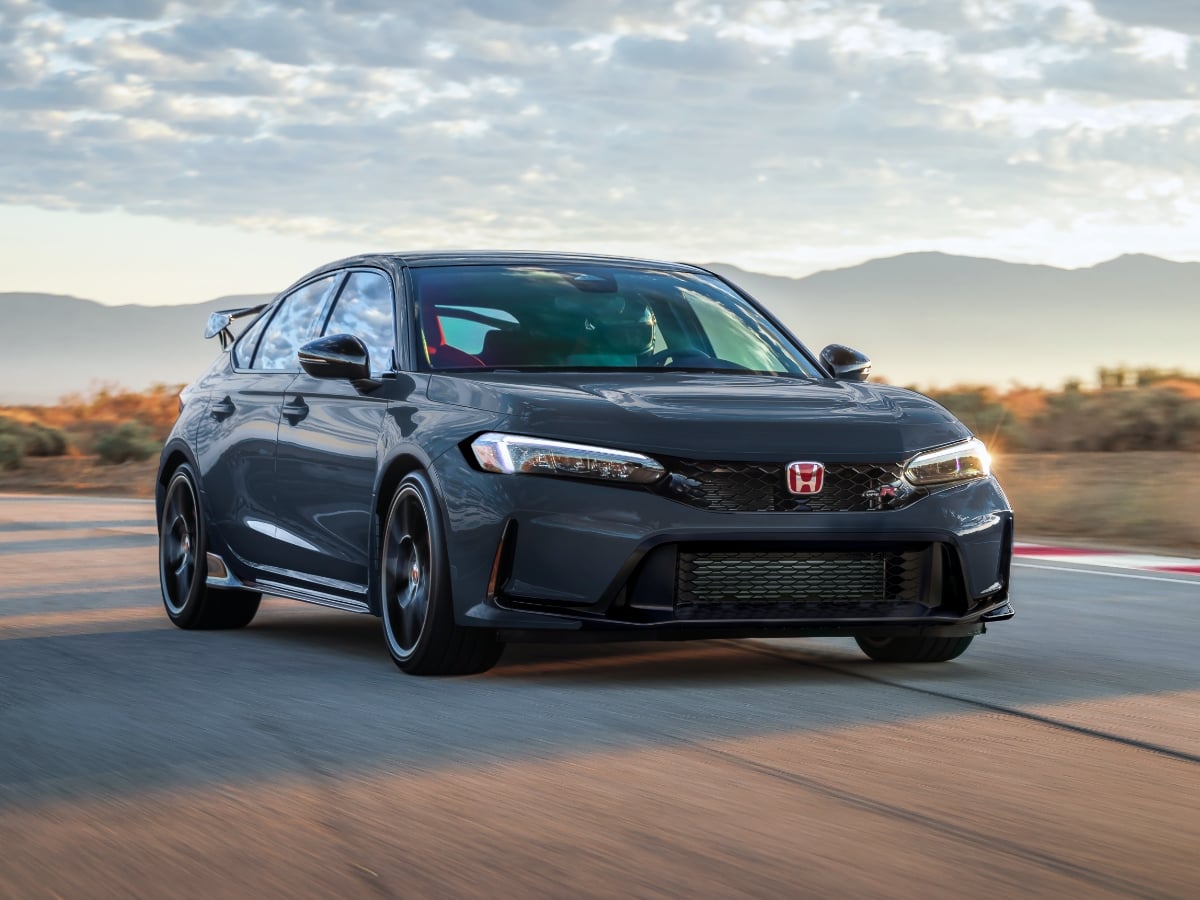
The 2027 Civic Type R goes on sale in October 2026, and it starts at $49,990, including the $1,295 destination charge.
Read the Full Article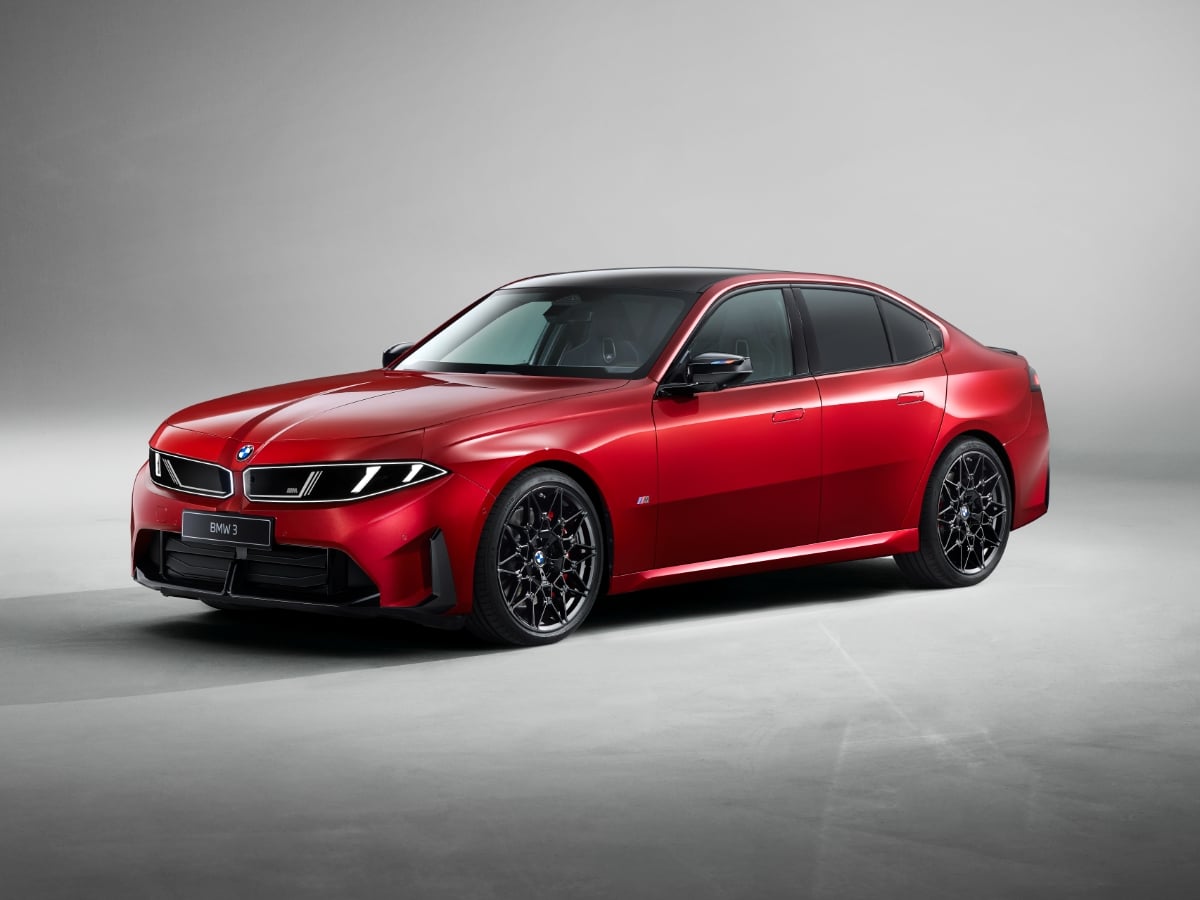
Part of BMW’s Neue Klasse (new class) rollout of redesigned models, the 2027 BMW 3 Series is all-new and goes on sale in the first quarter of 2027.
Read the Full Article