
As gas prices gradually rise throughout the year, many owners are concerned. It becomes difficult to budget things correctly, and all that’s left is to monitor the market to anticipate changes.

However, price points differ and depend on the fuel you use. Most go with regular petrol, while some must fuel up with diesel. However, there’s one more type you probably didn’t hear about - red diesel. It doesn’t come up a lot but has specific uses in some spheres and industries.
Red diesel fuel is used in the construction and farming industries, mainly in machinery and off-road vehicles. Red diesel's chemical composition doesn’t differ from regular automobile fuel. However, it’s illegal to use it in commercial vehicles. This product has a high-sulfur content, making it ideal for off-roading. If a random spot check finds that you are using it for on-road activities, you could be subject to substantial fines and other penalties.
The price of red diesel is low if you buy it for off-road uses as opposed to other fuels. It is exempt from state excise duties and taxes, unlike automotive diesel fuel. To visually distinguish these two fuel types, heating diesel is colored with a unique red dye, making it red diesel fuel.
Fuel dyes are dyes added to fuel to identify it visually. The U.S. has its own laws regarding labeled fuels. The Environmental Protection Agency has mandated the use of red dye to identify high-sulfur fuels for off-road use. Solvent Red 26 is the standard dye in the U.S., although it can be replaced with a similar dye, Solvent Red 164. The Internal Revenue Service uses the same dye, but in a higher concentration, to label tax-free fuels such as fuel oils.
In Britain, for example, red diesel can only be used in vehicles registered as SORN (Statutory Off Road Notification) with the DVLA (Driver and Vehicle Licensing Agency), which means the vehicle is not to be used on public roads only on private property.
Specific laws vary from country to country, but dyed red diesel fuel generally indicates oil intended for off-road use or use as fuel oil and, therefore not subject to the higher consumer motor fuel tax.
Various vehicles can run on red diesel, while owners enjoy the low costs. Farmers use this diesel in harvesters, tractors, and other heavy equipment. Similarly, construction companies use red diesel in their engines for cranes, bobcats, bulldozers, backhoes, and generators.
Other industries that use red diesel include aviation, mining, traveling road shows, carnivals, and even county fairs. These engines can use red diesel as long as they’re not transporting anything on public roads.
The four primary colors − red, green, blue, and yellow − are the most common. Blue dyes are used in the diesel fuels of government and institutional vehicles.
Fuel dyes are intended for the following purposes:
Dyes are easy to use, and there’s no need to rinse the containers; after draining the dyed fuel from the tank, you can immediately pour clean fuel into it, as there is not enough residual dye to change the color.
Adding liquid dye is the best and safest method of introducing an additive. In this way, the complete dissolution of the dyeing agent is achieved. However, this technology has significant problems in the production process and is not safe for human health. Few cleaning plants worldwide still use powder dyes because they are cheaper.
No, you can’t. There are heavy fines for using off-road diesel for public road purposes. It is designated only for vehicles and equipment not operating on public roads and highways. Government investigators carry field packs to test fuel and see if even trace amounts of dye are detected. If small amounts are detected, you are in violation and subject to penalties. Investigators often test fuels at safety check stations, weigh stations, agricultural shows, and other places where commercial vehicle drivers congregate.
Red diesel is used for off-road activities, such as harvesters, tractors, and other heavy equipment. Drivers who fill their trucks with red diesel are subject to significant fines. For on-road activities, you should only use approved types of fuel.


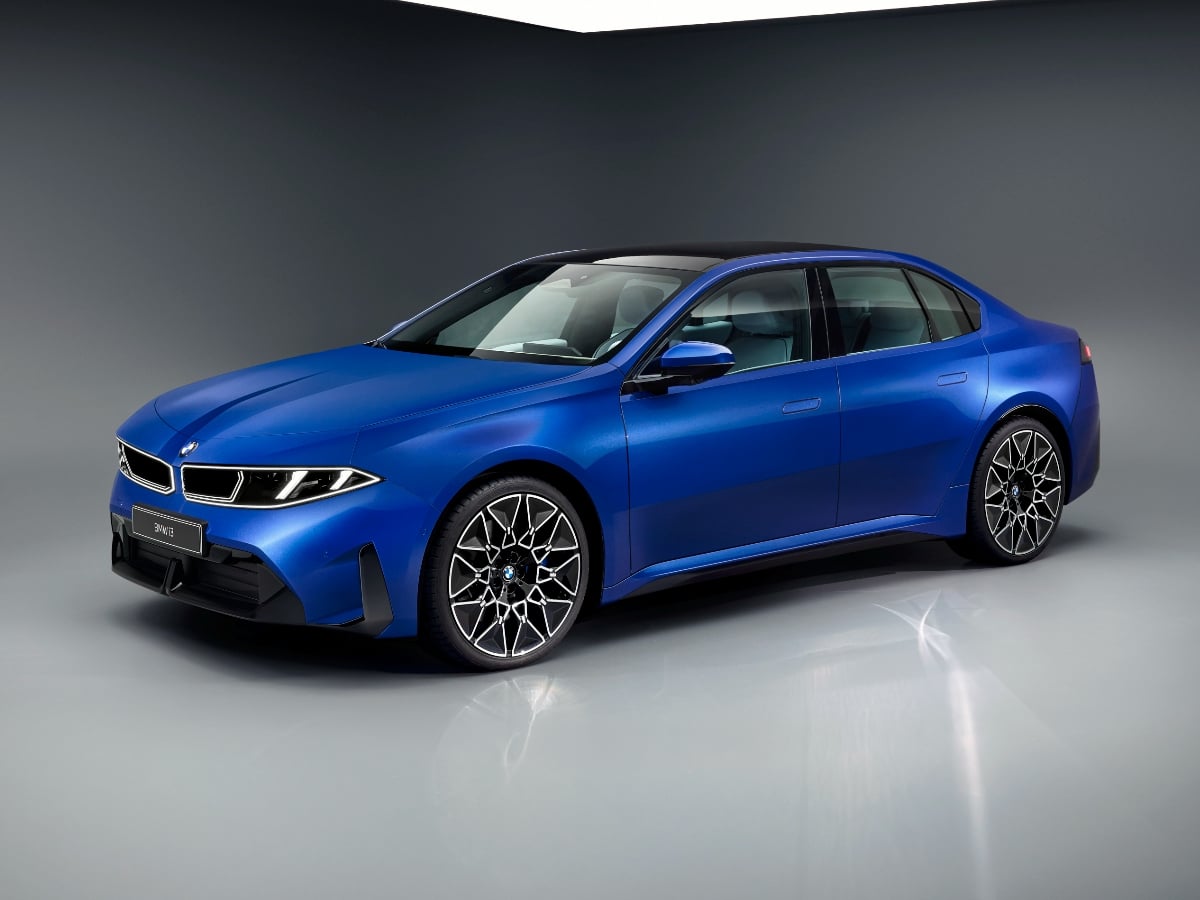
The new 2027 BMW i3 boasts an estimated range of up to 440 miles, 400-kilowatt DC fast charging capability, bidirectional charging to a home or the grid, and next-generation technology.
Read the Full Article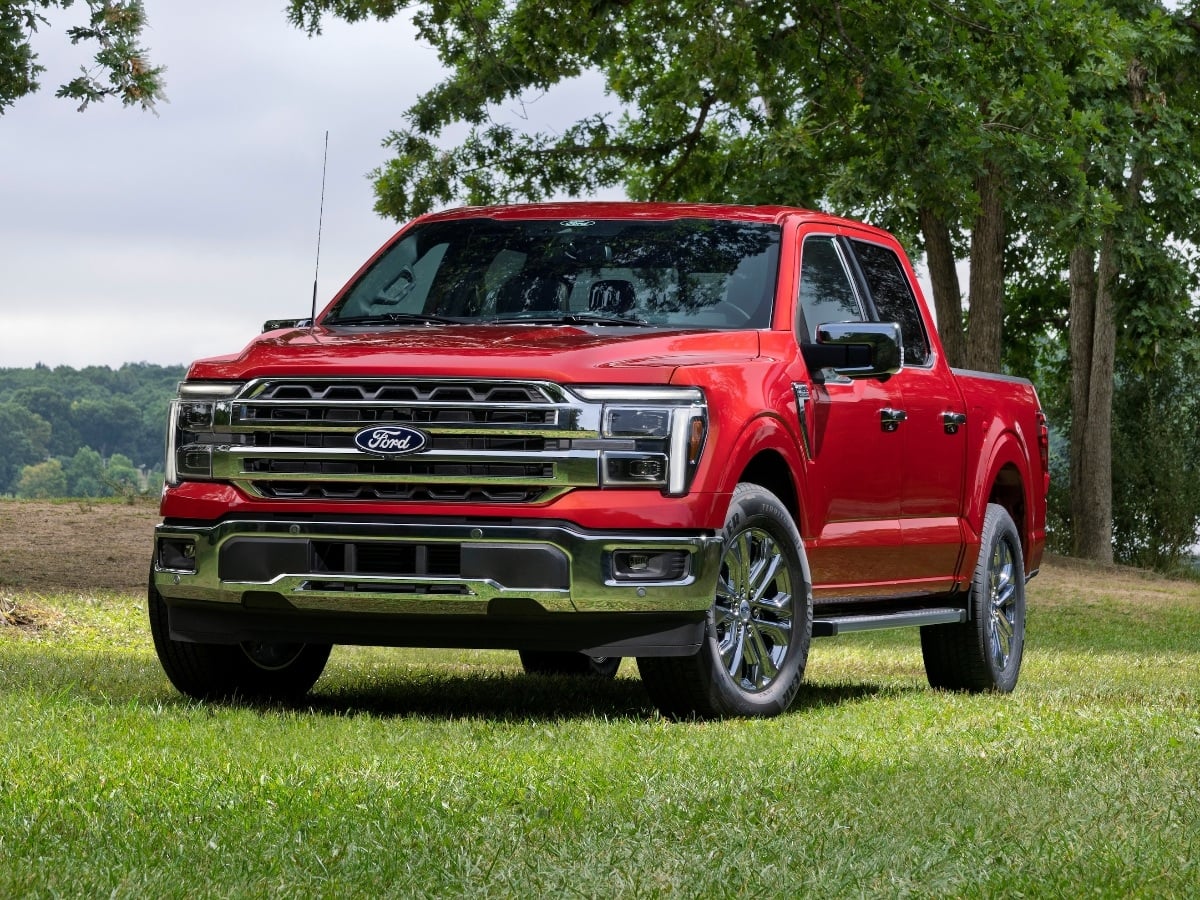
Facing renewed competition in the full-size, light duty pickup truck segment, the 2027 Ford F-150 receives subtle styling updates, a new standard engine, broader availability of its 5.0-liter V8, and ...See More
Read the Full Article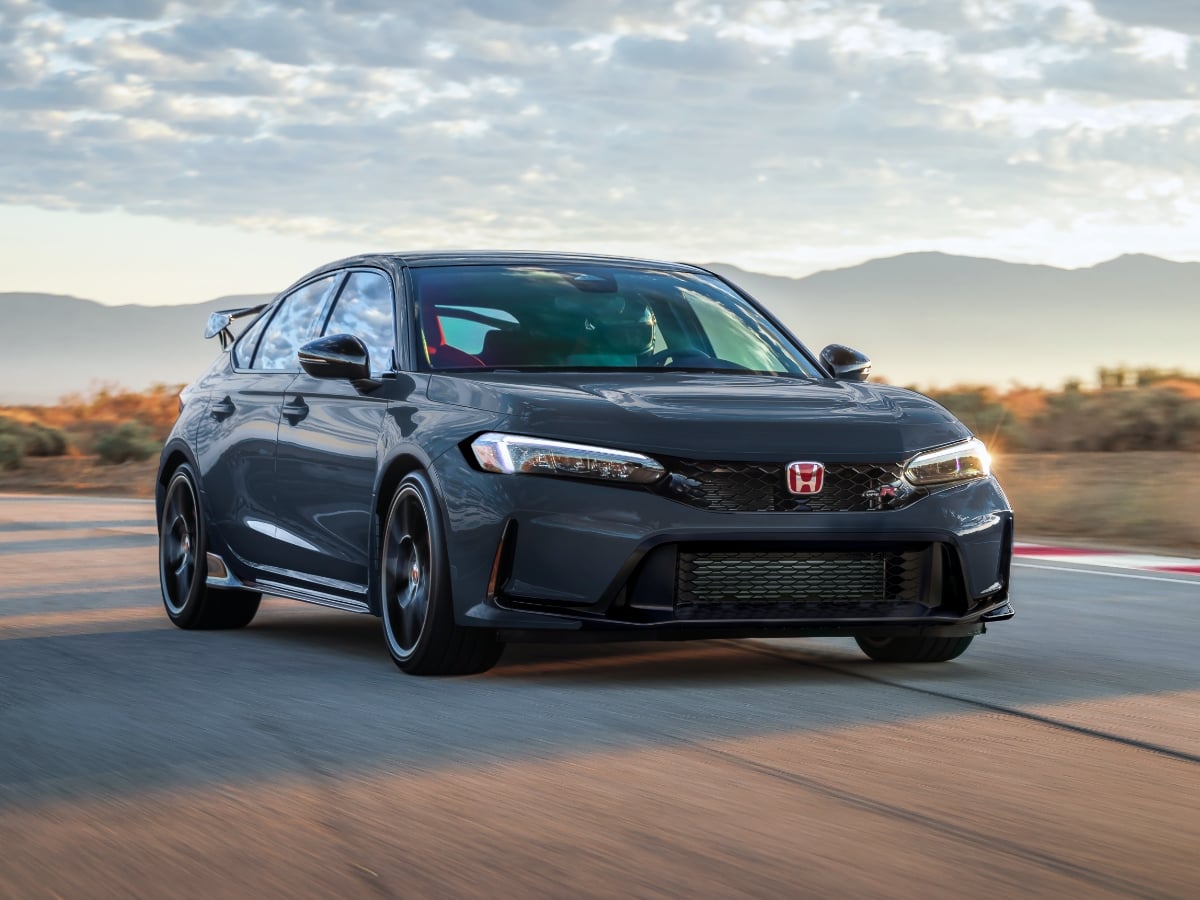
The 2027 Civic Type R goes on sale in October 2026, and it starts at $49,990, including the $1,295 destination charge.
Read the Full Article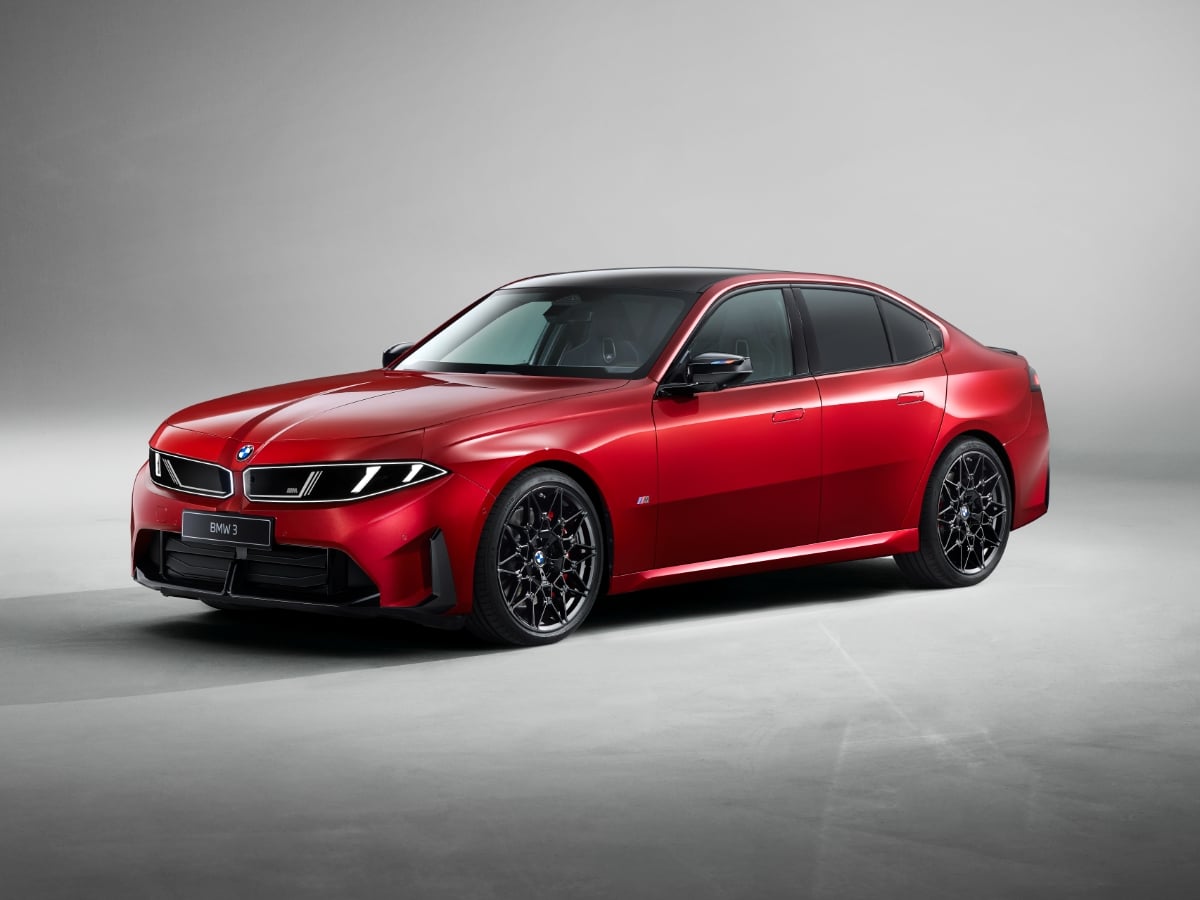
Part of BMW’s Neue Klasse (new class) rollout of redesigned models, the 2027 BMW 3 Series is all-new and goes on sale in the first quarter of 2027.
Read the Full Article