
Although overdrive sounds like a term related to a vehicle’s high-performance attributes, it is the opposite. This feature – generally turned on and off with the touch of a button – reduces an engine’s revolutions per minute (RPMs) at sustained higher speeds, thereby lessening a vehicle’s fuel consumption and making it more efficient in highway driving. By limiting the amount of strain on the engine, overdrive also results in quieter and smoother operation with less overall engine wear. If employed correctly and consistently, it can reduce engine maintenance issues over time and extend the life of a vehicle’s powertrain.

Overdrive’s functionality is to serve as a high gear mode for a vehicle and can be looked at as an added gear that widens the transmission’s shifting range at its top end. By shifting higher, the powertrain reaches lower gear ratios (the higher the gear, the lower the ratio) and allows the engine to perform at lower RPMs during highway cruising of 50 miles per hour or more.
Whereas a vehicle will normally operate at lower gears with greater output and torque, overdrive inhibits acceleration and maximum power. The vehicle is considered over-geared or overdriven, making it so that top speed and performance are sacrificed for greater fuel economy and a more effortless driving experience.
In many current vehicle models, overdrive is a less prevalent feature due to modern transmissions that offer higher gearing (fifth and above) intended for efficient cruising. If you compare cars, you’ll discover the automatic transmissions in new vehicles typically don’t require a driver to manually activate the feature.
Overdrive should be utilized at cruising speeds on highways and byways. And the fuel economy benefits of overdrive are best seen over longer distances. Whether it is a lengthy daily commute or a family road trip, overdrive will save money at the fuel pump and deliver a more relaxed ride, overall. When a vehicle gets up to speed after freeway entry, initiating overdrive is recommended.
In older cars, the overdrive on-off button is typically found on or around the shifter. A corresponding overdrive indicator light will illuminate in the gauge cluster, but only when overdrive is turned off. In newer cars, the overdrive function is governed by a vehicle’s the Electronic Control Unit (ECU), and will automatically engage when proper speeds and conditions are met.
Some drivers like to keep overdrive on at all times. These are usually people who do a lot of highway driving and are rarely in situations needing deliberate acceleration or pulling power.
Overdrive should not be used when you need your vehicle’s full power to accelerate for passing, climb a hill, tread an off-road surface, or trailer a weighted load. All of these applications require a vehicle’s torque to be willfully utilized. Overdrive restricts that kind of output and may render the vehicle underpowered in certain maneuvers.
Underestimating your vehicle’s power can have dangerous consequences, especially when attempting to overtake a vehicle or climbing a hill while pulling extra weight. In these situations, it is best to keep overdrive off. When overdrive is turned off, the transmission will remain fixed to lower gears resulting in greater responsiveness to the accelerator. The engine brake will also become more effective.
Both automatic and manual cars can offer overdrive functionality. And in both, overdrive serves as the highest gear (with the lowest gear ratio). With an automatic transmission, overdrive is most often an intuitive function initiated by the ECU when the vehicle reaches the proper speed.
In the case of manual transmissions, overdrive is the highest gear of the transmission but has to be engaged by the driver. In a five-speed transmission, overdrive is the fifth gear; in a six-speed transmission, overdrive is the sixth gear; and so on. The higher the gear, the more efficient the operation at highway speeds. Naturally, with a manual transmission, the driver plays an active role in engaging overdrive by physically shifting into the highest gear.
When properly utilized, overdrive has clear advantages in terms of fuel economy and reduced engine wear. Understanding this feature and its applications is the key to reaping its benefits.


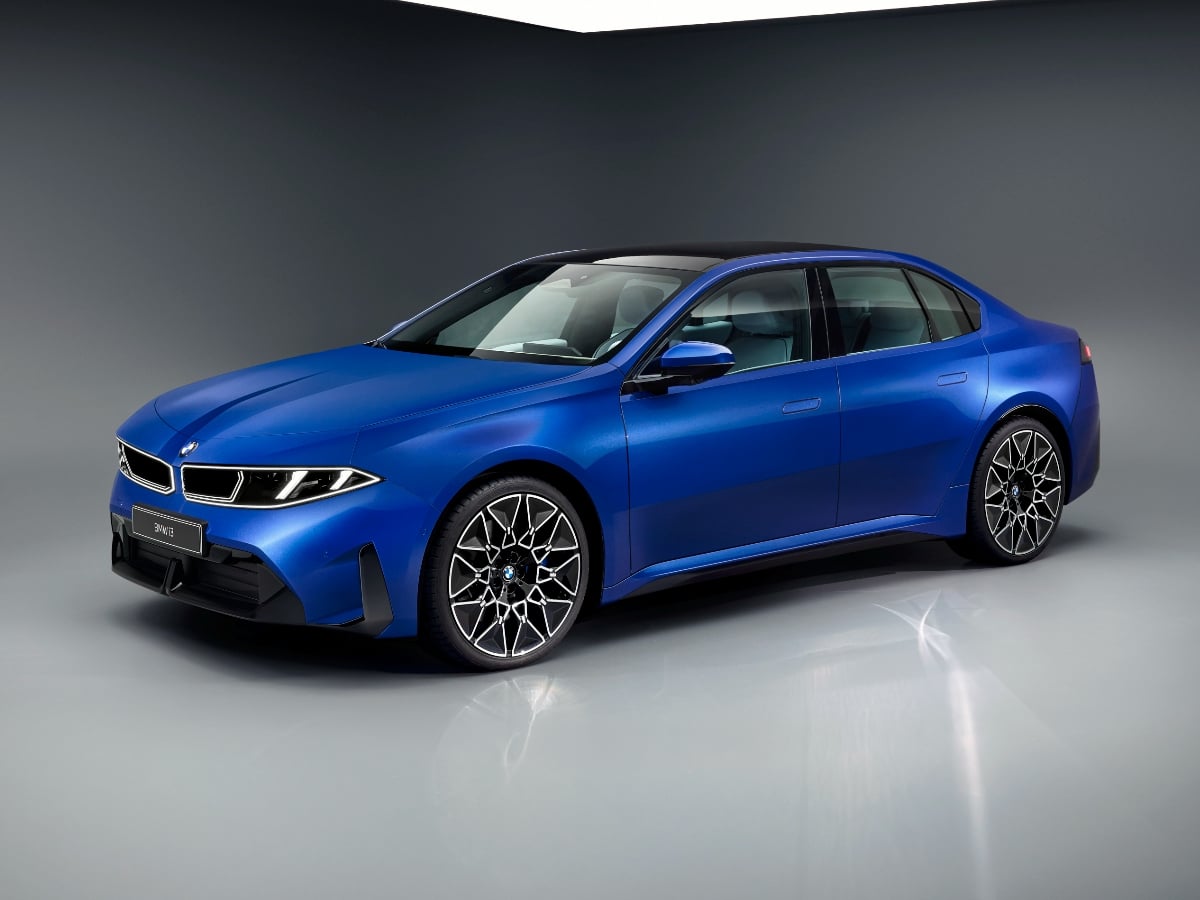
The new 2027 BMW i3 boasts an estimated range of up to 440 miles, 400-kilowatt DC fast charging capability, bidirectional charging to a home or the grid, and next-generation technology.
Read the Full Article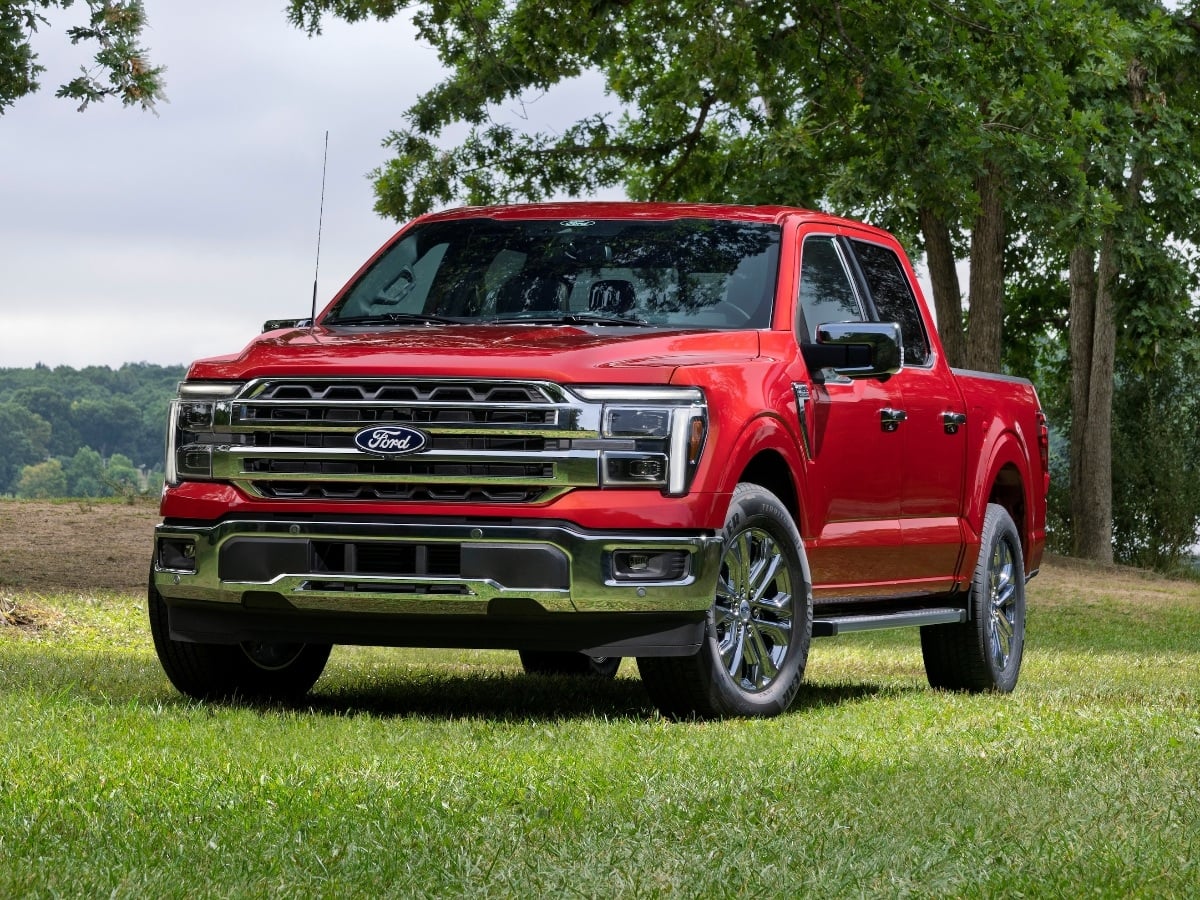
Facing renewed competition in the full-size, light duty pickup truck segment, the 2027 Ford F-150 receives subtle styling updates, a new standard engine, broader availability of its 5.0-liter V8, and ...See More
Read the Full Article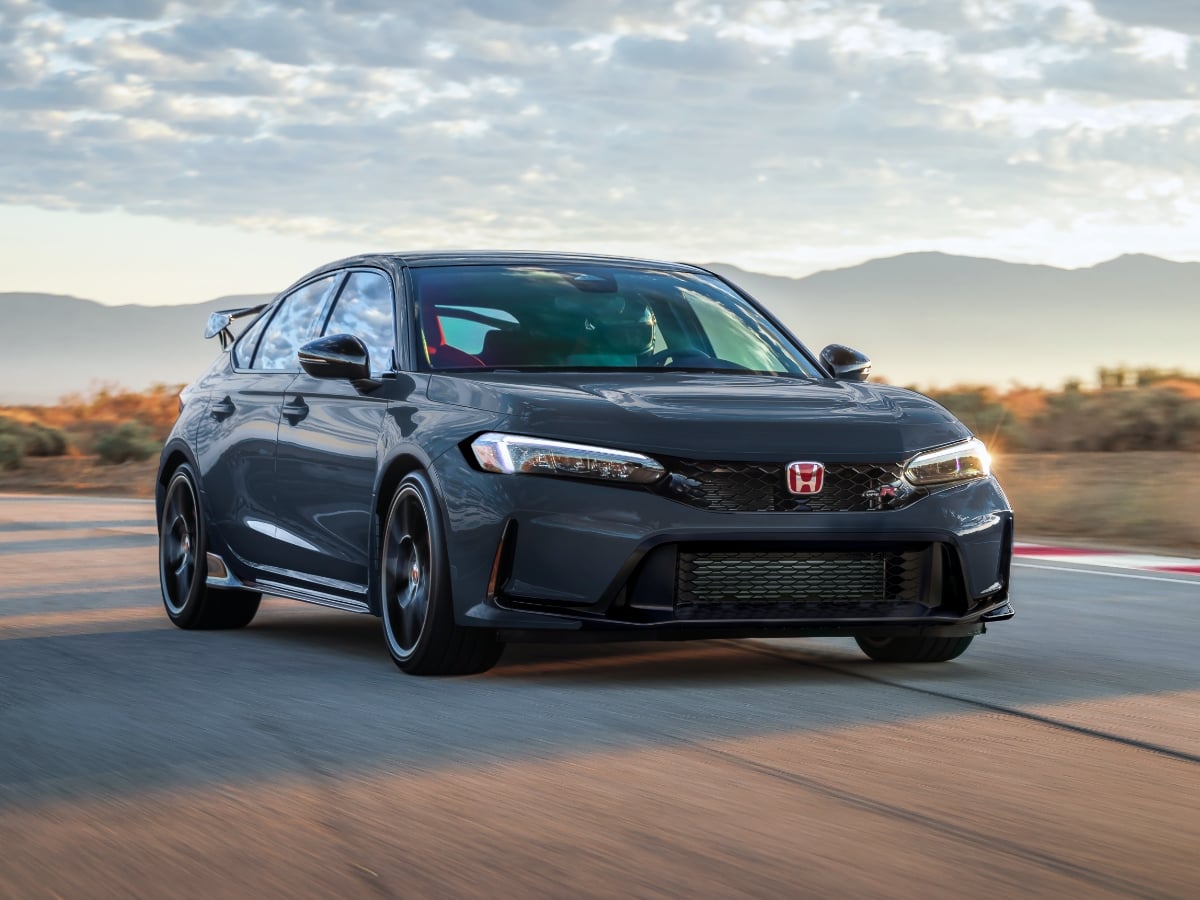
The 2027 Civic Type R goes on sale in October 2026, and it starts at $49,990, including the $1,295 destination charge.
Read the Full Article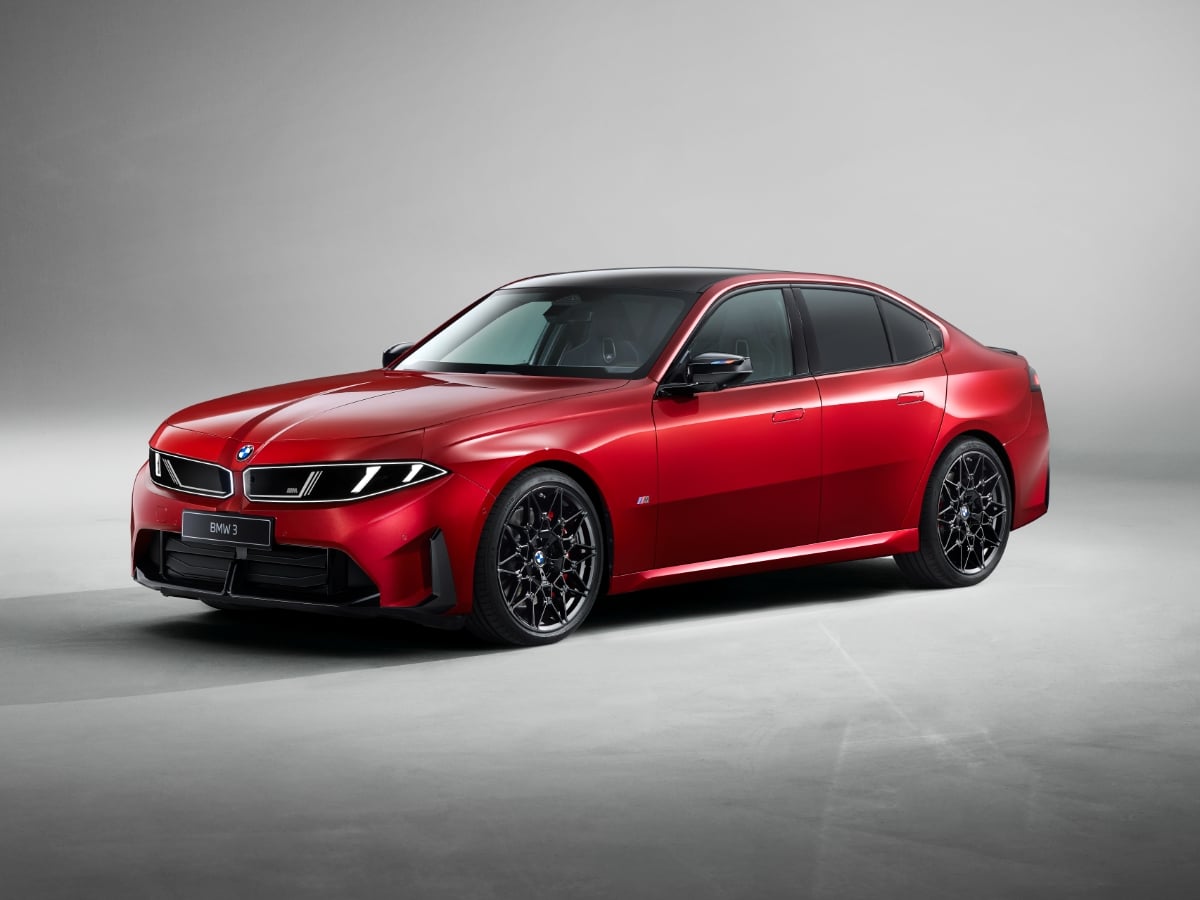
Part of BMW’s Neue Klasse (new class) rollout of redesigned models, the 2027 BMW 3 Series is all-new and goes on sale in the first quarter of 2027.
Read the Full Article