
Emergency stopping situations occur on roads daily due to a lack of driver attention or sudden braking events. In these circumstances, drivers often need help applying their brakes quickly enough or hard enough to use all the braking power their vehicle offers to avoid an accident. Brake Assist—Mercedes-Benz’s automatic emergency braking system—can recognize the signs of an emergency braking situation and add support to the driver and the braking system to reduce injuries and damage in everyday driving.

Mercedes-Benz Active Braking Assist is part of the brand’s advanced driver assistance systems (ADAS) package available across its model lineup. The speed thresholds of this system are considerably higher than the previously offered standard system due to the fusion of camera and radar data.
On the highway, when the system detects a potential collision with a vehicle ahead, it first gives the driver a visual and acoustic warning. The visual component of this alert is a flashing icon in the instrument panel, while the auditory cue intended to grab the driver’s attention is a fast and repeated beeping sound.

To help avoid a potential rear-end collision after a hard stop, the system warns traffic approaching from behind with the activation of adaptive brake lights during braking and flashing hazard lights while stationary. If the driver reacts to the situation and operates the brake pedal, Active Braking Assist helps by applying additional brake pressure if the pedal pressure is not adequate. However, if the driver does not react to the warning altogether, the system will initiate full autonomous emergency braking up to speeds of 155 miles per hour (mph) to prevent a collision with the car ahead.
Active Braking Assist can also react to stationary vehicles, such as parked cars along city streets. And the system will respond to pedestrians entering the area in front of the car while the vehicle is traveling at speeds up to 43 mph. This is ideal during in-town driving, where pedestrians commonly cross streets at intersections or in the middle of a block.
Using its radar capabilities to scan to the left and right, the system’s cross-traffic functionality protects against a collision with crossing traffic on a perpendicular roadway. This is especially valuable when a vehicle or cyclist has ignored the right-of-way and proceeded through a traffic light or stop sign into the vehicle’s path.
Active Brake Assist may cancel the brake application when one of the following conditions occurs:
At that point, the driver may resume piloting the vehicle as usual.
The following situations may impair the Mercedes-Benz Brake Assist system or cause it not to function properly or fully:
Anti-lock braking systems (ABS) have been around for a long time, preventing the loss of vehicle control during a sudden stopping event. ABS has proven so reliable over the years that it is a standard feature across virtually the entire auto industry. Engineers designed Brake Assist to complement, not replace, the anti-skid technology of ABS. ABS rapidly pumps the brakes during a hard stop to prevent a vehicle from skidding and sliding. Without it, the brakes can lock up and send a car careening dangerously out of control. Brake Assist allows the ABS to stop the vehicle even more effectively.
Like stability control and ABS, Brake Assist is a technology that was once reserved for higher-end cars yet will eventually become a standard feature on all vehicles. How much safer roads become if Brake Assist technology becomes mandatory is challenging to estimate. Still, this technology can reduce accidents, especially when working with other cutting-edge safety systems.
Mercedes-Benz Brake Assist is undoubtedly a push toward autonomous driving, raising questions about whether drivers should relinquish personal control over their vehicles. But there is general agreement that technologies like Brake Assist—made possible by advanced computers, high-speed processors, and state-of-the-art sensory hardware—will continue to make driving much safer.
Brands other than Mercedes-Benz see automatic emergency braking technology as a valuable feature. Indeed, Toyota and Volvo were among the first to introduce features that help a vehicle stop automatically in an emergency. Early iterations of automatic emergency braking technology appeared on the market as far back as 2009. Since then, systems have become far more sophisticated. Automakers include them within the ADAS suites of brands from Acura to Volvo. Here’s the complete list:
A driver may think they have great reflexes and can handle any situation on the road. Still, sometimes lack of attention or a sudden traffic change can result in an accident. Mercedes-Benz Brake Assist is an ideal safeguard in such an emergency-stopping situation.
Jessica Shea Choksey is an experienced writer in the automotive field. In addition to JDPower.com, she was a correspondent for PBS’s MotorWeek. Her work has also appeared in AutoTrader.


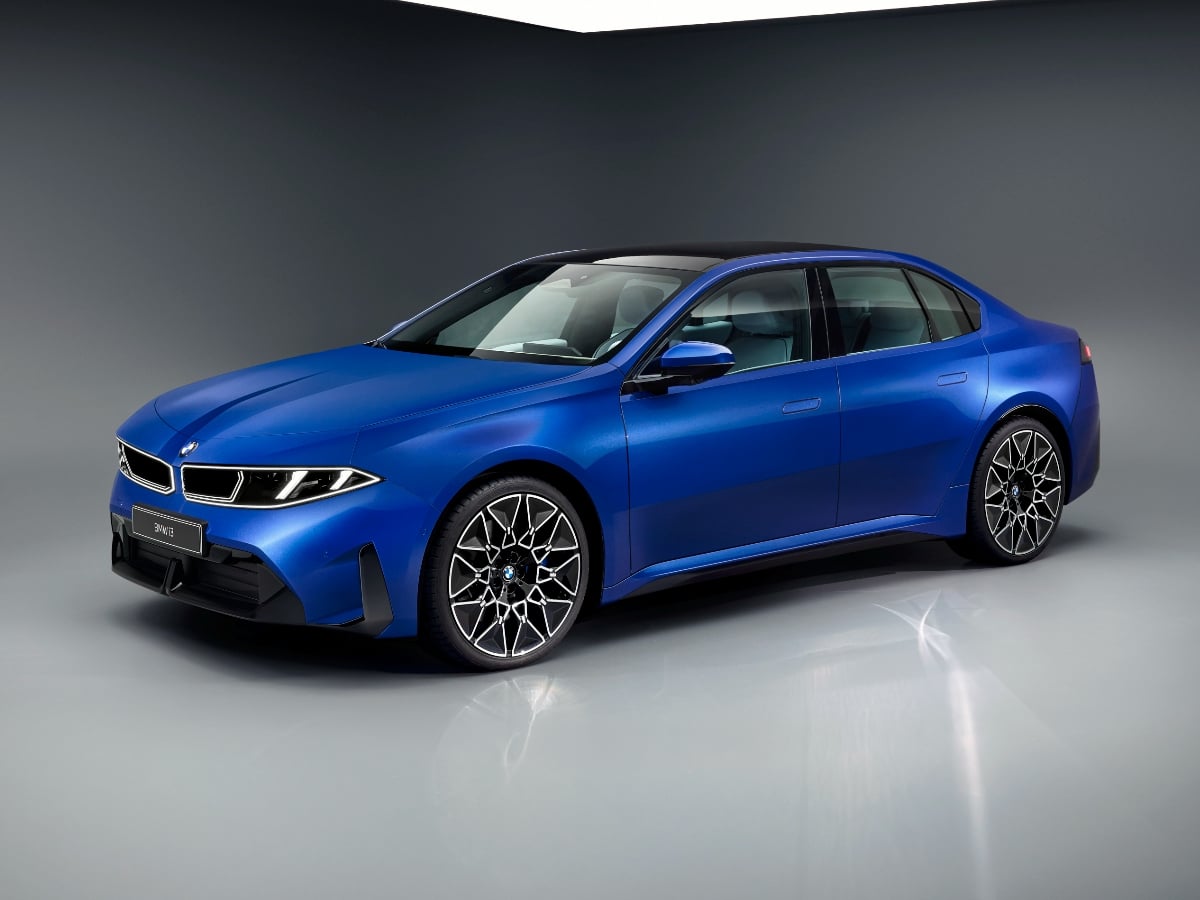
The new 2027 BMW i3 boasts an estimated range of up to 440 miles, 400-kilowatt DC fast charging capability, bidirectional charging to a home or the grid, and next-generation technology.
Read the Full Article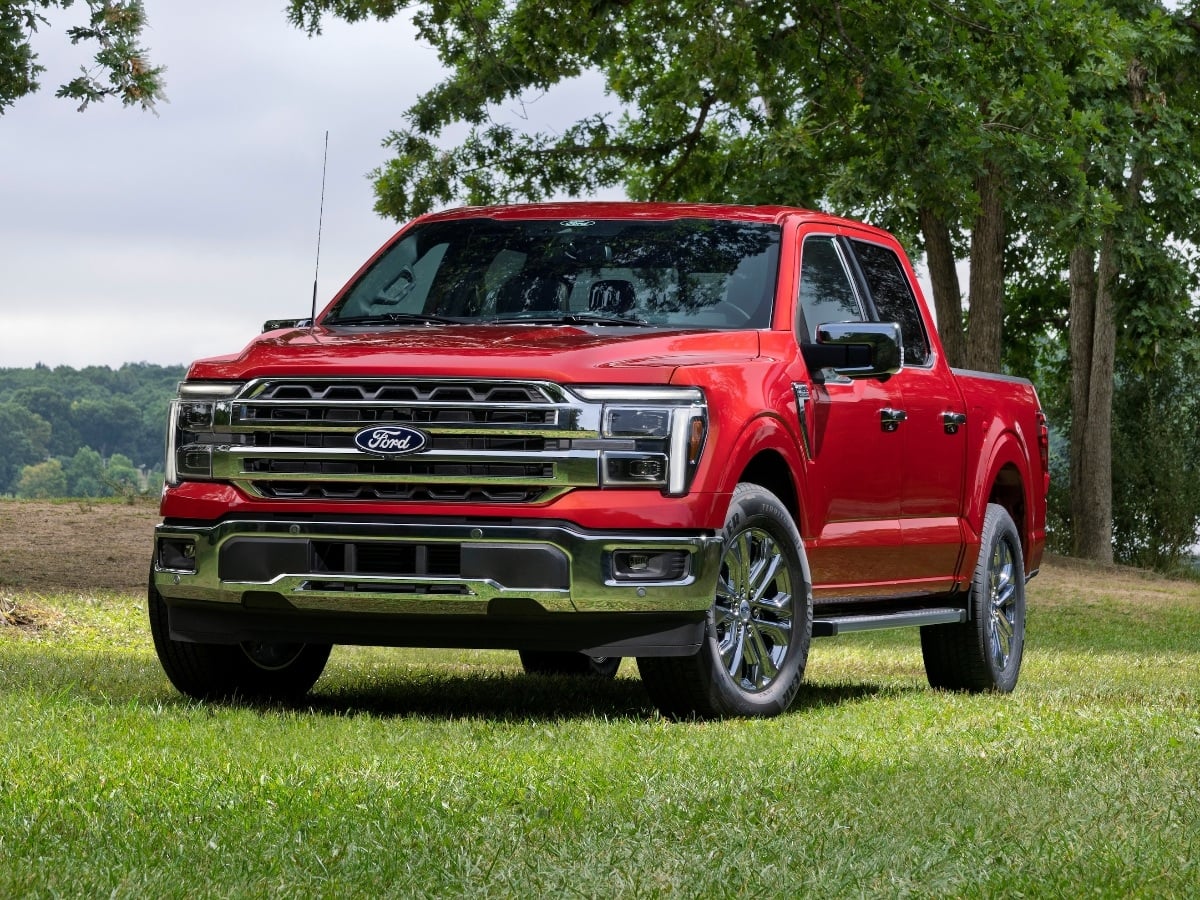
Facing renewed competition in the full-size, light duty pickup truck segment, the 2027 Ford F-150 receives subtle styling updates, a new standard engine, broader availability of its 5.0-liter V8, and ...See More
Read the Full Article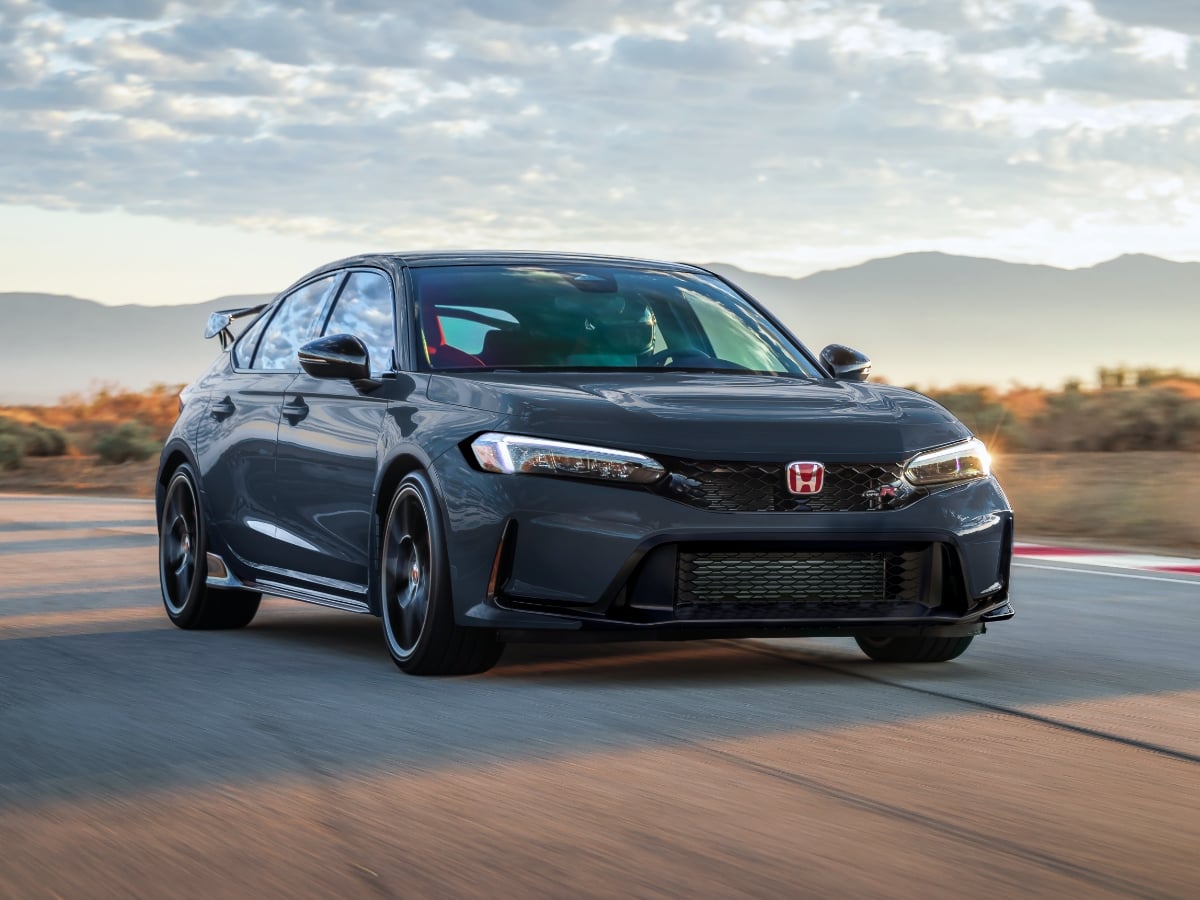
The 2027 Civic Type R goes on sale in October 2026, and it starts at $49,990, including the $1,295 destination charge.
Read the Full Article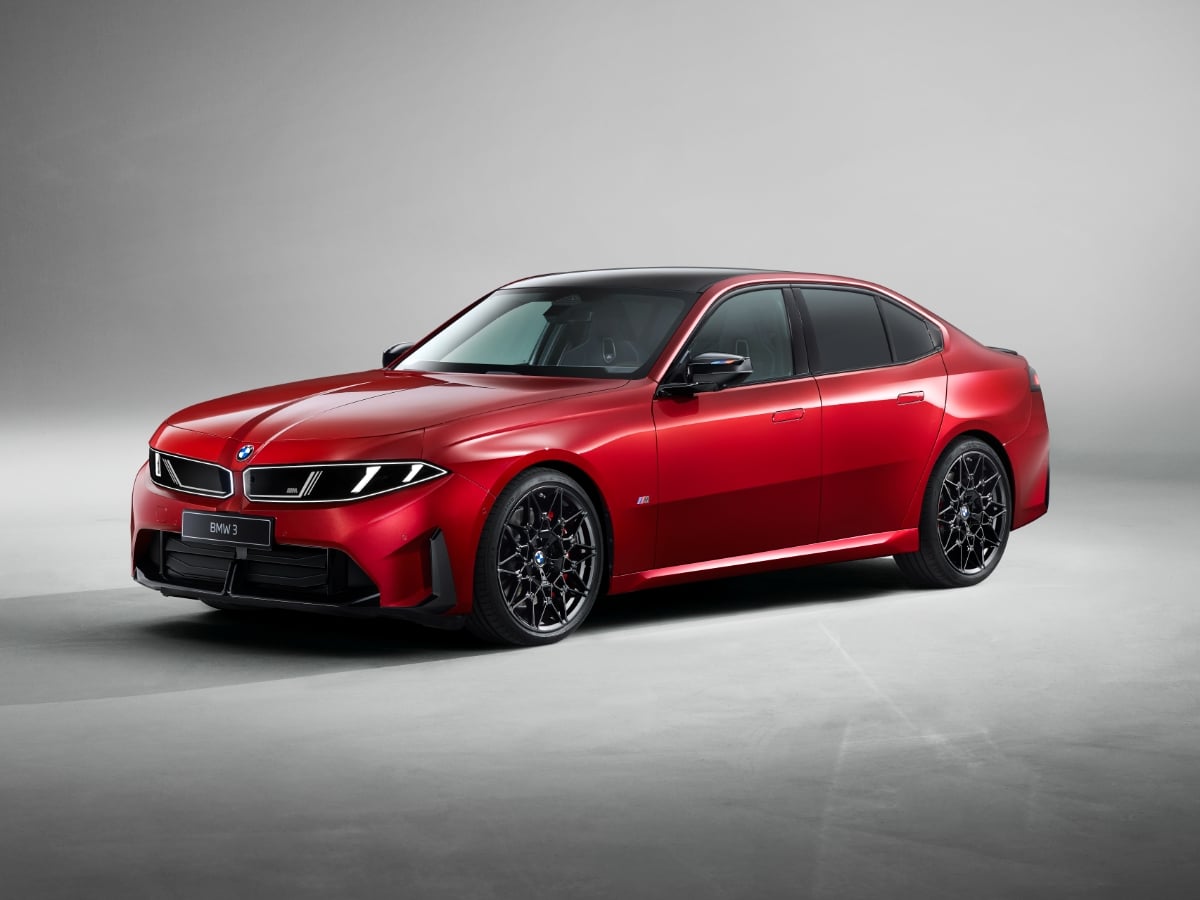
Part of BMW’s Neue Klasse (new class) rollout of redesigned models, the 2027 BMW 3 Series is all-new and goes on sale in the first quarter of 2027.
Read the Full Article