
Land Rover is among the most iconic and legendary names in off-road and luxury vehicles. The brand’s SUVs have proven themselves in some of the world’s most challenging terrain but haven’t given up the high-end features that make them great daily drivers. The latest models retain that capability but have added a layer of technology that makes them easier to use. All-Terrain Progress Control (ATPC) is an excellent example of Land Rover’s use of technology to add off-road capability and improve driver comfort.

All-Terrain Progress Control, or ATPC, is an off-road cruise control system. It allows the driver to set the desired speed and then focus on steering without needing pedal inputs. You can activate the system when the vehicle is stationary or in motion; it starts when the driver lifts off the brake pedal. The driver sets the speed using steering wheel-mounted controls, just like normal cruise control, and the system deactivates when the driver presses the brake pedal again.
Land Rover says that ATPC continuously monitors vehicle performance and can automatically adjust settings for functions such as 4-wheel drive and suspension softness on the fly. Drivers can activate the system in forward and reverse and at speeds between one and 19 mph.
One of ATPC’s primary objectives is to reduce wheel spin. Land Rover says the tech helps novice drivers with consistent speed and control, especially on loose surfaces and hills, where modulating throttle inputs can be a significant challenge for less experienced drivers.
Land Rover says that ATPC is for off-road use only. So, while it’s probably technically possible to activate the system on the road, the maximum speed of 19 mph is a significant limiting factor. For safety and to avoid getting a ticket, it’s best to keep ATPC for driving off-road.
That said, ATPC is an incredibly functional and capable system. You can use it in extreme conditions such as rock crawling, and it is helpful in bad weather conditions like snow and ice.
All-Terrain Progress Control is a Land Rover-branded feature that cannot be labeled as such by other automakers. That said, similar functions are common among off-road SUVs and pickup trucks. Ford offers Trail Control in the F-150 Raptor, F-150 Tremor, and the Bronco SUV. Toyota calls its system Crawl Control, available in the Tacoma and Tundra. Jeep’s flavor of off-road cruise control is called Selec-Speed and is available for the Cherokee, Gladiator, Grand Cherokee, and Wrangler.
Most off-road cruise control systems function similarly. It’s important to note that the technology is unavailable for vehicles equipped with a manual transmission. The low speeds and precise throttle control needed do not jive with the need for a clutch.
Even the most experienced drivers can use a helping hand from time to time when it comes to intense off-roading. Letting the vehicle do the heavy lifting of judging speed and braking can be a significant benefit and can reduce fatigue over time. All-Terrain Progress Control and similar off-road cruise control systems also up the fun factor because they help even the playing field for less experienced drivers. At the same time, they take some of the sweat out of judging throttle and brake inputs for people with more time behind the wheel.
If you want to learn more about off-roaders with unique features and capabilities, head to our Shopping Guides pages to learn about new models.


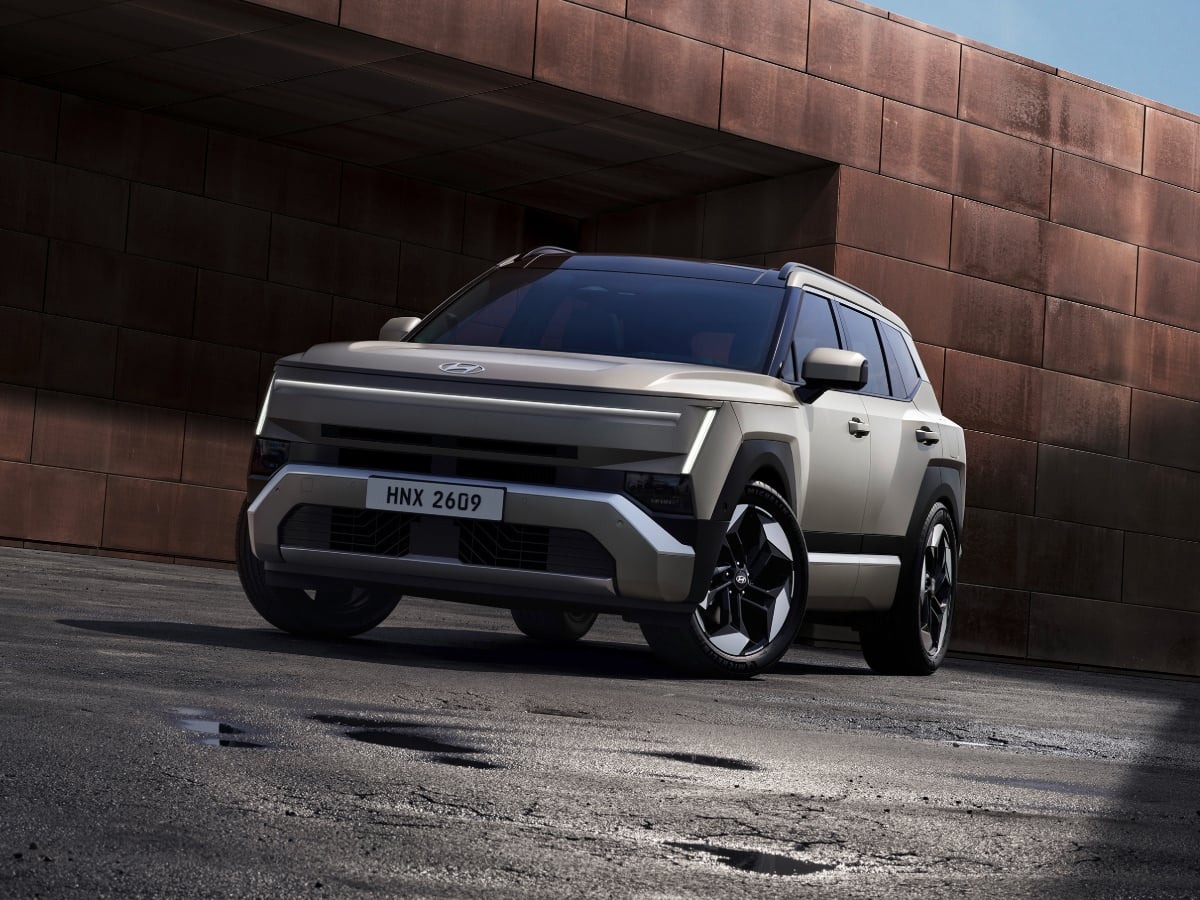
With a purposeful new design and some trail-ready upgrades, the 2027 Hyundai Tucson is pushing the brand's best-selling crossover SUV into more aggressive territory.
Read the Full Article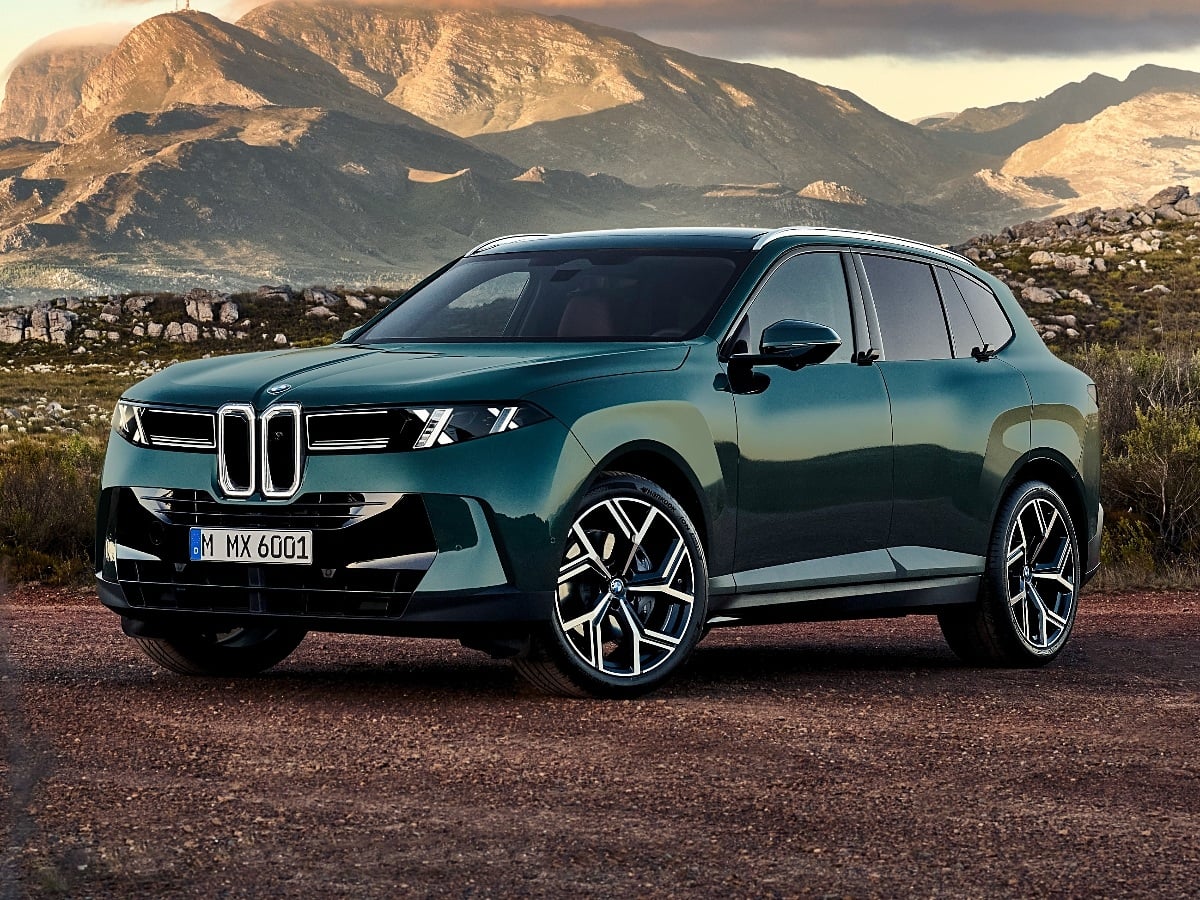
For more than 25 years, the BMW X5 has helped to define the luxury SUV segment. Now, the redesigned fifth-generation 2027 BMW X5 arrives with the automaker’s Neue Klasse styling, a roomier interior, ...See More
Read the Full Article
One of Lexus's most popular models, the NX crossover SUV is also one of the most affordable in the company’s lineup. The 2027 Lexus NX transitions to hybrid-only powertrains, and gets revised ...See More
Read the Full Article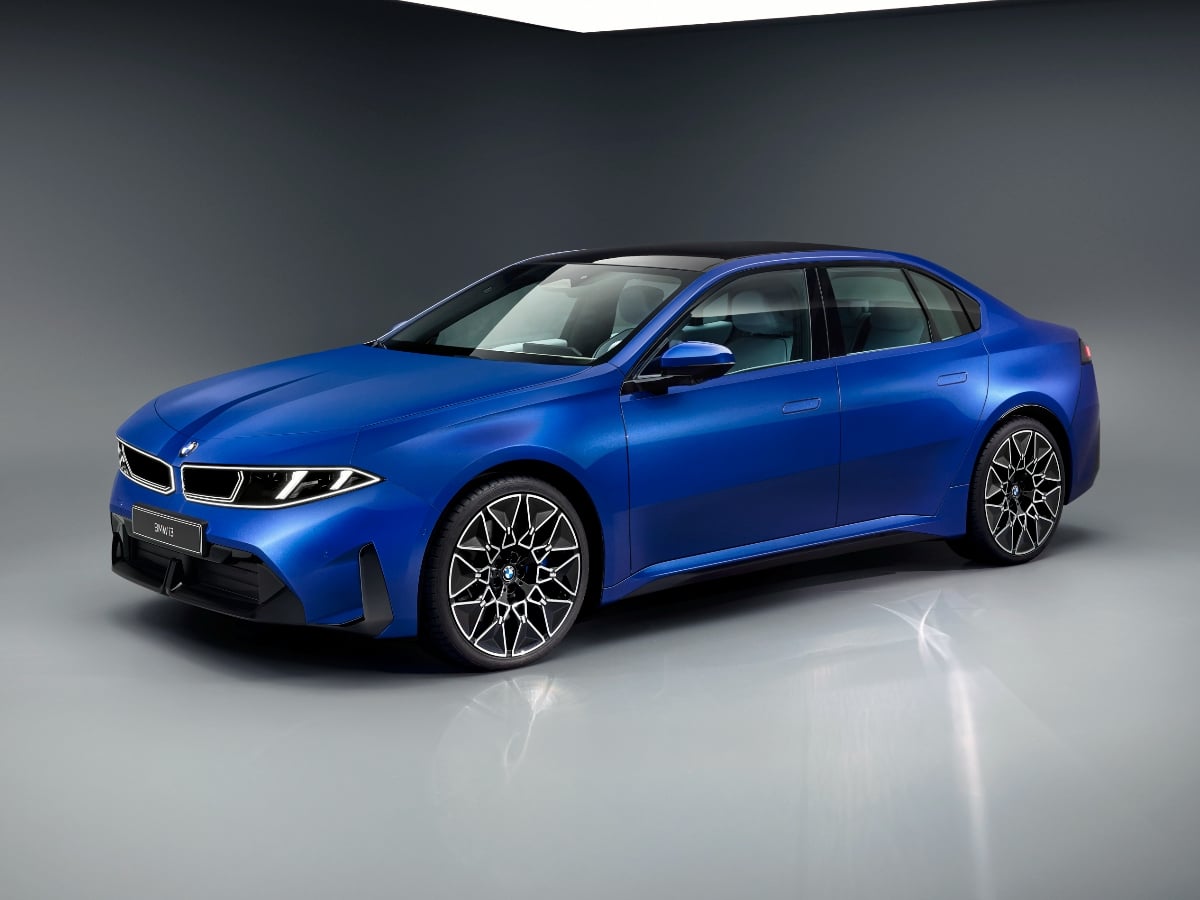
The new 2027 BMW i3 boasts an estimated range of up to 440 miles, 400-kilowatt DC fast charging capability, bidirectional charging to a home or the grid, and next-generation technology.
Read the Full Article