
In 2025, Honda introduced a next-generation hybrid drivetrain enhancement called the Honda S+ Shift. Instead of a mechanical gearbox, it is a power unit control technology integrated into Honda's hybrid system, designed to give drivers the emotional feel of a stepped transmission without sacrificing the efficiency and smoothness of a hybrid.

In short, S+ Shift aims to bridge the gap between "fun to drive" and hybrid utility. It uses intelligent control of engine speed, motor torque, and virtual gear reasoning to mimic the shifting feeling most drivers associate with conventional automatic or manual transmissions.
Honda has long adhered to a design philosophy called "Man-Maximum, Machine-Minimum"—simply put, it means that systems should operate for the driver without being intrusive. With hybrids and electric powertrains, Honda sees a significant challenge: how to keep the driver engaged even when the mechanical sense of shifting disappears.
S+ Shift addresses that challenge: it aims to preserve or restore a sense of responsiveness and connection, so the driver feels in control, excited, and balanced with the vehicle.
Honda's hybrid cars already feature technologies such as Linear Shift Control, which smoothly adjusts engine speed to meet driver expectations. Recently, Honda also introduced Direct Acceleration, which allows earlier engine power delivery to improve throttle response.
But S+ Shift goes even further. It introduces a virtual stepped transmission within the hybrid control system. This means that engine speed and drive force are adjusted in discrete steps—like "virtual gears"—both during acceleration and deceleration, providing the perceptible shifts you would expect from gear changes. This method offers a stronger sense of momentum and driver response without sacrificing the benefits of hybrid technology.
Essentially, Honda S+ Shift depends on two interconnected subsystems: Step Shift Control and Sports Adaptive Control.
Step Shift Control influences the system's "gear feel" motor. It adjusts both engine speed and drive force in separate steps during acceleration and deceleration, mimicking upshifts and downshifts:
While Step Shift Control guarantees a distinct gear feel, Sports Adaptive Control is the primary brain: it monitors driver inputs (accelerator/brake), lateral and longitudinal G-forces, road slope, and vehicle condition to choose the optimal virtual gear. Its capabilities are:
In essence, Sports Adaptive Control makes the virtual gears respond not only to throttle position but also to driving conditions, enhancing predictability and engagement. According to Honda, by combining Step Shift Control with Sports Adaptive Control, S+ Shift creates a livelier and more communicative hybrid without sacrificing smoothness or efficiency.
The Honda Prelude is the first model to feature Honda S+ Shift. In this car, the system uses eight virtual gears, tailored to the hybrid's characteristics, to provide a smooth, stepped driving experience.
Paddle shifters allow drivers to select virtual upshifts and downshifts manually. When S+ is off, the paddles control regenerative braking; when S+ is on, they shift gears.
The digital instrument display features a tach-style meter instead of plain power gauges, highlights the shift indicator, and shows the selected virtual gear. Downshift blips and engine-rich sounds are played through the cabin's audio system to create a simulated experience.
Drive modes (Sport, GT, Comfort, and Individual) are available on the Prelude. S+ Shift can be used in all modes, but its behavior is tailored to meet driver expectations. For example, it is more aggressive in Sport mode.
From the consumer's perspective, here is what to expect and why it matters:
Honda S+ Shift is a groundbreaking concept in hybrid car design. Instead of accepting the emotionally "flat" feel that can come with electrified powertrains, Honda engineers have implemented an advanced software control system that mimics the sensation of gear shifts within a hybrid powertrain.
For the buyer, S+ Shift offers an additional incentive to choose a hybrid without sacrificing anything: you enjoy the benefits of fuel efficiency and an exciting driving experience. If you have ever craved the mechanical thrill of shifting gears—without the drawbacks of a conventional transmission—S+ Shift might give you the best of both worlds.
Visit the Shopping Guides section of the website to learn more about different automotive technologies.
Jessica Shea Choksey is an experienced writer in the automotive field. In addition to JDPower.com, she was a correspondent for PBS's MotorWeek, and her work has appeared on Autotrader.


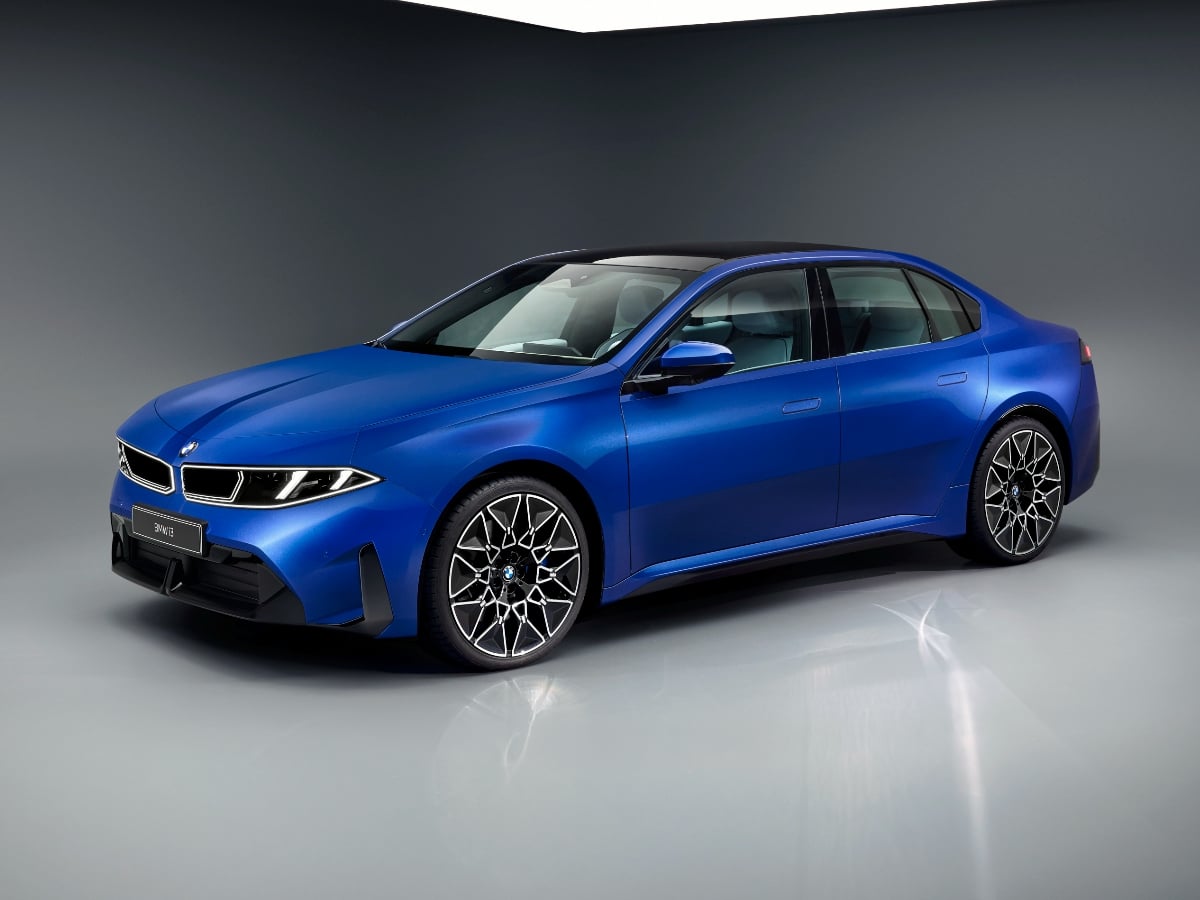
The new 2027 BMW i3 boasts an estimated range of up to 440 miles, 400-kilowatt DC fast charging capability, bidirectional charging to a home or the grid, and next-generation technology.
Read the Full Article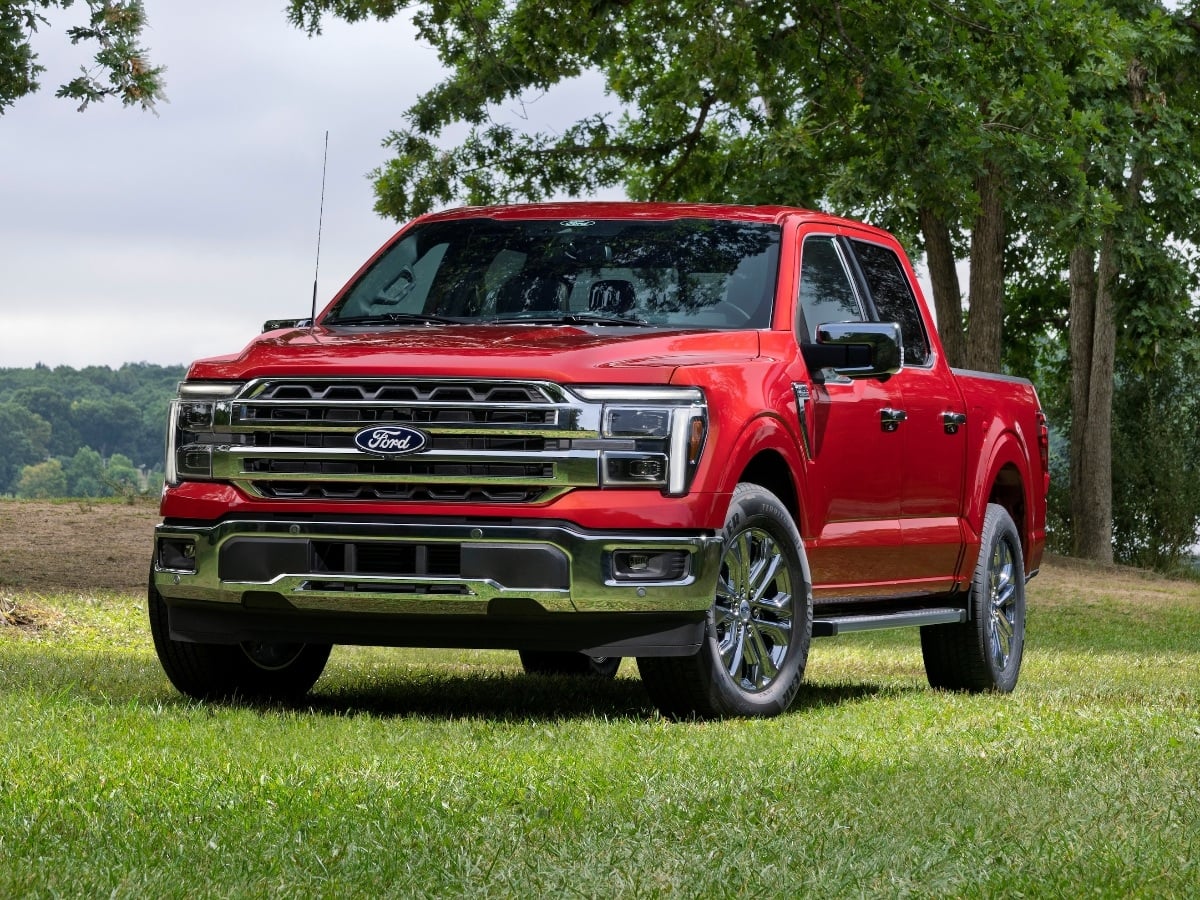
Facing renewed competition in the full-size, light duty pickup truck segment, the 2027 Ford F-150 receives subtle styling updates, a new standard engine, broader availability of its 5.0-liter V8, and ...See More
Read the Full Article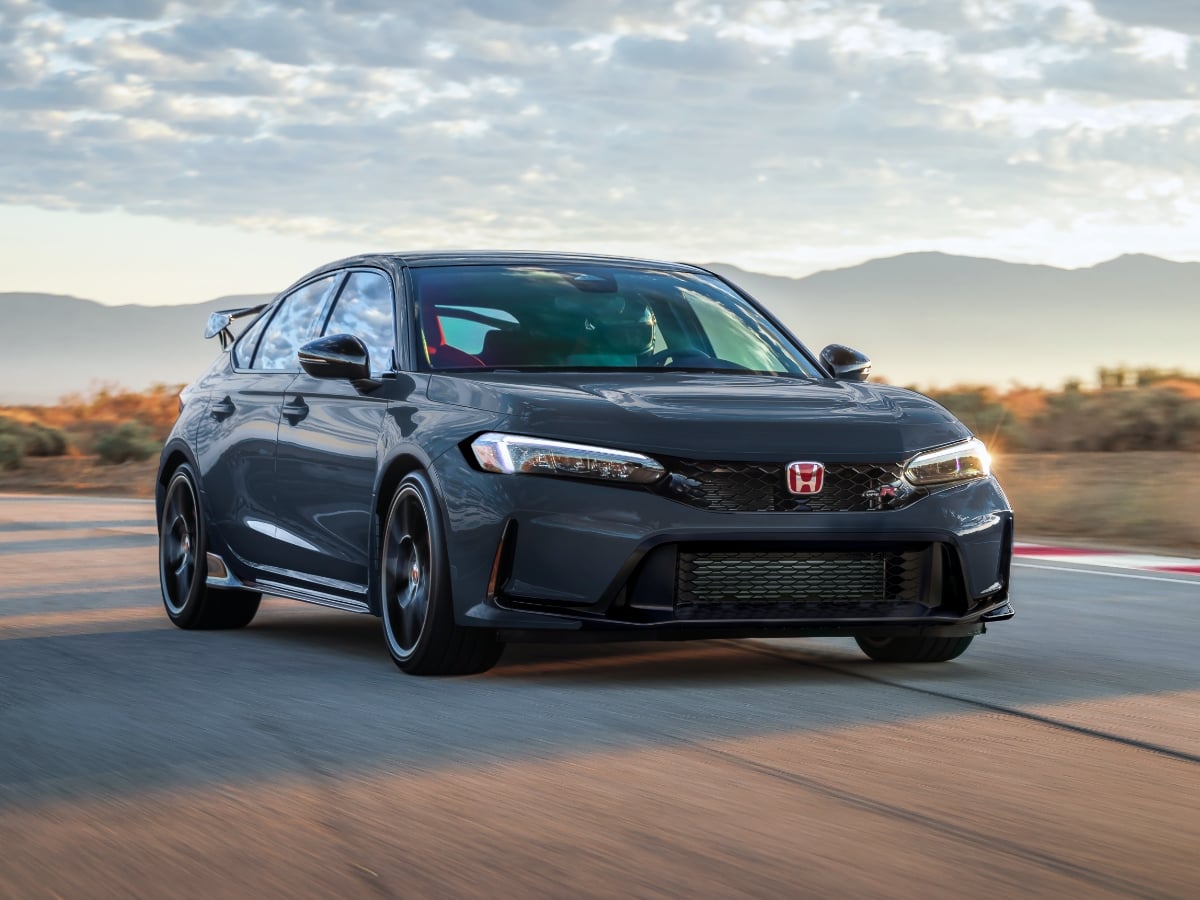
The 2027 Civic Type R goes on sale in October 2026, and it starts at $49,990, including the $1,295 destination charge.
Read the Full Article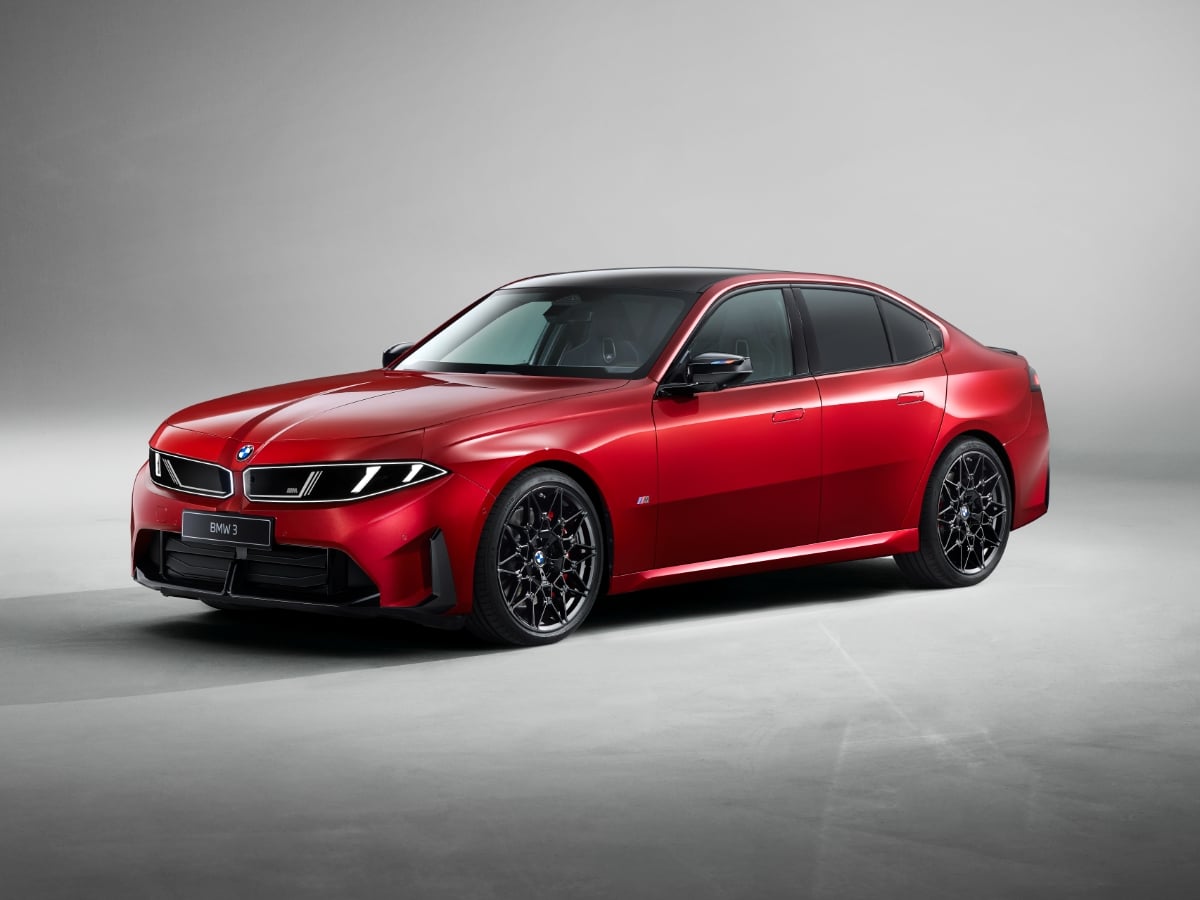
Part of BMW’s Neue Klasse (new class) rollout of redesigned models, the 2027 BMW 3 Series is all-new and goes on sale in the first quarter of 2027.
Read the Full Article