
There are plenty of ways to make an internal combustion engine burn more efficiently, but nothing will ever be as efficient as an engine that is not spinning at all. That is the basic idea behind auto start/stop, which turns off the engine when it is not needed. But is it actually saving fuel, and if so, how much? Let's dig into the details.
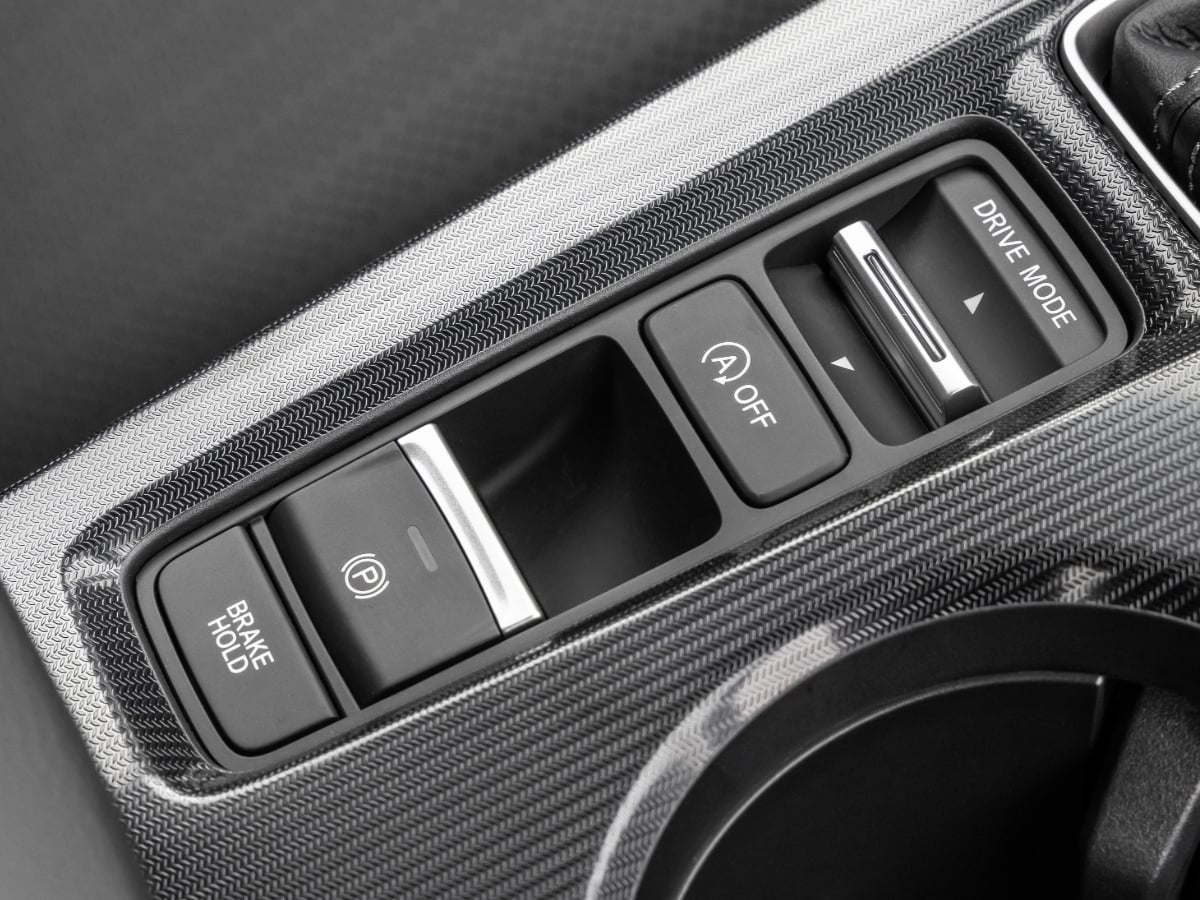
Quite simply, auto start/stop detects when the car has come to a complete stop and automatically shuts off the engine. Since an idling engine is not doing much and burns fuel unnecessarily, shutting it off improves overall efficiency. When it is time to move again, such as when the signal turns green or traffic at the intersection clears, the engine kicks on again, ready to pull away smoothly.
These systems operate in a variety of ways. The key is detecting when a vehicle stops and when it needs to start moving again. When the vehicle's speed reaches zero, the ignition is temporarily shut off. The engine may automatically restart if needed to power systems such as cabin heating or cooling, but otherwise it remains silent until the vehicle needs to move.
Knowing when to stop is the easy part. The trickier part is detecting when to go again. Some vehicles do not fire the ignition until the driver releases the brake. In manual transmission cars, it is often when the driver presses the clutch pedal. There is even been research into using forward-looking cameras to detect when a traffic light changes color.
The ignition is triggered in the usual way, using the starter. Because an engine might restart dozens of times during a busy commute rather than just once at the beginning, this technology requires more durable starters for vehicles and better batteries to power them.
Yes, these auto start/stop systems are extremely effective. Different studies have reported varying figures for efficiency gains, depending on how the car is driven. The most striking figure, though, comes from the U.S. Department of Energy and Argonne National Laboratory, which determined that six billion gallons of gasoline are wasted every year by idling vehicles, half of that from consumer vehicles alone.
Auto start/stop is a controversial topic, but it is undoubtedly effective at reducing emissions. With the 2026 elimination of incentives for manufacturers to include this technology, its use in American cars will likely decline. However, because international emissions testing standards still allow significant idle time, this technology will still be needed elsewhere in the world. We will have to wait and see how that affects future vehicles.
Visit the Shopping Guides section of the website to learn more about different automotive technologies.
Tim Stevens is a veteran automotive and technology journalist with over 25 years of experience covering a wide range of topics, from smartphones to supercars. In addition to jdpower.com, his expert perspectives have appeared in numerous national and international outlets, including print, online, and broadcast television.


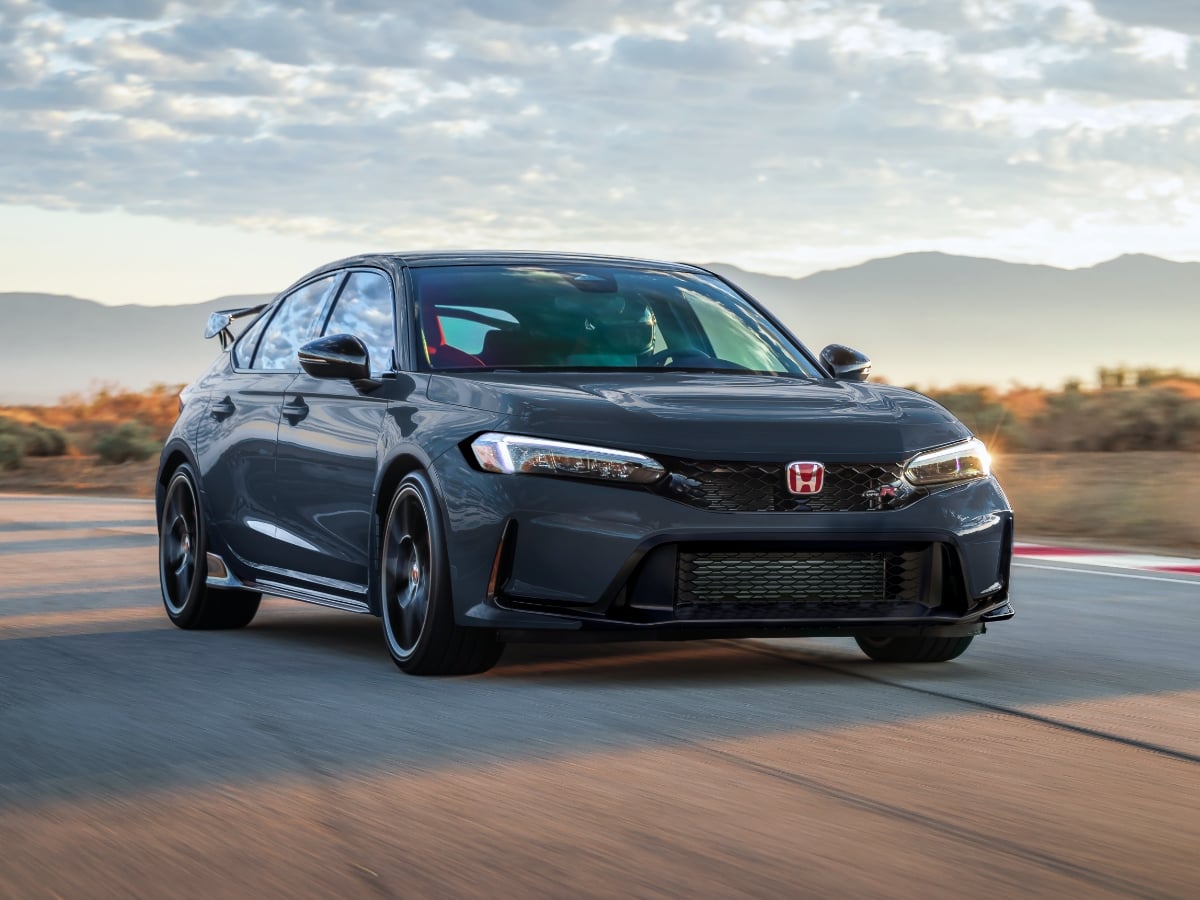
The 2027 Civic Type R goes on sale in October 2026, and it starts at $49,990, including the $1,295 destination charge.
Read the Full Article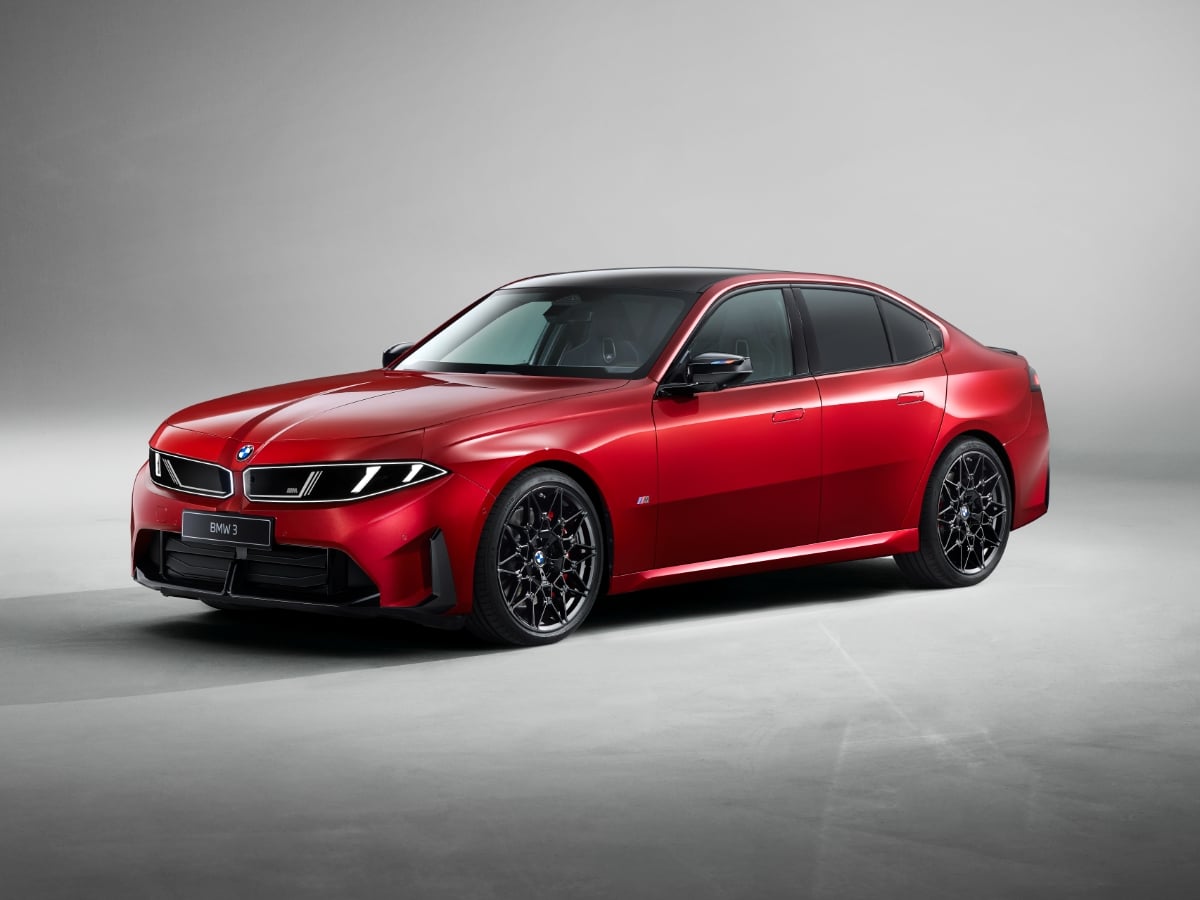
Part of BMW’s Neue Klasse (new class) rollout of redesigned models, the 2027 BMW 3 Series is all-new and goes on sale in the first quarter of 2027.
Read the Full Article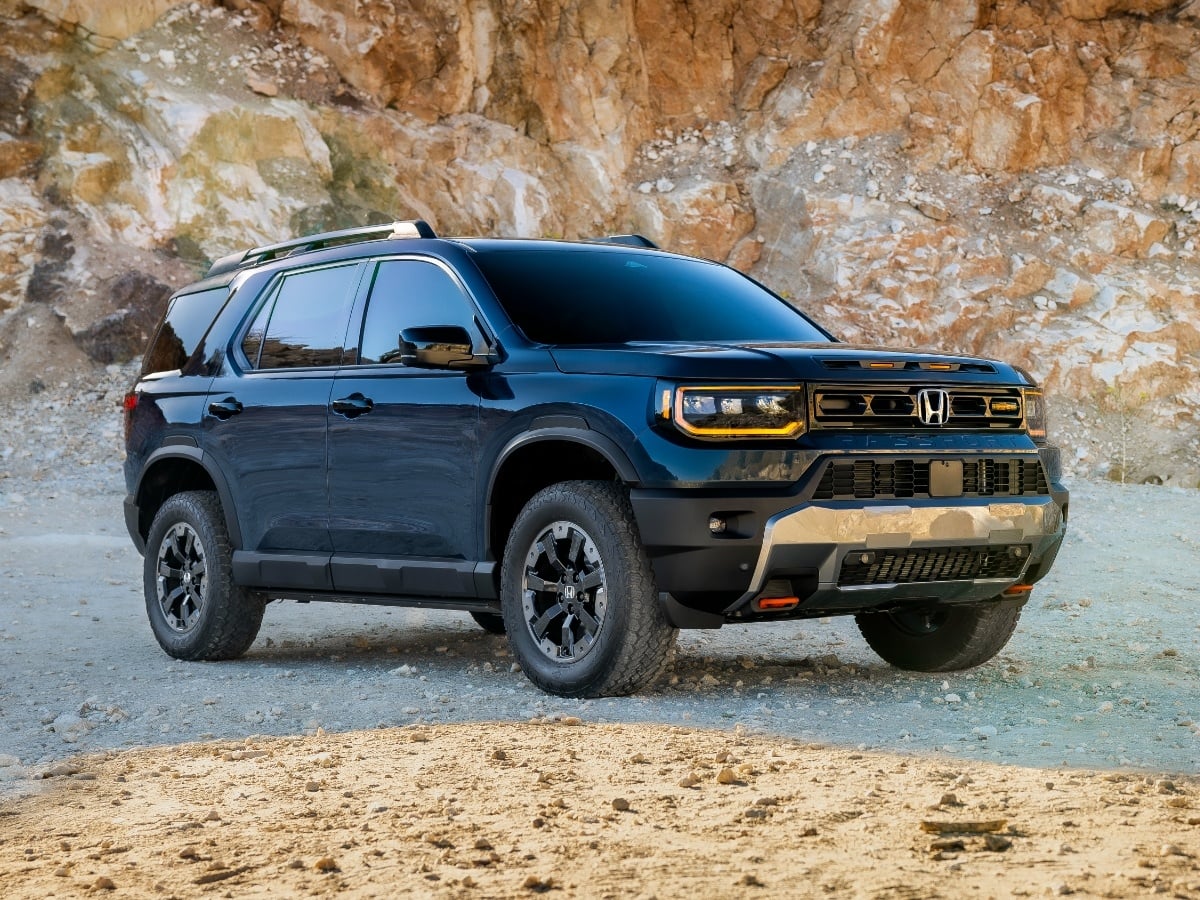
Updates to the 2027 Honda Passport TrailSport include a reworked suspension, improved steering, subtle styling enhancements, and added standard equipment.
Read the Full Article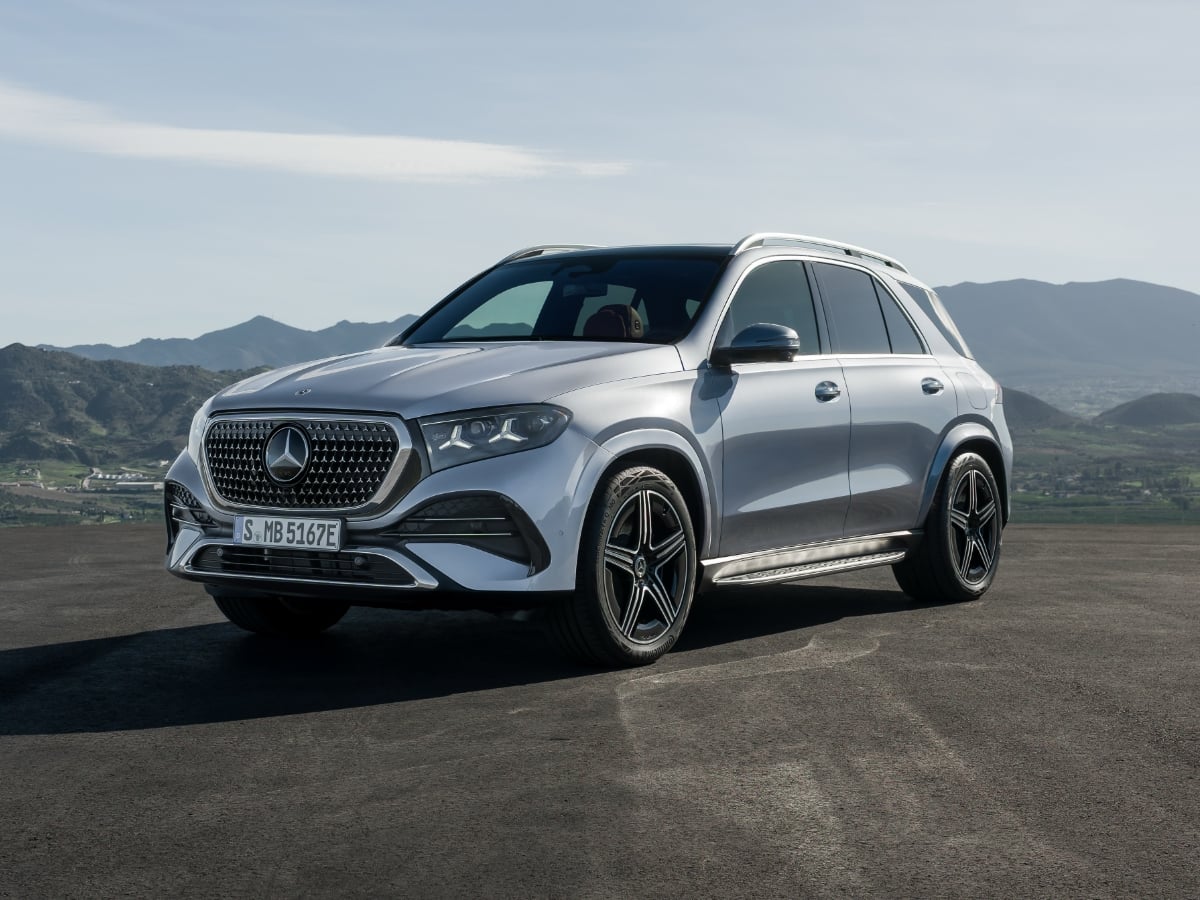
The midsize 2027 Mercedes GLE remains available in original and spicy Coupe recipes, now with standard 4Matic all-wheel drive (AWD), MBUX Superscreen technology, and a panoramic glass sunroof for ...See More
Read the Full Article