
Technology continually shapes and transforms how we interact with everything around us. When it comes to driving, the latest example of this is the integration of augmented reality (AR) in automotive navigation systems. AR navigation, as it is known, helps drivers reach their destinations by elevating GPS and mapping to a new level.
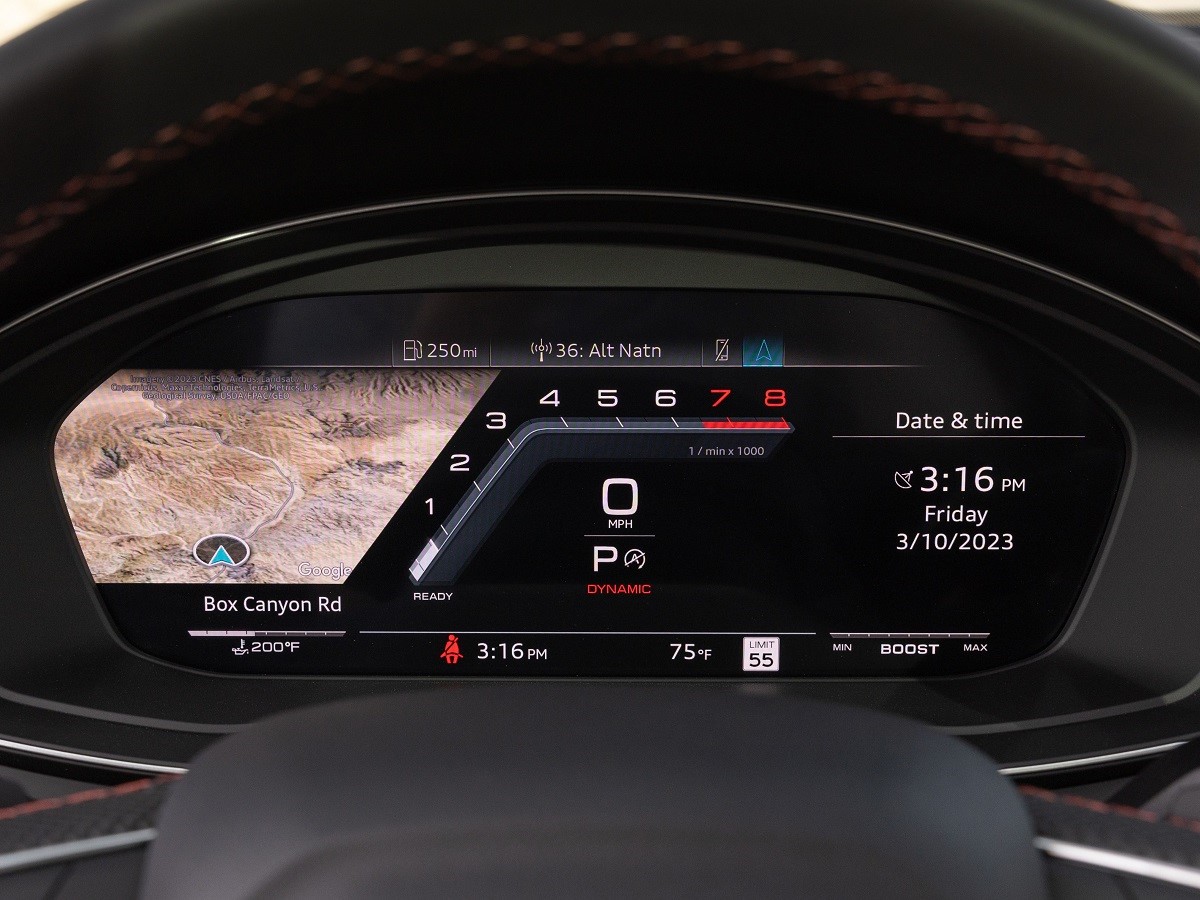
The term "augmented reality" is popping up more and more into our everyday conversations. Just a few years ago, it was seen only as a futuristic proof of concept that felt more like science fiction than reality. But today, AR is moving rapidly into our daily lives and common applications. That said, what exactly is it?
Essentially, AR technology blends virtual elements with real-world scenes. It overlays digital information, such as images or other data, onto an actual environment, enhancing users' perceptions of their immediate surroundings. Unlike virtual reality (VR), which immerses users in a fully simulated environment, AR is a bit more subtle and practical, adding layers of digital content to the already-existing physical world.
One would generally experience AR technology through smartphones, tablets, or specialized AR glasses. These devices utilize cameras and sensors to capture the real-world environment and then project digital information onto that view. The result is a composite image with actual objects coexisting with virtual elements. Ultimately, this interaction provides additional context and information, enhancing the user's experience and understanding.
In the context of automotive navigation, AR provides drivers with enhanced visual cues by overlaying digital information onto the real world, seen through the vehicle's head-up display (HUD) or dash-top infotainment screen. With HUD integration, AR navigation projects these elements directly into the driver's line of sight and onto the road ahead.
For example, the driver may see a virtual arrow several hundred feet in front of them, marking the exact point at which they are to make a turn. AR navigation might also highlight specific roadways or markers, guiding drivers to their destination while maintaining a clear view of the traffic in front. This technology can also provide road condition information or real-time traffic data to give the driver advanced knowledge of the drive ahead.
By integrating navigation instructions directly into the driver's field of view, AR helps to create a more intuitive and engaging navigation experience. This integration allows drivers to receive relevant information without shifting their focus away from the road, thus improving safety, confidence, and comfort.
As AR navigation systems add new and enhanced functionalities— and higher-resolution visuals—automakers can make these software upgrades remotely using over-the-air updates.
AR navigation is becoming increasingly mainstream, with several major automotive brands offering the technology. Each of these systems overlays or projects digital elements through its HUD. However, each automaker offers a unique approach and aesthetic through its own digital platform and operating system. Here are the most notable players:
AR navigation offers several benefits that contribute to a better all-around driving experience:
Whether driving along city streets or embarking on a long road trip, AR navigation provides a more immersive and intuitive way to reach your destination.
To learn more about various automotive technologies, visit the Shopping Guides section of the website.
Jessica Shea Choksey is an experienced writer in the automotive field. In addition to JDPower.com, she was a correspondent for PBS's MotorWeek, and her work has appeared on Autotrader.


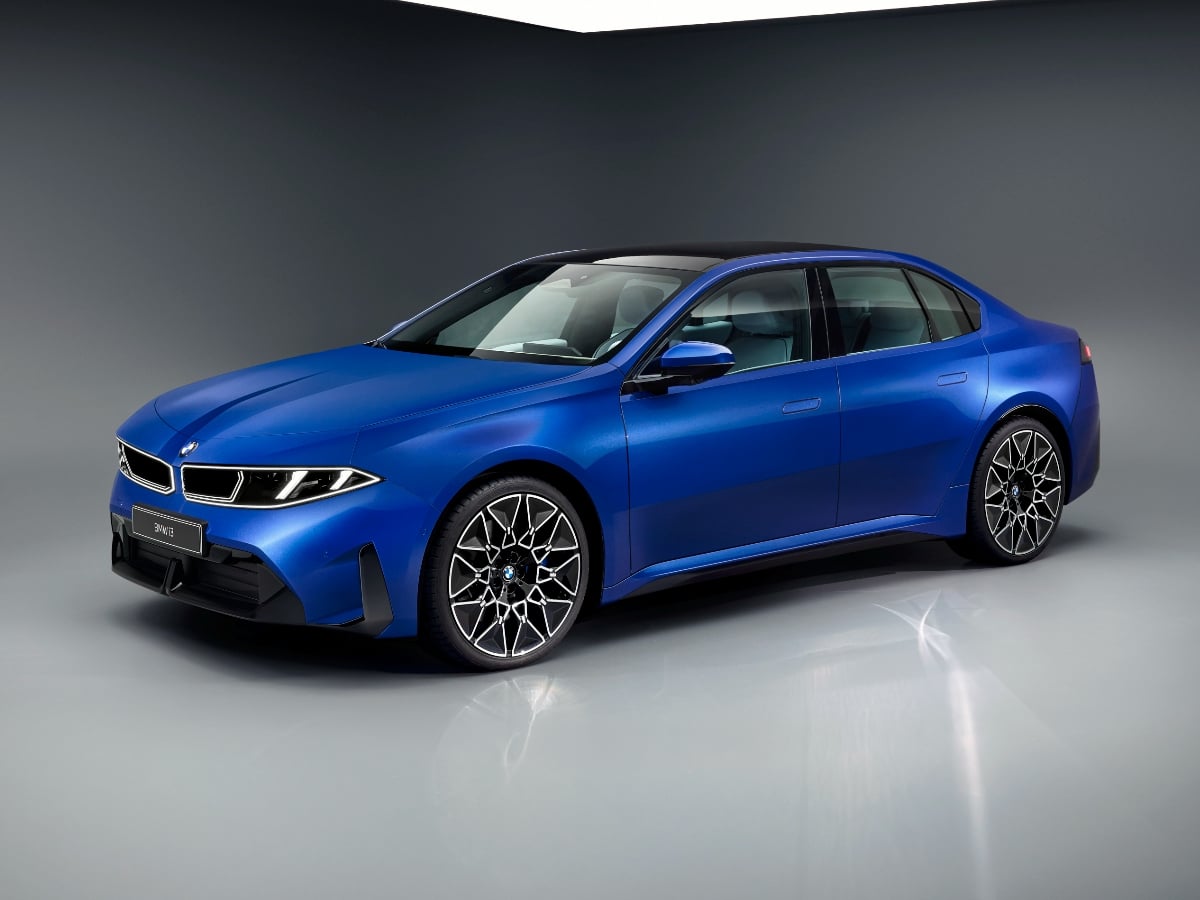
The new 2027 BMW i3 boasts an estimated range of up to 440 miles, 400-kilowatt DC fast charging capability, bidirectional charging to a home or the grid, and next-generation technology.
Read the Full Article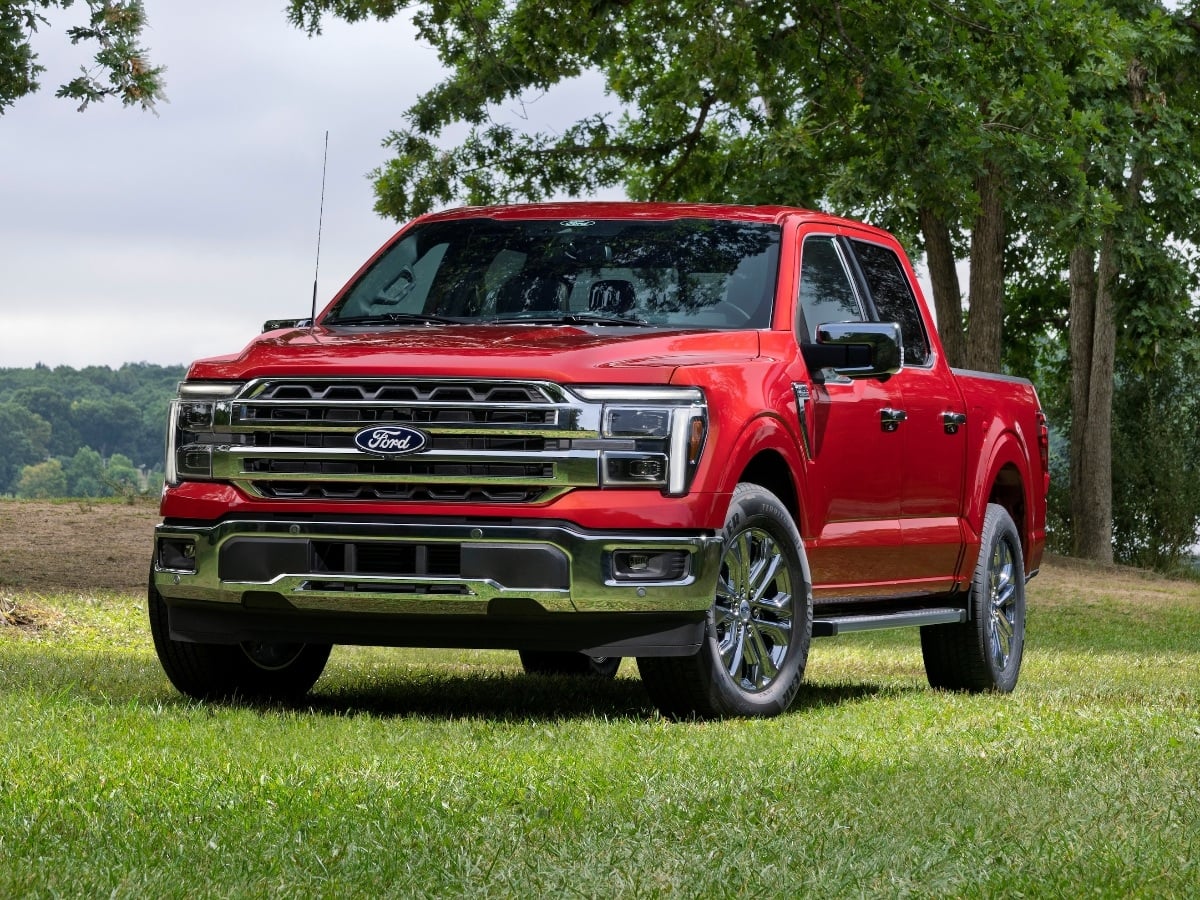
Facing renewed competition in the full-size, light duty pickup truck segment, the 2027 Ford F-150 receives subtle styling updates, a new standard engine, broader availability of its 5.0-liter V8, and ...See More
Read the Full Article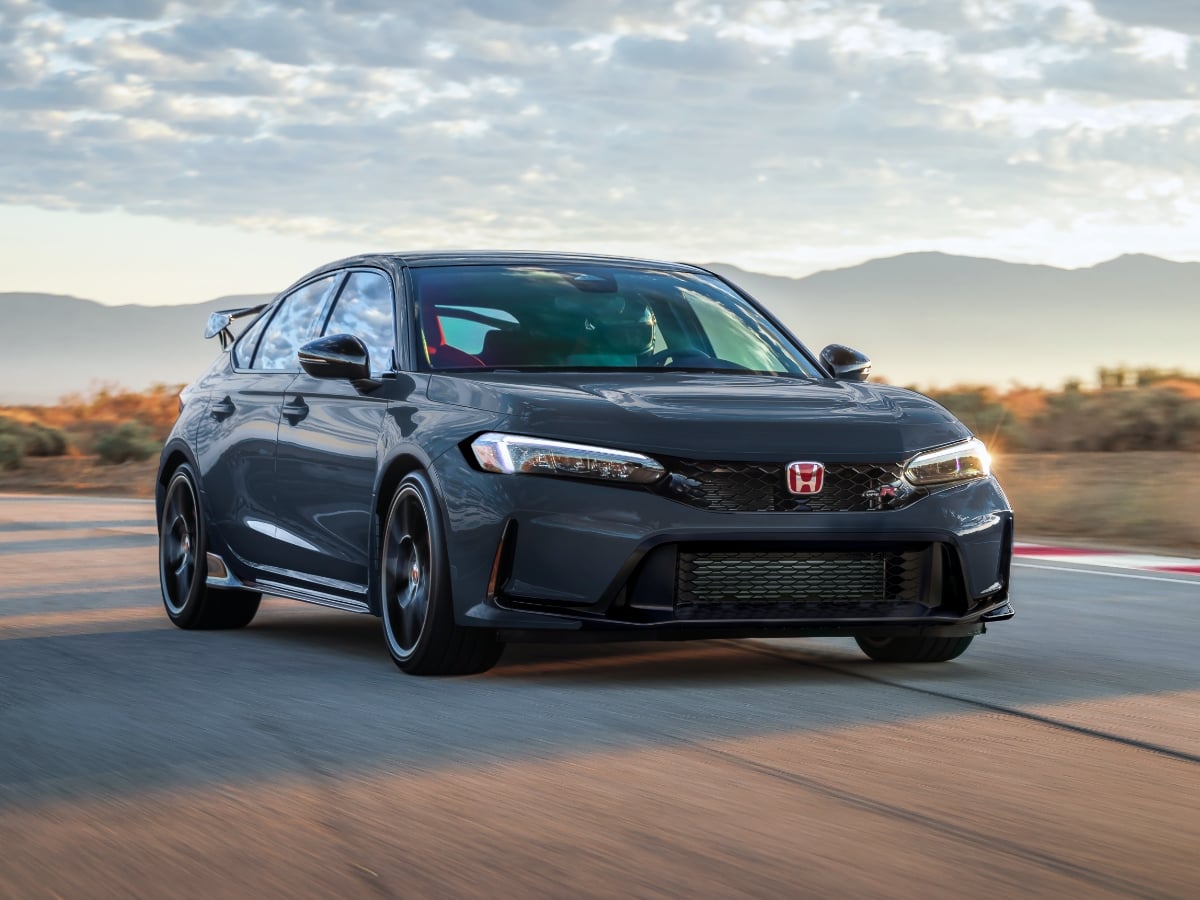
The 2027 Civic Type R goes on sale in October 2026, and it starts at $49,990, including the $1,295 destination charge.
Read the Full Article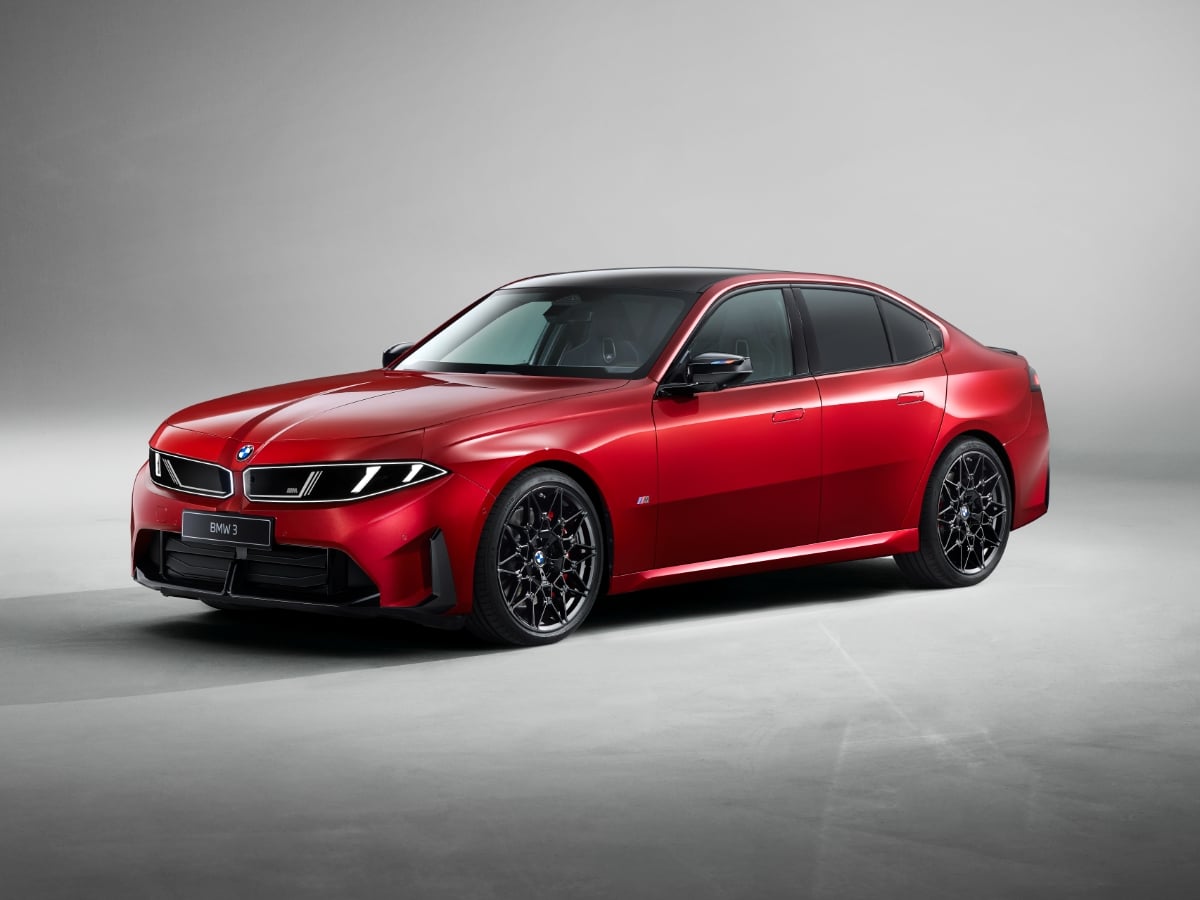
Part of BMW’s Neue Klasse (new class) rollout of redesigned models, the 2027 BMW 3 Series is all-new and goes on sale in the first quarter of 2027.
Read the Full Article