
EcoBoost. If you think it sounds like an esoteric, new-age term for some cutting-edge environment-changing technology, you’re not entirely off-base. EcoBoost is Ford Motor Company's proprietary term for turbocharging, and it's a way for Ford car and truck owners to enjoy enhanced driving performance more cleanly and efficiently than many gas-burning vehicles on the road.

For Ford, EcoBoost is a distinct category of advanced powertrain. Other such categories include all-electric, hybrid electric, plug-in hybrid electric, and diesel.
Let's break the word down into its two parts: 'Eco' and 'Boost.' Eco clearly refers to something related to the ecosystem, while boost refers to an increase in performance. Put them together, and you get a series of efficient, turbocharged, direct-injection gasoline engines.
First introduced in 2009, the premise for EcoBoost has been to produce higher-performance output that rivals larger, naturally aspirated engines. In doing so, EcoBoost also achieves 20-percent better fuel efficiency and emits 12-percent fewer exhaust emissions into the atmosphere. In other words, it's better for both the driving experience and the environment.
For consumers shopping for greener vehicle choices, EcoBoost is a cost-effective alternative to the growing number of electric, hybrid, and diesel options on the market. This technology is broadly available across Ford's diverse product portfolio.

EcoBoost engines improve performance and fuel efficiency by applying three interconnected processes:
These three processes operate seamlessly in tandem. Although EcoBoost is not unique, and other automakers commonly offer turbocharging, Ford's version is a solid and effective powertrain with which many have become familiar.

EcoBoost engines range in size from 1.0 to 3.5 liters in displacement for specific applications worldwide. Here is the current Ford EcoBoost model line in the United States (including models discontinued in the past five years):
Here are the current EcoBoost engines offered in the United States and their corresponding Ford models:
PowerBoost takes EcoBoost into the hybrid realm. Ford's turbo hybrid technology combines turbocharging with electrification to produce higher power and efficiency. PowerBoost aims at those who require increased torque output for heavy-duty tasks like towing and hauling, managing weighty loads, or tackling more challenging terrain through off-road excursions. Ultimately, it is the more work-centric, adventure-capable turbo option from Ford.
Ford EcoBoost is a turbocharged powertrain with spirited performance and good fuel economy. For the everyday driver, it means more driving enjoyment with fewer visits to the gas station.
To learn more about various automotive technologies, visit the Shopping Guides section of the website.
Jessica Shea Choksey is an experienced writer in the automotive field. In addition to JDPower.com, she was a correspondent for PBS's MotorWeek. Her work has also appeared in AutoTrader.


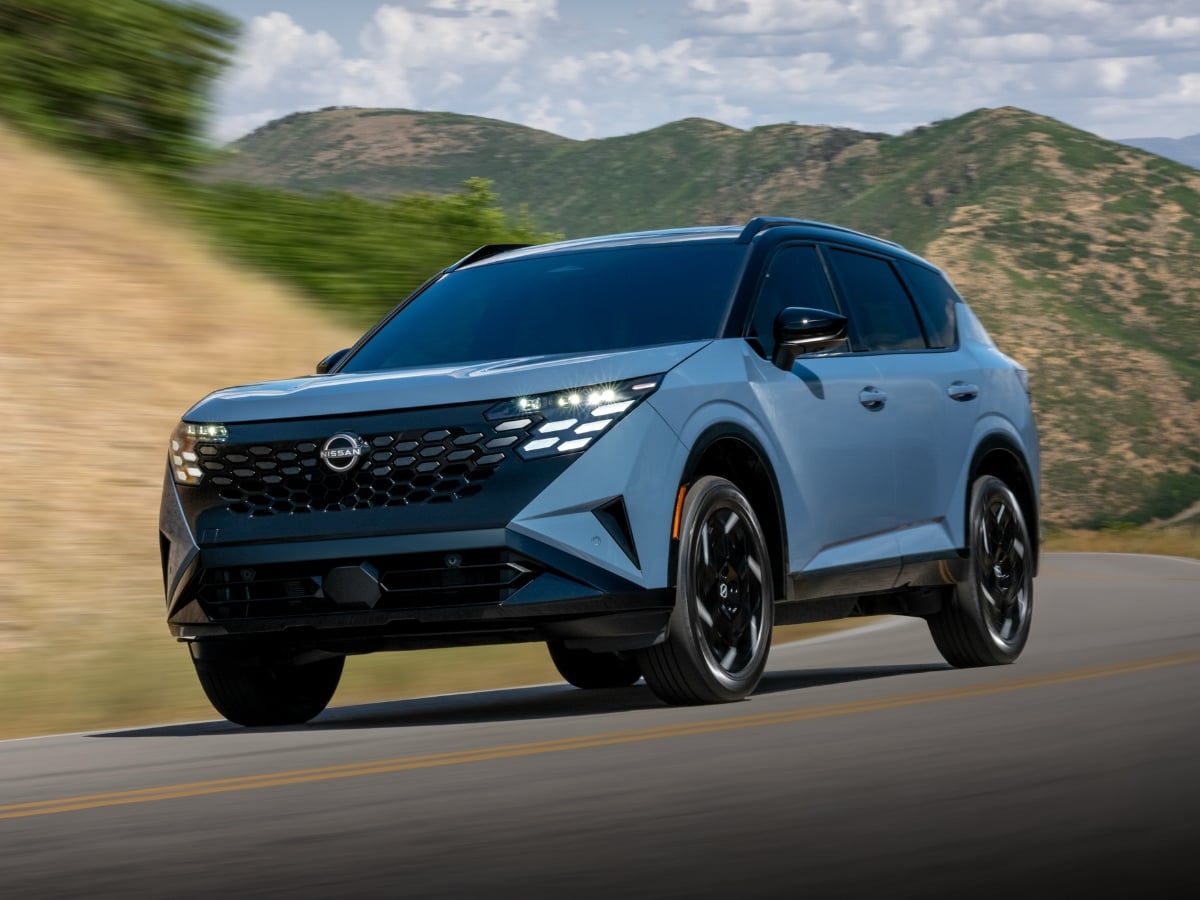
Nissan is about to introduce an innovative new SUV. The 2027 Nissan Rogue Hybrid has a gasoline engine, but it does not power the wheels. Instead, electric motors at each axle provide propulsion, ...See More
Read the Full Article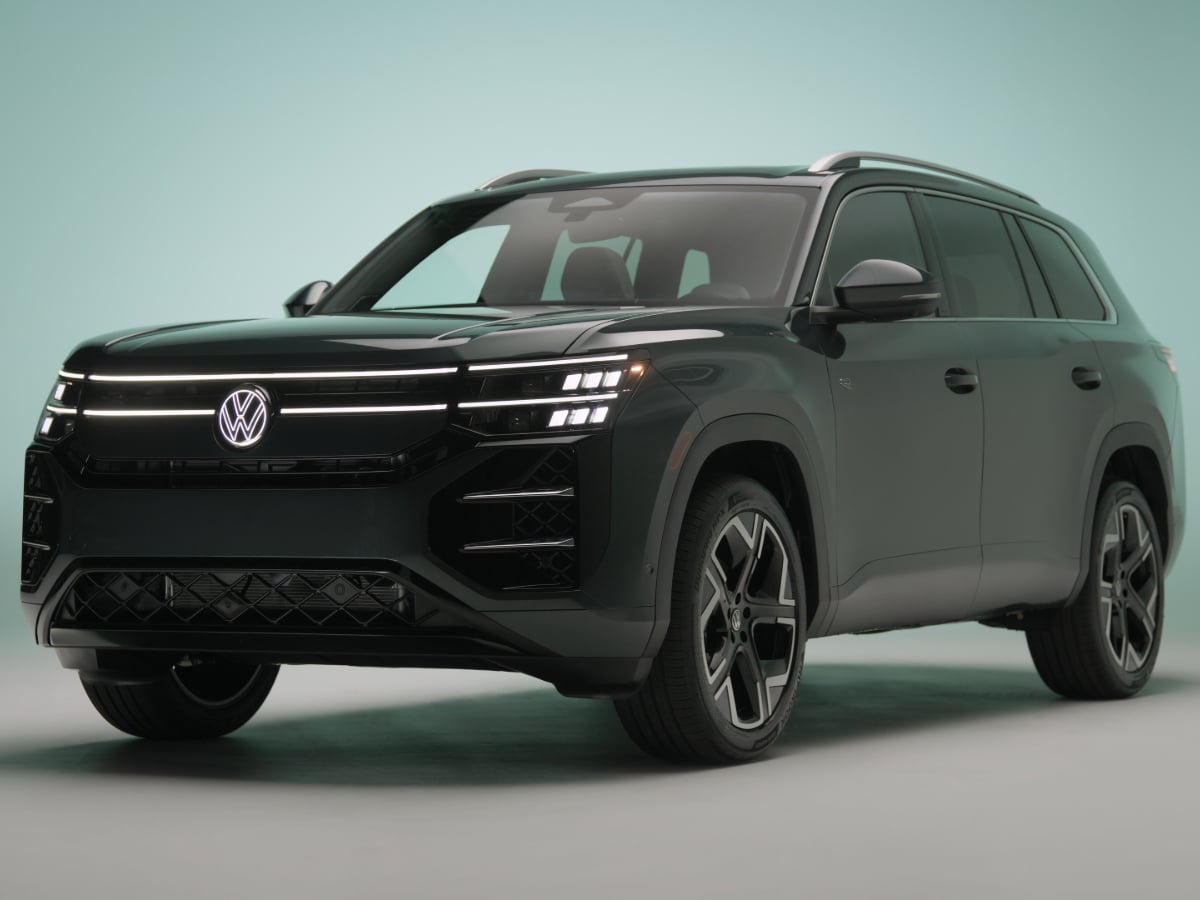
Adding European flair to the otherwise vanilla midsize three-row family SUV market, the redesigned 2027 Volkswagen Atlas debuts with a sharper exterior, an upgraded cabin, more power, and new ...See More
Read the Full Article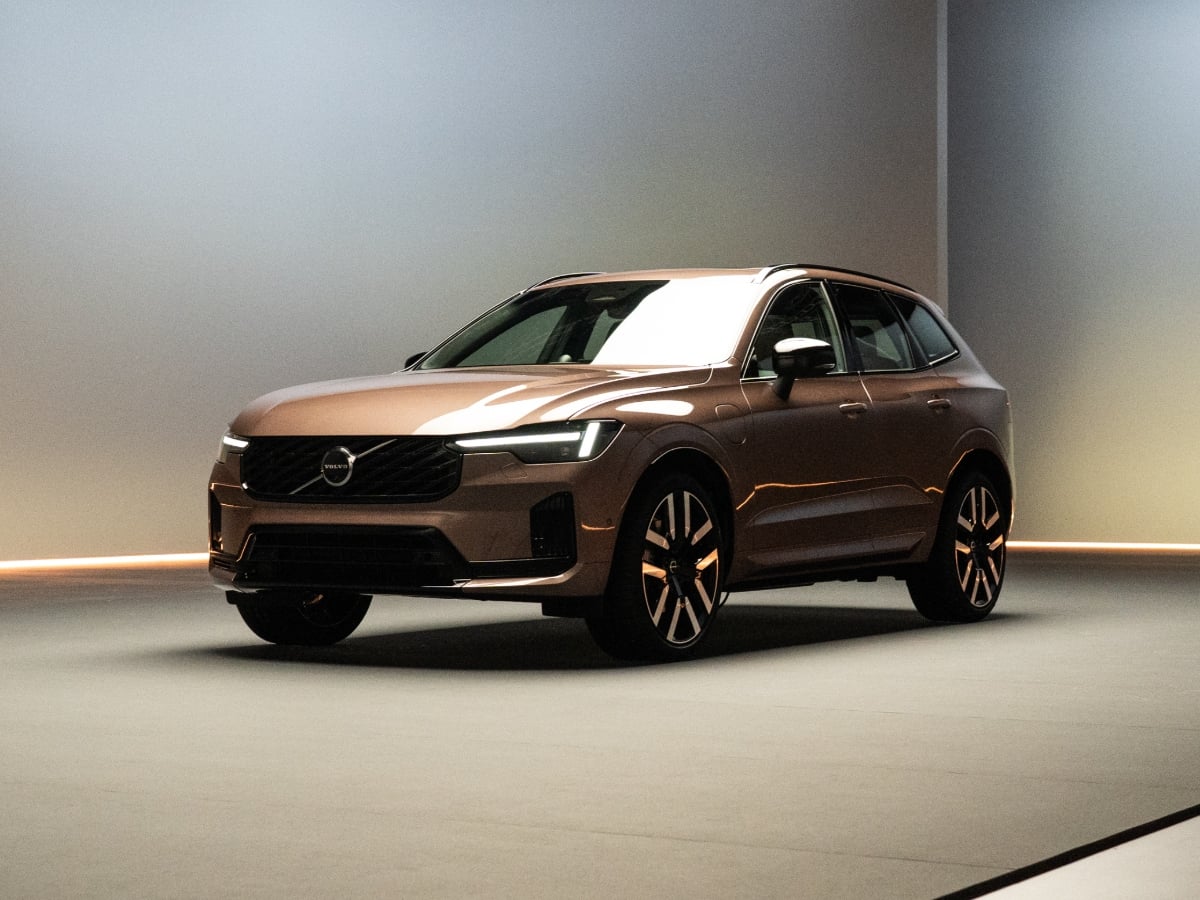
Though the styling stays largely the same, a massive boost in electric range for the plug-in hybrid (PHEV), plus a refined design, helps the 2028 Volvo XC60 stay current and desirable.
Read the Full Article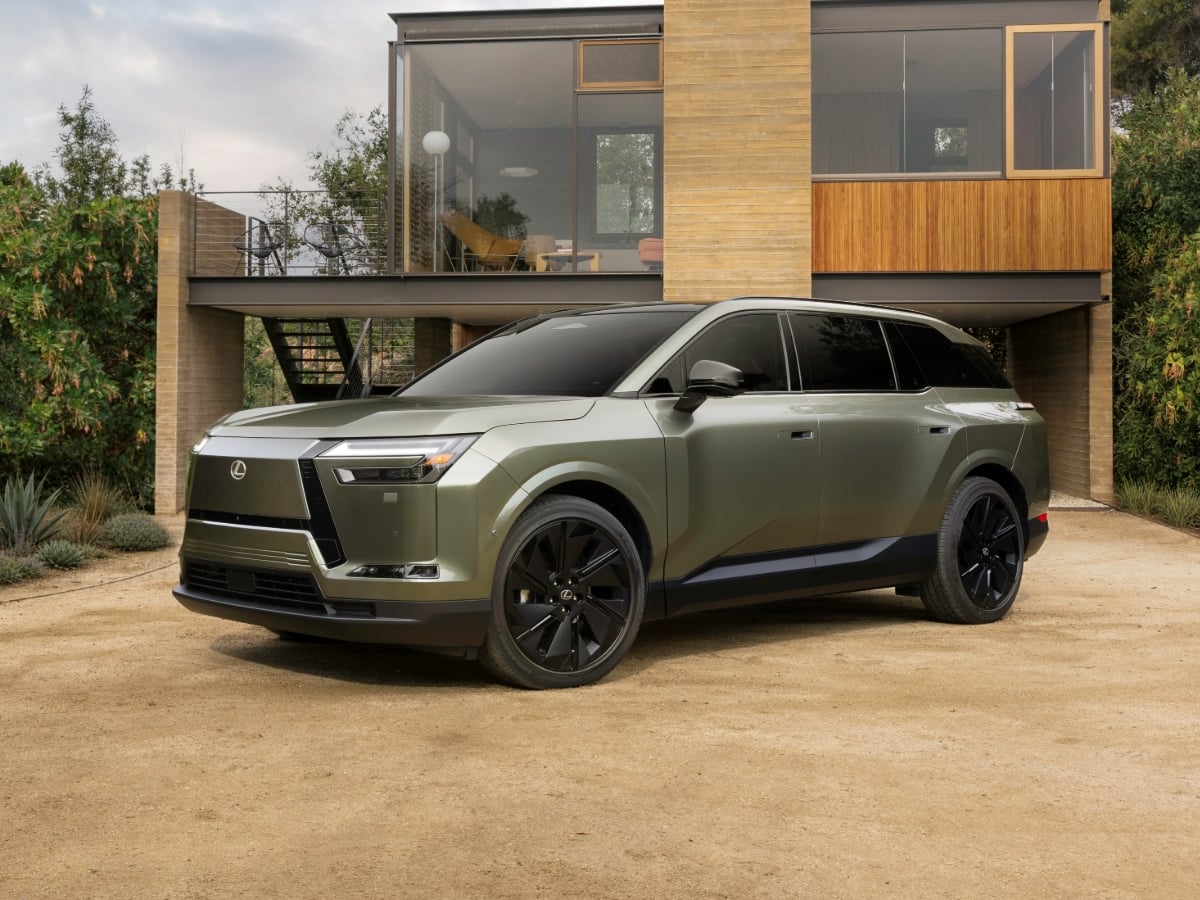
With the 2027 Lexus TZ, Toyota Motor’s luxury division introduces its first three-row all-electric SUV, featuring a lounge-inspired interior, an enhanced all-wheel drive (AWD) system, and up to 300 ...See More
Read the Full Article