
Many car owners overlook the significance of each component of their vehicle; an example is the serpentine belt. The serpentine belt is a vital component of a car. If it breaks, you might end up stranded on the road waiting for a tow truck. The serpentine belt is responsible for powering most of the engine's components. If the belt fails, the car may stop running, so it is crucial to keep up with regular inspections and maintenance to replace a worn-out belt. This article will explain what a Serpentine Belt is and how they function in a vehicle’s engine.
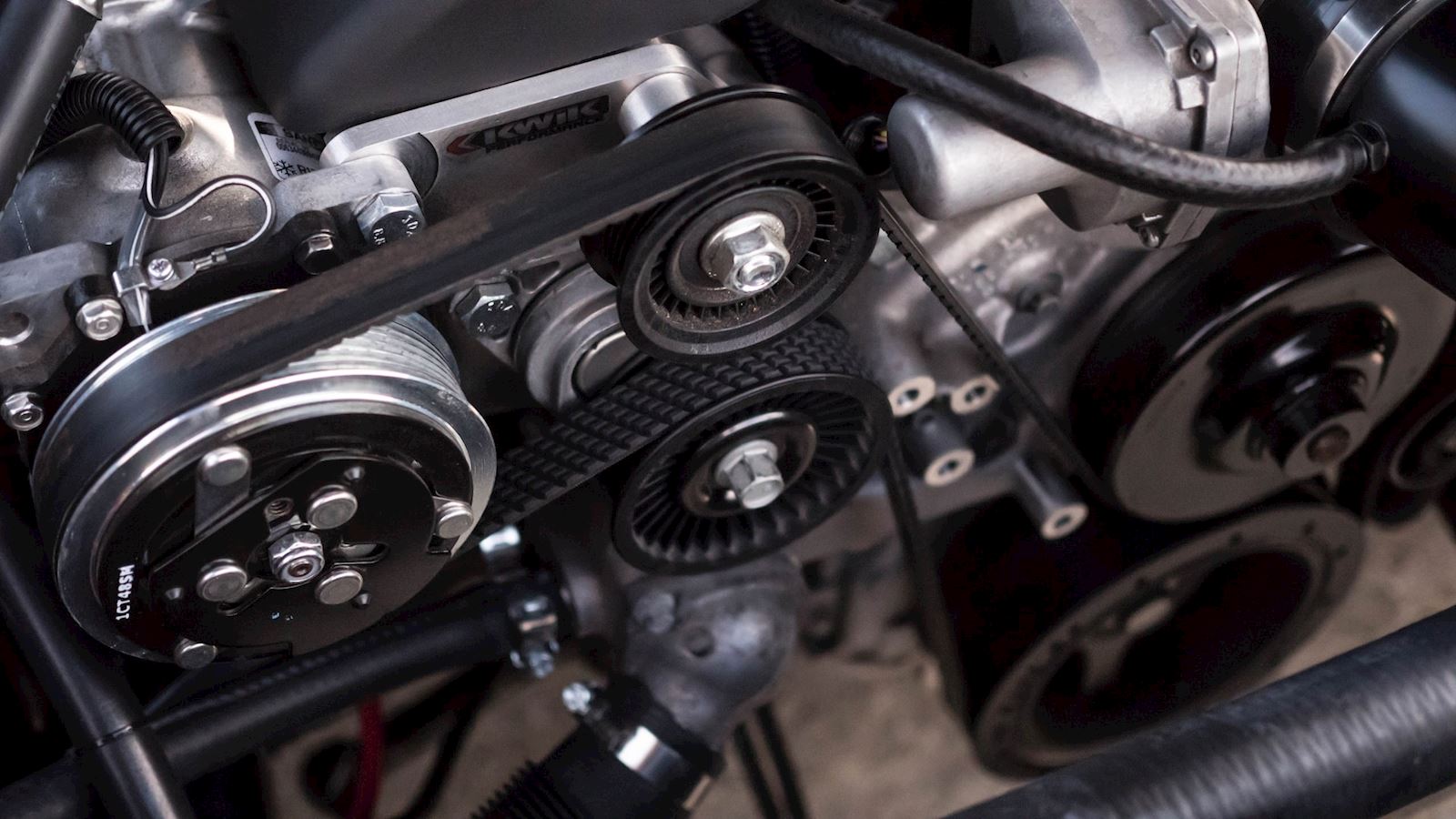
A serpentine belt, also known as a multi-rib or poly-v belt, is a drive belt that runs multiple components in a vehicle's engine. It is usually made of rubber, reinforced with fiberglass cords, and is shaped like a snake, hence the name. The serpentine belt appears in most cars' front of the engine block. The belt consists of multiple ribs designed to fit into grooves on the pulleys of the accessories and engine components. The strap provides a more efficient power transfer from the crankshaft to the features that need to be powered. The serpentine belt also helps reduce noise and vibration, allowing for more efficient packaging of parts in the engine compartment.
The serpentine belt, driven by the crankshaft pulley, is connected to the engine. From there, it wraps around multiple other pulleys that power different components in the engine, such as the alternator, air conditioning compressor, power steering pump, and water pump. The belt then wraps around the crankshaft pulley again, completing the route. The belt, designed to reduce wear and tear, ensures that all components receive the proper power. The serpentine belt employs an automatic tensioner that adjusts for tension changes due to temperature or engine load. The tensioner ensures all parts receive a consistent amount of power, which helps maintain the vehicle’s optimal performance.
A malfunctioning serpentine belt may result from various factors, including a worn belt or dry serpentine belt, a worn-out pulley or wrong pulley alignment, exposure to coolant, cold weather, and a misaligned belt due to improper installation.
The serpentine belt and timing belt are two automotive belts used to drive components such as the alternator, water pump, power steering pump, and air conditioning compressor. The serpentine belt is a single belt that runs around several pulleys and is used in modern engines to increase power and decrease size and weight. It is also more efficient, requiring less energy to turn the various components.
The serpentine belt is more reliable and efficient and is the belt of choice for most modern engines. However, the timing belt is a two-piece belt made up of teeth. It is used in older engines and is less efficient than the serpentine belt. It is more precise than a serpentine belt in that it turns the camshaft in sync with the crankshaft, allowing the valves to open and close at the right time. The serpentine belt is more reliable and efficient and is the belt of choice for most modern engines. The timing belt is more complicated and challenging to maintain and replace, so it is not used less often in newer cars.
As mentioned earlier, a serpentine belt may malfunction due to several reasons. A bad serpentine belt can exhibit a few signs indicating it needs to be changed or replaced. Common symptoms of a malfunctioning serpentine belt include,
The most common symptom is a loud noise from the engine bay. If the belt is slipping or worn, it can create a squealing sound easily noticeable when the engine is running.
If the serpentine belt fails and breaks, you will notice a loss of power steering, air conditioning not working, and the engine will no longer be able to be cooled. If the power steering fails when moving, it could cause serious safety issues.
Since the serpentine belt helps provide power to cool the engine, a failing belt can cause your engine to overheat as the water pump will not turn. As soon as your engine starts overheating, have it inspected by a mechanic because it can lead to a breakdown and cause damage to your engine if it is left to keep overheating.
Check for cracks, missing chunks, abrasions, rib separation, uneven rib wear, and damaged ribs. If you notice these, it is time to replace your serpentine belt.
Visual inspection is a great way to spot a bad serpentine belt. Look for cracks, fraying, swelling, or other irregularities. If these signs of a bad serpentine belt are present, it’s time to replace it. A new belt can help restore your vehicle's performance.
Replacing a serpentine belt should be done every 60,000 to 100,000 miles, depending on the make and model of the vehicle. It is essential to replace the belt before it breaks, as it can cause several mechanical failures and leave you stranded on the side of the road. It is highly recommendable to replace the pulley or tensioner at the same time as the belt to ensure optimal performance and extend the life of your car.
A serpentine belt is a drive belt that runs multiple components in a vehicle's engine. The serpentine belt employs an automatic tensioner that adjusts tension changes due to temperature or engine load. It is essential to replace the belt before it breaks.



The new 2027 BMW i3 boasts an estimated range of up to 440 miles, 400-kilowatt DC fast charging capability, bidirectional charging to a home or the grid, and next-generation technology.
Read the Full Article
Facing renewed competition in the full-size, light duty pickup truck segment, the 2027 Ford F-150 receives subtle styling updates, a new standard engine, broader availability of its 5.0-liter V8, and ...See More
Read the Full Article
The 2027 Civic Type R goes on sale in October 2026, and it starts at $49,990, including the $1,295 destination charge.
Read the Full Article
Part of BMW’s Neue Klasse (new class) rollout of redesigned models, the 2027 BMW 3 Series is all-new and goes on sale in the first quarter of 2027.
Read the Full Article