
In automotive design, it's all about proportions. Since mass-produced cars first emerged in the early 1900s, an often-overlooked measurement that influences a vehicle's aesthetic appeal and function is the "dash-to-axle" ratio. This metric helps determine a car's overall proportions and drivability.

The dash-to-axle ratio represents the distance between a car's front axle and its windshield base (the most forward part of its dashboard) compared to the distance between the front axle and rear axle. Essentially, this ratio measures how far the dashboard is from the front axle compared to the overall wheelbase.
To visualize this, draw a line from the center of the car's front axle to the base of the windshield. The other line runs from the same front axle to the center of the rear axle. The dash-to-axle ratio is the comparison of these two distances. This key proportion is essential for automotive designers and engineers in their envisioning, planning, and execution of an automobile.
The dash-to-axle ratio plays a vital role in defining the visual appearance of a car. It influences how the vehicle's proportions appear to the observer, affecting its overall style and appeal.
Vehicles with a high dash-to-axle ratio, meaning a considerable distance between the front axle and the windshield, have a longer, more pronounced hood. This creates a sleeker, more elegant look, commonly seen in luxury sedans, GT-style sports sedans, and low-slung performance-oriented models.
Conversely, a short dash-to-axle ratio, with the windshield positioned closer to the front axle, can result in a more compact and upright look. Designers frequently apply this to vehicles intended for maneuverability, such as city cars or off-road vehicles, which benefit from a shorter wheelbase and a higher center of gravity.
When hybrid and electric vehicles first came out, most of them leaned in the direction of a shorter dash-to-axle ratio. As these vehicles have become more mainstream, many—especially those in the luxury sedan, large SUV, or performance categories—feature a longer dash-to-axle-based design.
Beyond aesthetics, the dash-to-axle ratio has practical implications for a vehicle's engineering and driving dynamics.
Cars with real-wheel-drive (RWD) powertrains typically have longer dash-to-axle ratios than front-wheel-drive (FWD) cars. This is because automakers typically mount the engine longitudinally in RWD cars. In comparison, FWD cars have shorter dash-to-axle ratios because of the engine's location, packaging, and transverse configuration. The powertrain and drivetrain layout determines the space needed at the front of the vehicle.
Also, cars with an extended front end may offer a more comfortable and compliant ride and handling experience. The longer proportion can also benefit performance cars, where balance and stability are essential for high-speed driving.
On the other hand, vehicles with a shorter dash-to-axle ratio are often better suited for a quick turning radius and the responsiveness needed in city driving. A more compact front end results in a car that may be easier to weave in and out of narrow roadways and stoplight traffic, where maneuverability is valued. This characteristic also aids in parking in urban environments.
A less-considered aspect of the dash-to-axle ratio is its relationship to safety as it pertains to frontal crashes.
Generally speaking, the longer the front end of the car, the greater the area available for the vehicle's structural components to absorb energy during an impact. Longer vehicles, such as large sedans and SUVs, often have more pronounced crumple zones, thanks to a longer dash-to-axle ratio. This helps reduce the forces transferred to the passenger cabin in an accident.
Vehicles with a short dash-to-axle ratio don't have the same advantage. They may need additional safety features such as reinforced structures and energy-absorbing materials to compensate for the shorter distance between the point of impact in a frontal crash and the occupant compartment.
The dash-to-axle ratio is a vital consideration in automotive design, influencing not just the appearance of the vehicle but also its performance and safety features. No matter what kind of car you're driving, the dash-to-axle ratio plays a key role in shaping how it looks and drives.
To learn more about various automotive topics, visit the Shopping Guides section of the website.
Jessica Shea Choksey is an experienced writer in the automotive field. In addition to JDPower.com, she was a correspondent for PBS's MotorWeek, and her work has appeared on Autotrader.


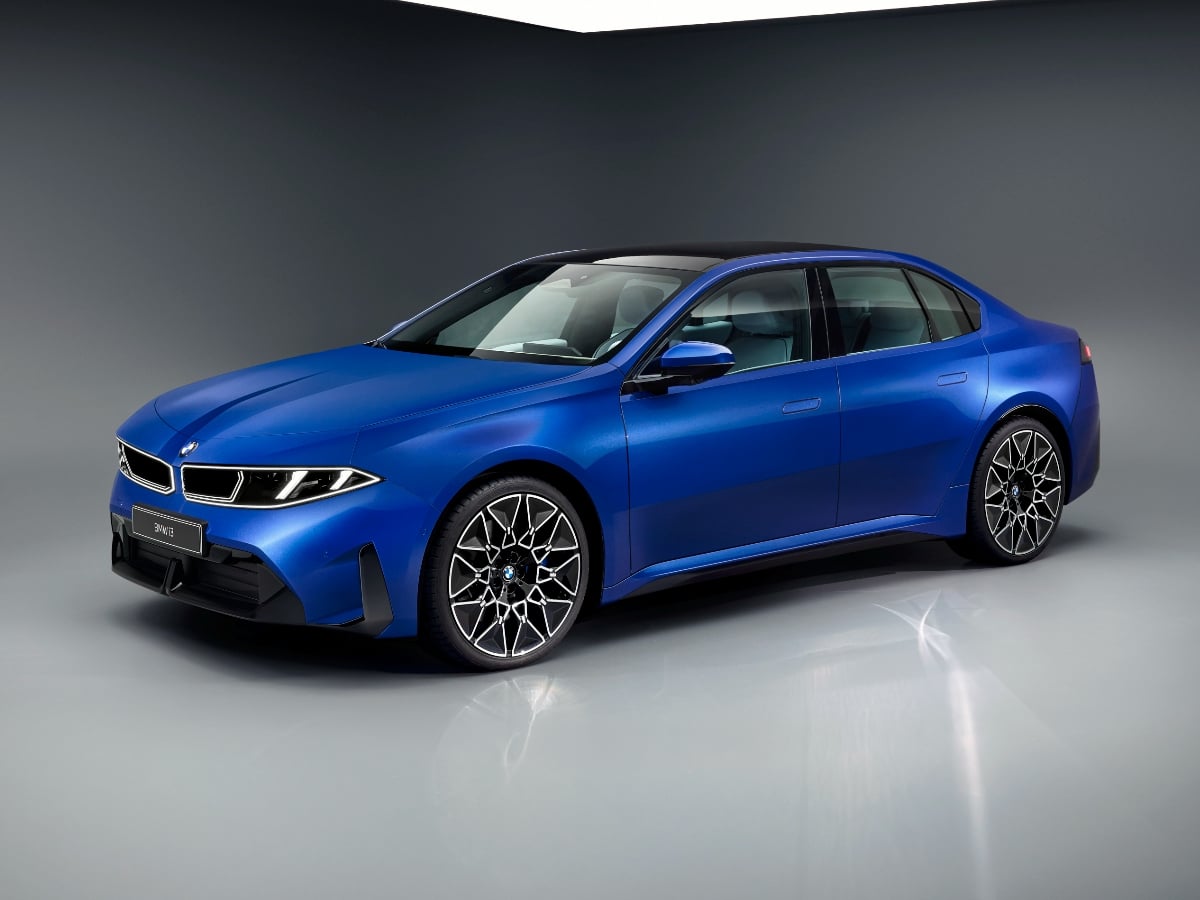
The new 2027 BMW i3 boasts an estimated range of up to 440 miles, 400-kilowatt DC fast charging capability, bidirectional charging to a home or the grid, and next-generation technology.
Read the Full Article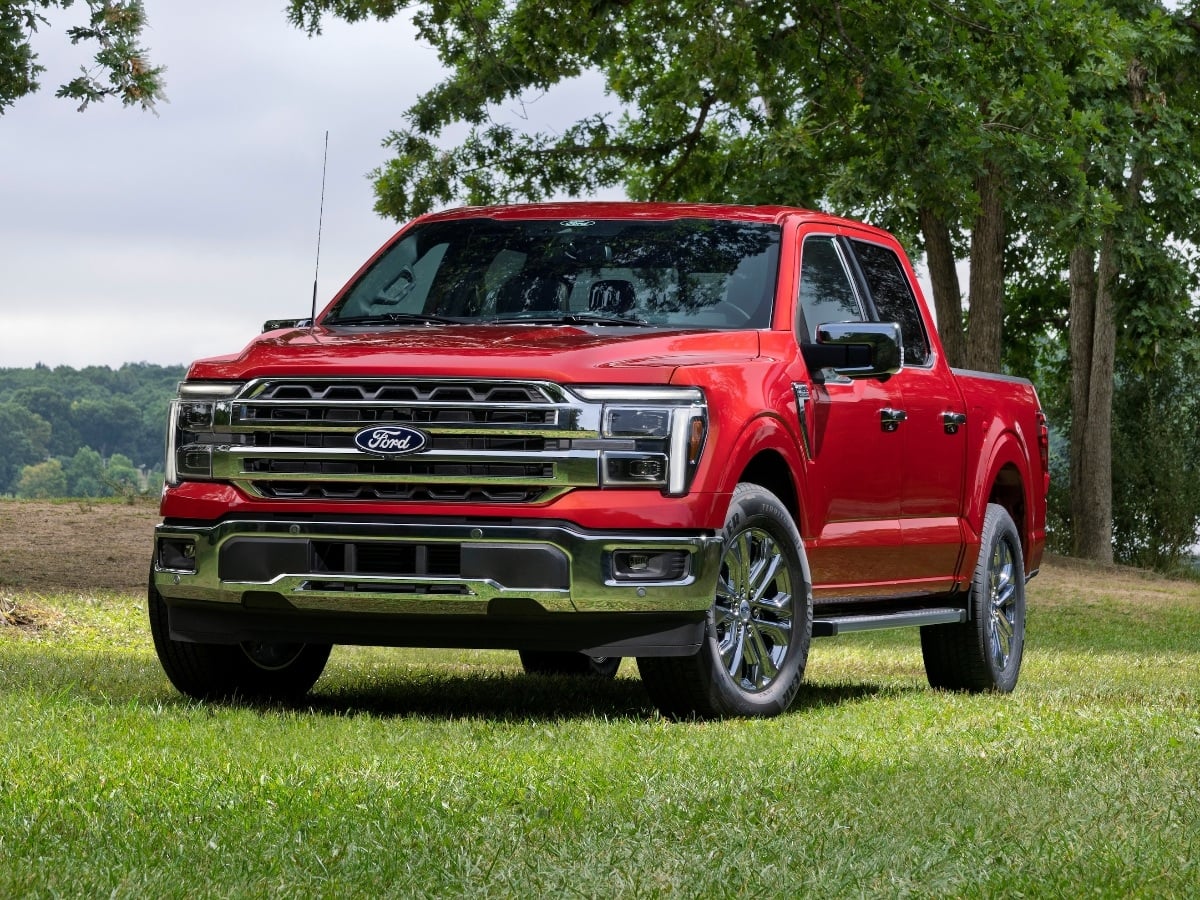
Facing renewed competition in the full-size, light duty pickup truck segment, the 2027 Ford F-150 receives subtle styling updates, a new standard engine, broader availability of its 5.0-liter V8, and ...See More
Read the Full Article
The 2027 Civic Type R goes on sale in October 2026, and it starts at $49,990, including the $1,295 destination charge.
Read the Full Article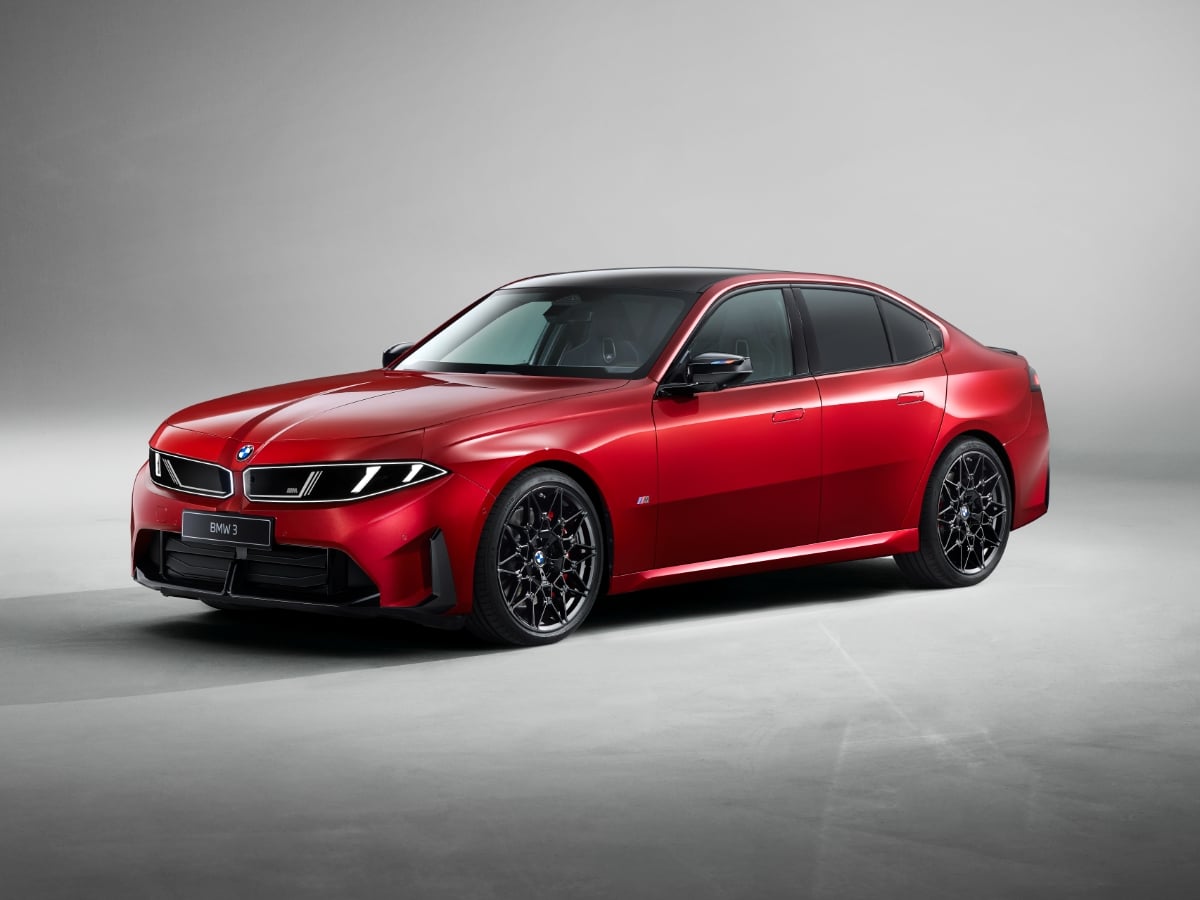
Part of BMW’s Neue Klasse (new class) rollout of redesigned models, the 2027 BMW 3 Series is all-new and goes on sale in the first quarter of 2027.
Read the Full Article