
Any owner knows that safety on the road is quite essential. You must strictly obey traffic laws and try not to cause any road accidents. But that’s, unfortunately, not always possible, as other drivers can make mistakes or deliberately go for violations.

That often leads to car crashes, numerous auto shop visits, or you outright selling your car. The latter, however, only occurs when the vehicle is practically totaled, and it would cost significantly more to repair it. A specific term is used to refer to such cars.
A write-off is this term, and it refers to vehicles that were so damaged that you’re unable to drive them anymore. It renders the car unusable, even though that’s not always the case. Sometimes disreputable insurers reduce the amount of damage payable to the insured person if the car won’t be restored.
As a rule, an insurance company decides to write off a vehicle if the repair cost exceeds 50% of its market value, meaning even minor damage can result in a write-off. When this happens, the owner receives the market value but doesn’t get the car back. There are four write-off categories: Cat A, Cat B, Cat S, and Cat N (previously Cat A, Cat B, Cat C, and Cat D).
Sometimes, insurance companies recognize the structural destruction of a car for their benefit and not because of the vehicle’s technical condition. Each insurance company decides in which cases it is possible to recognize overall damage. However, the rules of most companies state that a total write-off occurs in the following circumstances:
In essence, both scenarios described reference the same thing, as 40-50% of the sum insured won’t cover the repair costs, especially if the vehicle is almost totaled.
Category A refers to cars with the most damage that received a complete write-off and must be destroyed. You can’t even dismantle such vehicles for parts. Usually, automobiles get into Category A when they are fire-damaged (burnt-out), flood-damaged (contaminated or salt water), severely damaged with no serviceable parts, or heavily stripped (shell).
Like in all other cases, a certificate of destruction is required. It proves that a vehicle has been disposed of correctly (having been handled by a registered ATF) and that it is no longer on the road. Most importantly to the owner, it proves they are no longer responsible for the car.
In insurance terms, Category B is when a car has been written off, damaged beyond economical repair, and/or received severe structural damage, but its parts may be reused. The shell itself, in this case, is subject to destruction as it cannot be used again. If you salvage the automobile, there’s money to be made. However, you still require a certificate of destruction. What Is Cat S?
Category S refers to written-off vehicles, the repair costs for which exceed the former market value. But it can still be repaired to make it roadworthy or sold for repair. Such cars usually receive structural damage, with chassis and crumple zone getting the brunt.
The vehicle must pass an inspection by an accredited engineer. Depending on the parts used to carry out repairs, a state agency may issue a new registration number for the car.
“N” basically means non-structural damage, indicating the vehicle is repairable and that repair costs will never exceed its market value. The damage is always less than category C. You may need to replace the bumpers, roof panel, electrics, engine, and seats. Often such parts as new wings are needed with very little damage.
The insurer's decision to declare your car a Category A often leads to some pushback. And it’s not surprising, especially if the vehicle is still in working order after the accident. In addition, insurance company managers often overestimate the cost of repairs to get a damaged car.
To be entirely sure that repair costs were overestimated, you should contact one of the official dealers of the needed car brand. It would also be great if they didn’t cooperate with the insurance company in which the policy is issued. The dealer service station specialists will determine the repair cost per the manufacturer's repair technology.
It’s also a good idea to try out independent experts. Their opinion and the opinion of the dealership service station specialists will help to objectively evaluate the validity of the insurer's decision to recognize the constructive damage to the car. You should go to court if you are convinced that the insurance company is trying to cheat you.
Insurance companies may try to write off your car when you get in an accident, and your car receives a certain amount of damage. They will inspect the automobile and, according to certain criteria, will assign one of the four categories to it, with the worst one being A.
If your vehicle receives Cat A, you could dry to appeal the decision in court. You must contact a dealership service center with no ties to the insurance company and get an independent expert’s opinion. When that’s done, you should be ready to make your case.


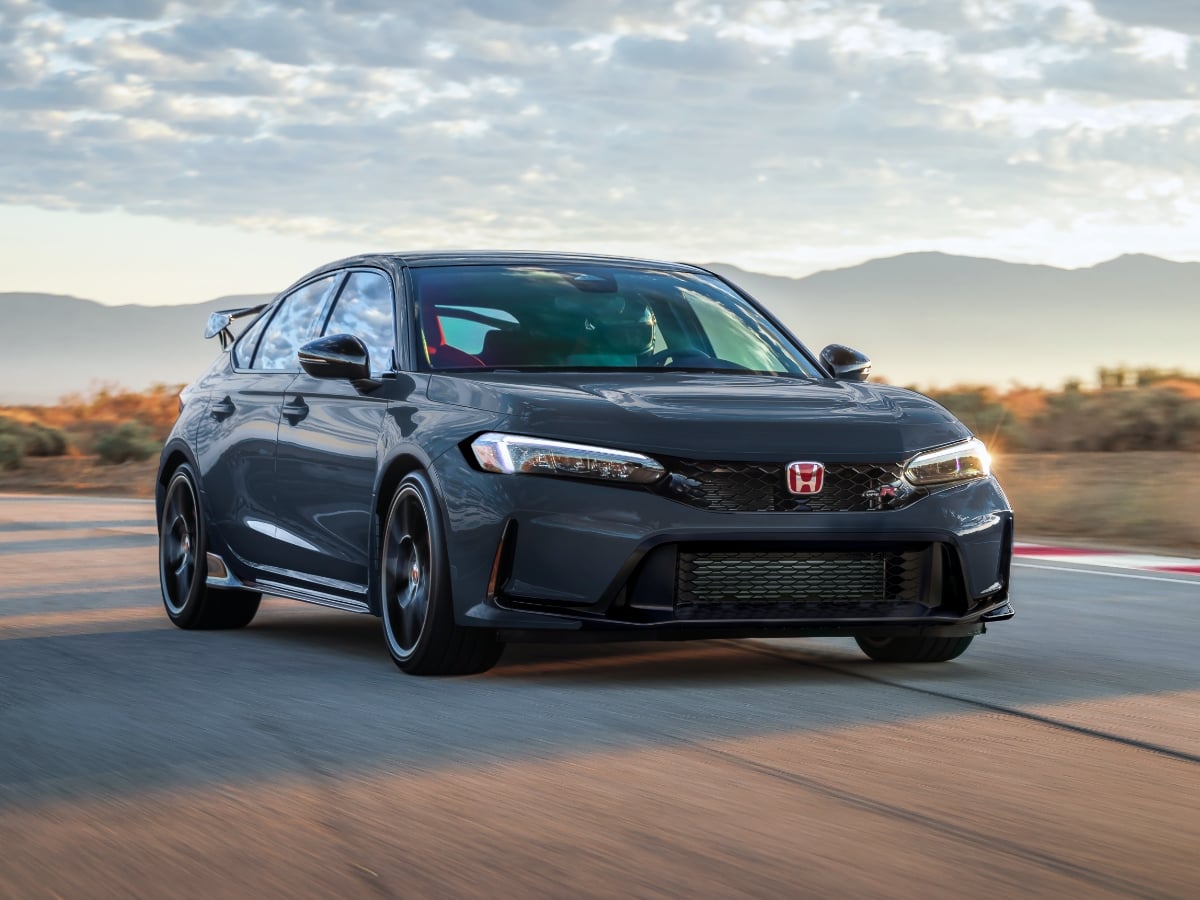
The 2027 Civic Type R goes on sale in October 2026, and it starts at $49,990, including the $1,295 destination charge.
Read the Full Article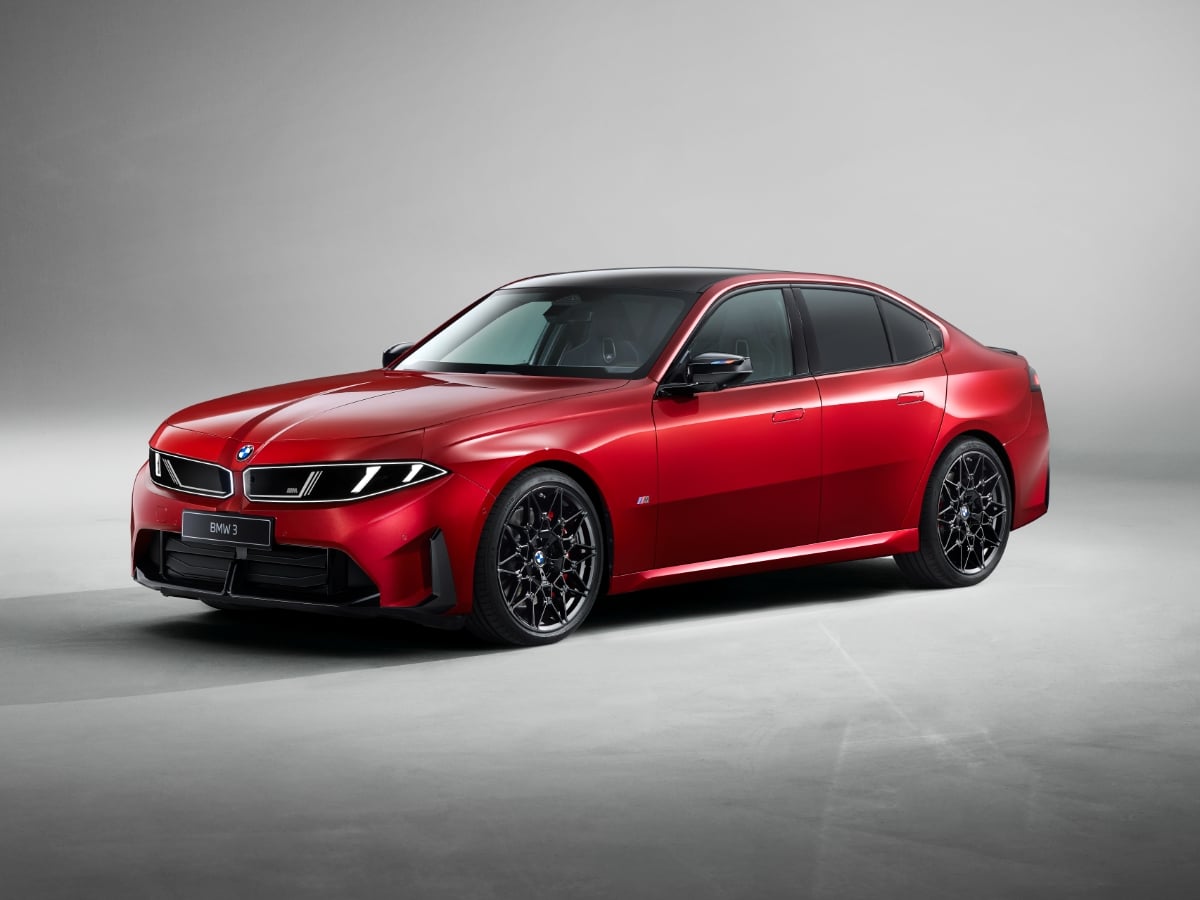
Part of BMW’s Neue Klasse (new class) rollout of redesigned models, the 2027 BMW 3 Series is all-new and goes on sale in the first quarter of 2027.
Read the Full Article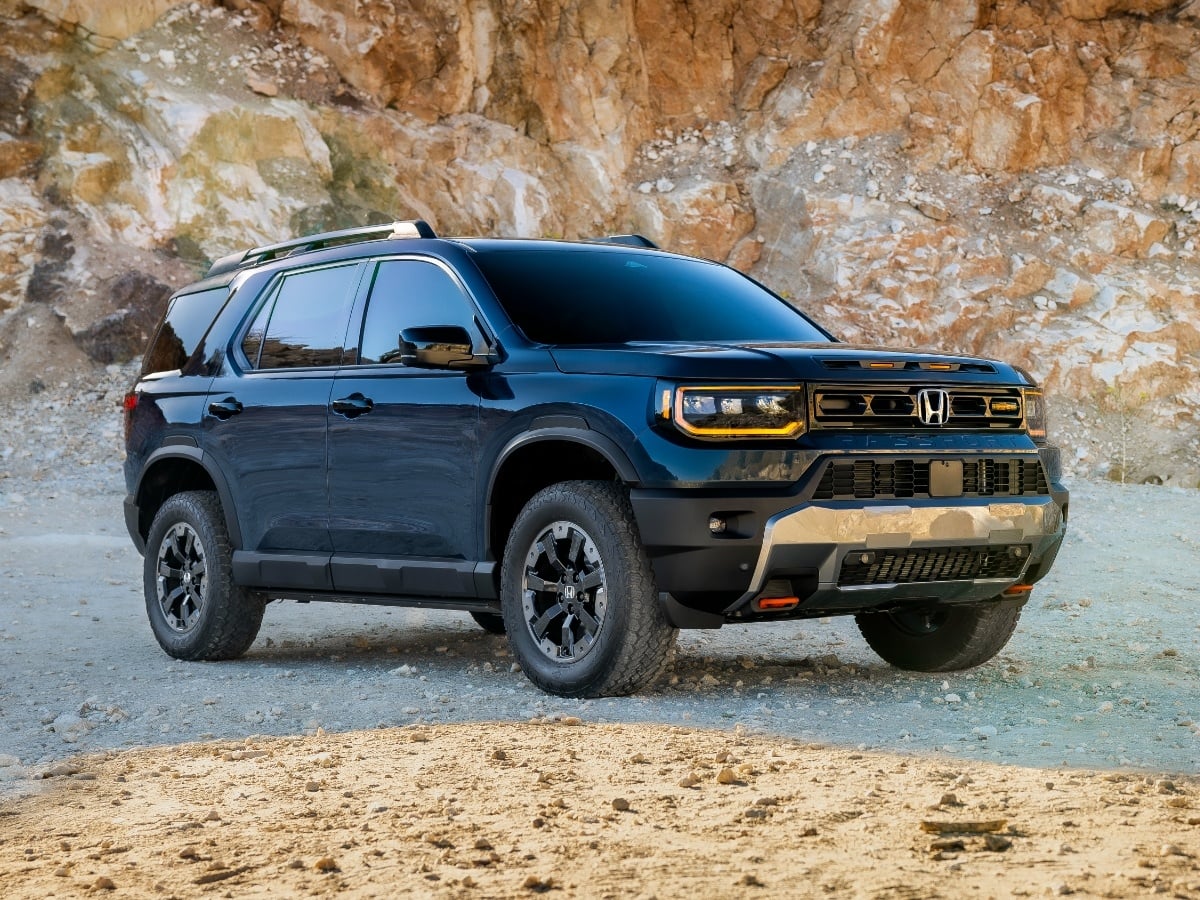
Updates to the 2027 Honda Passport TrailSport include a reworked suspension, improved steering, subtle styling enhancements, and added standard equipment.
Read the Full Article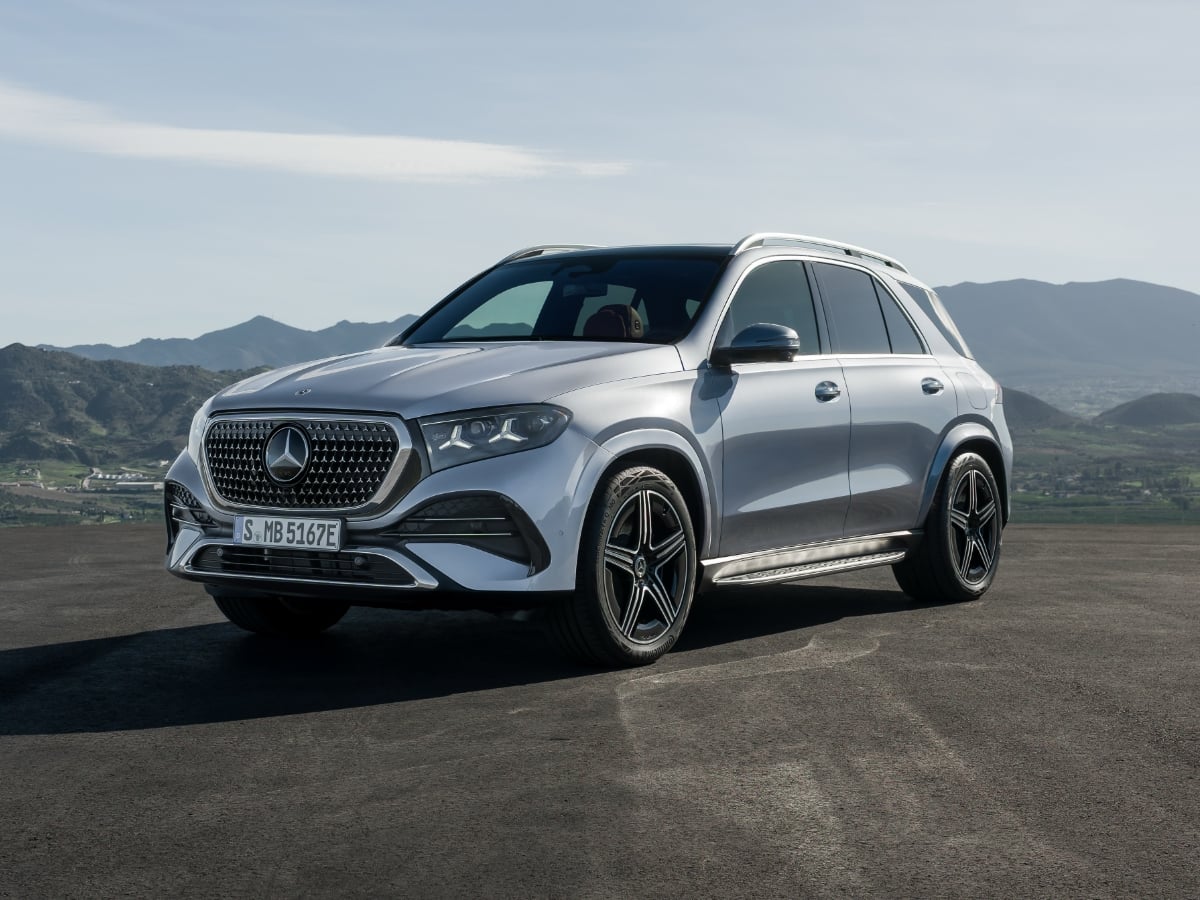
The midsize 2027 Mercedes GLE remains available in original and spicy Coupe recipes, now with standard 4Matic all-wheel drive (AWD), MBUX Superscreen technology, and a panoramic glass sunroof for ...See More
Read the Full Article