
Following traffic rules is always a good idea. You don’t get in trouble with the police and avoid getting tickets for minor violations. But it’s not always possible to drop the speed in time due to sign placement or other external and internal factors, all of which may lead to you getting a ticket because a police car was lying in wait behind a bush.

You can come prepared for that and purchase a radar detector. However, the police use specific bands, and such devices aren’t legal in every state. So, let’s get into the topic and figure things out.
Ka is a microwave band in the 26.5 to 40 gigahertz (GHz) range, with frequencies somewhat north of one centimeter and 7.5 millimeters. It finds its uses in speed identification, satellite-based correspondence, and microwave foundation tests.
That’s the primary band the police use, and radar gun manufacturers have been producing Ka-band hardware since the 1990s. Generally, radar technologies work on three bands: Ka, K, and X, with the first one being the most convenient to use.
There are a couple of reasons many devices use Ka-bands. Firstly, radio communication dramatically benefits from them due to the constant need for increasing data rates. Primarily due to higher bandwidth and less congestion. Then, as human mobility grows, it becomes more difficult for satellite service providers to maintain global connectivity. Because of their tremendous throughput, these bands are easily compatible with fixed and mobile satellite systems, helping to increase the overall reach.
However, the problem with devices that support Ka-bands is their manufacturing costs. This band technology is relatively recent, and it’s challenging to mass-manufacture such hardware. Because of this, some police departments still use X-band or K-band radar gun detectors. Another relevant problem is that Ka-band devices depend heavily on the weather; when it rains, you’re bound to have issues with them working correctly.
But the most important thing overall is that Ka-bands are highly effective, especially when it comes to radar detectors. And even though the technology is expensive, these bands can quickly point out a vehicle going over the speed limit.
When buying radar detectors, you should only pay attention to what bands they detect and customer reviews. You want a reliable device to pick up all the bands mentioned above. Depending on the detector you choose, the prices may go up to around 900$ or stay at the mid-range, close to 400$.
After installing, all you need to do is drive around and test things out. If the detector picks up a Ka-band during one of your trips, it’s most certainly a police vehicle “laying ambush” nearby, and you need to slow down to avoid getting a ticket. The same applies to K- and X-bands, and even though radar detectors supporting just them are old, it’s best to be careful.
But the ultimate question is, can the police know you’re using a radar detector? Well, they certainly can, and most such devices can be detected by the officers 1km away. Due to this, it’s best to check state laws and regulations to see if driving around with detectors is legal, as some states have banned citizens from using them. And although you could use stealth detectors in such a scenario, there’s no telling what repercussions there’d be for you doing that.
Ka-band detectors are the latest technology, and most, if not all, police departments use them. You may occasionally run into officers who use older radar guns, but this is sure to happen rarely. There are five unique frequencies that the Ka-bands can work on, plus they’re highly convenient to use and provide various benefits. So, when picking a radar detector, it’s best to ensure it detects K-, X- and Ka-bands to avoid getting a ticket.
The police can reliably know if you’re using a detector or not and, in most cases, can tell when your vehicle is 1 km away. Because of that, and the fact that detectors aren’t legal to use in some states, it’s best to avoid getting into trouble and check all relevant legislation. And even though there are ways around it, such as using stealth detectors, you shouldn’t go against the law.


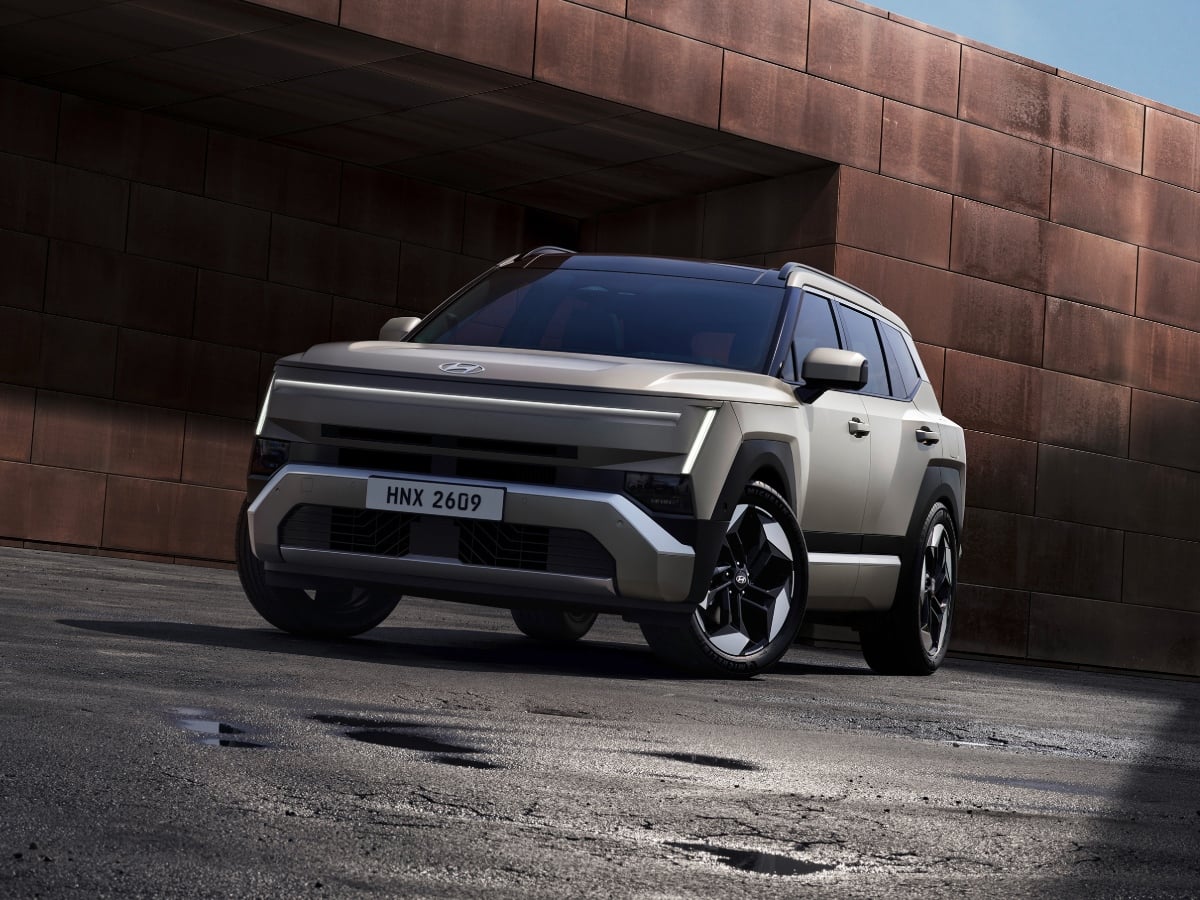
With a purposeful new design and some trail-ready upgrades, the 2027 Hyundai Tucson is pushing the brand's best-selling crossover SUV into more aggressive territory.
Read the Full Article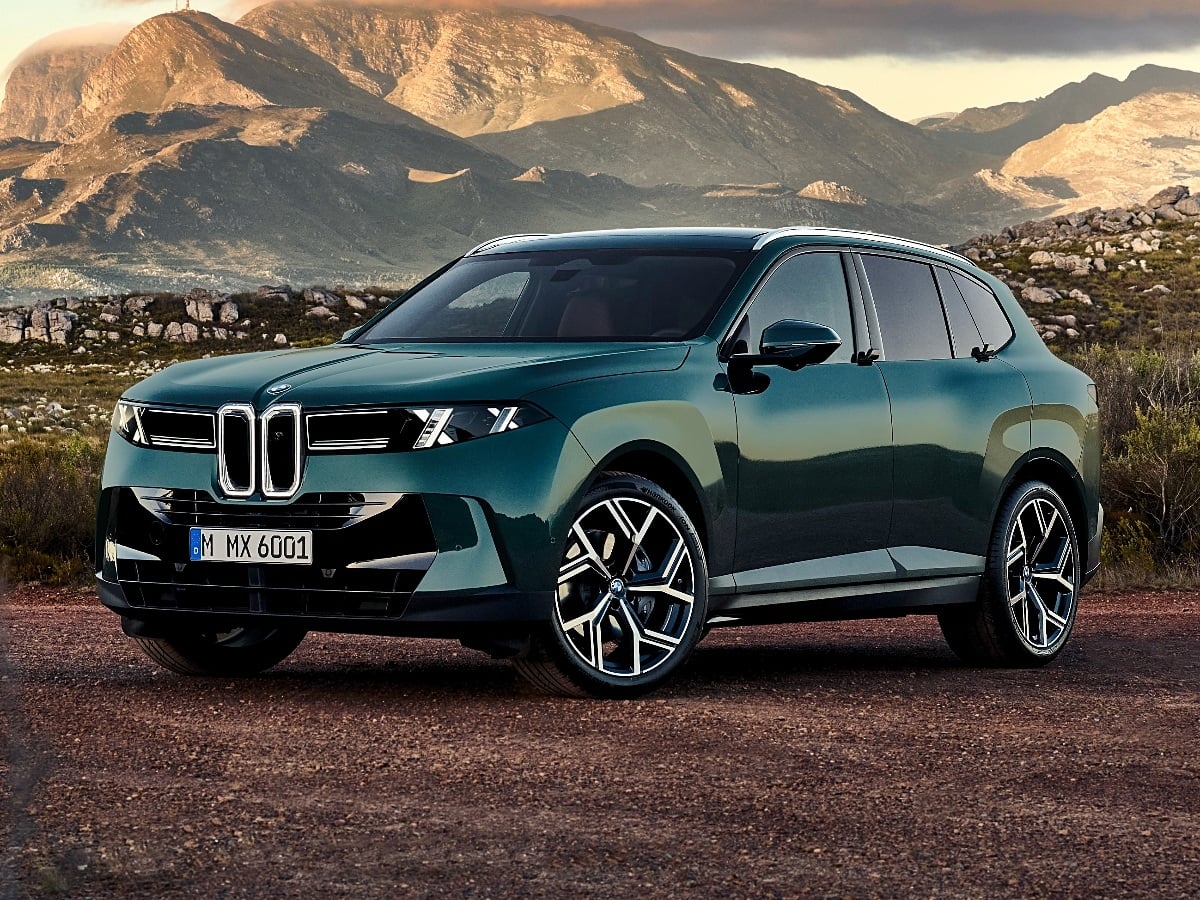
For more than 25 years, the BMW X5 has helped to define the luxury SUV segment. Now, the redesigned fifth-generation 2027 BMW X5 arrives with the automaker’s Neue Klasse styling, a roomier interior, ...See More
Read the Full Article
One of Lexus's most popular models, the NX crossover SUV is also one of the most affordable in the company’s lineup. The 2027 Lexus NX transitions to hybrid-only powertrains, and gets revised ...See More
Read the Full Article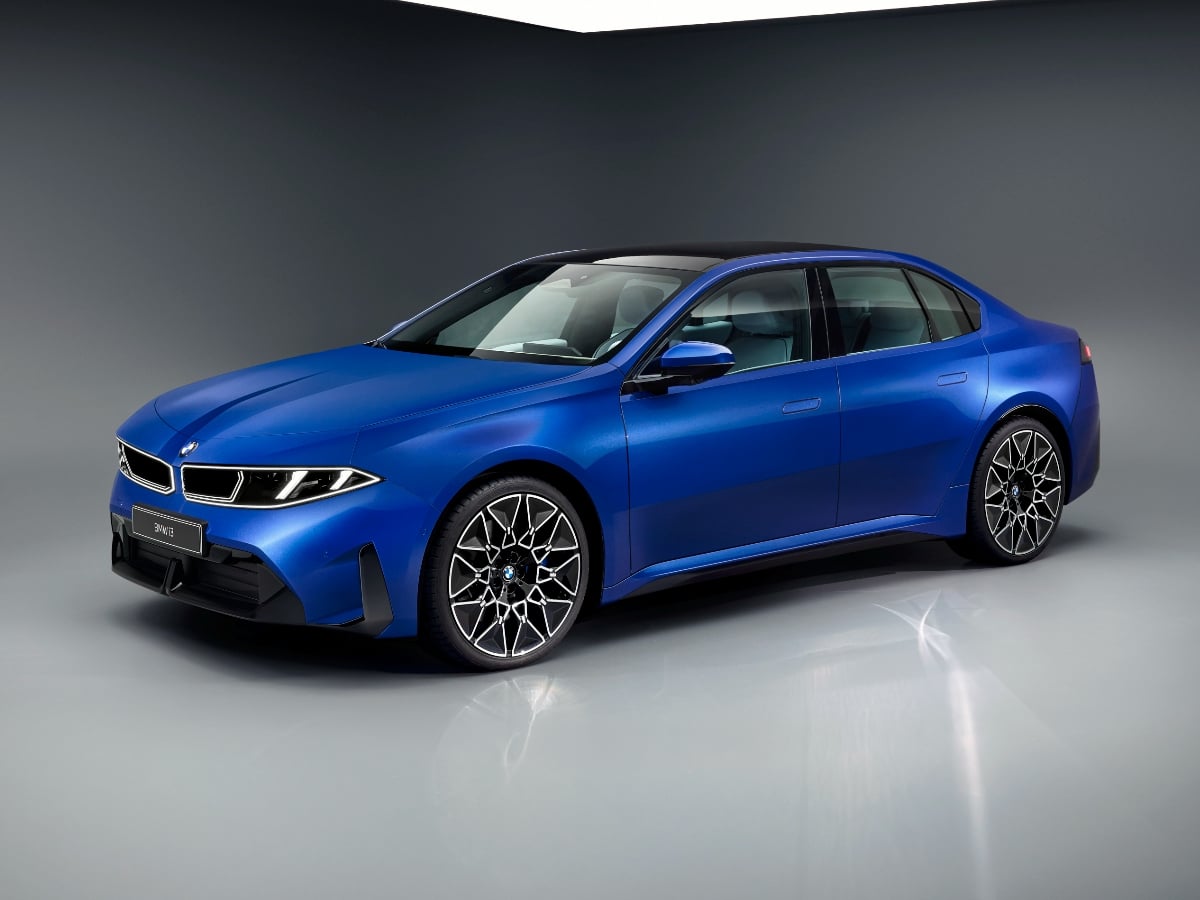
The new 2027 BMW i3 boasts an estimated range of up to 440 miles, 400-kilowatt DC fast charging capability, bidirectional charging to a home or the grid, and next-generation technology.
Read the Full Article