
When driving a car with an automatic transmission, owners may encounter various problems with the engine control system. The most common one is the U0100 error. What does it mean, and what are its most common causes? Let’s find out.
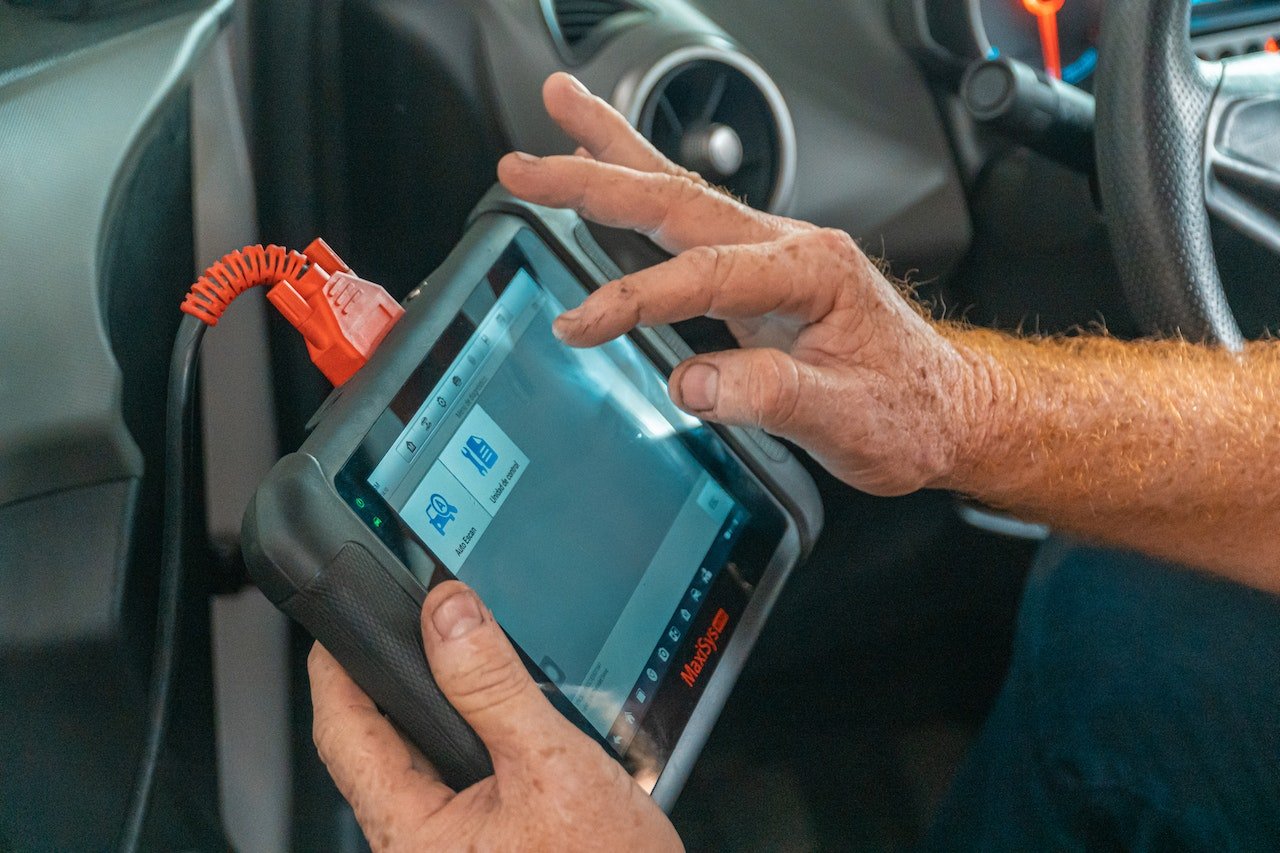
U0100 stands for “Lost Communication with ECM/PCM.”
The Engine Control Module (ECM) is the computer responsible for controlling the engine. The ECM communicates with other vehicle control units via a communication bus. This bus, called the Controller Area Network (CAN), allows all modules to communicate.
There are two CAN buses: CAN high and CAN low. CAN high has a high data rate of 500k bps. CAN low data rate is 125k bps. Physically, it is a shielded twisted pair. There is a terminating resistor at the end of each data channel. The control units communicate with each other via the CAN bus. Error code U0100 means the PCM cannot send or receive communication signals via the CAN bus.
DTC U0100 code usually comes up due to the following:
Occasionally, error U0100 may pop up because of a discharged or faulty battery. Clear the error and see if the code returns. If it does, the next step is visually inspecting the wiring. An experienced technician can visually detect if the wires are in a bad state or if the contact is missing. If you or the specialist find the source, everything will be corrected, and the error code won’t appear again. But even if that doesn’t help, maintenance bulletins (TSBs) are next on the list. The TSBs are the vehicle manufacturer's recommended diagnostic and repair procedures. Finding the appropriate bulletin can significantly reduce diagnostic time.
Make sure the battery is at full capacity before proceeding to do any diagnosing. The functioning of the engine control unit requires an appropriate power supply. If necessary, charge or replace the battery.
If related error codes are stored for several different units, the problem is likely related to the engine control unit and the CAN bus. In this case, the CAN bus line needs to be checked for ground and power short circuits. The continuity check is done through the diagnostic port using a digital multimeter (DMM). Connecting a multimeter to the CAN high and CAN low terminals of the diagnostic port can detect open circuits, shorts, and high resistance in the CAN bus.
There are two termination resistors at each end of the CAN bus. If one of them fails, the bus will continue to work. However, if they both fail, the bus will shut down. The resistor integrity can be checked by measuring its resistance with a digital multimeter (set to measure the circuit resistance) connected to the diagnostic port. The standard reading should be about 60 ohms.
The ODB II diagnostic scanner is used to diagnose the engine control unit. The scan tool connects to the vehicle's diagnostic port. Once connected to the vehicle, the scan tool becomes another module in the network and communicates over the network.
If the ECM is not responding to the scan tool, the cause should be investigated more thoroughly. The control module wiring must be completely checked before claiming the unit is faulty. A digital multimeter is used to check the continuity of the wiring and the control unit. If an open or short circuit is detected in the circuit, the problem must be corrected.
If all indications are that the ECM is malfunctioning, check the ECM software before replacing it. In some cases, updating the ECM firmware will make it work correctly. The ECM must be replaced if this does not produce any results.
U0100 is an error that occurs under particular circumstances. If it pops up, you should diagnose or troubleshoot with the ignition on. You must also ensure the voltage in the onboard network is sufficient and that all vital blocks have the same configuration.
When you’ve set everything up, use the information we gave you, and you should be able to pinpoint the root cause in no time!


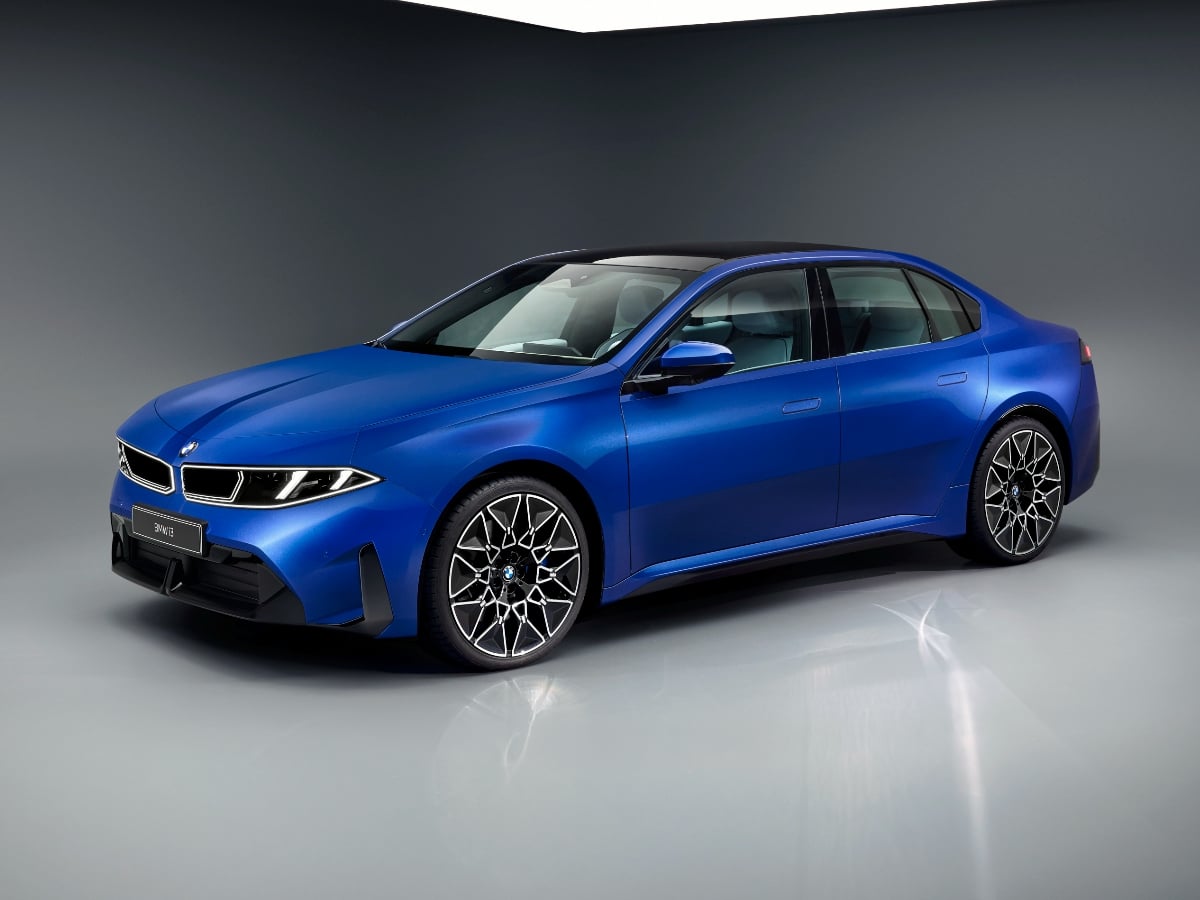
The new 2027 BMW i3 boasts an estimated range of up to 440 miles, 400-kilowatt DC fast charging capability, bidirectional charging to a home or the grid, and next-generation technology.
Read the Full Article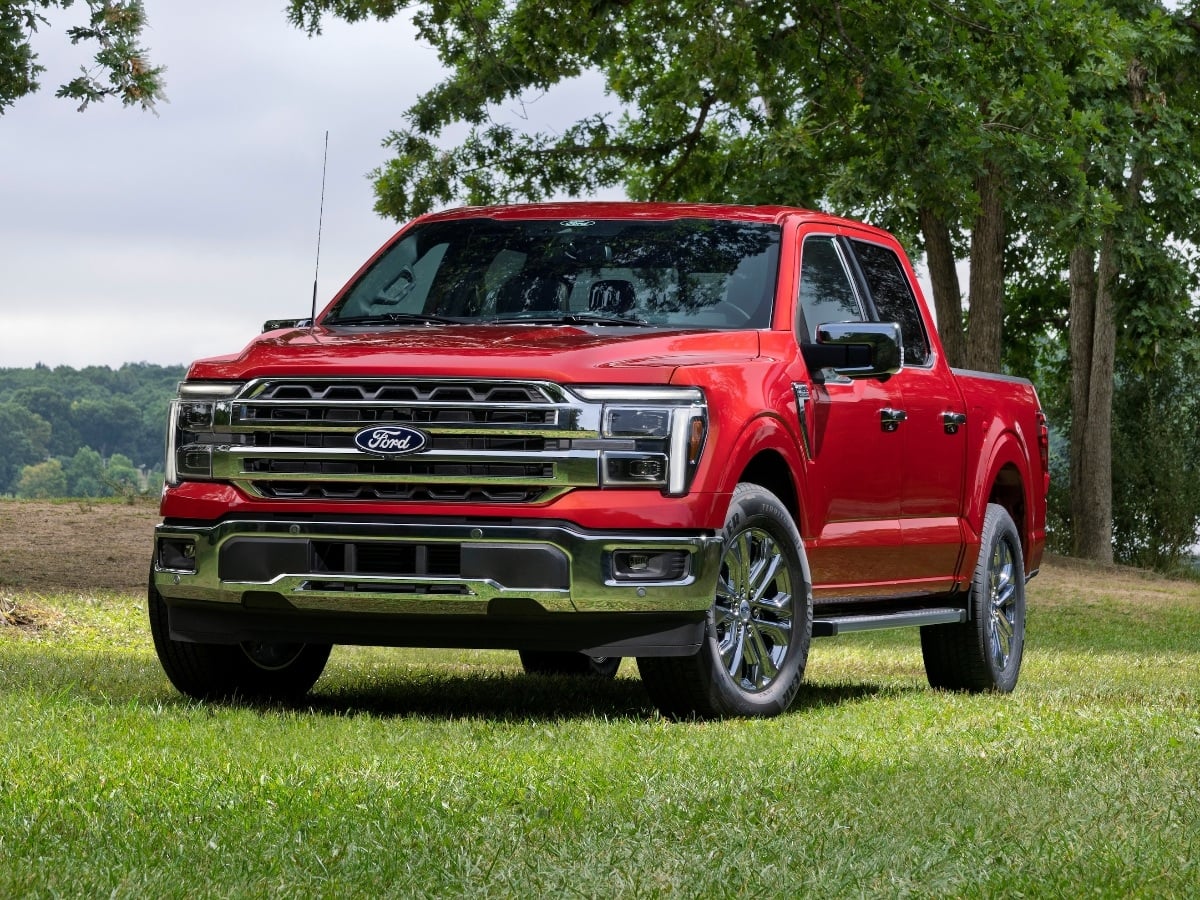
Facing renewed competition in the full-size, light duty pickup truck segment, the 2027 Ford F-150 receives subtle styling updates, a new standard engine, broader availability of its 5.0-liter V8, and ...See More
Read the Full Article
The 2027 Civic Type R goes on sale in October 2026, and it starts at $49,990, including the $1,295 destination charge.
Read the Full Article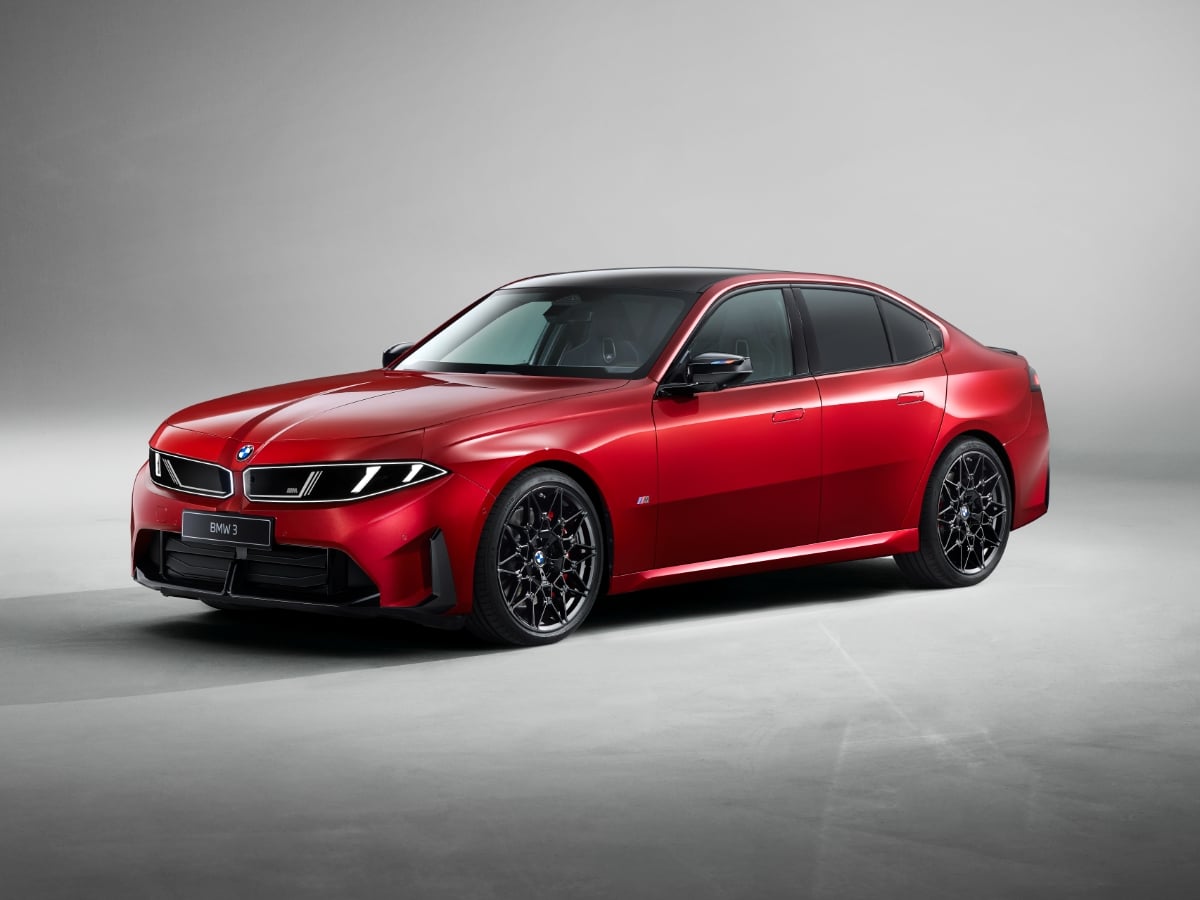
Part of BMW’s Neue Klasse (new class) rollout of redesigned models, the 2027 BMW 3 Series is all-new and goes on sale in the first quarter of 2027.
Read the Full Article