
Public initiatives like Electrify America and expansions of private charging networks, such as Tesla’s Superchargers, are increasing the number of publicly available electric vehicle (EV) chargers. Despite that, the Environmental Protection Agency (EPA) estimates that these networks only account for 20% of all EV charging. The remaining 80% is done at home with dedicated EV home charging platforms.

These systems, called Level 2 charging units, are a common investment among electric vehicle owners. While each home EV charging system serves the same basic purpose, they vary in price based on charging speeds, features, and design.
Electric vehicle charging platforms are categorized into Level 1, Level 2, and Direct-Current Fast Chargers (DCFCs) or Level 3. The higher the level, the faster they can charge an electric vehicle.
All brand-new electric vehicles are sold with a Level 1 charger from the dealership. They are little more than large cables that EV owners can plug into a standard wall outlet, like a smartphone charger.
This type of charging system uses standard 120-volt (120V) AC outlets and does not require additional investment. However, it is by far the slowest EV charging method. According to the Department of Transportation, a Level 1 charger takes 40 to 50 hours to charge an EV’s battery from 0% to 80%.
When an EV owner plans to install a home EV charger, it most likely refers to a Level 2 station. These are fixed charging platforms adapted for home or small business use.
Level 2 home-use chargers require 240V power instead of the standard 120V. They can charge most EVs from 0% to 80% in 4 to 10 hours. This type of current is the electricity supplied to most residential buildings before it reaches the panel, as measured at the transformer.
Normally, a home’s electrical panel splits that current into two 120V lines before it reaches most indoor outlets, making them compatible with typical household appliances.
Installing a Level 2 home EV charger requires an electrician to modify the home. They usually install a 240V power outlet or a direct 240V connection to the electrical panel. If the panel is already at capacity, an electrician may recommend upgrading it before installing a home EV charger.
When people think of outdoor or commercial EV charging stations, most imagine a Level 3 charger or DCFC. These stations include stations on public and private networks, such as Electrify America, Tesla Superchargers, EVgo, or ChargePoint.
While these systems are the fastest—20 minutes to an hour to refill the battery from 0% to 80%—these charging stations use commercial power utilities. Most homes cannot install DCFCs.
The potential costs of investing in a Level 2 EV charger can be broken down into the following categories:
The average cost of a Level 2 EV charging station varies depending on the brand, how it is connected to the home’s electrical network, and what features it offers.
The hardware for a typical home EV charging station from a reputable brand like Siemens or JuiceBox typically costs between $350 and $600. Higher-priced models may offer faster charging speeds, convenient features like Wi-Fi or Bluetooth connectivity, and smart charging functions.
In addition to the charger, EV owners must budget for labor and installation costs. Qualified electricians typically charge between $100 and $350 in labor for a standard installation procedure.
However, each home is different, and some properties may require additional work, such as extra wiring or mounting hardware. Labor costs vary from region to region, so EV owners should call several local companies to get a quote for installation.
One of the most common financial roadblocks to installing a home EV charger is a panel upgrade. Many older homes have panels and breaker boxes rated to an electrical capacity of 100 amperes (100-amp or 100A). These units were standard before homes were installed with energy-hungry appliances and fixtures, such as modern central air conditioning.
When taking into account all the other home appliances connected, a 100-amp system may not have enough capacity left to support a home EV charging station. Newer and upgraded homes are usually fitted with a higher-capacity 200A panel, which provides enough extra power to support a home EV charger.
Upgrading to a 200A panel requires a new electrical box and installation by an experienced electrician. Depending on local rates, electrician experience, and hardware costs, this procedure can cost as little as $800 to as much as $4,000 or more.
Some local jurisdictions impose fees and require permits before completing any work that extensively modifies a home’s electrical system, such as when upgrading a house to install a Level 2 charger.
For example, in New York City, homeowners must obtain an electrical permit from the NYC Department of Buildings (DOB) to ensure the modifications comply with the local building codes. Permit costs vary depending on the type and extent of the modifications. Contacting a local, licensed electrician is the best way to get an up-to-date quote and relevant information on electrical fees and permits.
Once installed, the cost of operating a home charging station depends on local electricity prices. As of September 2024, the average price per kilowatt-hour (kWh) nationwide was $0.178.
EVs consume approximately 0.32 kWh per mile; assuming a range of 200 miles, it would require 64 kWh to charge a battery from 0% to 100%. This means a full charge would cost about $11.39. Studies have shown that the average EV is driven about 12,000 miles annually, representing a yearly consumption of 3,840 kWh, or about $683.52 in electricity.
Installing a home EV charging station can be pricey initially, especially if the panel needs upgrades. However, the investment is worthwhile for homeowners who drive EVs daily or frequently. Once the home is equipped with a Level 2 station, the only costs incurred will come from charging vehicles.
Many federal, state, and local initiatives allow EV owners to benefit from tax credits to lower the costs of installing a home EV charging station. Research incentives in your area and find EV credits and benefits.
Author: Corentin Bernard
Corentin’s passion for the automotive world started when he was just seven years old, during a life-changing visit to an auto museum. Now a seasoned writer, Corentin channels that early fascination into every piece he writes, whether he’s exploring the latest car trends or automotive history. But his expertise doesn't end there—he also brings his insights to topics like home improvement, the boating and yachting industry, personal finance tips, and cutting-edge tech.



The 2027 Civic Type R goes on sale in October 2026, and it starts at $49,990, including the $1,295 destination charge.
Read the Full Article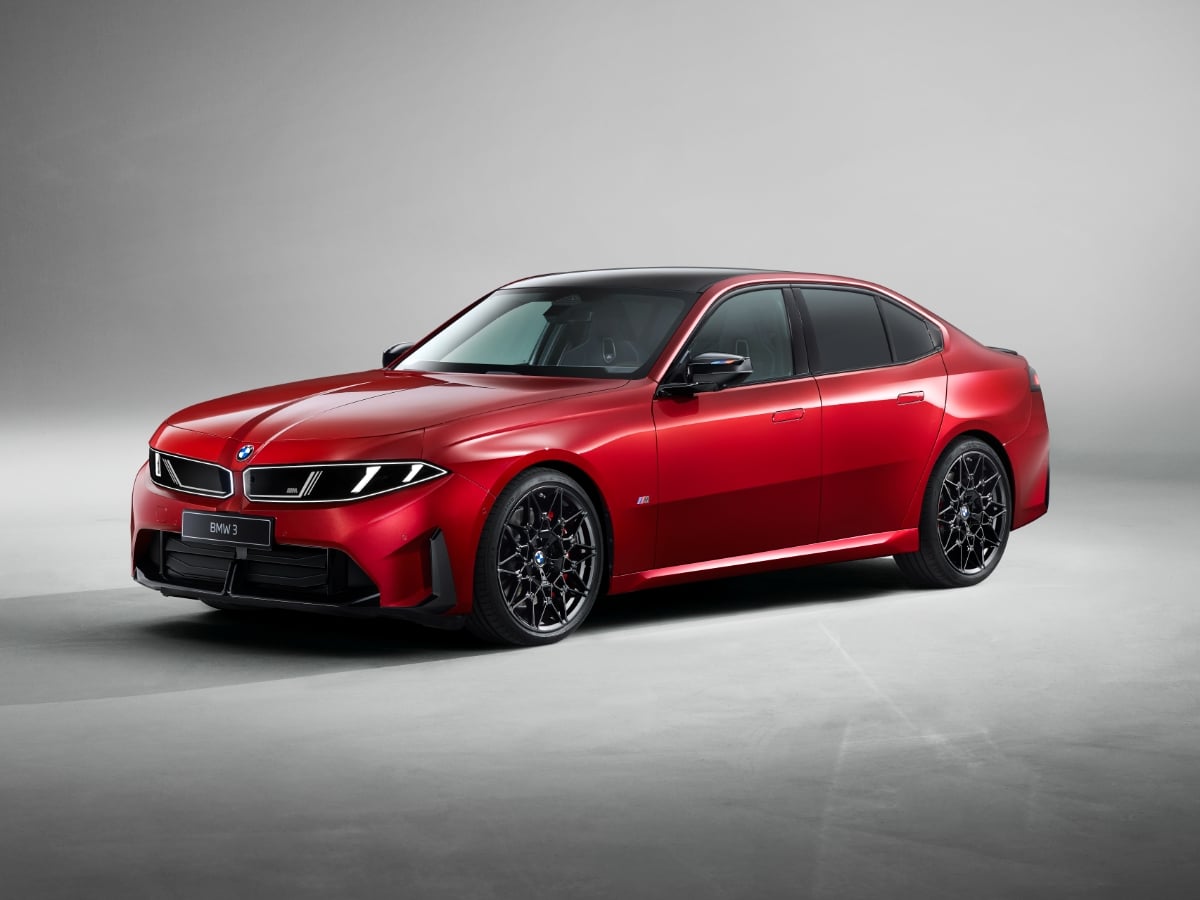
Part of BMW’s Neue Klasse (new class) rollout of redesigned models, the 2027 BMW 3 Series is all-new and goes on sale in the first quarter of 2027.
Read the Full Article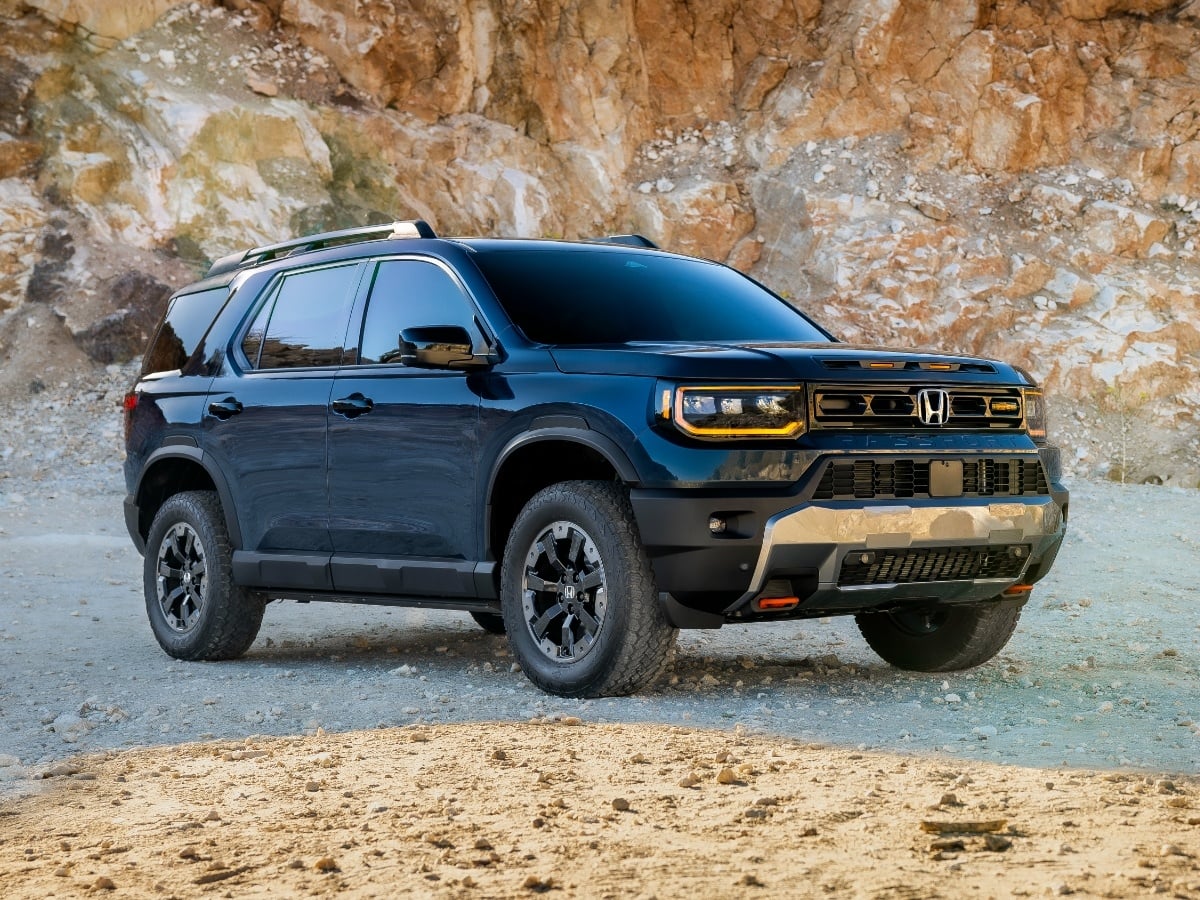
Updates to the 2027 Honda Passport TrailSport include a reworked suspension, improved steering, subtle styling enhancements, and added standard equipment.
Read the Full Article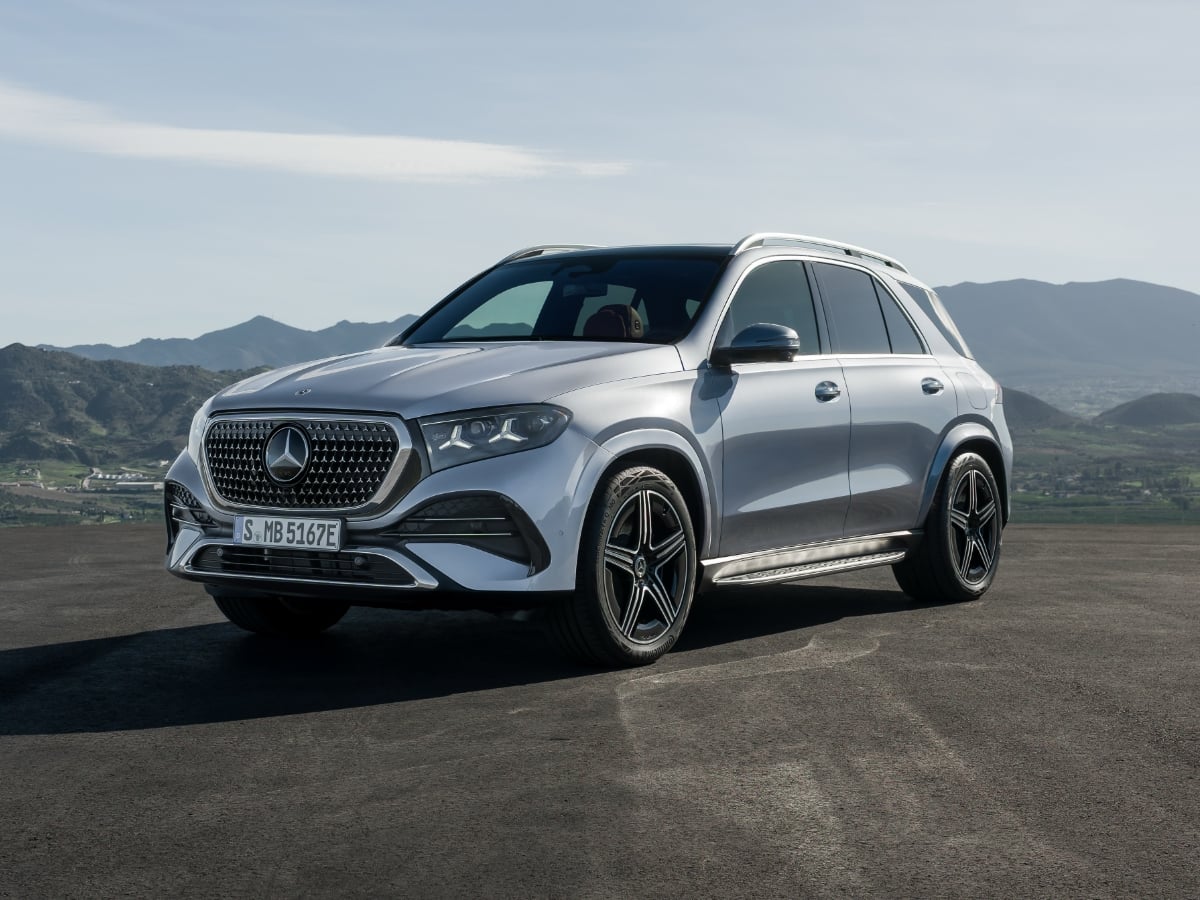
The midsize 2027 Mercedes GLE remains available in original and spicy Coupe recipes, now with standard 4Matic all-wheel drive (AWD), MBUX Superscreen technology, and a panoramic glass sunroof for ...See More
Read the Full Article